
La Scultura del giorno: Anelito fuggente di Banterle
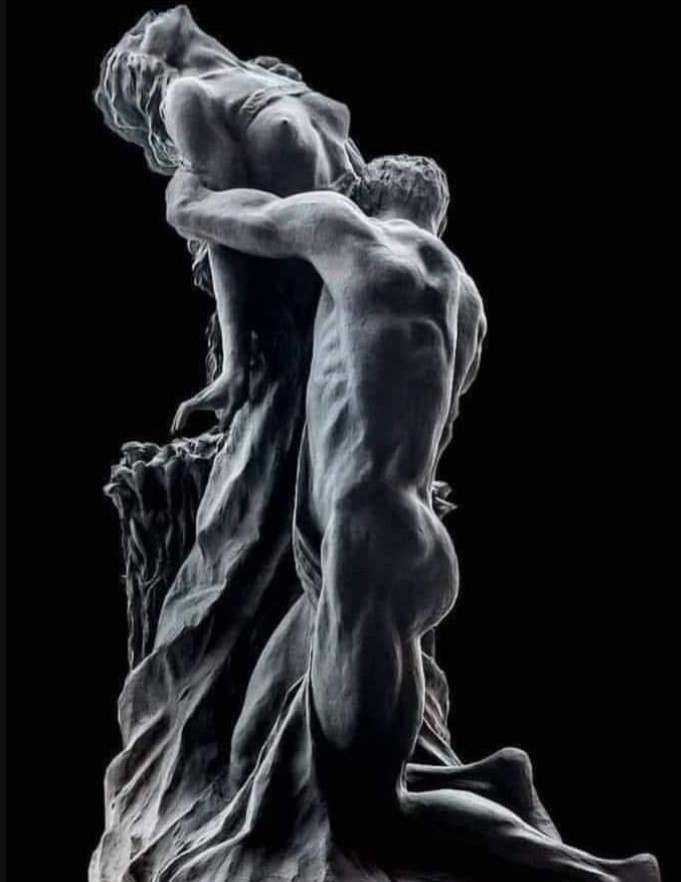
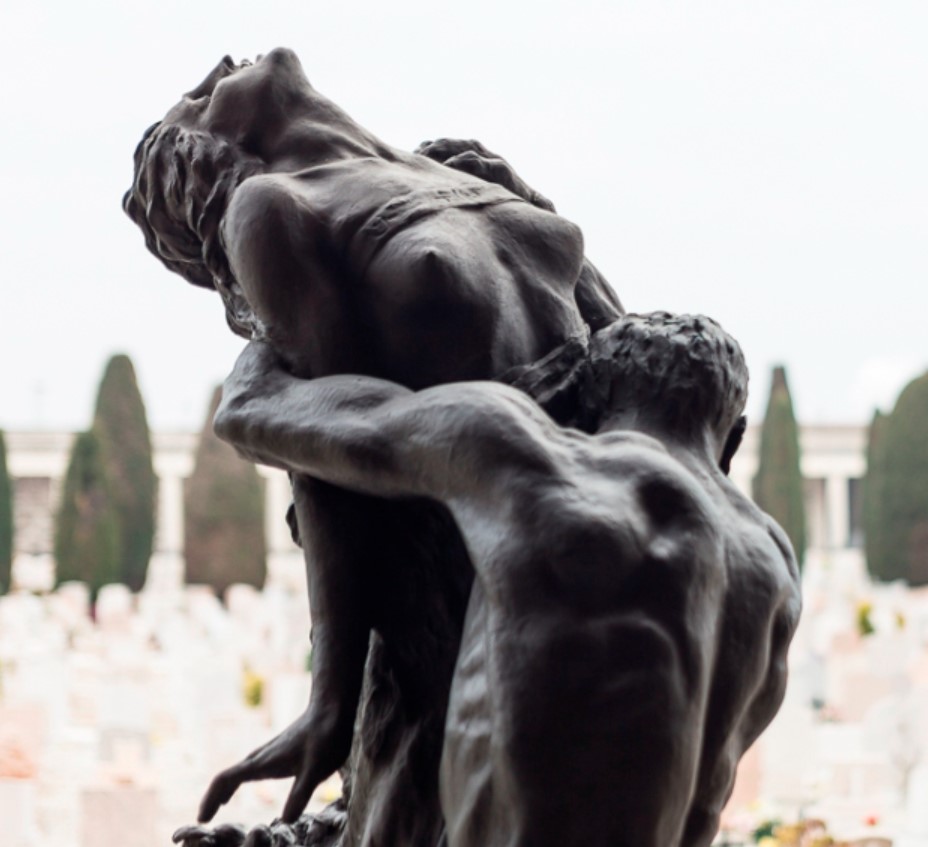
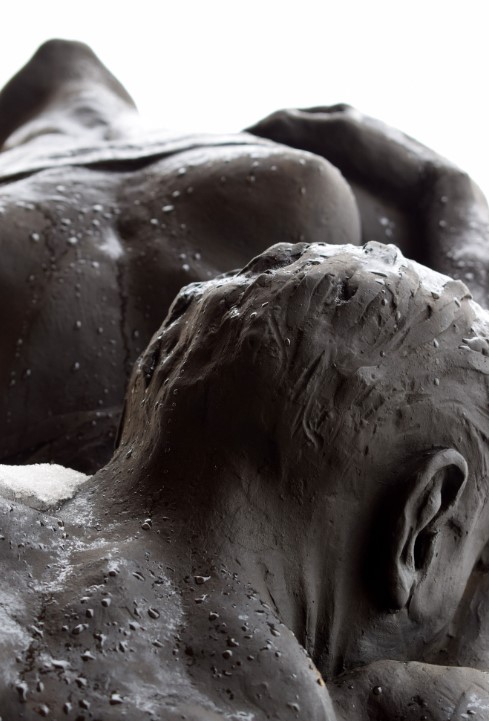
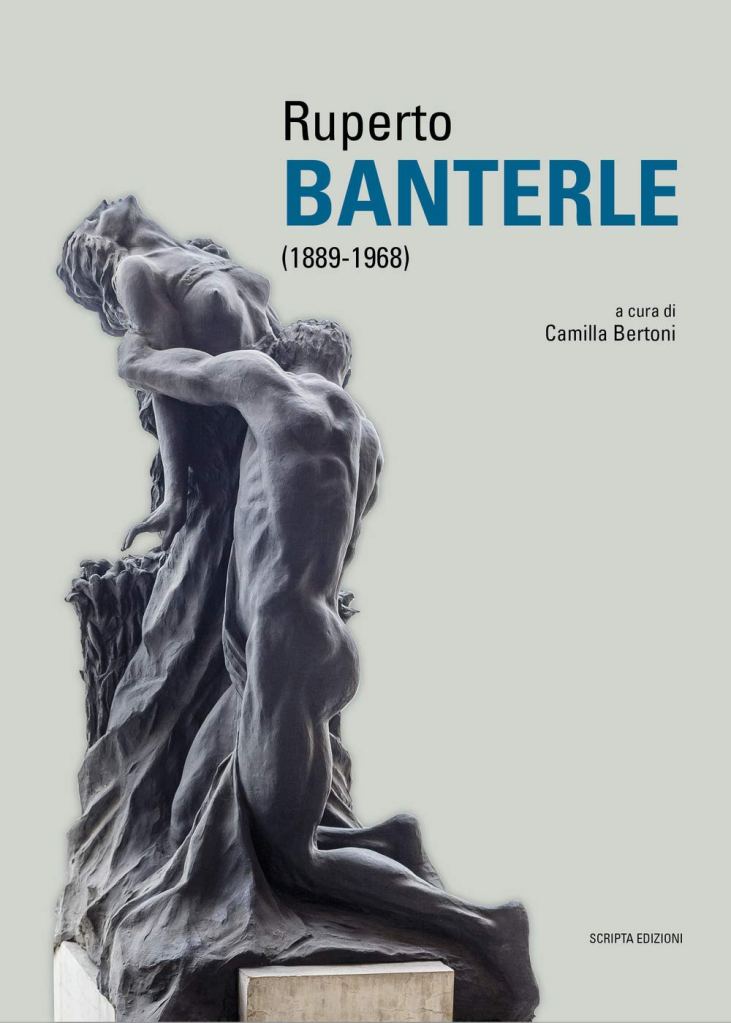
La scultura del giorno che vi propongo oggi è lo struggente Anelito fuggente, opera in bronzo di Ruperto Banterle realizzata nel 1914.
In questo commovente capolavoro, l’uomo si aggrappa alla vita che sta fuggendo via della donna nella speranza di poterla trattenere ancora per un po’ sulla terra.
Anche in questo caso Eros e Thanatos, l’amore e la morte, si intersecano l’un l’altro tanto da far sembrare la scultura tutt’altro che un’opera destinata a una sepoltura.
L’Anelito fuggente fu realizzata da Banterle in occasione della morte della madre dell’amico poeta Lionello Fiumi.
L’artista ispirandosi al mio Schiavo Morente e al suo stretto legame che sembra avere fra l’amore sensuale e la morte, iniziò a progettare il bozzetto dell’opera che avrebbe poi fuso in bronzo per il cimitero di Verona.
Stupisce la l’intensa sensualità dell’opera che trasuda da ogni dettaglio, linea e atteggiamento delle due figure prive di qualsiasi veste perché in fondo nudi si viene al mondo e nudi si lascia questa terra, senza portarsi nell’aldilà nient’altro che l’anima propria.
Ruperto Banterle era nato a Milano il 19 settembre 1889. Fin da ragazzino mostrò un innato talento artistico e per coltivare questa sua predisposizione, si iscrisse all’Accademia delle Belle Arti di Genova e nello stesso momento cominciò a frequentare assiduamente lo studio dello scultore Giovanni Scanzi.
Nel 1911 si trasferì a Parigi dove si stabilì conoscendo i capolavori di Auguste Rodin, Medardo Rosso, Camille Claudel e Antoine Bourdelle.
Quell’esperienza francese segnerà il suo modo di fare arte per tutto il resto della vita.
Banterle fu costretto a rientrare a Verona per questioni politiche. Lì aprirà il suo studio cominciando a realizzare diversi monumenti funebri in bronzo, compreso quello dedicato alla madre di Lionello Fiumi: l’Anelito fuggente.
L’artista passò a miglior vita il 20 luglio 1968 nella sua casa di Gombion, una frazione di Belfiore d’Adige in provincia di Verona.

Il libro
Se volete conoscere meglio la storia e la produzione artistica di Banterle, è stato pubblicato a cinquant’anni dalla scomparsa, un libro che approfondisce la sua figura.
L’amicizia con il poeta Lionello Fiumi, ben presto punto di riferimento per artisti e letterati, da cui scaturiscono l’Anelito fuggente e altre dirompenti opere, la grande esplosione monumentale del Primo Dopoguerra, le collaborazioni con il fratello Francesco, architetto, negli interventi tra le mura di una città che si rinnova tra Liberty e Novecento.
La storia di Ruperto Banterle viene ripercorsa fra le opere, i disegni e i bozzetti, per la prima volta raccolti in un catalogo ragionato, conservati nella casa di famiglia a Gombion, frazione di Belfiore d’Adige.
Il libro Ruperto Banterle 1889-1968 lo trovate QUA.
Per il momento il vostro Michelangelo Buonarroti vi saluta dandovi appuntamento ai prossimi post e sui social.
© Riproduzione riservata
Sculpture of the day: Vanterle’s Longing
The sculpture of the day that I propose to you today is the poignant Vanterle’s Longing, a bronze work by Ruperto Banterle created in 1914.
In this moving masterpiece, the man clings to the life that is fleeing from the woman in the hope of being able to keep her on earth for a little longer.
Also in this case Eros and Thanatos, love and death, intersect with each other so much so as to make the sculpture seem anything but a work intended for burial.
The Fugitive Longing was created by Banterle on the occasion of the death of the mother of his poet friend Lionello Fiumi.
The artist, inspired by my Dying Slave and the close connection he seems to have between sensual love and death, began to design the sketch of the work which he would then cast in bronze for the Verona cemetery.
The intense sensuality of the work which exudes from every detail, line and attitude of the two figures without any clothing is astonishing because after all naked one comes into the world and naked one leaves this earth, without taking anything into the afterlife other than the own soul.
Ruperto Banterle was born in Milan on 19 September 1889. Since he was a boy he showed an innate artistic talent and to cultivate this predisposition, he enrolled at the Academy of Fine Arts in Genoa and at the same time began to assiduously frequent the studio of the sculptor Giovanni Scanzi .
In 1911 he moved to Paris where he settled in, knowing the masterpieces of Auguste Rodin, Medardo Rosso, Camille Claudel and Antoine Bourdelle.
That French experience would mark his way of making art for the rest of his life.
Banterle was forced to return to Verona for political reasons. There he opened his studio and began to create various bronze funerary monuments, including the one dedicated to Lionello Fiumi’s mother: the Fugitive Longing.
The artist passed away on 20 July 1968 in his house in Gombion, a hamlet of Belfiore d’Adige in the province of Verona.
For the moment, your Michelangelo Buonarroti greets you and will meet you in future posts and on social media.
© All rights reserved

Sostienici – Support Us
Se questo blog ti piace e ti appassiona, puoi aiutarci a farlo crescere sempre più sostenendoci in modo concreto condividendo i post, seguendo le pagine social e con un contributo che ci aiuta ad andare avanti con il nostro lavoro di divulgazione. . ENGLISH: If you like and are passionate about this blog, you can help us make it grow more and more by supporting us in a concrete way by sharing posts, following social pages and with a contribution that helps us to move forward with our dissemination work.
10,00 €
-
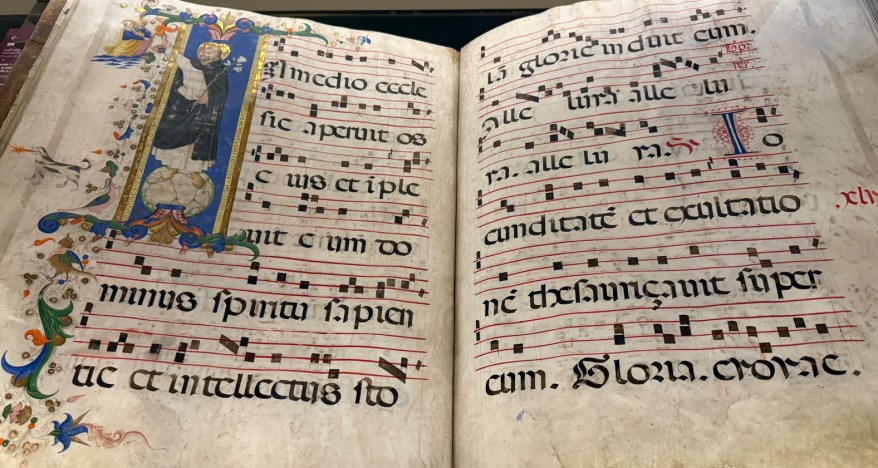
Firenze, al Museo di San Marco draghi, unicorni e codici segreti del Rinascimento
🇮🇹Al Museo di San Marco arriva una mostra che sembra uscita da un libro fantasy: draghi, unicorni e creature misteriose prendono vita nei codici miniati del Rinascimento… 🇬🇧An exhibition straight out of a fantasy novel arrives at the San Marco Museum: dragons, unicorns, and mysterious creatures come to life in Renaissance illuminated manuscripts….
-
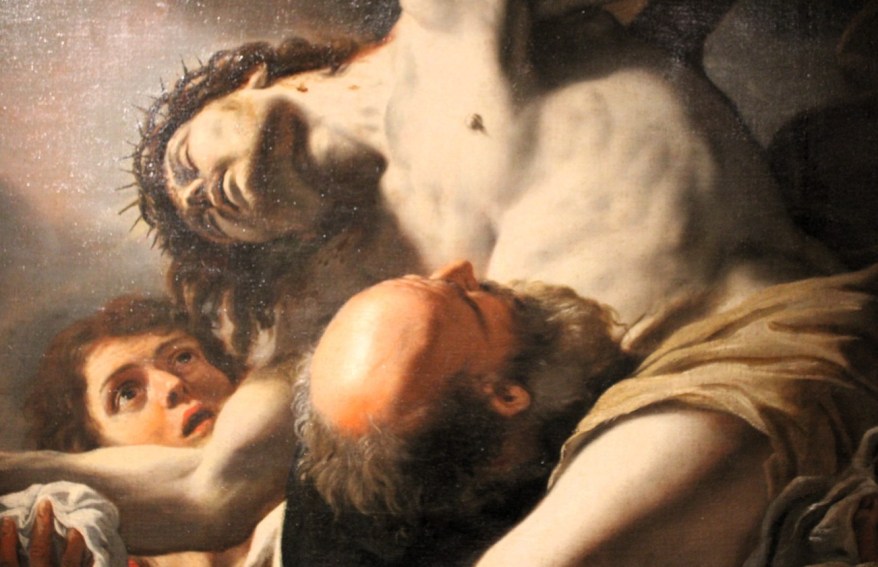
La Deposizione dalla Croce di Mattia Preti: il dramma diventa luce
🇮🇹Mattia Preti dipinse La Deposizione dalla Croce nel pieno della maturità riuscendo a trasformare il dramma sacro in qualcosa di profondamente umano… 🇬🇧Mattia Preti painted The Deposition from the Cross at the height of his maturity, managing to transform the sacred drama into something profoundly human…
-
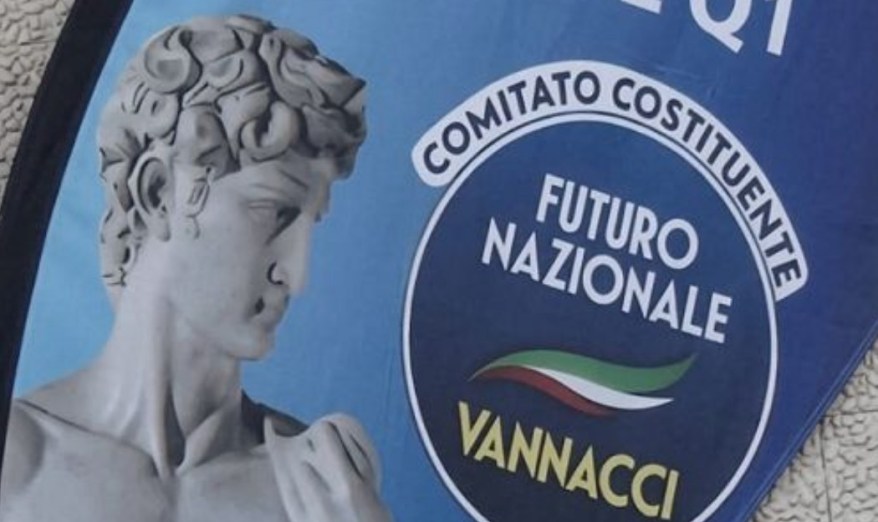
Il mio David utilizzato per propaganda politica
🇮🇹Il David finisce su manifesti politici senza autorizzazione. La Galleria dell’Accademia interviene sulla questione asserendo di non aver dato alcuna autorizzazione… 🇬🇧The David ends up on political posters without authorization. The Accademia Gallery intervenes on the issue, claiming it did not give any authorization..
Condividi:


Questo sono io





sostienici

Sostienici – Support Us
Se questo blog ti piace e ti appassiona, puoi aiutarci a farlo crescere sempre più sostenendoci in modo concreto condividendo i post, seguendo le pagine social e con un contributo che ci aiuta ad andare avanti con il nostro lavoro di divulgazione. . ENGLISH: If you like and are passionate about this blog, you can help us make it grow more and more by supporting us in a concrete way by sharing posts, following social pages and with a contribution that helps us to move forward with our dissemination work.
€10,00


