

Rubens: la collaborazione di tre musei italiani per tre mostre a lui dedicate
C’è grande fermento in vista delle tre grandi mostre dedicate a Rubens che apriranno i battenti prossimamente in tre diverse sedi sul territorio italiano.
Dal 7 ottobre 2023 al 18 febbraio 2024 Fondazione Palazzo Te, Palazzo Ducale di Mantova e Galleria Borghese si uniscono in un ambizioso progetto che renderà omaggio a Rubens: il pittore che trasse ispirazione dalla cultura classica, lasciando un segno profondo e indelebile nelle corti italiane ed europee.
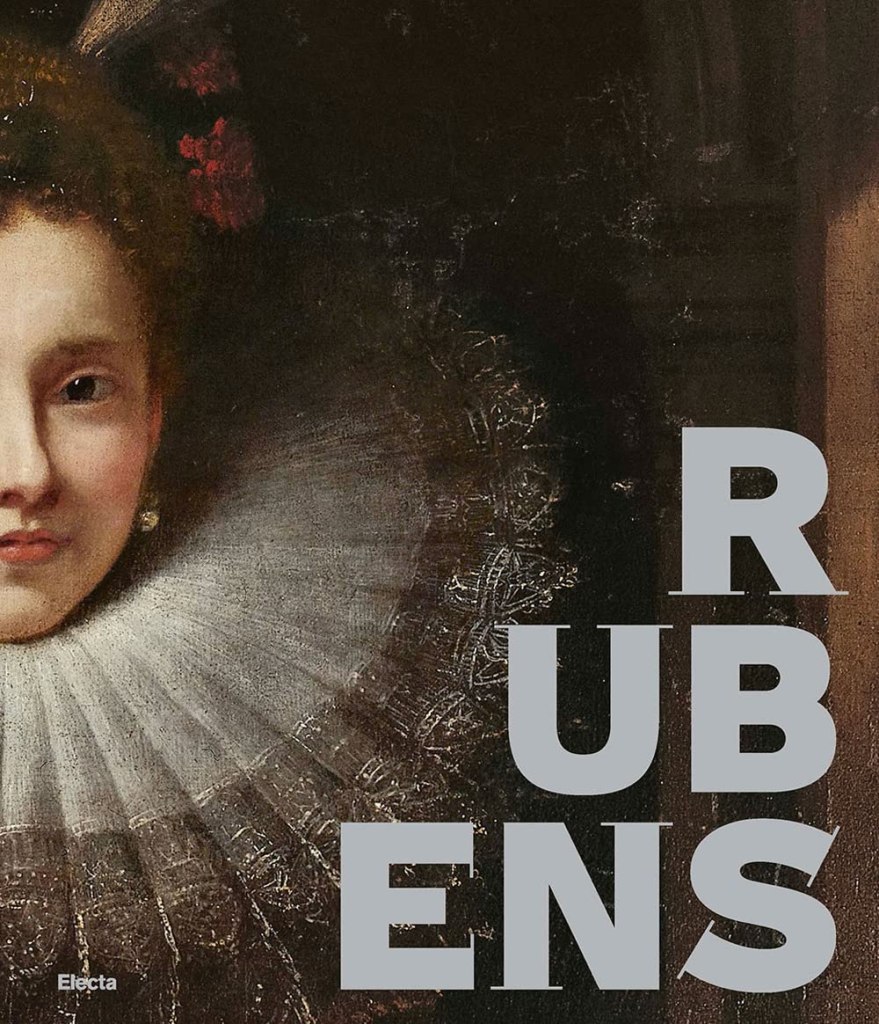
“Rubens! La nascita di una pittura europea” è la straordinaria iniziativa che mette assieme tre eventi espositivi organizzati da tre importanti istituzioni museali per celebrare uno dei protagonisti del Barocco.
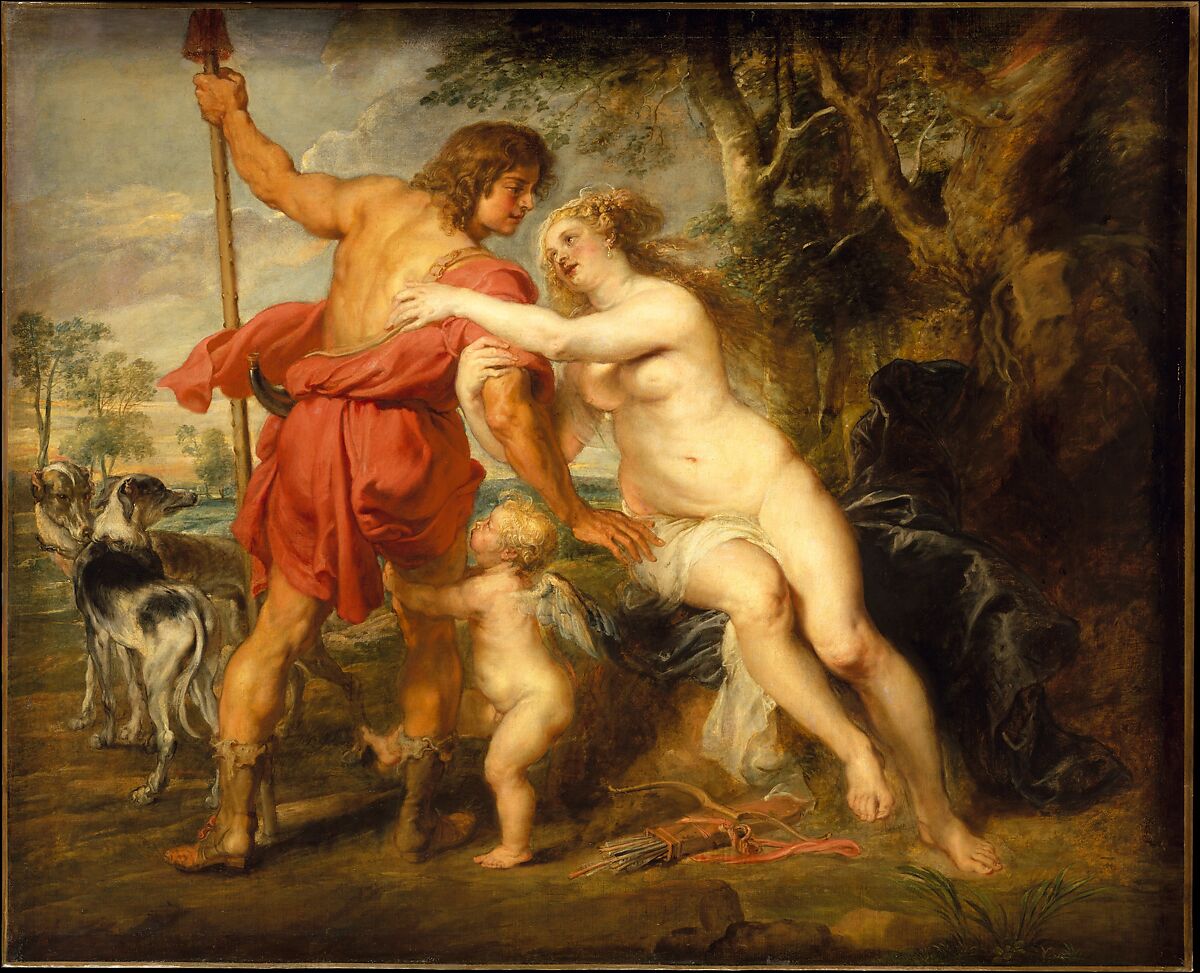
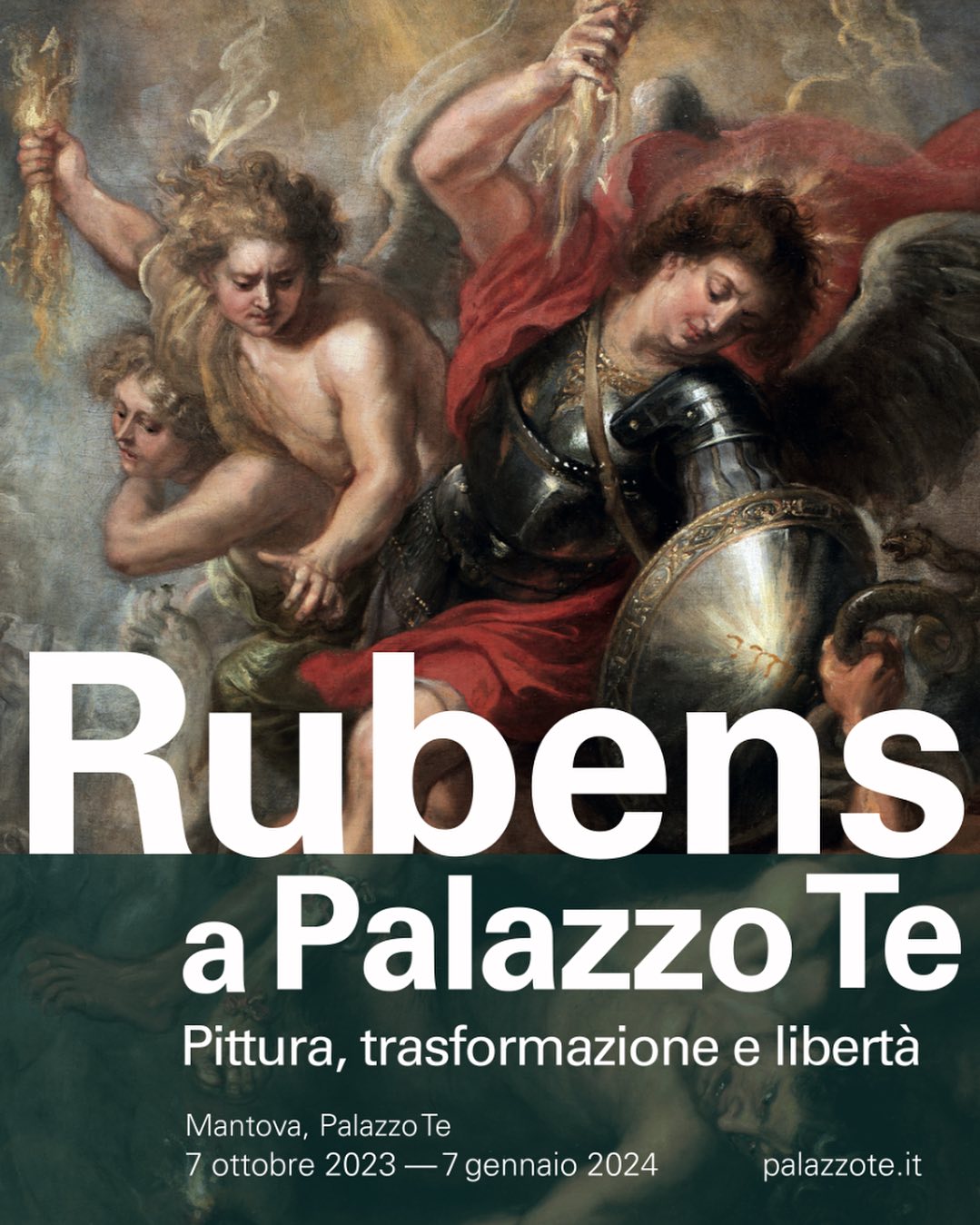
Dal 7 ottobre 2023 al 7 gennaio 2024, a Mantova Palazzo Te dedica all’artista Rubens a Palazzo Te. Pittura, trasformazione e libertà, una mostra di ricerca che si concentra in particolare sul rapporto tra il pittore fiammingo e la cultura mitologica che incontra in Italia.
A cura di Raffaella Morselli, la mostra metterà in relazione la corrispondenza tra opere e motivi decorativi e iconografici del Palazzo. sarà un percorso mirato a dimostrare quanto le suggestioni rinascimentali elaborate da Rubens negli anni mantovani e italiani si siano evolute fino a trasmettersi nell’eredità intellettuale e artistica lasciata ai suoi allievi.
Le opere della mostra sono state scelte in funzione del dialogo che riallacciano con i miti e dell’interpretazione che ne fece Giulio Romano nelle varie sale, fattori che contribuirono a generare nel pittore di Anversa una sintonia mai interrotta con il Rinascimento e il Mito.
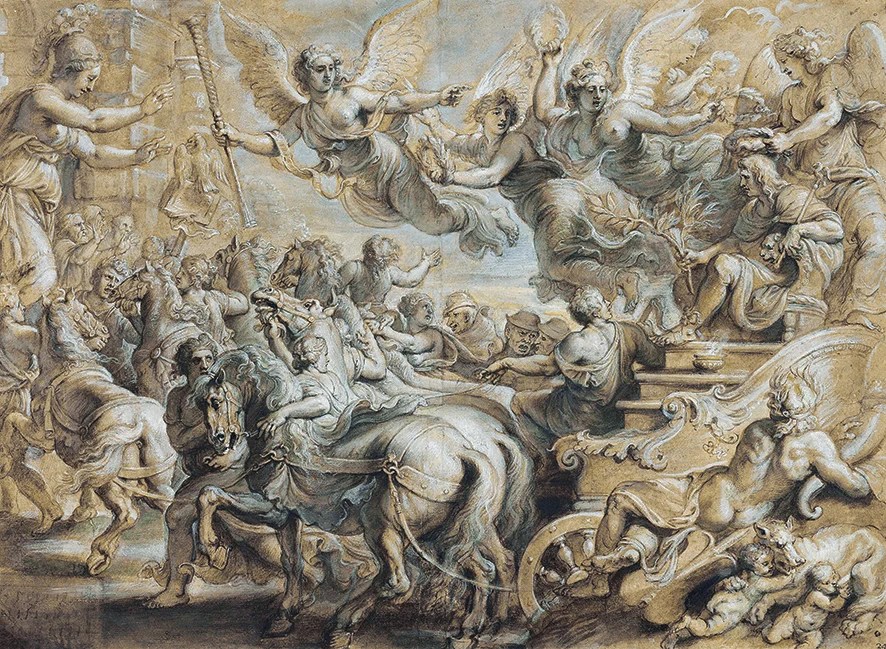
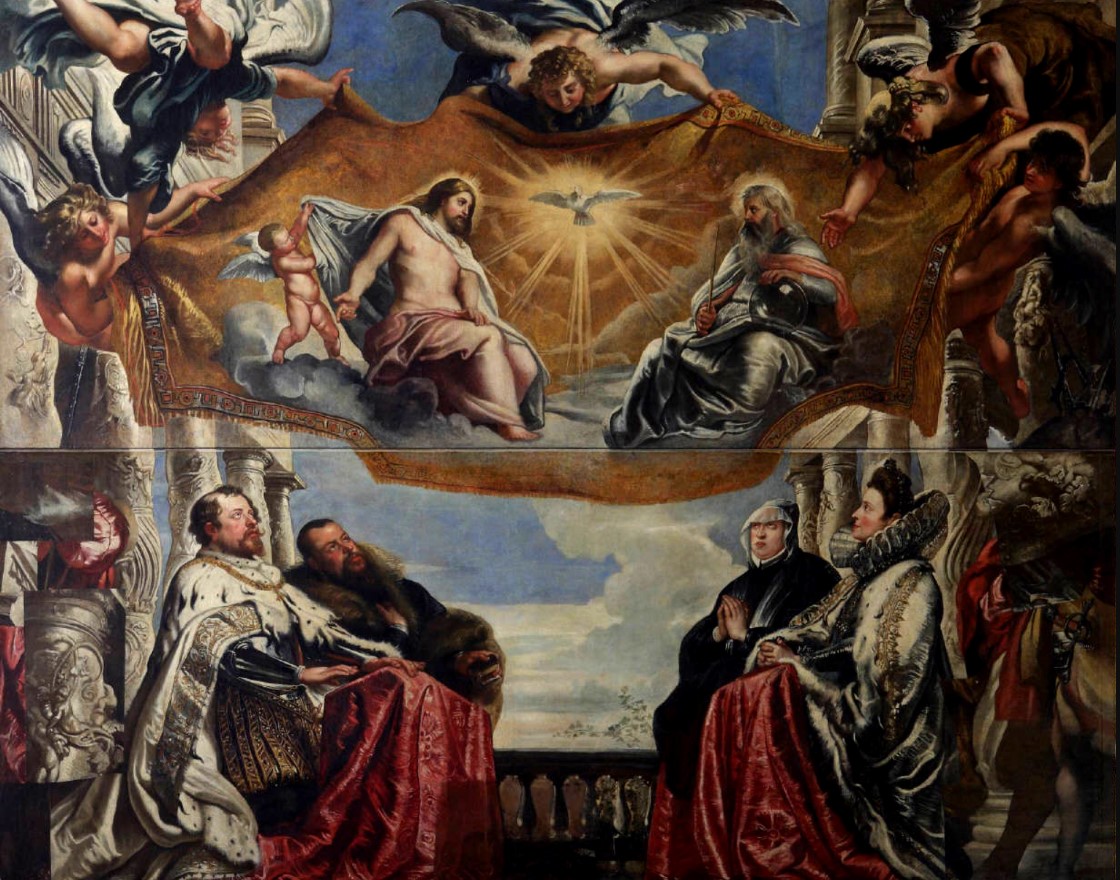
Nello stesso periodo, dal 7 ottobre 2023 al 7 gennaio 2024, Palazzo Ducale di Mantova proporrà al pubblico l’esposizione Rubens. La Pala della Santissima Trinità, incentrata su una delle più imponenti imprese portate a compimento dall’artista: il ciclo delle tre enormi tele per la Chiesa della Santissima Trinità.
Una di queste tele, dopo complesse vicende, ancora oggi esposta permanentemente a Palazzo Ducale e costituisce una tappa fondamentale nel percorso conoscitivo di questo grande artista.
Rubens consolida il suo legame con Mantova quando, nel 1600, giunge da giovane promettente pittore alla corte di una delle più importanti signorie italiane: i Gonzaga. Una decina di anni dopo se ne andrà ma oramai avrà conquistato una fama incredibile.
Infine, dal 14 novembre 2023 al 18 febbraio 2024 sarà la volta della mostra alla Galleria Borghese di Roma: 2Il tocco di Pigmalione. Rubens e la scultura a Roma”.
Curata da Francesca Cappelletti e Lucia Simonato, la mostra indaga quanto le influenze del suo viaggio in Italia, compiuto nel primo decennio del XVII secolo, prendano un nuovo decisivo vigore negli anni successivi al suo ritorno in patria.
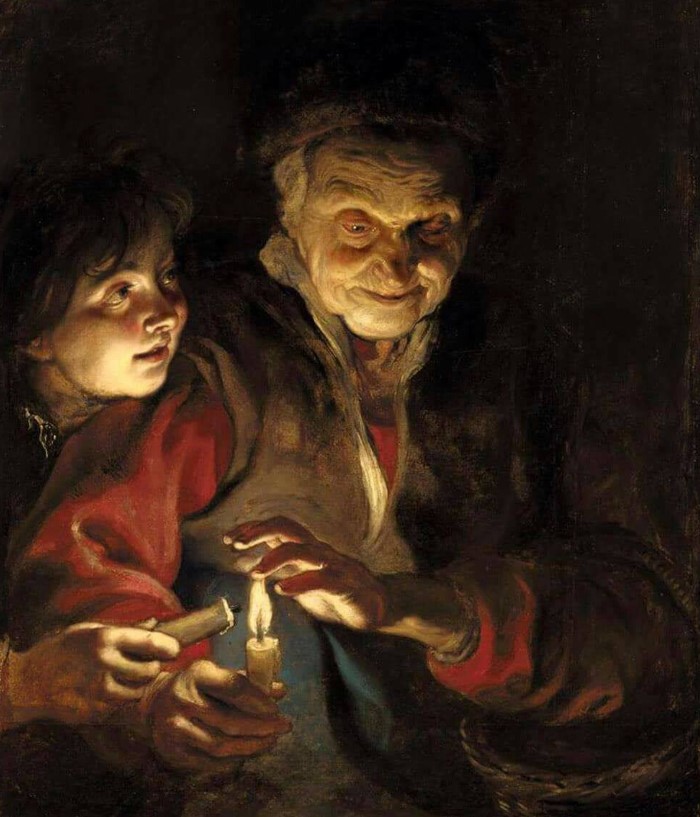
Il progetto sottolinea il contributo straordinario dato dall’artista, alle soglie del Barocco, a una nuova concezione di antico, di naturale e di imitazione, mettendo a fuoco la novità dirompente del suo stile nel primo decennio a Roma e come lo studio dei modelli potesse essere inteso come ulteriore slancio verso un nuovo mondo di immagini.
L’eccezionale sede della Galleria Borghese consente di mettere in relazione i dipinti e i disegni di Rubens con la statuaria antica.
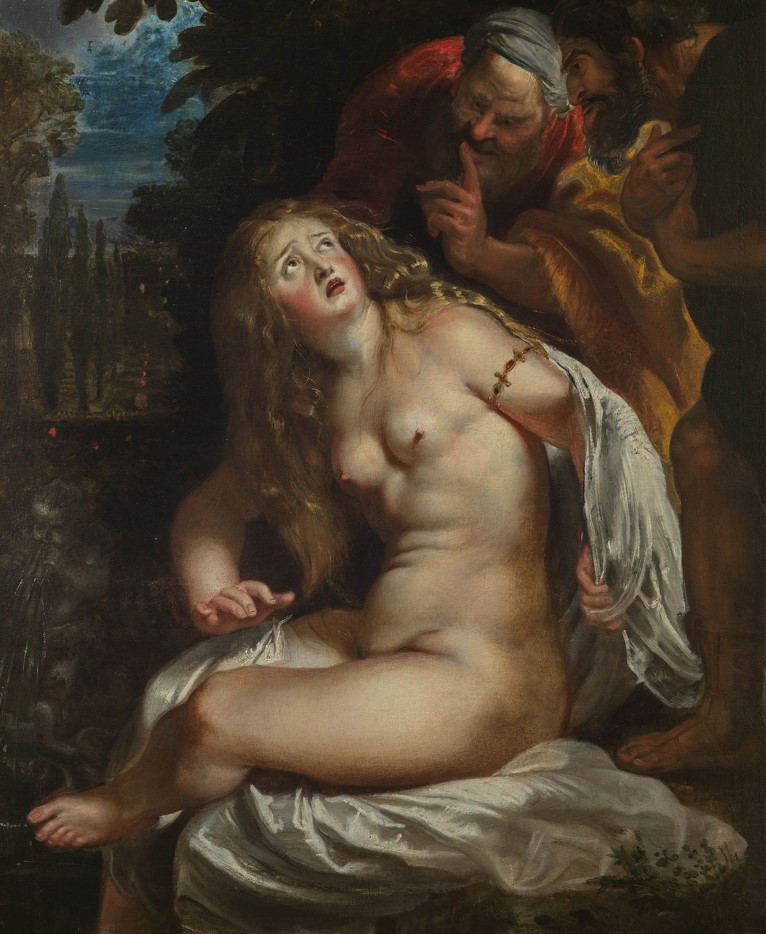
“Rubens! La nascita di una pittura europea” è un’iniziativa che ha il Patrocinio del Ministero della Cultura, in collaborazione con il Comune di Mantova e alcune delle più prestigiose istituzioni museali italiane e internazional.
Come riesce Rubens a costruirsi un proprio glossario, un vocabolario di rinascimenti e manierismi italiani, partendo dalle Fiandre? Che lemmi inserisce nel proprio dizionario di immagini e di testi? E soprattutto chi e che cosa guarda per permettergli di elaborare una nuova lingua figurativa che non è né fiamminga, né italiana, ma potentemente fiammingaliana o italianinga?
Sono queste le domande a cui mirano a rispondere le tre mostre dedicate a Rubens che avranno luogo nei prossimi mesi.
Per il momento il vostro Michelangelo Buonarroti vi saluta dandovi appuntamento ai prossimi post e sui social.
Rubens: the collaboration of three Italian museums for three exhibitions dedicated to him
There is great excitement ahead of the three major exhibitions dedicated to Rubens which will soon open in three different locations throughout Italy.
From 7 October 2023 to 18 February 2024 Fondazione Palazzo Te, Palazzo Ducale di Mantova and Galleria Borghese come together in an ambitious project that will pay tribute to Rubens: the painter who drew inspiration from classical culture, leaving a deep and indelible mark on the Italian courts and European.
“Rubens! The birth of a European painting” is the extraordinary initiative that brings together three exhibition events organized by three important museum institutions to celebrate one of the protagonists of the Baroque.
From 7 October 2023 to 7 January 2024, Palazzo Te in Mantua is dedicating Rubens at Palazzo Te to the artist. Painting, transformation and freedom, a research exhibition that focuses in particular on the relationship between the Flemish painter and the mythological culture he encounters in Italy.
Curated by Raffaella Morselli, the exhibition will relate the correspondence between works and decorative and iconographic motifs of the Palazzo. it will be a path aimed at demonstrating how much the Renaissance suggestions elaborated by Rubens in the Mantuan and Italian years have evolved up to being transmitted in the intellectual and artistic legacy left to his students.
The works in the exhibition were chosen on the basis of the dialogue they reconnect with the myths and the interpretation that Giulio Romano made of them in the various rooms, factors that contributed to generating in the painter from Antwerp an uninterrupted harmony with the Renaissance and the Myth.
In the same period, from 7 October 2023 to 7 January 2024, Palazzo Ducale in Mantua will offer the public the Rubens exhibition. The Altarpiece of the Holy Trinity, focused on one of the most impressive undertakings completed by the artist: the cycle of three enormous canvases for the Church of the Holy Trinity.
One of these canvases, after complex vicissitudes, is still permanently exhibited today in Palazzo Ducale and constitutes a fundamental stage in the cognitive journey of this great artist.
Rubens consolidates his bond with Mantua when, in 1600, he arrives as a promising young painter at the court of one of the most important Italian lordships: the Gonzagas. About ten years later he will leave but by now he will have gained incredible fame.
Finally, from 14 November 2023 to 18 February 2024 it will be the turn of the exhibition at the Borghese Gallery in Rome: 2The touch of Pygmalion. Rubens and sculpture in Rome”.
Curated by Francesca Cappelletti and Lucia Simonato, the exhibition investigates how much the influences of his trip to Italy, made in the first decade of the seventeenth century, take on a new decisive force in the years following his return to his homeland.
The project underlines the extraordinary contribution made by the artist, on the threshold of the Baroque, to a new conception of the ancient, natural and imitation, focusing on the disruptive novelty of his style in the first decade in Rome and how the study of models could be understood as a further impetus towards a new world of images.
The exceptional venue of the Galleria Borghese allows Rubens’ paintings and drawings to relate to ancient statuary.
“Rubens! The birth of a European painting” is an initiative sponsored by the Ministry of Culture, in collaboration with the Municipality of Mantua and some of the most prestigious Italian and international museums.
How does Rubens manage to build his own glossary, a vocabulary of Italian Renaissance and mannerisms, starting from Flanders? What terms does he insert in his dictionary of images and texts? And above all who and what is he looking to allow him to develop a new figurative language that is neither Flemish nor Italian, but powerfully Flemish or Italianish?
These are the questions that the three exhibitions dedicated to Rubens that will take place in the coming months aim to answer.
For the moment, your Michelangelo Buonarroti greets you by making an appointment for the next posts and on social media.

Sostienici – Support Us
Se questo blog ti piace e ti appassiona, puoi aiutarci a farlo crescere sempre più sostenendoci in modo concreto condividendo i post, seguendo le pagine social e con un contributo che ci aiuta ad andare avanti con il nostro lavoro di divulgazione. . ENGLISH: If you like and are passionate about this blog, you can help us make it grow more and more by supporting us in a concrete way by sharing posts, following social pages and with a contribution that helps us to move forward with our dissemination work.
8,00 €
-
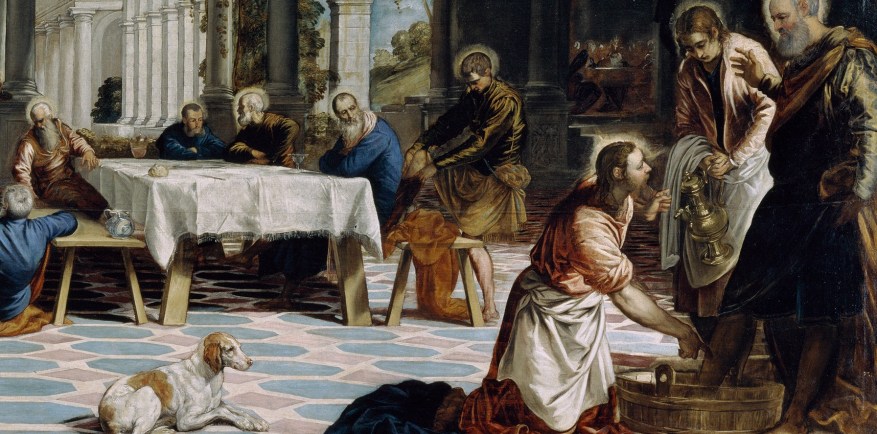
La Lavanda dei Piedi di Tintoretto: Il Capolavoro Veneziano al Prado
🇮🇹Tra i capolavori più affascinanti del Rinascimento veneziano, “La Lavanda dei Piedi” di Jacopo Tintoretto rappresenta un perfetto equilibrio tra spiritualità, innovazione compositiva e straordinaria forza narrativa… 🇬🇧Among the most fascinating masterpieces of the Venetian Renaissance, Jacopo Tintoretto’s “The Washing of the Feet” represents a perfect balance between spirituality, compositional innovation, and extraordinary narrative force…
-
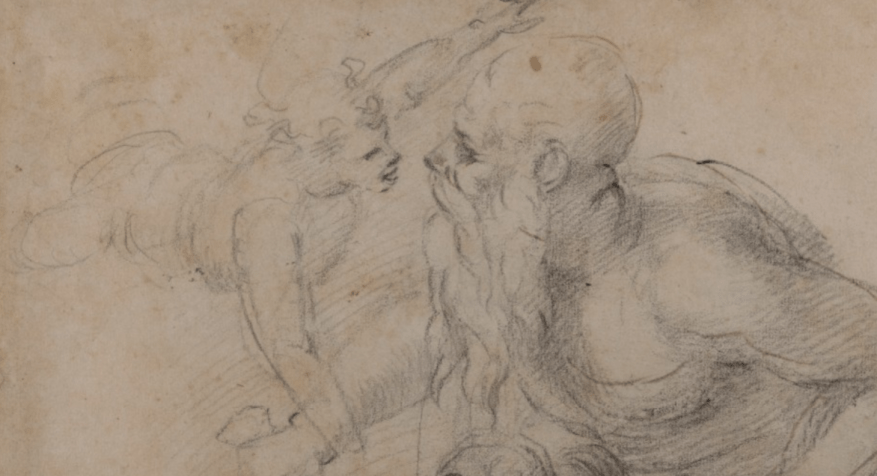
Il Sacrificio di Isacco e quel momento tra la vita e la morte
🇮🇹Oggi voglio raccontarvi alcuni dettagli sul mio disegno del Sacrificio di Isacco, conservato oggi a Casa Buonarroti. Su quel foglio volli tracciare il momento preciso in cui la paura fa spazio al miracolo… 🇬🇧Today I want to tell you some details about my drawing of the Sacrifice of Isaac, now preserved at Casa Buonarroti. On…
-
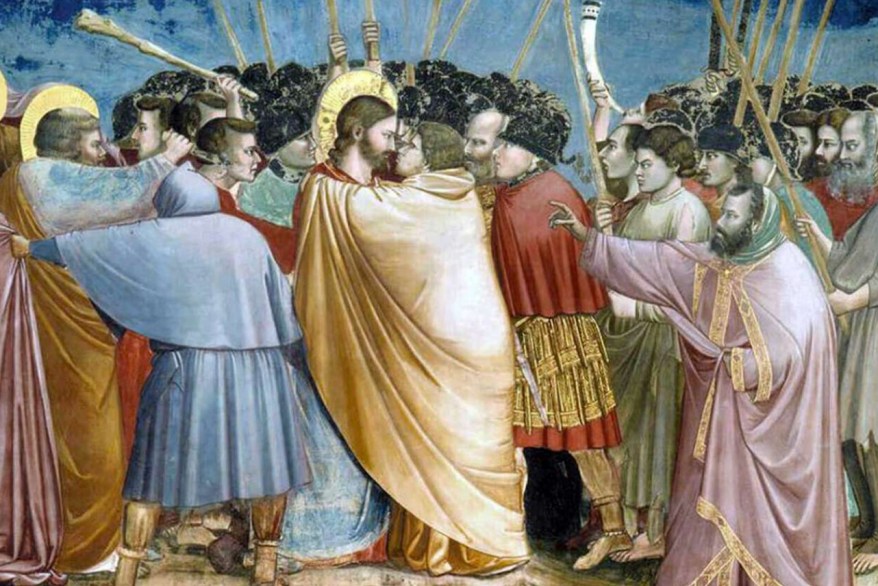
Mercoledì Santo: il giorno del tradimento di Giuda affrescato da Giotto
🇮🇹Il Mercoledì Santo è il giorno del silenzio, della riflessione e del tradimento. È il momento in cui Giuda sceglie di vendere Gesù per trenta denari, segnando uno dei passaggi più dolorosi della Settimana Santa…. 🇬🇧Holy Wednesday is a day of silence, reflection, and betrayal. ✝It is the moment when Judas chooses to sell Jesus…
Condividi:


Questo sono io





sostienici

Sostienici – Support Us
Se questo blog ti piace e ti appassiona, puoi aiutarci a farlo crescere sempre più sostenendoci in modo concreto condividendo i post, seguendo le pagine social e con un contributo che ci aiuta ad andare avanti con il nostro lavoro di divulgazione. . ENGLISH: If you like and are passionate about this blog, you can help us make it grow more and more by supporting us in a concrete way by sharing posts, following social pages and with a contribution that helps us to move forward with our dissemination work.
€10,00


