
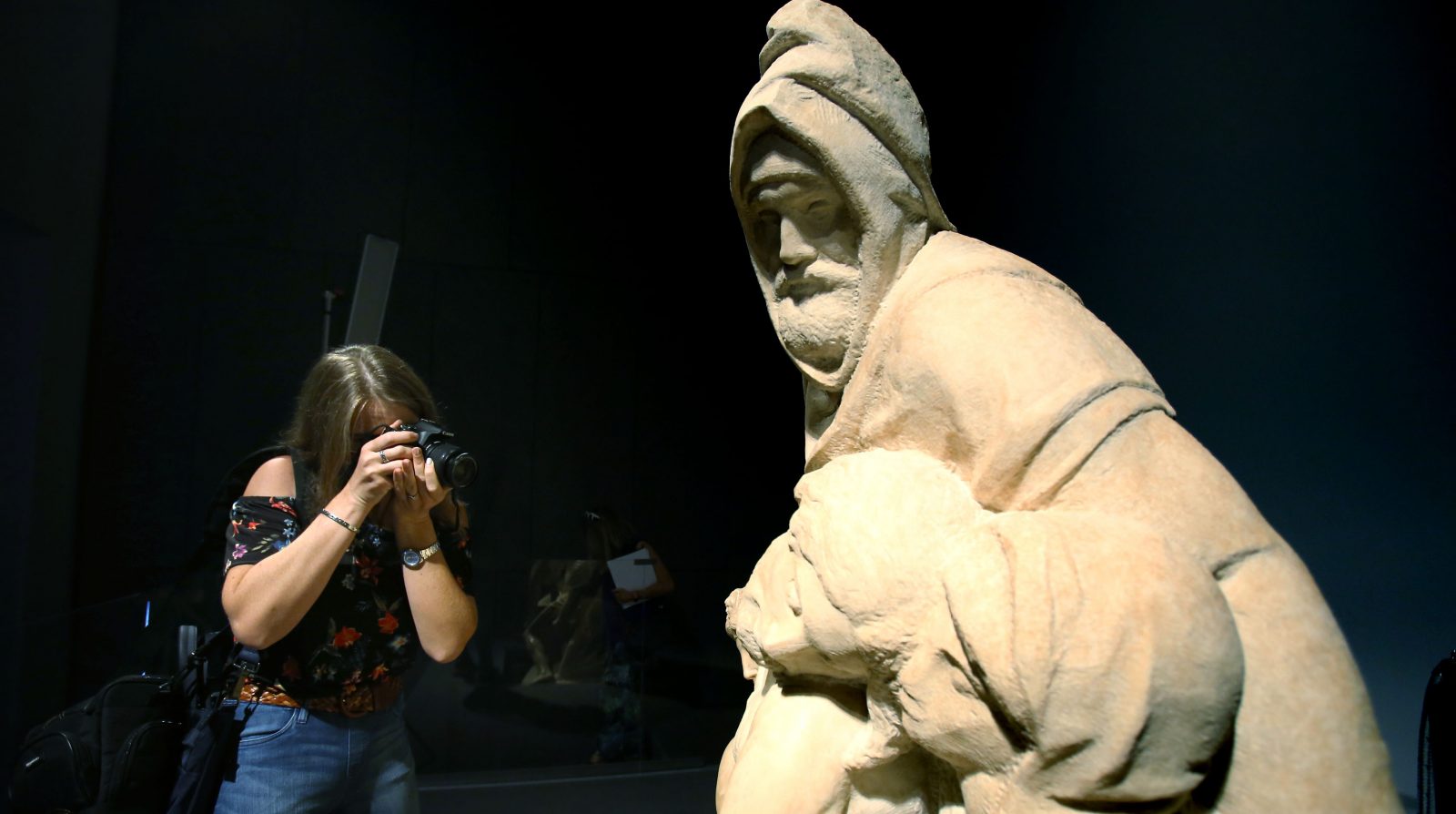
La Sibilla Cumana: la più anziana
La Sibilla Cumana è la veggente più anziana che volli affrescare nella volta della Cappella Sistina.
Era la sacerdotessa italica che svolgeva la sua attività oracolare in una grotta nota come l’Antro della Sibilla, vicino al Lago d’Averno. Lì trascriveva le sue visioni che rendeva poi difficili da interpretare.

Per dar corpo a quella figura mi ci vollero sette giornate di lavoro. Dopo aver trasferito il disegno del cartone sull’intonaco umido con la tecnica dello spolvero, iniziai a dipingerla.
Se osservate bene l’affresco ancora si notano i puntini di carbone che traspaiono al di sotto del colore, soprattutto sulla zona del volto.

La Sibilla Cumana mostra una potente muscolatura nonostante l’età avanzata. Il volto è concentrato nell’interpretare gli oracoli che ha scritto sul grande libro che ha una copertina verde-azzurrognola.
E’ una vecchia molto in là con gli anni ma caratterizzata da presenza scenica poderosa e piena di vigore.
In secondo piano compare un putto in piedi sopra il trono della veggente, con un libro rilegato in rosso sotto il braccio. Qualcuno come per esempio Pfeiffer, sostiene che i due giovani alle spalle della Cumana siano la personificazione della Memoria e dell’Intelletto che si abbandonano alla forza della volontà rappresentata dalla Sibilla.
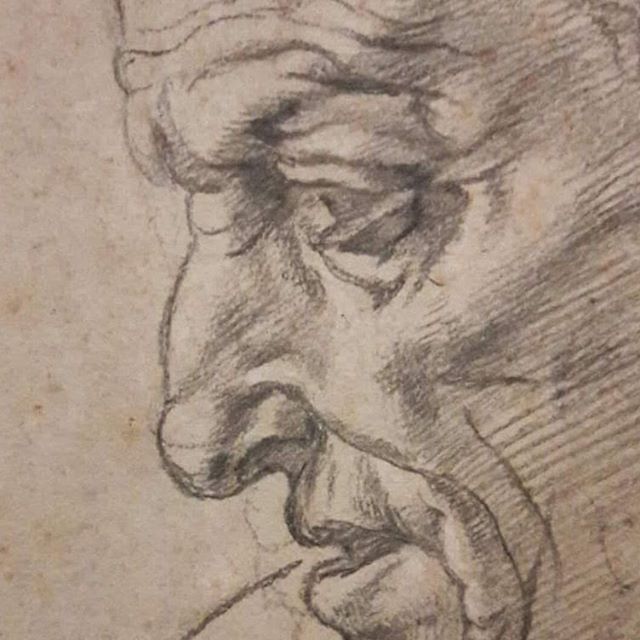
La figura è segnata da un movimento di torsione che un po’ caratterizza tutte le mie figure, sia scolpite che dipinte. La staticità dei personaggi non è mai stata una mia passione.
Anche Virgilio, nelle Bucoliche menziona la Sibilla Cumana quale annunciatrice della venuta di un bambino che riporterà il mondo all’età dell’oro. Questo oracolo fu poi reinterpretato da Sant’Agostino come la predizione della venuta di Cristo. Ecco perché la affrescai nella volta della Cappella Sistina.

Lei di fatto è un po’ la mediatrice fra il mondo pagano e quello cristiano e non è un caso se la misi proprio al centro del soffitto.
Guardate bene nella parte bassa del riquadro e noterete la presenza di una borsa contenente cartigli e un pugnale nel suo fodero. La sibilla Cumana predice eventi sanguinosi e con il pugnale volli sottolineare questa sua peculiarità.

Avete notato che le sibille e dei profeti non hanno tutti le stese dimensioni? Fateci caso: la loro grandezza aumenta mano a mano che si avvicinano alla parete del Giudizio Universale. Si tratta di un trucco prospettico che adoperai per ingannare l’occhi di chi entra nella Cappella Sistina.
Guardando i veggenti dall’ingresso si ha l’impressione che abbiano la stessa grandezza ma in realtà non è affatto così. Lungo i quaranta metri di volta le loro dimensioni si ingigantiscono: se la Cumana ha un’altezza di due metri e venticinque, Geremia fra i profeti più vicini all’altare, è alto quasi quattro metri.
Per il momento il vostro Michelangelo Buonarroti vi saluta dandovi appuntamento ai prossimi post e sui social.

The Sibilla Cumana: the oldest
The Sibilla Cumana is the oldest seer that I wanted to fresco in the vault of the Sistine Chapel.
She was the Italian priestess who carried out her oracular activity in a cave known as the Antro della Sibilla, near Lake Averno. She there she transcribed her visions of her which she then made difficult to interpret.
It took me seven days of work to give shape to that figure. After transferring the cartoon design onto the damp plaster using the dusting technique, I began to paint it.
If you look carefully at the fresco, you can still see the dots of charcoal that shine through under the colour, especially on the face area.
The Sibilla Cumana shows powerful muscles despite her advanced age. Her face is focused on interpreting the oracles she wrote on the big book that has a bluish-green cover.
She is an old woman who is very old but characterized by a powerful stage presence full of vigor.
In the background appears a putto standing above the throne of the seer, with a book bound in red under her arm. Someone like Pfeiffer, for example, claims that the two young men behind the Cumana are the personification of Memory and Intellect who abandon themselves to the strength of will represented by the Sibyl.
The figure is marked by a twisting movement that somewhat characterizes all my figures, both sculpted and painted. The static nature of characters has never been a passion of mine.
Even Virgil, in the Bucolics mentions the Sibilla Cumana as herald of the coming of a child who will bring the world back to the golden age. This oracle was later reinterpreted by St. Augustine as predicting the coming of Christ. That’s why I frescoed it in the vault of the Sistine Chapel.
She is in fact a bit of a mediator between the pagan and Christian worlds and it is no coincidence that I placed her right in the center of the ceiling.
Look closely at the bottom of the box and you will notice the presence of a bag containing scrolls and a dagger in her scabbard. The Cumaean sibyl predicts bloody events and with the dagger I wanted to underline this peculiarity.
Have you noticed that the sibyls and prophets are not all the same size? Pay attention: their size increases as they get closer to the wall of the Last Judgement. It is a perspective trick that I used to deceive the eyes of those entering the Sistine Chapel.
Looking at the visionaries from the entrance, one gets the impression that they have the same size but in reality it is not at all like that. Along the forty meters of vault their dimensions grow magnified: if the Cumana has a height of two meters and twenty-five, Jeremiah among the prophets closest to the altar, is almost four meters high.
For the moment, your Michelangelo Buonarroti greets you by making an appointment for the next posts and on social media.

Sostienici – Support Us
Se questo blog ti piace e ti appassiona, puoi aiutarci a farlo crescere sempre più sostenendoci in modo concreto condividendo i post, seguendo le pagine social e con un contributo che ci aiuta ad andare avanti con il nostro lavoro di divulgazione. . ENGLISH: If you like and are passionate about this blog, you can help us make it grow more and more by supporting us in a concrete way by sharing posts, following social pages and with a contribution that helps us to move forward with our dissemination work.
8,00 €
-
31 marzo 1889: inaugurata la Torre Eiffel tra critiche feroci e un destino inaspettato
🇮🇹Il 31 marzo 1889 segna una data destinata a cambiare per sempre il volto di Parigi e dell’immaginario collettivo globale: viene inaugurata la Torre Eiffel, l’opera più audace e discussa del suo tempo… 🇬🇧March 31, 1889 marks a date destined to change the face of Paris and the global collective imagination forever: the Eiffel Tower,…
-
Sodoma in mostra a Torino: il Rinascimento al Museo Accorsi-Ometto
🇮🇹Al Museo di Arti Decorative Accorsi-Ometto arriva una mostra dedicata al Sodoma: oltre 50 opere, alcune mai viste prima, raccontano la formazione dell’artista e il suo dialogo con maestri come Pinturicchio… 🇬🇧An exhibition dedicated to Sodoma arrives at the Accorsi-Ometto Museum of Decorative Arts: over 50 works, some never before seen, recount the artist’s development…
-
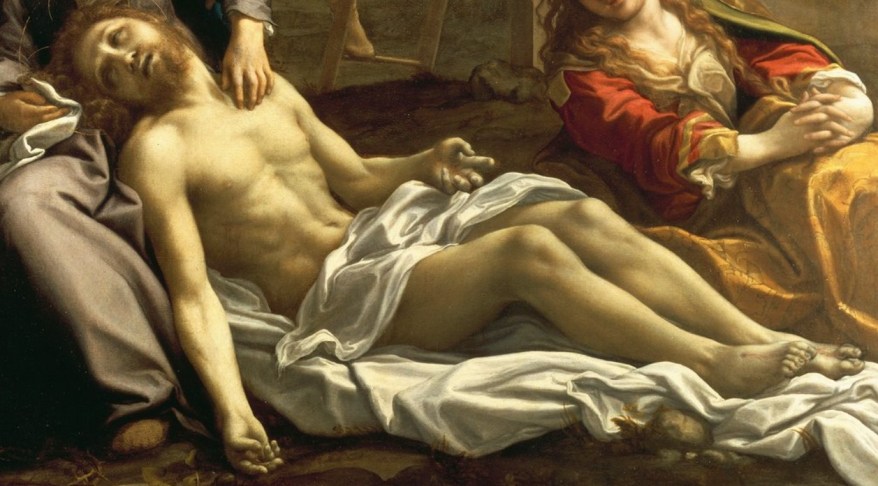
Il Compianto sul Cristo morto di Correggio: pathos e devozione
🇮🇹Con l’inizio della Settimana Santa, vi propongo il Compianto sul Cristo morto di Antonio Allegri, più noto come il Correggio: uno dei vertici assoluti della pittura emiliana del Cinquecento… 🇬🇧With the beginning of Holy Week, I propose the Lamentation over the Dead Christ by Antonio Allegri, better known as Correggio: one of the absolute peaks…
Condividi:


Questo sono io





sostienici

Sostienici – Support Us
Se questo blog ti piace e ti appassiona, puoi aiutarci a farlo crescere sempre più sostenendoci in modo concreto condividendo i post, seguendo le pagine social e con un contributo che ci aiuta ad andare avanti con il nostro lavoro di divulgazione. . ENGLISH: If you like and are passionate about this blog, you can help us make it grow more and more by supporting us in a concrete way by sharing posts, following social pages and with a contribution that helps us to move forward with our dissemination work.
€10,00


