
La Scultura del giorno: la Filatrice di Rudolf Schadow
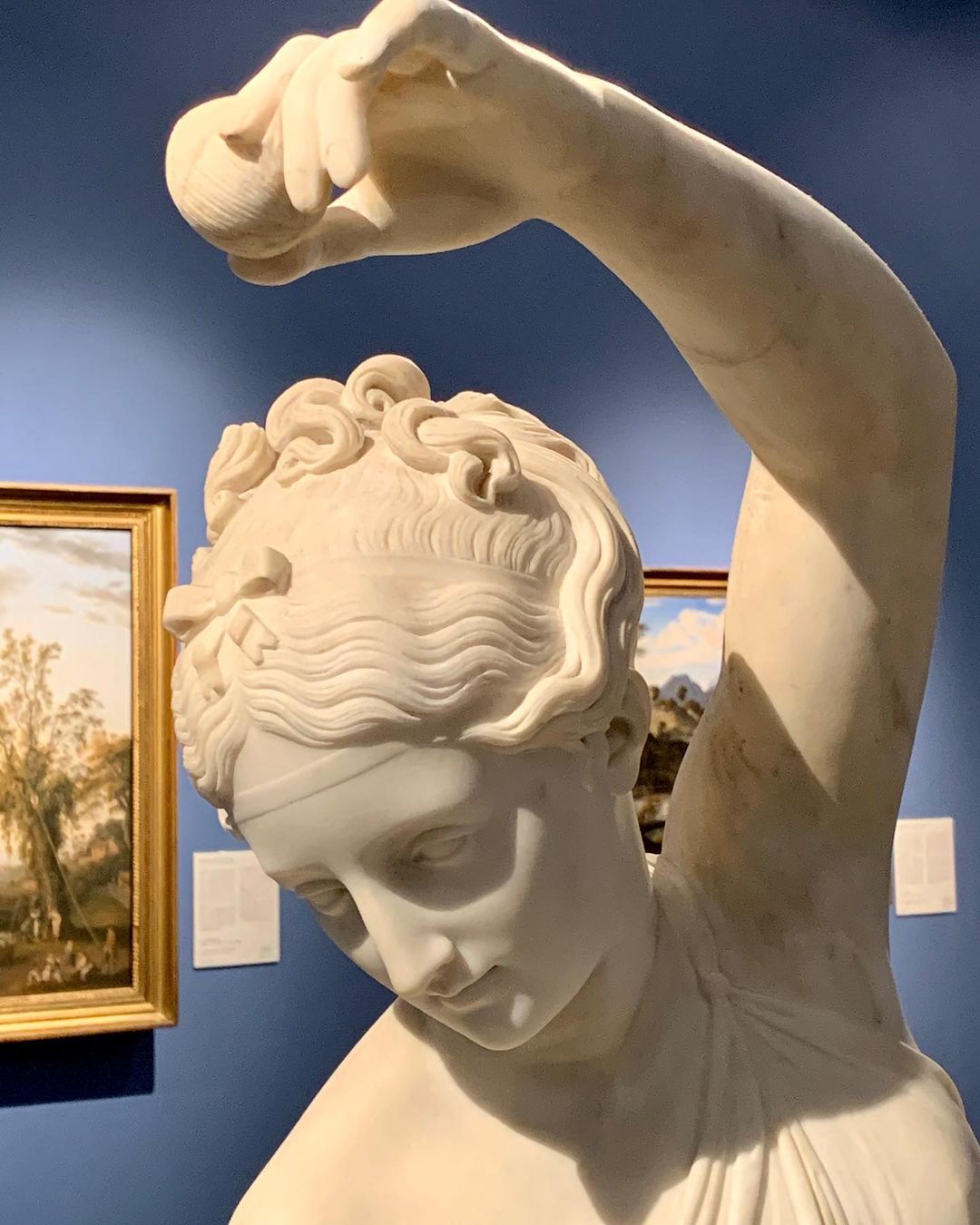
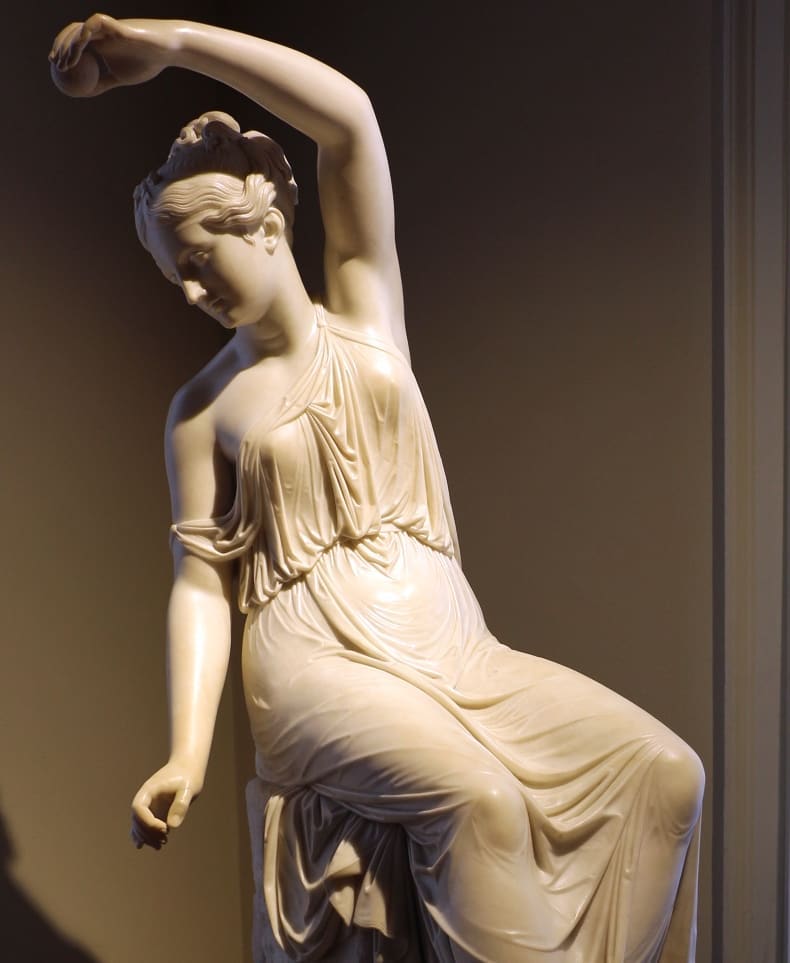
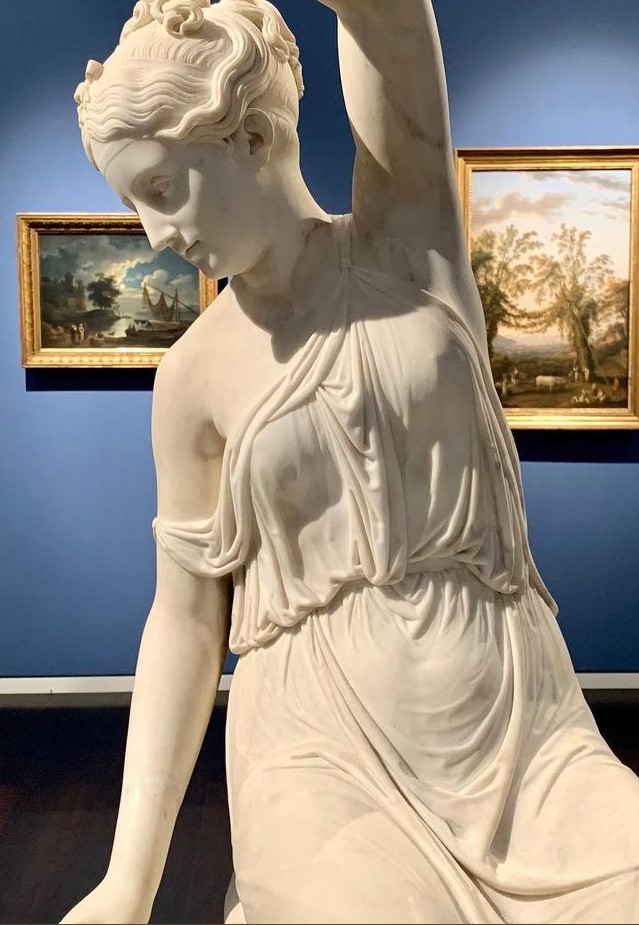
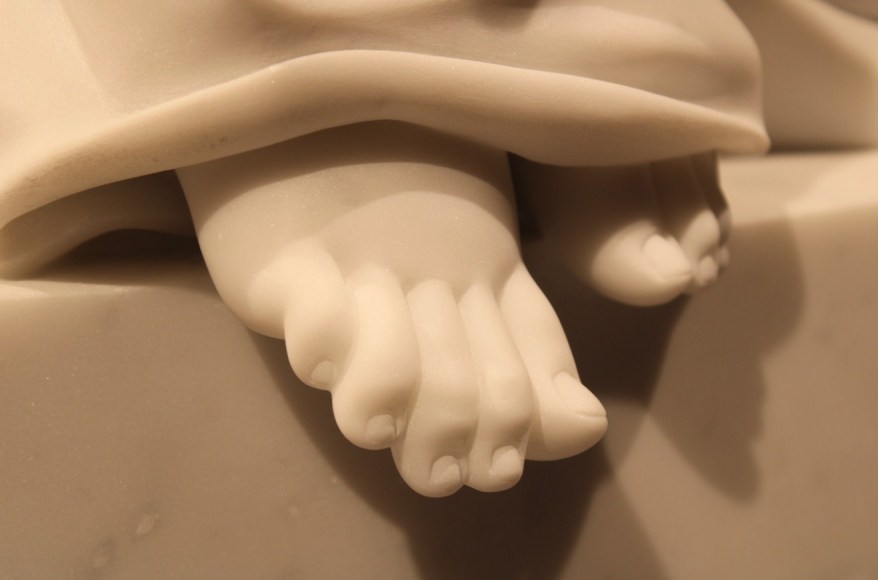
La scultura che vi propongo oggi è la Filatrice, scolpita da Rudolf Schadow nel 1819.
Rudolf Schadow nacque a Roma nel luglio del 1789 durante un soggiorno che i suoi genitori vollero fare nella città eterna. Era figlio dello scultore Johann Gottfried Schadow e anche i suoi fratelli nel corso degli anni sarebbero divenuti noti pittori del romanticismo tedesco.
Schadow fin da piccolo s’innamorò della scultura e volle studiare presso l’Accademia di Belle arti di Berlino fino a quando, nel 1812, si trasferì a Parigi dove riuscì a rintracciare il celeberrimo scultore danese Bertel Thorvaldsen.
L’artista strinse una forte amicizia con Thorvaldsen che divenne anche suo maestro. Lo introdusse in una cerchia di giovani talenti fra i quali Freund e John Gibson e con loro volle trasferirsi a Roma nel 1812 per andare a perfezionare gli studi presso Antonio Canova.
Grazie a una lettera di raccomandazione scritta dal padre e e poi sottoscritta da Canova e Thorvaldsen, Schadow riuscì ad essere ammesso all’Accademia di San Luca. Forte di un’accoglienza calorosa e di un ambiente stimolante, Schadow ottenne il suo primo successo di pubblico nel 1813 con il modello della ragazza dodicenne che si allaccia il sandalo.
Nel marzo 1816 si ha la prima citazione documentata della Filatrice. Nelle Memorie Enciclopediche del Guattini si lecce che un non specificato gentiluomo inglese commissionò la versione in marmo dell’opera.
Stando a quanto narrato dal padre di Shadow, lo scultore fu ispirato dalle giovani ragazze che a Roma in quel tempo attorcigliavano il filo con maesdtria. Probabilmente a fare da modella all’artista fu Elena Buti, la figlia della padrona di casa dove alloggiava che negli anni a venire sarebbe divenuta la sua fidanzata.
Nella primavera del 1819, Rudolph Schadow in più occasioni scrive di essere molto soddisfatto dei progressi fatti come artista con la Filatrice, terminata il 30 marzo.
L’artista mostrò per la prima volta l’opera al pubblico durante la prestigiosa mostra per artisti tedeschi espatriati che fu stata allestita a Roma durante la visita dell’imperatore Francesco I.
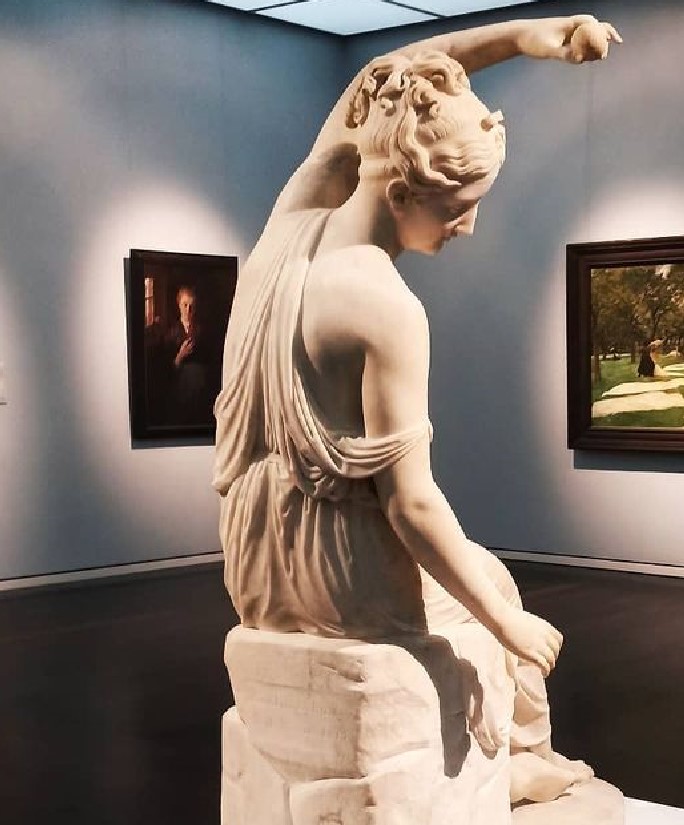
Di questa opera di Rudolf Schadow ne esistono diverse versioni commissionate all’artista e una potete andare a vederla da vicino alla Galleria di Arte Moderna a Milano.
Per il momento il vostro Michelangelo Buonarroti vi saluta dandovi appuntamento ai prossimi post e sui social.
Sculpture of the day: Spinner by Rudolf Schadow
The sculpture that I propose to you today is the Spinner, sculpted by Rudolf Schadow in 1819.
Rudolf Schadow was born in Rome in July 1789 during a stay that his parents wanted to make in the eternal city. He was the son of the sculptor Johann Gottfried Schadow and over the years his brothers would also become well-known painters of German romanticism.
Schadow fell in love with sculpture from an early age and wanted to study at the Academy of Fine Arts in Berlin until, in 1812, he moved to Paris where he managed to track down the famous Danish sculptor Bertel Thorvaldsen.
The artist formed a strong friendship with Thorvaldsen who also became his teacher. He introduced him to a circle of young talents including Freund and John Gibson and with them he wanted to move to Rome in 1812 to go and perfect his studies with Antonio Canova.
Thanks to a letter of recommendation written by his father and then signed by Canova and Thorvaldsen, Schadow managed to be admitted to the Accademia di San Luca. Armed with a warm welcome and a stimulating environment, Schadow achieved his first public success in 1813 with the model of the twelve-year-old girl tying her sandal.
In March 1816 we have the first documented mention of the spinner. In Guattini’s Memorie Enciclopediche it is mentioned that an unspecified English gentleman commissioned the marble version of the work.
According to what was narrated by Shadow’s father, the sculptor was inspired by the young girls who twisted the thread in Rome at that time. Probably the artist’s model was Elena Buti, the daughter of the landlady where she was staying, who in the years to come would become her girlfriend.
In the spring of 1819, Rudolph Schadow wrote on several occasions that he was very satisfied with the progress made as an artist with the Spinner, finished on March 30th.
The artist showed the work to the public for the first time during the prestigious exhibition for German expatriate artists which was staged in Rome during the visit of Emperor Francis I.
There are several versions of this work by Rudolf Schadow commissioned from the artist and you can go and see one up close at the Galleria di Arte Moderna in Milan.
For the moment, your Michelangelo Buonarroti greets you by making an appointment for the next posts and on social media.

Sostienici – Support Us
Se questo blog ti piace e ti appassiona, puoi aiutarci a farlo crescere sempre più sostenendoci in modo concreto condividendo i post, seguendo le pagine social e con un contributo che ci aiuta ad andare avanti con il nostro lavoro di divulgazione. . ENGLISH: If you like and are passionate about this blog, you can help us make it grow more and more by supporting us in a concrete way by sharing posts, following social pages and with a contribution that helps us to move forward with our dissemination work.
8,00 €
-
6 aprile 1520: la morte di Raffaello Sanzio e la nascita di un mito immortale
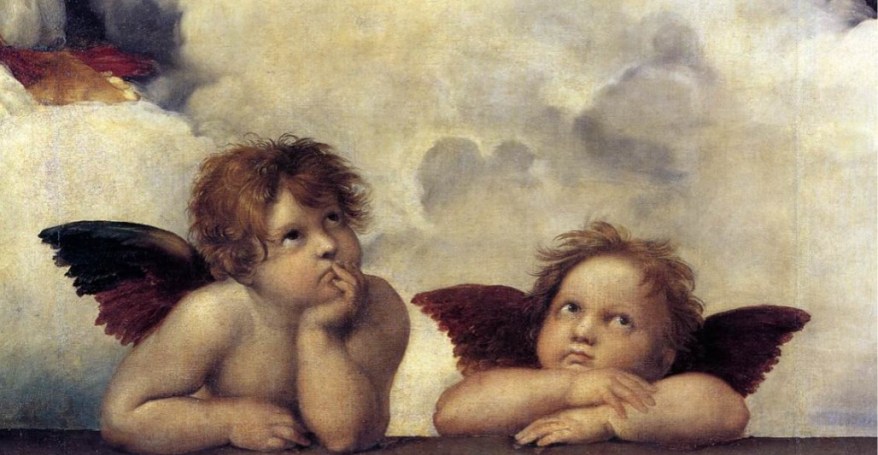
🇮🇹“Qui giace Raffaello: da lui, quando visse, la natura temette d’essere vinta, ora che egli è morto, teme di morire”. Il 6 aprile 1520 Raffaello morì a soli 37 anni… 🇬🇧“Here lies Raphael: when he lived, nature feared to be conquered by him, now that he is dead, she fears to die.” On April 6,…
-
Pasquetta, tra spiritualità e arte: il significato del Lunedì dell’Angelo e i capolavori del “Noli me tangere”
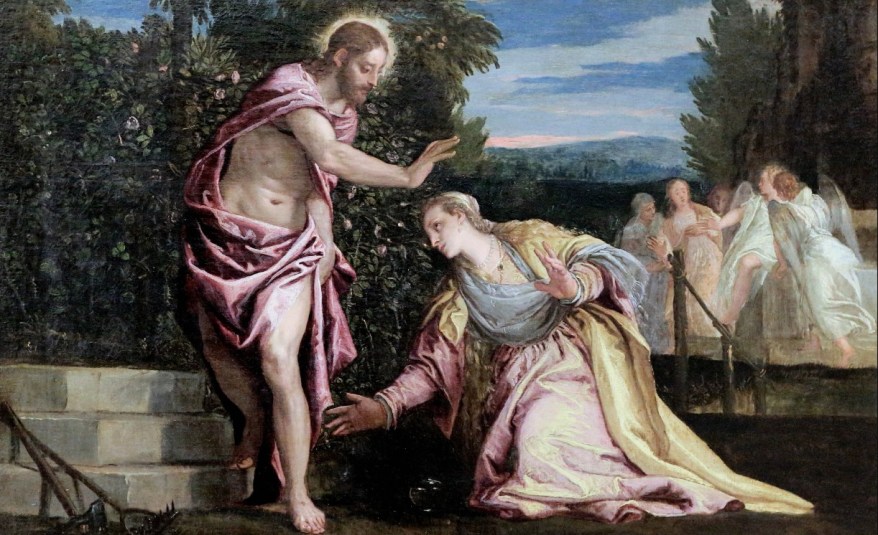
🇮🇹Il Lunedì dell’Angelo racchiude uno dei momenti più intensi del Vangelo: l’incontro tra Gesù risorto e Maria Maddalena, raccontato nel celebre “Noli me tangere”. Un episodio che nei secoli ha ispirato artisti straordinari, dando vita a opere cariche di emozione, spiritualità e bellezza. .. 🇬🇧Easter Monday encompasses one of the most intense moments in the…
-
La Pietà di Tincolini: a Pontedera l’arte torna a fare domande scomode
🇮🇹“Pietà”, la scultura di Filippo Tincolini, insieme alle parole di Federico Quaranta e Andrea Pezzi, non è stato solo uno spettacolo. È stata una domanda lanciata in faccia al pubblico, impossibile da evitare: siamo ancora capaci di provare pietà? 🇬🇧 “Pietà,” Filippo Tincolini’s sculpture, along with the words of Federico Quaranta and Andrea Pezzi, wasn’t…
Condividi:


Questo sono io





sostienici

Sostienici – Support Us
Se questo blog ti piace e ti appassiona, puoi aiutarci a farlo crescere sempre più sostenendoci in modo concreto condividendo i post, seguendo le pagine social e con un contributo che ci aiuta ad andare avanti con il nostro lavoro di divulgazione. . ENGLISH: If you like and are passionate about this blog, you can help us make it grow more and more by supporting us in a concrete way by sharing posts, following social pages and with a contribution that helps us to move forward with our dissemination work.
€10,00


