

Ecco quando misi mano alla Madonna di Bruges
La data di inizio dei lavori per la Madonna di Bruges è compresa sicuramente fra il 1501 e il 1504 ma scartabellando un po’ di documenti è possibile fare un po’ più di chiarezza per restringere l’arco di tempo in cui misi mano a quel capolavoro che volentieri Napoleone avrebbe esposto al Louvre.
Dai libri contabili di Baldassare e Giovanni Balducci, i due banchieri fiorentini con sede a Roma che ebbero modo di gestire sia le mie risorse economiche che quelle dei Musucron committenti dell’opera, riportano due pagamenti separati effettuati a me da parte dei mecenati tra la fine del 1503 e il 1504.

E’ dunque assai probabile che cominciai a scolpire il marmo candido che m’ero procurato a Carrara proprio in quel periodo.
Il primo pagamento risale al 2 dicembre del 1503 e di fatto è la prima interazione documentata che esista fra me e i Mousucron. In quell’occasione mi versarono su conto 50 ducati per una scultura. Fu la prima quota che mi pagarono per la Madonna col Bambino.

Nell’ottobre dell’anno successivo, nel 1504, nel banco del Balducci compare un secondo pagamento effettuato dai Mousucron a mio vantaggio dello stesso importo.
Quello era il momento in cui ero impegnato anche nel realizzare gli studi per la Battaglia di Cascina. Sul retto di un foglio appartenente al British Museum, è visibile un mio studio di una Madonna Con Bambino a inchiostro che mostra in modo netto Gesù Bambino nella stessa posizione in cui poi gli farà assumere nella scultura

Sullo stesso foglio sono presenti anche studi per i nudi della Battaglia di Cascina. Ebbene, probabilmente il primo pagamento registrato non fu altro che un acconto atto a coprire i costi di estrazione del marmo e il suo trasporto via mare e poi via Arno fino a Firenze.
Per il momento il vostro Michelangelo Buonarroti vi saluta dandovi appuntamento ai prossimi post e sui social.

That’s when I put my hand to the Madonna of Bruges
The starting date of the works for the Madonna of Bruges is certainly between 1501 and 1504 but by leafing through a few documents it is possible to shed a little more clarity to narrow down the time frame in which I put my hand to that masterpiece which Napoleon would gladly have exhibited in the Louvre.
From the accounting books of Baldassare and Giovanni Balducci, the two Florentine bankers based in Rome who were able to manage both my economic resources and those of the Musucron who commissioned the work, report two separate payments made to me by the patrons between the end of 1503 and 1504.
It is therefore very probable that I began to sculpt the white marble that I had procured in Carrara precisely in that period.
The first payment dates back to December 2, 1503 and is in fact the first documented interaction that exists between me and the Musucrons. On that occasion they paid me 50 ducats for a sculpture. That was probably the first fee they paid me for the Madonna and Child.
In October of the following year, in 1504, a second payment made by the Mousucrons to my advantage for the same amount appeared in Balducci’s bank.
That was the moment in which I was also engaged in carrying out the studies for the Battaglia di Cascina On the obverse of a sheet belonging to the British Museum, my study of an ink Madonna with Child is visible which clearly shows the Child Jesus in the same position in which he will then have them hired in sculpture
On the same sheet there are also studies for the nudes of the Battle of Cascina. Well, probably the first recorded payment was nothing more than an advance to cover the costs of extracting the marble and its transport by sea and then via the Arno up to Florence.
For the moment, your Michelangelo Buonarroti greets you by making an appointment for the next posts and on social media.

Sostienici – Support Us
Se questo blog ti piace e ti appassiona, puoi aiutarci a farlo crescere sempre più sostenendoci in modo concreto condividendo i post, seguendo le pagine social e con un contributo che ci aiuta ad andare avanti con il nostro lavoro di divulgazione. . ENGLISH: If you like and are passionate about this blog, you can help us make it grow more and more by supporting us in a concrete way by sharing posts, following social pages and with a contribution that helps us to move forward with our dissemination work.
10,00 €
-
Festival La Versiliana 2026: tra musica, teatro e grandi narrazioni
Dal 17 luglio al 23 agosto 2026, la pineta di Marina di Pietrasanta ospiterà la 47ª edizione del Festival La Versiliana. Una kermesse aperta a tutti nella quale linguaggi diversi dialogano tra loro in un equilibrio tra tradizione e contemporaneità.
-
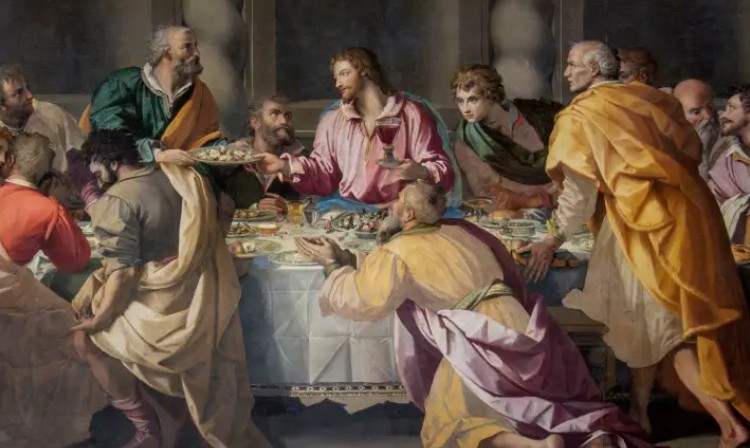
Giovedì Santo: l’Ultima Cena di Allori che pochi conoscono a Firenze
🇮🇹Nel cuore di Museo di Santa Maria Novella, a Firenze, si conserva una delle interpretazioni più affascinanti e meno note dell’Ultima Cena: quella realizzata da Alessandro Allori nel 1584… 🇬🇧In the heart of the Santa Maria Novella Museum in Florence, one of the most fascinating and least-known interpretations of the Last Supper is preserved: the…
-
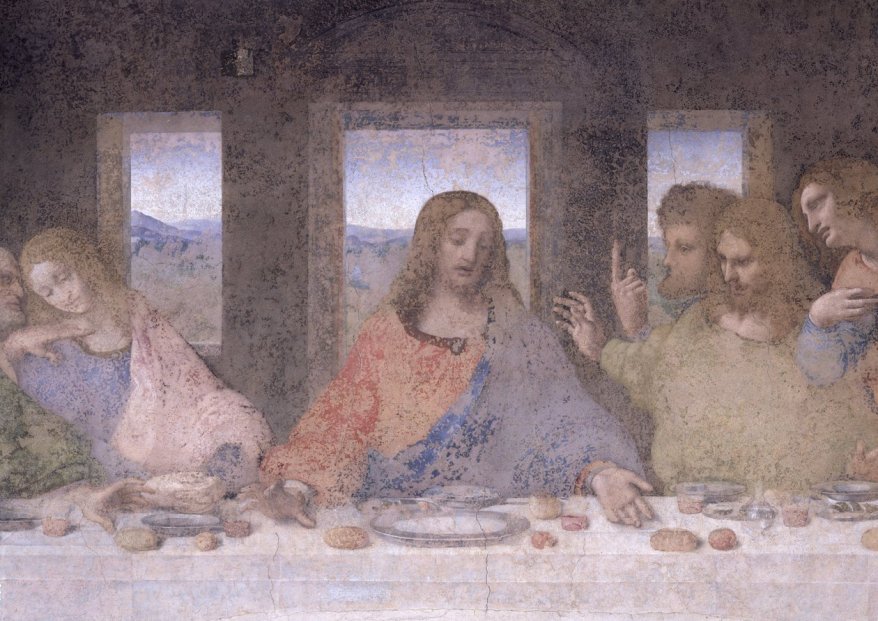
Cenacolo di Leonardo: i dettagli che raccontano il tradimento
🇮🇹Nel Cenacolo di Leonardo da Vinci, custodito a Santa Maria delle Grazie, Cristo annuncia il tradimento e il tempo si ferma… 🇬🇧In Leonardo da Vinci’s Last Supper, housed in Santa Maria delle Grazie, Christ announces the betrayal and time stands still…
Condividi:


Questo sono io





sostienici

Sostienici – Support Us
Se questo blog ti piace e ti appassiona, puoi aiutarci a farlo crescere sempre più sostenendoci in modo concreto condividendo i post, seguendo le pagine social e con un contributo che ci aiuta ad andare avanti con il nostro lavoro di divulgazione. . ENGLISH: If you like and are passionate about this blog, you can help us make it grow more and more by supporting us in a concrete way by sharing posts, following social pages and with a contribution that helps us to move forward with our dissemination work.
€10,00


