

La Scultura del giorno: Ruth di Pasquale Romanelli
La scultura del giorno che vi propongo oggi è Ruth di Pasquale Romanelli, realizzata dall’artista a metà Ottocento.
Ruth era un soggetto biblico che divenne in pochi anni assai popolare fra gli scultori ottocenteschi che lavoravano in Italia. Basta pensare ala Ruth scolpita da Giovanni Battista Lombardi o a quella di Randolph Rogers, realizzata in Italia e poi acquistata dal Metropolitan Museum of Art di New York.
Il primo a proporre Ruth nella veste di spigolatrice fu proprio il Romanelli che presentò l’opera al Salone di Parigi nel 1851.

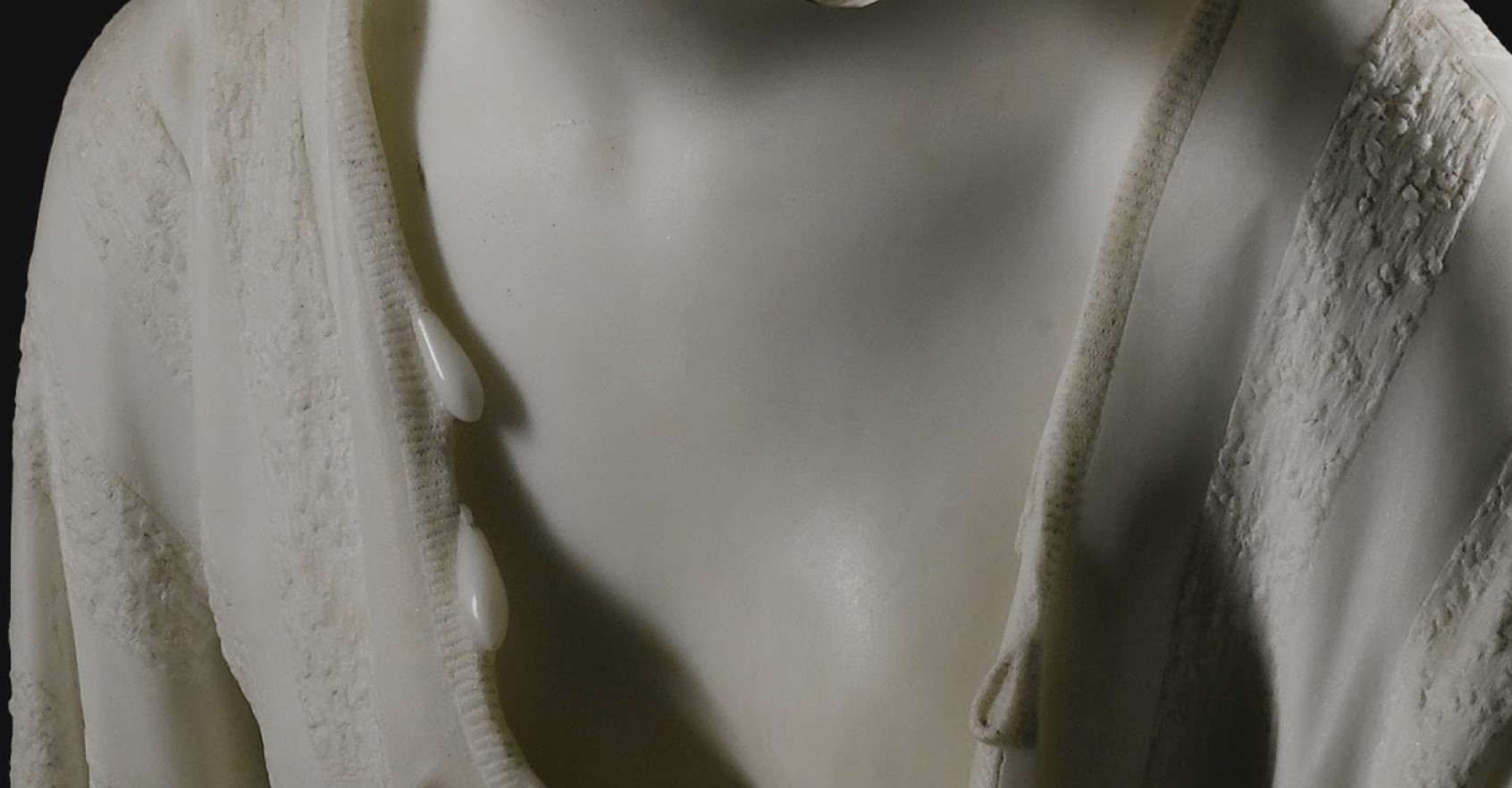
L’artista riuscì a cogliere tutta la modestia del personaggio nell’aspetto complessivo e nell’espressione del volto. Raffigurò la donna abbigliata in abiti dell’epoca riprodotti in modo fedele. Inginocchiata continua il suo lavoro di spigolatrice raccogliendo con una mano il grano mentre con l’altra tiene le spighe
Nonostante il lavoro faticoso che sta svolgendo, si percepisce nello sguardo un accenno della sua romantica relazione con Boaz. Pare stia guardando proprio lui senza smette di spigolare.

Pasquale Romanelli lavorò il marmo con estrema attenzione ai dettagli con una resa realistica impeccabile che spazia dalle spighe di grano, ai capelli intrecciati di Ruth fino alla resa del tessuto con cui è stato confezionato il copricapo.
Ma chi era Ruth?
La storia di questa eroina viene narrata nell’Antico Testamento e precisamente nell’omonimo Libro di Ruth. Era una morabita sposata con Mahalon, israeliano. A seguito alla morte della maggior parte dei membri della famiglia, compreso il marito, la giovane vedova non si perse d’animo e coraggiosamente partì alla volta di Betlemme con la suocera Noemi.
Divenne una laboriosa spigolatrice nel campo di Boaz. Non passò molto tempo che Ruth si sposò proprio con Boaz e dal loro matrimonio nacque Obed, nonno dei futuro re David.
Pasquale Romanelli nacque a Firenze il 28 marzo del 1812 e a quindici anni entrò a bottega presso lo studio di Luigi Pampaloni. Non passò molto tempo prima che si trasferisse presso il laboratorio di Bartolini in Borgo San Frediano.
Il Bartolini che aveva intuito il talento del ragazzo, gli consigliò vivamente di iscriversi a un corso di scultura presso l’Accademia di Belle Arti di Firenze.

Romanelli ebbe una carriera in continua ascesa e la sua reputazione internazionale divenne importante per le figure mitologiche e bibliche minuziosamente scolpite nel marmo.
Quando il Bartolini morì nel 1850, ne divenne il suo successore in bottega.
Per il momento il vostro Michelangelo Buonarroti vi saluta dandovi appuntamento ai prossimi post e sui social.
Sculpture of the day: Ruth by Pasquale Romanelli
The sculpture of the day that I propose to you today is Ruth by Pasquale Romanelli, created by the artist in the mid-nineteenth century.
Ruth was a biblical subject that in a few years became very popular among nineteenth-century sculptors working in Italy. Just think of the Ruth sculpted by Giovanni Battista Lombardi or that of Randolph Rogers made in Italy and then purchased by the Metropolitan Museum of Art in New York.
The first to propose Ruth as a gleaner was Romanelli who presented the work at the Paris Salon in 1851.
The artist managed to capture all the modesty of the character in the overall appearance and expression of her face. He depicted the woman dressed in faithfully reproduced period clothes. She kneels and continues her work as a gleaner, gathering the grain with one hand while she holds the ears with the other.
Despite the strenuous work she is doing, there is a hint of her romantic relationship with Boaz in her eyes. She seems to be looking right at him without ceasing to glean.
Pasquale Romanelli worked the marble with extreme attention to detail with an impeccable realistic rendering that ranges from the ears of wheat, to Ruth’s braided hair up to the rendering of the fabric with which the headdress was made.
But who was Ruth?
The story of this heroine is narrated in the Old Testament and precisely in the homonymous Book of Ruth. She was a Morabite married to Mahalon, an Israeli. Following the death of most of the family members, including her husband, the young widow did not lose heart and courageously left for Bethlehem with her mother-in-law Noemi.
She became an industrious gleaner in Boaz’s camp. It wasn’t long before Ruth married Boaz and Obed, grandfather of the future King David, was born from their marriage.
Pasquale Romanelli was born in Florence on 28 March 1812 and at the age of fifteen he entered the workshop in the studio of Luigi Pampaloni. It wasn’t long before he moved to Bartolini’s workshop in Borgo San Frediano.
Bartolini, who had sensed the boy’s talent, strongly advised him to enroll in a sculpture course at the Academy of Fine Arts in Florence.
Romanelli had an ever-rising career and his international reputation became important for the meticulously carved mythological and biblical figures in marble.
When Bartolini died in 1850, he became his successor in the workshop.
For the moment, your Michelangelo Buonarroti greets you by making an appointment for the next posts and on social media.

Sostienici – Support Us
Se questo blog ti piace e ti appassiona, puoi aiutarci a farlo crescere sempre più sostenendoci in modo concreto condividendo i post, seguendo le pagine social e con un contributo che ci aiuta ad andare avanti con il nostro lavoro di divulgazione. . ENGLISH: If you like and are passionate about this blog, you can help us make it grow more and more by supporting us in a concrete way by sharing posts, following social pages and with a contribution that helps us to move forward with our dissemination work.
8,00 €
-
La Deposizione del Pontormo: il capolavoro dell’artista
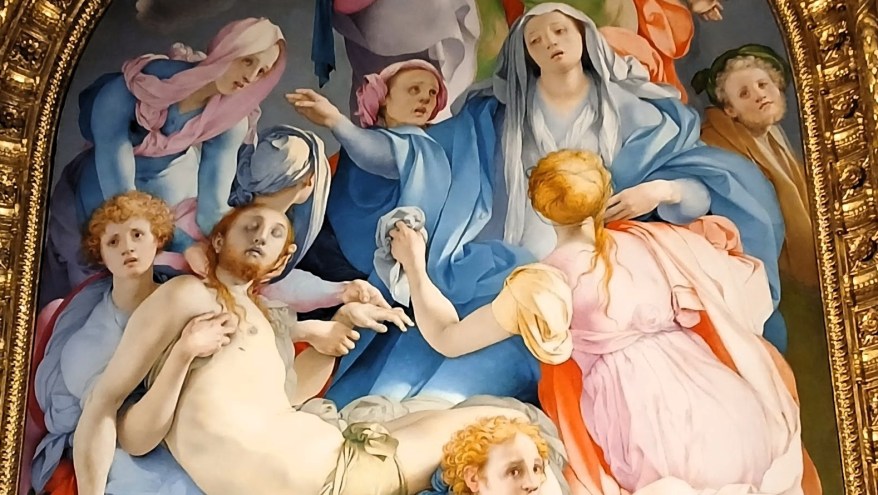
🇮🇹Ti coinvolge. Ti mette a disagio. Ti costringe a sentire. E’ la Deposizione dalla Croce, dipinta da Jacopo Pontormo tra il 1525 e il 1528 per la Cappella Capponi… 🇬🇧It draws you in. It makes you uncomfortable. It forces you to feel. It’s the Deposition from the Cross, painted by Jacopo Pontormo between 1525 and…
-
Non chiamatelo Braghettone: il 4 aprile del 1566 muore Daniele da Volterra, l’artista che salvò il Giudizio Universale
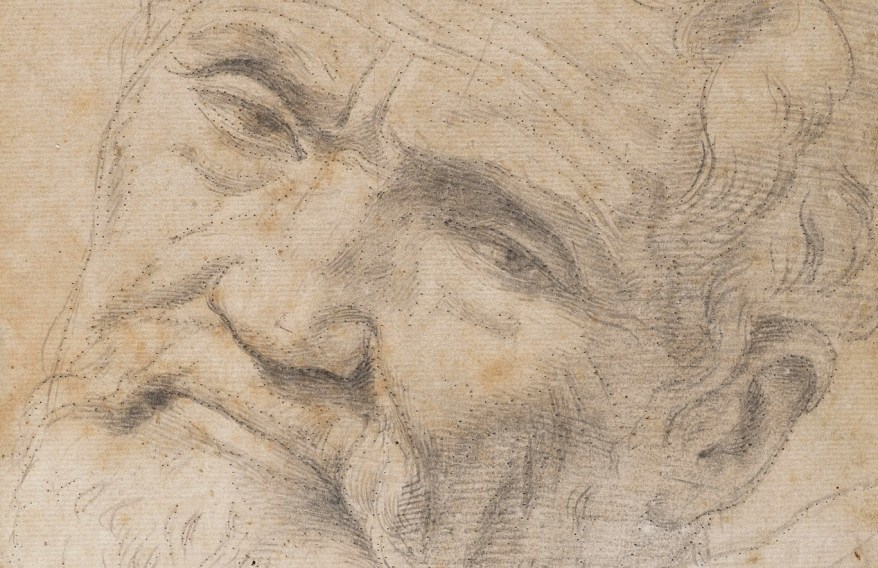
🇮🇹Braghettone? No, molto di più. Il 4 aprile 1566 moriva Daniele da Volterra, il mio allievo più fedele, l’uomo che mi rimase accanto fino all’ultimo respiro e che salvò il mio Giudizio Universale dalla distruzione… 🇬🇧Braghettone? No, much more. On April 4, 1566, Daniele da Volterra died, my most faithful student, the man who remained…
-
Venerdì Santo: gli “Ecce Homo” più intensi della storia dell’arte
🇮🇹Ecce Homo. Da Antonello da Messina a Tintoretto, fino al sorprendente capolavoro di Antonio Ciseri, questo soggetto ha attraversato i secoli raccontando dolore, umanità e coscienza… 🇬🇧Ecce Homo. From Antonello da Messina to Tintoretto, to Antonio Ciseri’s astonishing masterpiece, this subject has spanned the centuries, recounting pain, humanity, and conscience…
Condividi:


Questo sono io





sostienici

Sostienici – Support Us
Se questo blog ti piace e ti appassiona, puoi aiutarci a farlo crescere sempre più sostenendoci in modo concreto condividendo i post, seguendo le pagine social e con un contributo che ci aiuta ad andare avanti con il nostro lavoro di divulgazione. . ENGLISH: If you like and are passionate about this blog, you can help us make it grow more and more by supporting us in a concrete way by sharing posts, following social pages and with a contribution that helps us to move forward with our dissemination work.
€10,00


1 commento »