

La Scultura del giorno: la Speranza di Paul Lemoyne
La scultura del giorno che vi propongo oggi è la personificazione della Speranza, realizzata nel 1826 dallo scultore francese Paul Lemoyne.
L’opera fu progettata e scolpita da Lemoyne a Roma per essere presentata al salone di Parigi del 1827.
La Speranza tanto piacque ai visitatori che il Ministero della casa del Re l’acquistò il 3 giugno del 1828 per portarla in Francia e collocarla nel Museo del Louvre.

L’allegoria della Speranza è pensata da Lemoyne come una giovane donna dall’aspetto pensieroso. Ha il capo coronato da una ghirlanda e un panneggio che le avvolge il corpo dalla vita in giù.
La donna appoggia le mani e il capo al di sopra del fuso di un’ancora, l’ancora della speranza alla quale bisogna sempre rimanere aggrappati pare volerci dire lo scultore.
La marra dell’ancora è appoggiata sopra la stessa roccia su cui siede la donna.

Paul Lemoyne era nato a Parigi il 6 luglio del 1784. Figlio di un talentuoso orafo, studiò scultura presso la Scuola di Belle Arti di Parigi e conquistò nel 1808 il Gran Prix de Roma con il Dedalo che mette le ali al figlio Icaro.
Fece il suo promo debutto al Salone di Parigi nel 1814 e qualche anno dopo, nel 1817, conquistò la sua prima medaglia d’oro.
Dopo un primo soggiorno romano, qualche anno dopo, attorno al 1837, decise di fermarsi nella città eterna divenendo professore di scultura e corrispondente del Regio Istituto di Francia.

L’artista firmò la scultura Speranza sulla roccia sulla destra con la dicitura “LEMOYNE / Rome 1826”.
Tanto era noto ai suoi tempi questo raffinato scultore neoclassico che anche Ingrés volle immortalarlo in un prezioso ritratto, oggi appartenente al Museo d’arte Nelson-Atkins di Kansas City.
Per il momento il vostro Michelangelo Buonarroti vi saluta dandovi appuntamento ai prossimi post e sui social.
Sculpture of the day: Hope by Paul Lemoyne
The sculpture of the day that I propose to you today is the personification of Hope, created in 1826 by the French sculptor Paul Lemoyne.
The work was designed and sculpted by Lemoyne in Rome to be presented at the Paris salon in 1827.
Visitors liked Hope so much that the Ministry of the King’s House bought it on June 3, 1828 to take it to France and place it in the Louvre Museum.
The allegory of Hope is conceived by Lemoyne as a young woman with a thoughtful appearance. She has a wreath on her head and drapery that wraps around her body from the waist down.
The woman rests her hands and head above the spindle of an anchor, the anchor of hope to which we must always cling, the sculptor seems to want to tell us.
The marra of the anchor rests on the same rock on which the woman sits.
Paul Lemoyne was born in Paris on July 6, 1784. The son of a talented goldsmith, he studied sculpture at the Paris School of Fine Arts and won the Gran Prix de Rome in 1808 with the Daedalus giving wings to his son Icarus.
He made his first debut at the Paris Salon in 1814 and a few years later, in 1817, won his first gold medal.
After an initial stay in Rome, a few years later, around 1837, he decided to stay in the Eternal City, becoming a professor of sculpture and correspondent of the Royal Institute of France.
The artist signed the sculpture Speranza on the rock on the right with the words “LEMOYNE / Rome 1826”.
This refined neoclassical sculptor was so well known in his time that even Ingrés wanted to immortalize him in a precious portrait, now belonging to the Nelson-Atkins Museum of Art in Kansas City.
For the moment, your Michelangelo Buonarroti greets you by making an appointment for the next posts and on social media.

Sostienici – Support Us
Se questo blog ti piace e ti appassiona, puoi aiutarci a farlo crescere sempre più sostenendoci in modo concreto condividendo i post, seguendo le pagine social e con un contributo che ci aiuta ad andare avanti con il nostro lavoro di divulgazione. . ENGLISH: If you like and are passionate about this blog, you can help us make it grow more and more by supporting us in a concrete way by sharing posts, following social pages and with a contribution that helps us to move forward with our dissemination work.
8,00 €
-
Festival La Versiliana 2026: tra musica, teatro e grandi narrazioni
Dal 17 luglio al 23 agosto 2026, la pineta di Marina di Pietrasanta ospiterà la 47ª edizione del Festival La Versiliana. Una kermesse aperta a tutti nella quale linguaggi diversi dialogano tra loro in un equilibrio tra tradizione e contemporaneità.
-
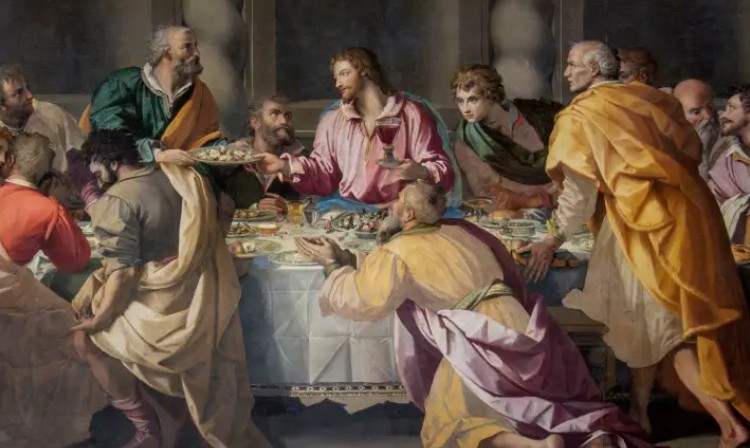
Giovedì Santo: l’Ultima Cena di Allori che pochi conoscono a Firenze
🇮🇹Nel cuore di Museo di Santa Maria Novella, a Firenze, si conserva una delle interpretazioni più affascinanti e meno note dell’Ultima Cena: quella realizzata da Alessandro Allori nel 1584… 🇬🇧In the heart of the Santa Maria Novella Museum in Florence, one of the most fascinating and least-known interpretations of the Last Supper is preserved: the…
-
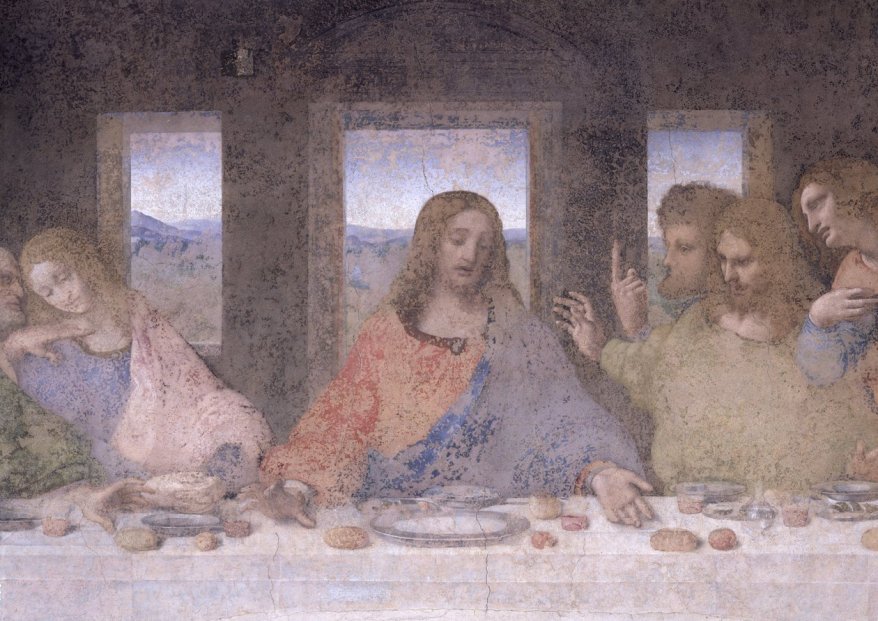
Cenacolo di Leonardo: i dettagli che raccontano il tradimento
🇮🇹Nel Cenacolo di Leonardo da Vinci, custodito a Santa Maria delle Grazie, Cristo annuncia il tradimento e il tempo si ferma… 🇬🇧In Leonardo da Vinci’s Last Supper, housed in Santa Maria delle Grazie, Christ announces the betrayal and time stands still…
Condividi:


Questo sono io





sostienici

Sostienici – Support Us
Se questo blog ti piace e ti appassiona, puoi aiutarci a farlo crescere sempre più sostenendoci in modo concreto condividendo i post, seguendo le pagine social e con un contributo che ci aiuta ad andare avanti con il nostro lavoro di divulgazione. . ENGLISH: If you like and are passionate about this blog, you can help us make it grow more and more by supporting us in a concrete way by sharing posts, following social pages and with a contribution that helps us to move forward with our dissemination work.
€10,00


1 commento »