
L’estrema Crocifissione
Quello che vi propongo oggi è lo studio per una Crocifissione appartenente oggi alla Royal Collection del Castello di Windsor.
Lavorai a questo disegno attorno al 1560, ovvero quattro anni prima di passare a miglior vita. Per me quello fu un periodo dedicato alla meditazione sulla fine dei giorni e ovviamente al lavoro. Non smisi mai di studiare, disegnare e scolpire.

Avevo ottantacinque anni e sentivo che non avrei più campato a lungo: tutto ha un inizio e una fine su questa terra.
Studiai diverse composizioni per una Crocifissione e se osservate bene, noterete una certa differenza fra i tratti dei miei disegni precedenti di qualche anno. In questo studio il corpo di Cristo lo disegnai con tratti assai più sfumati e meno decisi.
Ciò non toglie che la figura continui ad avere una modellatura della muscolatura impeccabile che non si discosta affatto da un corpo reale.

Per apprezzare meglio il disegno si deve allontanare un po’ dagli occhi: solo così si riesce a stimarne la potenza evocativa e la drammaticità di quel preciso momento.
A destra e a sinistra della Croce a forcella compaiono altre due figure: sicuramente una Madonna e forse un San Giovanni.
Per il momento il vostro Michelangelo Buonarroti vi saluta dandovi appuntamento ai prossimi post e sui social.
The extreme Crucifixion
What I am proposing to you today is the study for a Crucifixion which today belongs to the Royal Collection of Windsor Castle.
I worked on this drawing around 1560, which was four years before I passed away. For me that was a time spent meditating on the end of days and of course working. I never stopped studying, drawing and sculpting.
I was eighty-five years old and felt that I would not live much longer: everything has a beginning and an end on this earth.
I studied various compositions for a Crucifixion and if you look carefully, you will notice a certain difference between the traits of my previous drawings of a few years. In this study I drew the body of Christ with much more nuanced and less decisive strokes.
This does not mean that the figure continues to have impeccable modeling of the muscles and does not differ from a real body.
To better appreciate the drawing, one must move away from the eyes: only in this way can one appreciate its evocative power and the drama of that precise moment.
Two other figures appear to the right and left of the forked cross: certainly a Madonna and perhaps a Saint John.
For the moment, your Michelangelo Buonarroti greets you by making an appointment for the next posts and on social media.

Sostienici – Support Us
Se questo blog ti piace e ti appassiona, puoi aiutarci a farlo crescere sempre più sostenendoci in modo concreto condividendo i post, seguendo le pagine social e con un contributo che ci aiuta ad andare avanti con il nostro lavoro di divulgazione. . ENGLISH: If you like and are passionate about this blog, you can help us make it grow more and more by supporting us in a concrete way by sharing posts, following social pages and with a contribution that helps us to move forward with our dissemination work.
5,00 €
-
Quando Cleopatra umiliò Roma: il significato nascosto del celebre dipinto di Tiepolo
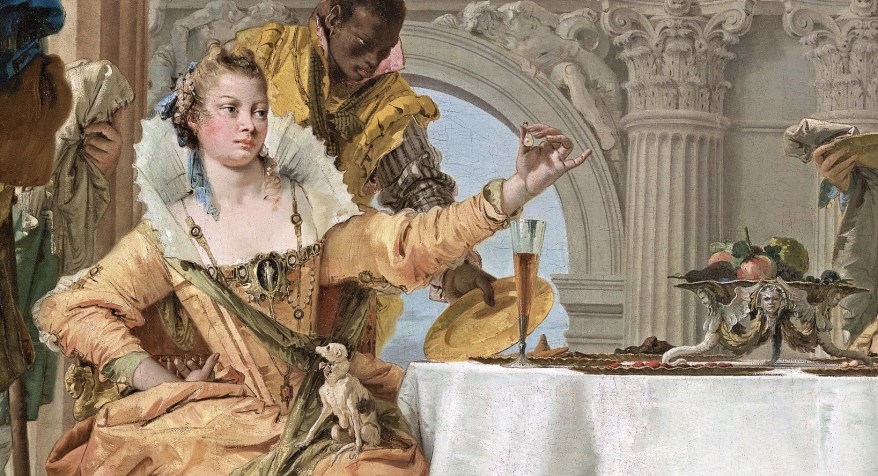
🇮🇹 Il dipinto che vi propongo è pura teatralità, lusso e strategia. Cleopatra scommette con Marco Antonio di poter offrire il banchetto più sontuoso della storia e per vincere compie un gesto folle… 🇬🇧 The painting I propose is pure theatricality, luxury, and strategy. Cleopatra bets Mark Antony that she can offer the most sumptuous…
-
Il mio primo soggiorno a Bologna e l’incontro con Giovan Francesco Aldrovandi
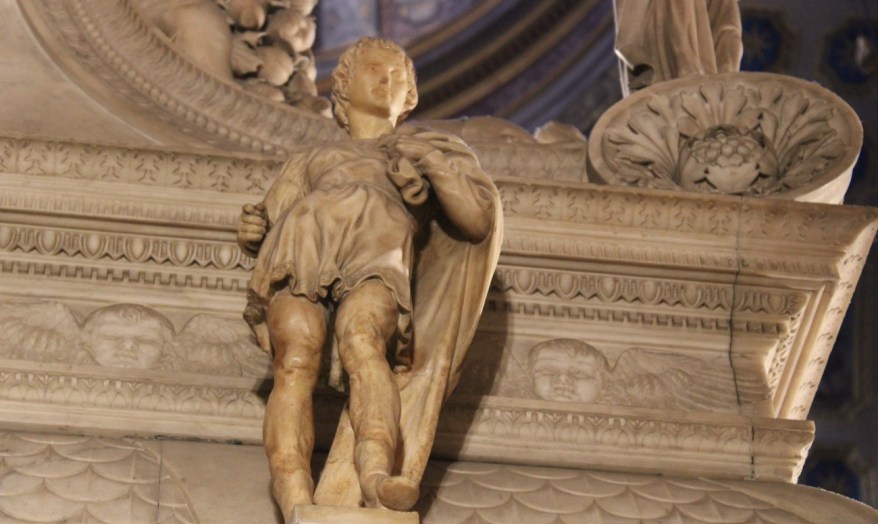
🇮🇹Fuggii da Firenze a soli 19 anni. Senza certezze, senza protezioni. Solo con il mio talento. A Bologna trovai rifugio nella casa di Giovan Francesco Aldrovandi… 🇬🇧I fled Florence at just 19. Without certainties, without protection. Only with my talent. In Bologna, I found refuge in the home of Giovan Francesco Aldrovandi…
-
11 aprile 1514: muore Donato Bramante, il genio della scala elicoidale
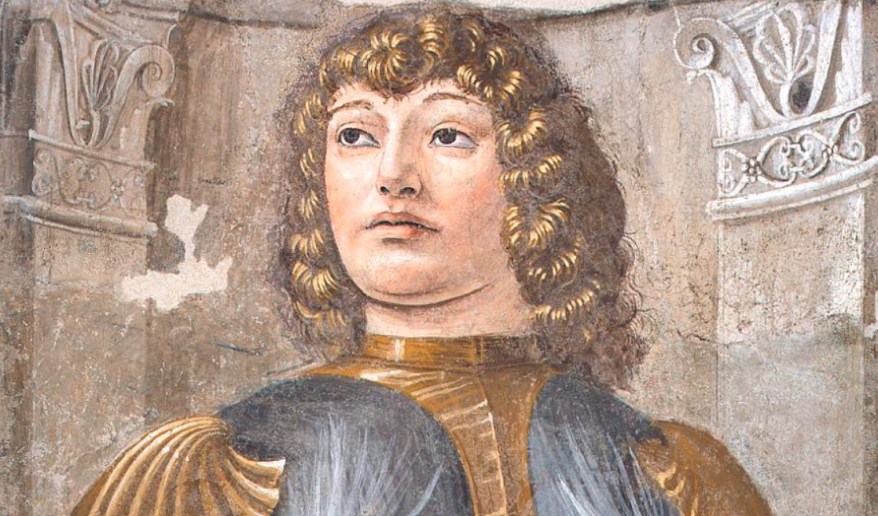
🇮🇹Era l’11 aprile 1514 quando Donato Bramante morì a Roma. La sua scomparsa non cancellò però le tensioni, le rivalità e i giudizi contrastanti che avevano accompagnato tutta la sua carriera… 🇬🇧It was April 11, 1514, when Donato Bramante died in Rome. His passing, however, did not erase the tensions, rivalries, and conflicting opinions that…
Condividi:


Questo sono io





sostienici

Sostienici – Support Us
Se questo blog ti piace e ti appassiona, puoi aiutarci a farlo crescere sempre più sostenendoci in modo concreto condividendo i post, seguendo le pagine social e con un contributo che ci aiuta ad andare avanti con il nostro lavoro di divulgazione. . ENGLISH: If you like and are passionate about this blog, you can help us make it grow more and more by supporting us in a concrete way by sharing posts, following social pages and with a contribution that helps us to move forward with our dissemination work.
€10,00


