

La Scultura del giorno: il Gladiatore morente di Pierre Julienne
La Scultura del giorno che vi propongo oggi è il Gladiatore Morente realizzato dallo scultore francese Pierre Julienne nel 1779, oggi appartenente al Museo del Louvre di Parigi.
Pierre Julienne nacque in Francia il 20 giugno del 1731 e iniziò il suo promo apprendistato nei pressi del suo villaggio natale, a Saint Paulien. Dopo aver frequentato la scuola di disegno a Lione, entrò a far parte dell’atelier parigino di Guillaume Coustou il Giovane e ne 1765 vinse il suo primo Prix de Rome per la scultura con un pannello in bassorilievo.

Julienne scolpì nel marmo il Gladiatore Morente per presentarlo poi al Salone di Parigi del 1779, ispirandosi liberamente al celeberrimo Galata Morente attribuito a Epigono, noto attraverso la copia di epoca romana oggi conservata presso i Musei Capitolini di Roma.
Anche in questo caso il combattente raffigurato era probabilmente uno schiavo che in luoghi pubblici combatteva contro altri gladiatori con il mero scopo di far divertire e intrattenere la folla incitante romana.
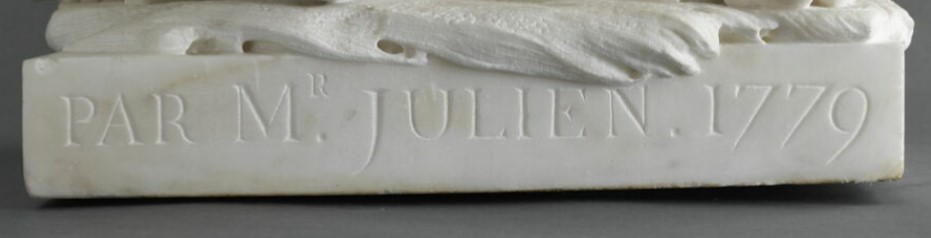
I gladiatori prendevano il loro nome da quello del gladio, la spada corta accomunabile a un coltello, adatta per colpire di punta e di taglio il nemico.
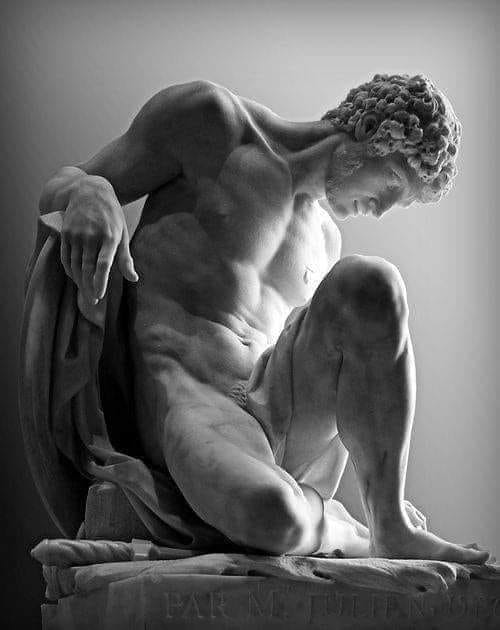
L’opera scultorea di Julienne del Gladiatore che oramai ferito a morte attende i suoi ultimi attimi di vita, arreso al destino, è commovente.
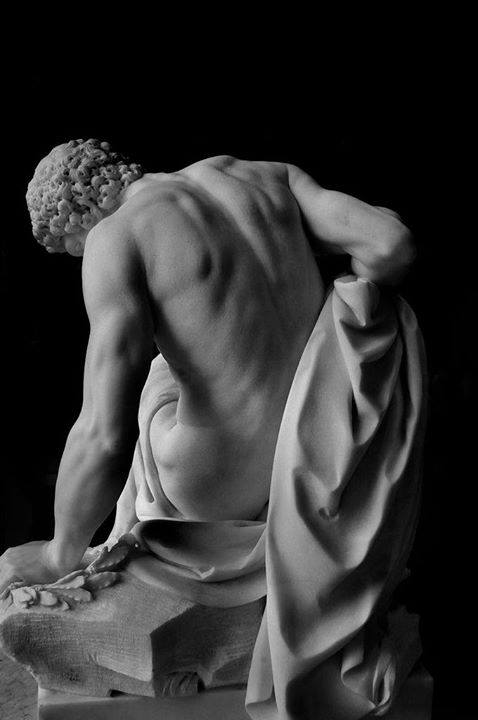
Quel corpo atletico, forgiato scontro dopo scontro, presto si accascerà al suolo esalando l’ultimo mortale respiro. Eccellente la resa della muscolatura dell’artista e il contrapposto che mette in evidenza tutti i muscolo del gladiatore.
Per il momento il vostro Michelangelo Buonarroti vi saluta dandovi appuntamento ai prossimi post e sui social.

Sculpture of the day: the Dying Gladiator by Pierre Julienne
The Sculpture of the day that I propose to you today is the Dying Gladiator made by the French sculptor Pierre Julienne 1779, now belonging to the Louvre Museum in Paris.
Pierre Julienne was born in France on June 20, 1731 and began his apprenticeship near his native village, in Saint Paulien. After attending drawing school in Lyon, he joined the Parisian atelier of Guillaume Coustou the Younger and in 1765 won his first Prix de Rome for sculpture with a panel in bas-relief.
Julienne sculpted the Dying Gladiator in marble to then present it at the Paris Salon in 1779, freely inspired by the famous Dying Galata attributed to Epigono, known through the Roman-era copy now kept in the Capitoline Museums in Rome.
Also in this case the fighter depicted was probably a slave who in public places fought against other gladiators with the mere purpose of amusing and entertaining the inciting Roman crowd.
Gladiators took their name from that of the gladius, the short sword that can be combined with a knife, suitable for thrusting and cutting the enemy.
Julienne’s sculptural work of the gladiator who now mortally wounded awaits his last moments of life, surrendered to fate, is moving.
That athletic body, forged in battle after battle, will soon collapse to the ground, exhaling its last mortal breath. The artist’s rendering of the musculature of the contrapposto is excellent, highlighting all the muscles of the gladiator.
For the moment, your Michelangelo Buonarroti greets you by making an appointment for the next posts and on social media.

Sostienici – Support Us
Se questo blog ti piace e ti appassiona, puoi aiutarci a farlo crescere sempre più sostenendoci in modo concreto condividendo i post, seguendo le pagine social e con un contributo che ci aiuta ad andare avanti con il nostro lavoro di divulgazione. . ENGLISH: If you like and are passionate about this blog, you can help us make it grow more and more by supporting us in a concrete way by sharing posts, following social pages and with a contribution that helps us to move forward with our dissemination work.
5,00 €
-
Il mio primo soggiorno a Bologna e l’incontro con Giovan Francesco Aldrovandi
🇮🇹Fuggii da Firenze a soli 19 anni. Senza certezze, senza protezioni. Solo con il mio talento. A Bologna trovai rifugio nella casa di Giovan Francesco Aldrovandi… 🇬🇧I fled Florence at just 19. Without certainties, without protection. Only with my talent. In Bologna, I found refuge in the home of Giovan Francesco Aldrovandi…
-
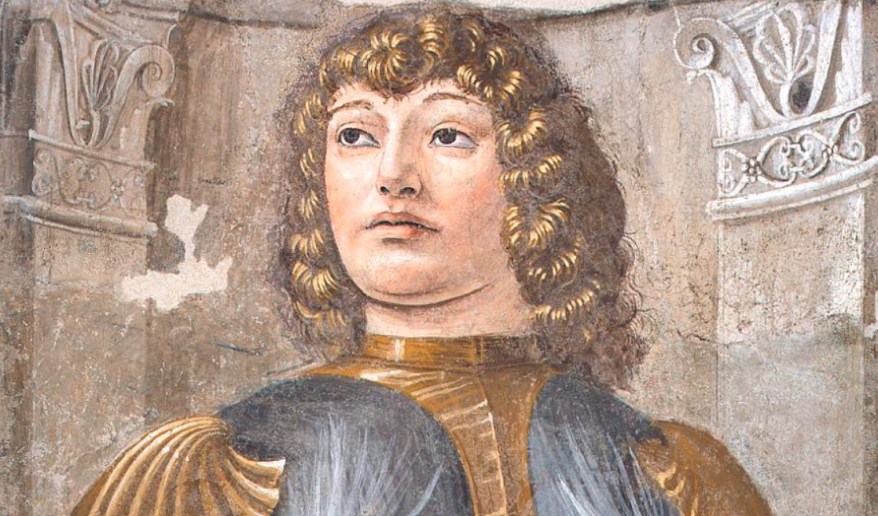
11 aprile 1514: muore Donato Bramante, il genio della scala elicoidale
🇮🇹Era l’11 aprile 1514 quando Donato Bramante morì a Roma. La sua scomparsa non cancellò però le tensioni, le rivalità e i giudizi contrastanti che avevano accompagnato tutta la sua carriera… 🇬🇧It was April 11, 1514, when Donato Bramante died in Rome. His passing, however, did not erase the tensions, rivalries, and conflicting opinions that…
-
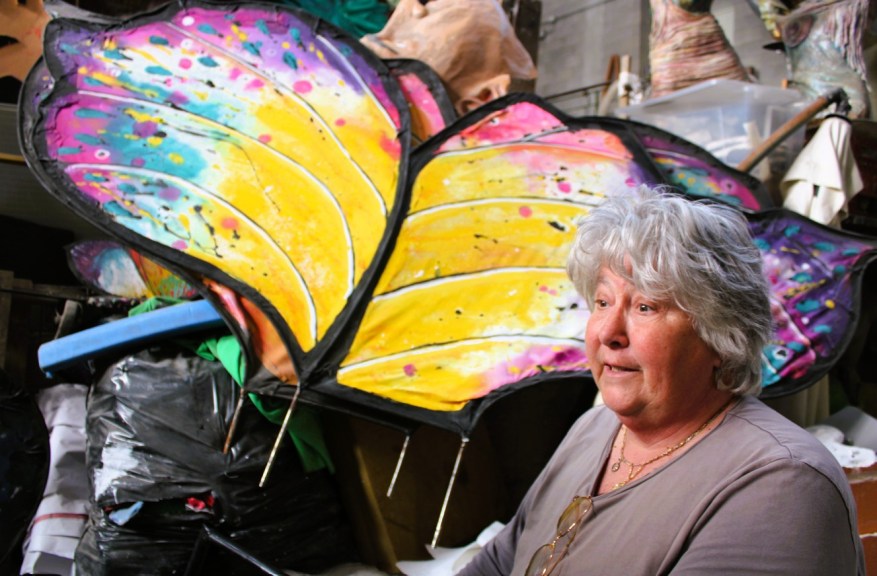
Dentro l’hangar 12 del Carnevale di Viareggio: dove la cartapesta prende vita con Marzia Etna
🇮🇹Ho incontrato Marzia Etna, maestra carrista da 40 anni: mentre racconta, le brillano gli occhi. E capisci subito una cosa: questo non è solo un lavoro, è vita tra carta a calco, ferro e sogni… 🇬🇧I met Marzia Etna, a master float builder for 40 years: her eyes sparkle as she talks. And you immediately…
Condividi:


Questo sono io





sostienici

Sostienici – Support Us
Se questo blog ti piace e ti appassiona, puoi aiutarci a farlo crescere sempre più sostenendoci in modo concreto condividendo i post, seguendo le pagine social e con un contributo che ci aiuta ad andare avanti con il nostro lavoro di divulgazione. . ENGLISH: If you like and are passionate about this blog, you can help us make it grow more and more by supporting us in a concrete way by sharing posts, following social pages and with a contribution that helps us to move forward with our dissemination work.
€10,00


