

La Scultura del giorno: l’Odalisca di Pradier
La scultura del giorno che vi propongo oggi è la sensuale Odalisca di James Pradier, realizzata dall’artista franco-svizzero nel 1841.
Jean Jaques Pradier, era nato il 23 maggio 1790 a Ginevra in Svizzera, città che successivamente fu annessa alla Francia rivoluzionaria. Nel 1813 vinse l’ambito premio di Roma e divenne un pensionato della prestigiosa Accademia di Francia a Roma dove ebbe modo studiare e perfezionarsi.

L’artista fu molto apprezzato anche in vita e fu uno dei più ambiti della sua epoca da parte di facoltosi committenti.
L’Odalisca è una delle sue più celebri sculture. La giovane donna priva di vesti è seduta sul pavimento, sopra gli abiti che si è tolta. Le odalische erano le donne che vivevano all’interno dell’harem del sultano durante l’impero ottomano.
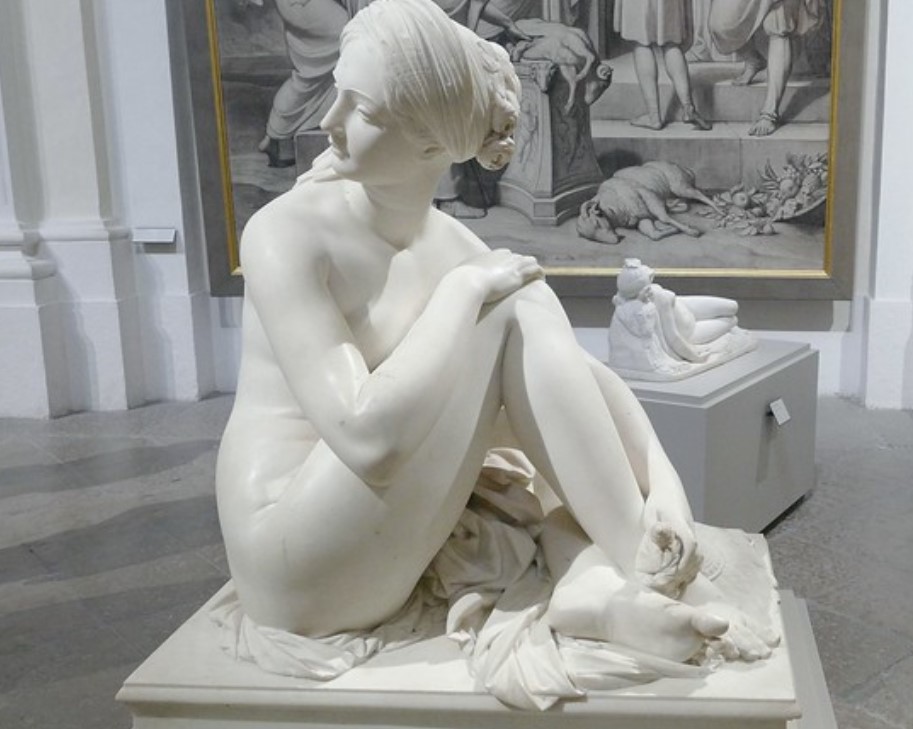
Sia il turbante che porta sul capo che il ventaglio di piume di pavone che tiene con la mano sinistra sono rivelatori del suo essere odalisca. Nell’immaginario degli artisti occidentali, queste figure erano sempre rappresentate, sia in contesti letterari che artistici in modo molto sensuale.
L’odalisca di Pradier è un po’ un’eccezione: mentre sono molte quelle dipinte, sono rare le odalische scolpite.

Pradier per scolpire la sua opera si ispirò alle antiche sculture di Venere con quei suoi tratti perfetti del volto. Al contrario delle veneri, fa sedere la sua scultura a terra e invece di proporre un figura distante da chi osserva, aumenta la sua sensualità.
È un approccio alla raffigurazione del corpo della donna molto più moderno. Il soggetto esotico gli consente di essere più libero di far risaltare la prorompente sensualità.

L’Odalisca di Pradier non ha un punto di vista migliore dell’altro ma per apprezzarla a pieno è necessario girarle attorno. L’opera oggi appartiene al Museo di Belle Arti di Lione, in Francia.
Per il momento il vostro Michelangelo Buonarroti vi saluta dandovi appuntamento ai prossimi post e sui social.
Sculpture of the day: Pradier’s Odalisque
The sculpture of the day that I propose to you today is the sensual Odalisque by James Pradier, created by the French-Swiss artist in 1841.
Jean Jaques Pradier was born on May 23, 1790 in Geneva in Switzerland, a city that was later annexed by revolutionary France. In 1813 he won the coveted Rome prize and became a pensioner of the prestigious French Academy in Rome where he was able to study and perfect himself.
The artist was also much appreciated in his lifetime and was one of the most coveted of his time by wealthy clients.
The Odalisque is one of his most famous sculptures. The unclothed young woman is sitting on the floor, on top of the clothes she has taken off. The odalisques were the women who lived within the sultan’s harem during the Ottoman Empire.
Both the turban she wears on her head and the peacock feather fan she holds in her left hand are revealing of her being an odalisque of hers. In the imagination of Western artists, these figures were always represented, both in literary and artistic contexts, in a very sensual way.
Pradier’s odalisques are somewhat of an exception: while there are many painted ones, the sculpted odalisques are rare.
Pradier to sculpt his work is inspired by the ancient sculptures of Venus with those perfect features of his face. Unlike the Venuses, he makes his sculpture sit on the ground and instead of proposing a figure distant from the observer, he increases her sensuality.
It is a much more modern approach to depicting the female body. The exotic subject allows him to be freer to bring out the irrepressible sensuality.
Pradier’s Odalisque does not have a better point of view than the other but to fully appreciate it it is necessary to go around it. The work now belongs to the Museum of Fine Arts in Lyon, France.
For the moment, your Michelangelo Buonarroti greets you by making an appointment for the next posts and on social media.

Sostienici – Support Us
Se questo blog ti piace e ti appassiona, puoi aiutarci a farlo crescere sempre più sostenendoci in modo concreto condividendo i post, seguendo le pagine social e con un contributo che ci aiuta ad andare avanti con il nostro lavoro di divulgazione. . ENGLISH: If you like and are passionate about this blog, you can help us make it grow more and more by supporting us in a concrete way by sharing posts, following social pages and with a contribution that helps us to move forward with our dissemination work.
5,00 €
-
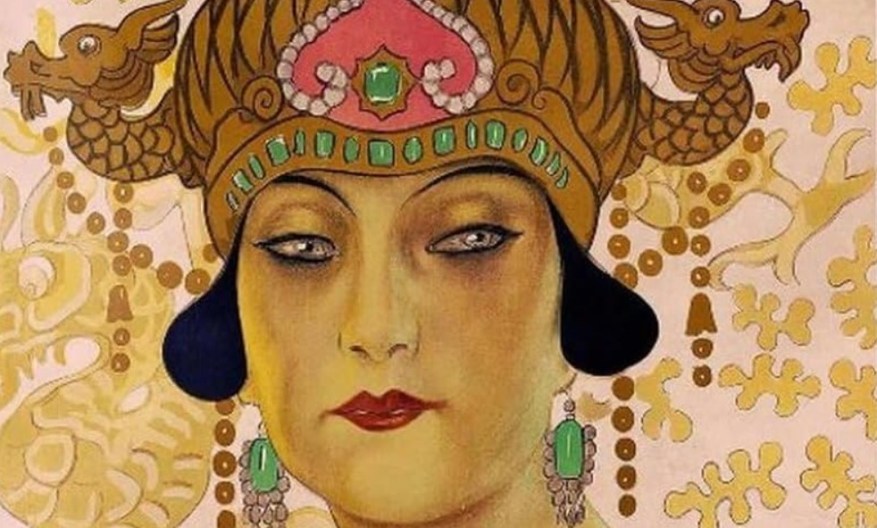
“Qui finisce l’opera”: il segreto di Turandot rivive a Lucca 100 anni dopo
🇮🇹A Lucca, nel Puccini Museum – Casa Natale, una mostra evento riporta in vita il capolavoro incompiuto di Giacomo Puccini tra costumi originali, gioielli e segreti della prima al Teatro alla Scala.. 🇬🇧In Lucca, at the Puccini Museum – Birthplace, an exhibition event brings Giacomo Puccini’s unfinished masterpiece back to life with original costumes, jewels,…
-
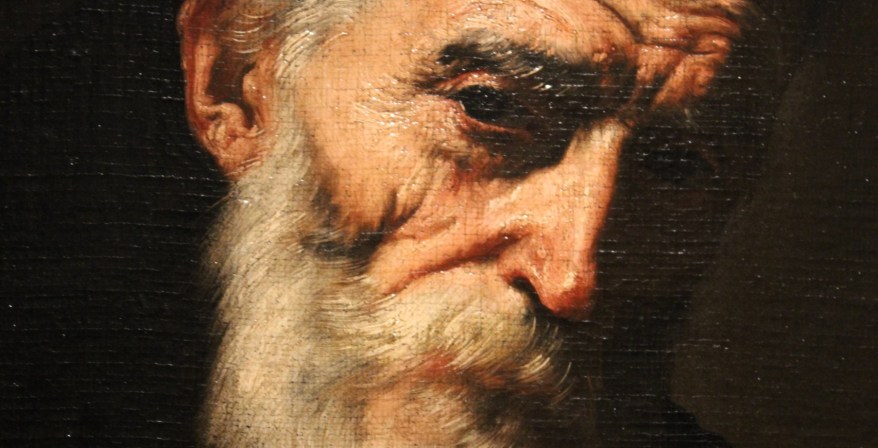
Il realismo che trafigge l’anima: il Sant’Antonio abate di Jusepe de Ribera
🇮🇹Il Sant’Antonio abate di Ribera non si guarda, si sente sottopelle. Rughe, luce, verità. E quegli occhi che raccontano… 🇬🇧You can’t look at Ribera’s Saint Anthony the Abbot, you can feel it under your skin. Wrinkles, light, truth. And those eyes that tell a story…
-
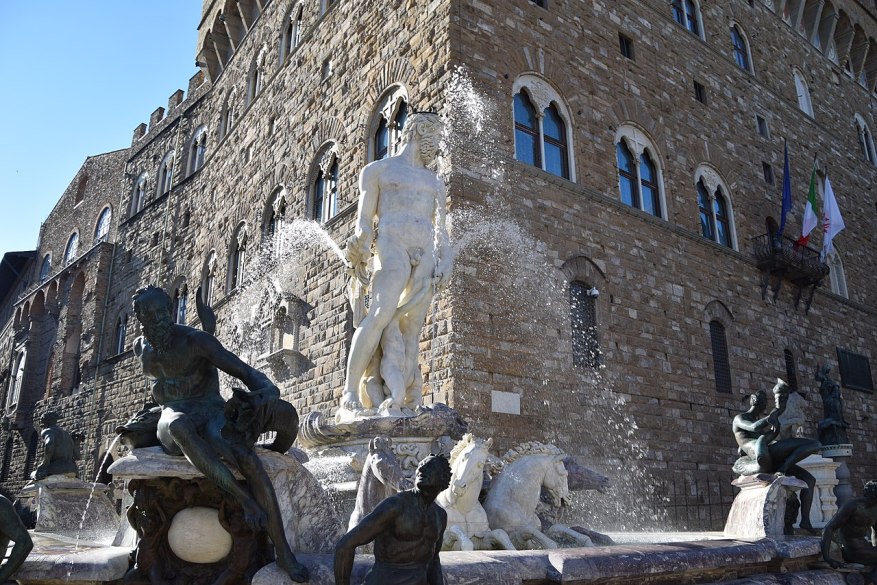
13 aprile 1592: muore Ammannati, il genio del “Biancone” tra capolavori e feroci critiche
🇮🇹Il 13 aprile 1592 si spegneva a Firenze Bartolomeo Ammannati, uno dei protagonisti più complessi e discussi del Rinascimento italiano. Morì nella sua casa di Via della Stufa… 🇬🇧On April 13, 1592, Bartolomeo Ammannati, one of the most complex and controversial figures of the Italian Renaissance, passed away in Florence. He died in his home…
Condividi:


Questo sono io





sostienici

Sostienici – Support Us
Se questo blog ti piace e ti appassiona, puoi aiutarci a farlo crescere sempre più sostenendoci in modo concreto condividendo i post, seguendo le pagine social e con un contributo che ci aiuta ad andare avanti con il nostro lavoro di divulgazione. . ENGLISH: If you like and are passionate about this blog, you can help us make it grow more and more by supporting us in a concrete way by sharing posts, following social pages and with a contribution that helps us to move forward with our dissemination work.
€10,00


ci sono opere così belle che sembrano vive davanti ai nostri occhi. Certe statue hanno il potere di farci innamorare di loro tanto sono belle! 👏👏👏👏👍👍👍👍👍👍😉
"Mi piace"Piace a 1 persona
:-*
"Mi piace"Piace a 1 persona