
Prima di diventar grande
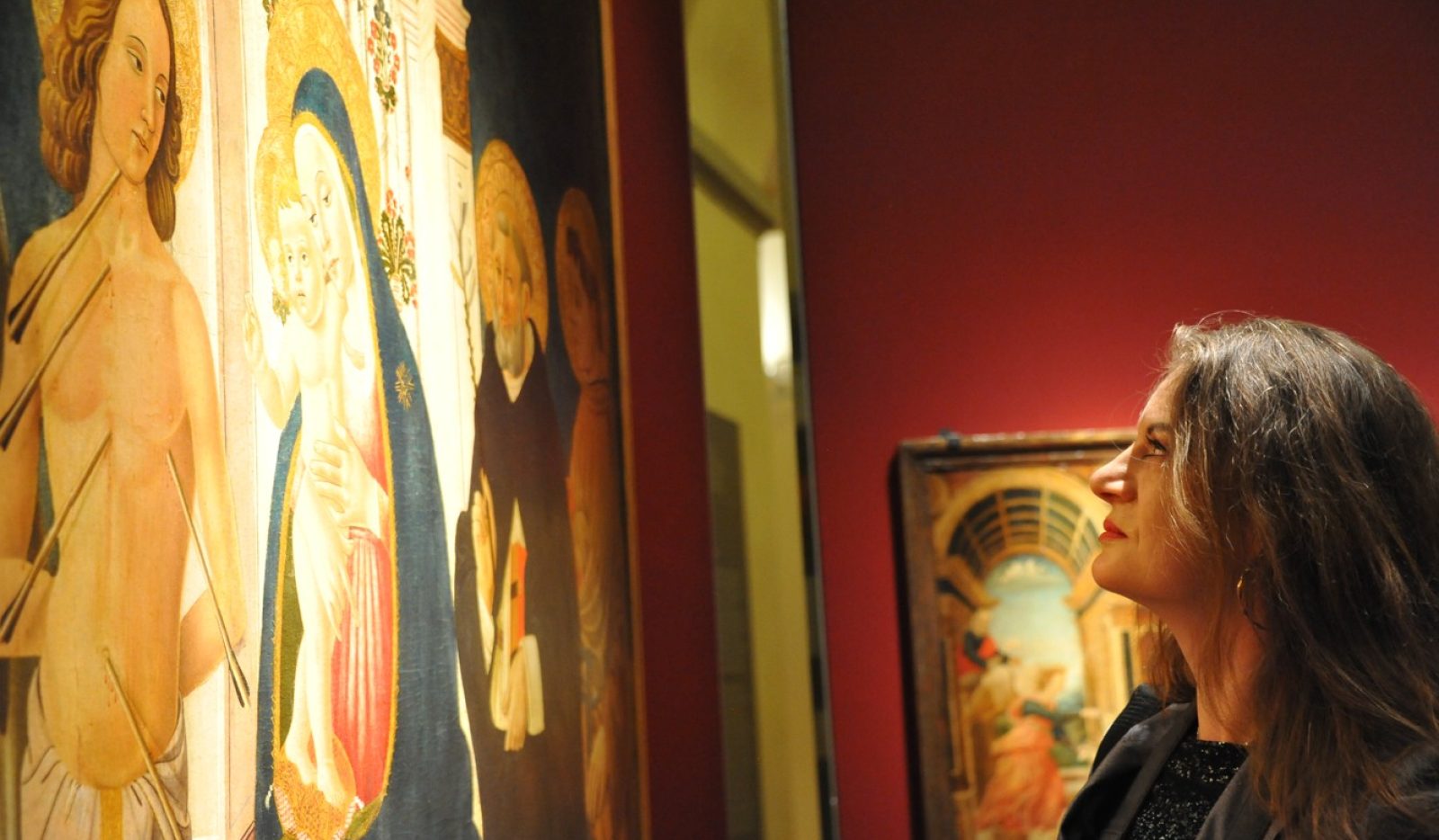
Un po’ tutti gli artisti, me compreso, prima di diventare grandi d’età e nel prestigio abbiamo dovuto fare i conti con un periodo di apprendistato. La maniera di disegnare, scolpire o dipingere che ben caratterizzò me da adulto, era in qualche modo visibile nelle opere giovanili ma sicuramente aveva aspetti differenti da quelli della maturità.
Si impara continuamente nella vita e sarebbe innaturale che le opere fatte da giovanissimo avessero le identiche caratteristiche di quelle poi realizzate nella vecchiaia.
Anni di lavoro e di studio cambiano non solo la tecnica ma anche il modo di vedere le cose e quindi, per forza di cose, è diverso il modo di dar forma alle opere.
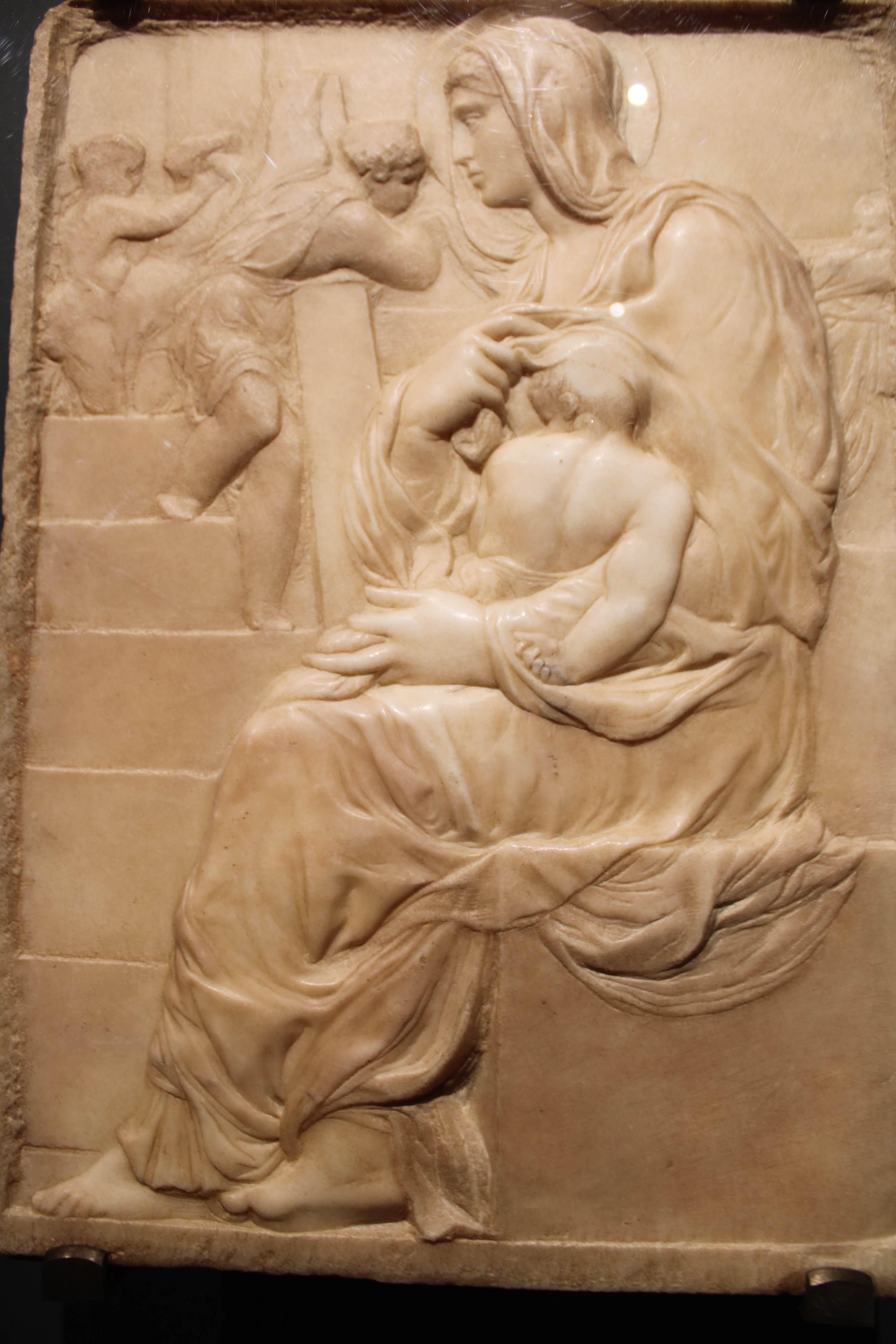
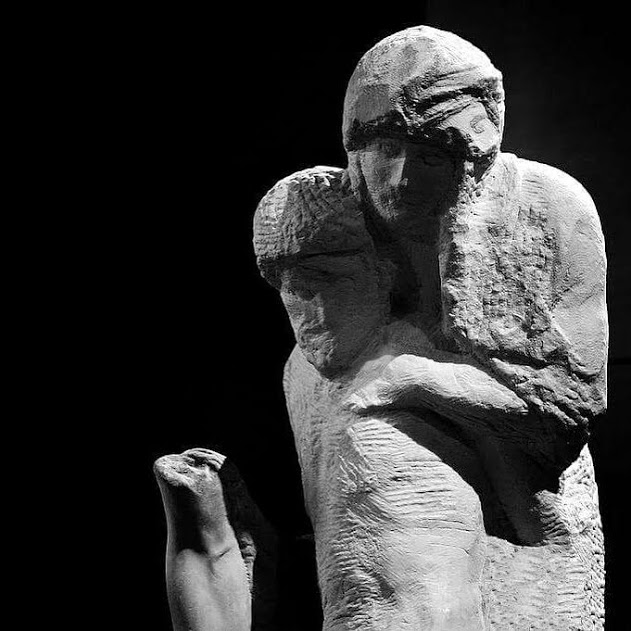
Pensate alla Madonna della Scala, considerata al momento la prima opera scultorea che realizzai giunta fino ai giorni vostri e pensate alla Pietà Rondani: sono due mondo diversissimi. Ero diverso io quando pensai di scolpire la prima e quella che sarebbe poi diventata l’ultima delle mie opere.
Nel piccolo Bambino tenuto in braccio dalla Madonna c’è già tutta la forza che avranno altre opere realizzate dopo tanto che sembra proprio un piccolo Ercole Farnese visto di spalle.
Nel Cupido o nel Fanciullo Arciere che dir si voglia, al quale diedi forma in casa del Galli, già si intravedono alcuni tratti che sarebbero diventati una caratteristica di molte opere a seguire come per esempi riccioli sul capo. Sebbene il corpo presenti un’anatomia molto accurata, è molto lontano dai corpi che scolpii successivamente. Non ha la loro possanza ma però la sua posa serpentinata ricorrerà poi in tutta la mia produzione grafica, pittorica e scultorea.

Sapete, anche per gli addetti ai lavori non è sempre facile attribuire un’opera giovanile a un’artista perché spesso è molto diversa dalla produzione più matura e quindi difficilmente riconducibile a chi l’ha realizzata.
Pensate per esempio al putiferio che scatenò l’attribuzione proprio del Cupido che dal 2019 si trova in deposito presso il Metropolitan di New York o lo scalpore che suscitò l’attribuzione del Crocifisso di Santo Spirito da parte della Brandt a lungo considerato perduto.
Insomma, nessuno nasce imparato.
Il sempre vostro Michelangelo Buonarroti con i suoi racconti quotidiani.
Before I grow up
A bit of all artists, myself included, before becoming adults and in prestige we had to deal with a period of apprenticeship. The way of drawing, sculpting or painting that characterized me well as an adult, was in some way visible in the early works but certainly had different aspects from those of maturity.
One learns continuously in life and it would be unnatural for the works made at a very young age to have the identical characteristics of those later made in old age.
Years of work and study change not only the technique but also the way of seeing things and therefore, inevitably, the way of giving shape to the works is different.
Think of the Madonna della Scala, currently considered the first sculptural work that I made up to your days and think of the Pietà Rondani: they are two very different worlds. I was different when I thought of sculpting the first and what would later become the last of my works.
In the little Child held in the arms of the Madonna there is already all the strength that other works will have after so long that it looks like a little Farnese Hercules seen from behind.
In the Cupid or the Archer Child, whatever you prefer, to whom I gave shape in the house of Galli, we can already see some traits that would become a characteristic of many works to follow, such as curls on the head for example. Although the body has a very accurate anatomy, it is very far from the bodies I sculpted later. It does not have their power but however its serpentine pose will then recur in all my graphic, pictorial and sculptural production.
You know, even for insiders it is not always easy to attribute an early work to an artist because it is almost always very different from the more mature production and therefore difficult to be traced back to who made it.
Think, for example, of the uproar that triggered the attribution of the Cupid that has been in storage at the Metropolitan of New York since 2019 or the sensation that caused the attribution of the Crucifix of the Holy Spirit by Brandt for a long time considered lost.
In short, no one is born learned.
Your always your Michelangelo Buonarroti with the daily tales of him.

Sostienici – Support Us
Se questo blog ti piace e ti appassiona, puoi aiutarci a farlo crescere sempre più sostenendoci in modo concreto condividendo i post, seguendo le pagine social e con un contributo che ci aiuta ad andare avanti con il nostro lavoro di divulgazione. . ENGLISH: If you like and are passionate about this blog, you can help us make it grow more and more by supporting us in a concrete way by sharing posts, following social pages and with a contribution that helps us to move forward with our dissemination work.
5,00 €
-
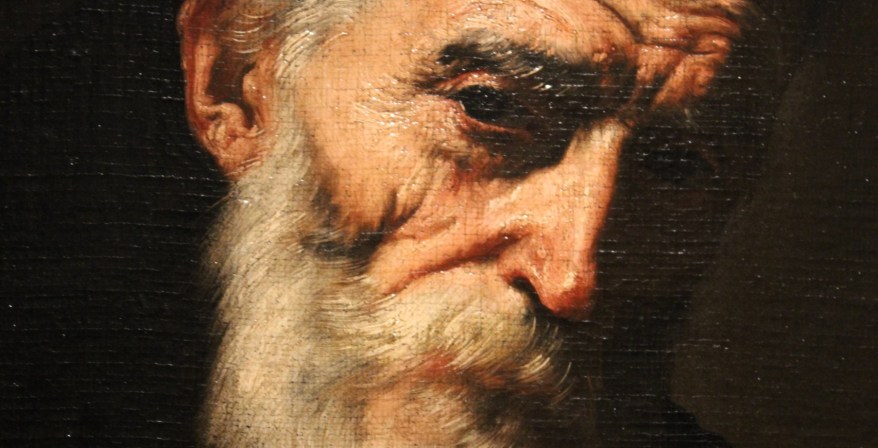
Il realismo che trafigge l’anima: il Sant’Antonio abate di Jusepe de Ribera
🇮🇹Il Sant’Antonio abate di Ribera non si guarda, si sente sottopelle. Rughe, luce, verità. E quegli occhi che raccontano… 🇬🇧You can’t look at Ribera’s Saint Anthony the Abbot, you can feel it under your skin. Wrinkles, light, truth. And those eyes that tell a story…
-
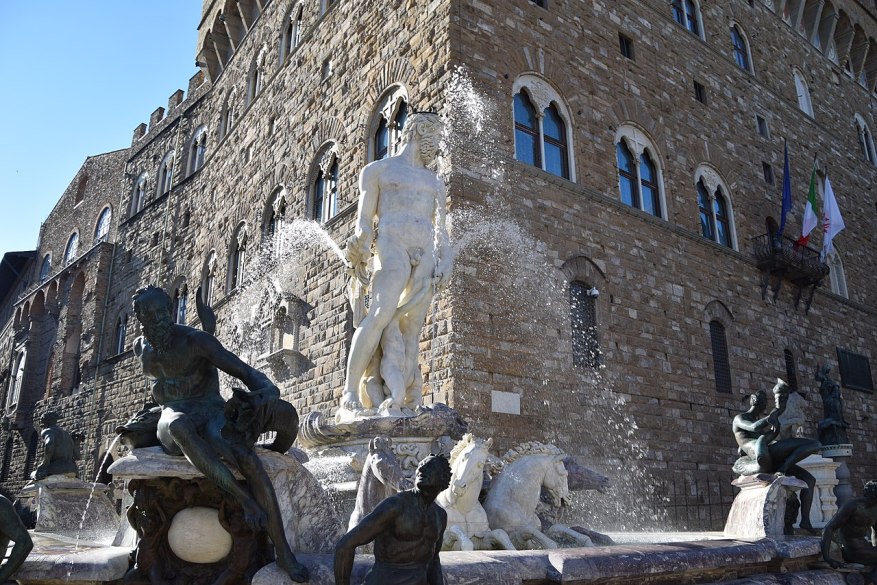
13 aprile 1592: muore Ammannati, il genio del “Biancone” tra capolavori e feroci critiche
🇮🇹Il 13 aprile 1592 si spegneva a Firenze Bartolomeo Ammannati, uno dei protagonisti più complessi e discussi del Rinascimento italiano. Morì nella sua casa di Via della Stufa… 🇬🇧On April 13, 1592, Bartolomeo Ammannati, one of the most complex and controversial figures of the Italian Renaissance, passed away in Florence. He died in his home…
-
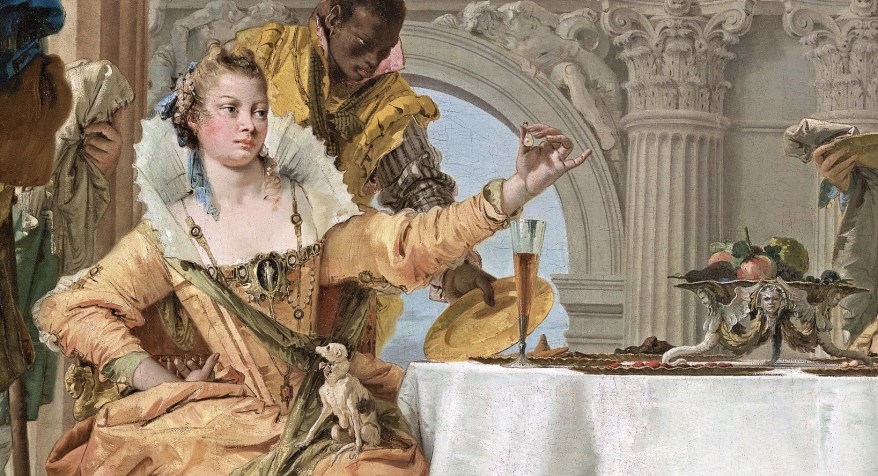
Quando Cleopatra umiliò Roma: il significato nascosto del celebre dipinto di Tiepolo
🇮🇹 Il dipinto che vi propongo è pura teatralità, lusso e strategia. Cleopatra scommette con Marco Antonio di poter offrire il banchetto più sontuoso della storia e per vincere compie un gesto folle… 🇬🇧 The painting I propose is pure theatricality, luxury, and strategy. Cleopatra bets Mark Antony that she can offer the most sumptuous…
Condividi:


Questo sono io





sostienici

Sostienici – Support Us
Se questo blog ti piace e ti appassiona, puoi aiutarci a farlo crescere sempre più sostenendoci in modo concreto condividendo i post, seguendo le pagine social e con un contributo che ci aiuta ad andare avanti con il nostro lavoro di divulgazione. . ENGLISH: If you like and are passionate about this blog, you can help us make it grow more and more by supporting us in a concrete way by sharing posts, following social pages and with a contribution that helps us to move forward with our dissemination work.
€10,00


