

Prigioni e Vittorie a simboleggiare la vita umana sulla terra
I Prigioni e le Vittorie che avevo pensato per il secondo contratto della Tomba di Giulio II, si integravano gli uni con gli altri fornendo un’immagine assai precisa di cosa fosse e cos’è tutt’oggi la vita umana sulla terra.
Avevate mai pensato a questa cosa?
Le vittorie della ragione, per quanto siano importanti e degne di lode, non bastano a nessuno per ottenere l’immortalità, nemmeno al pontefice committente del grandioso complesso scultoreo.

E’ una lettura della tomba di Giulio II in senso spirituale più che politico e contempla l’arrivo alla conquista della vita eterna mediante la forza dell’anima umana che si distacca dalle lotte del mondo.
La stessa simbologia viene riproposta dalle due sculture della Vita Attiva e della Vita Contemplativa che affiancano il Mosè oggi nella tomba di Giulio II.

Se i Prigioni impersonano l’anima umana ridotta in schiavitù dalla materia, e per tanto paragonabile all’anima degli animali bruti, i gruppi di Vittoria personificano l’anima propria umana, vale a dire l’anima nella sua condizione di libertà, capace di vincere le basse emozioni mediante la ragione…
Da Studi in Iconologia di Erwin Panofsky, pubblicato nel 1939
Per il momento il vostro Michelangelo Buonarroti vi saluta dandovi appuntamento ai prossimi post e sui social.

Prisons and Victories to symbolize human life on earth
The Prisons and Victories that I had thought of for the second contract for the Tomb of Julius II, integrated with each other, providing a very precise image of what human life on earth was and still is today.
Have you ever thought about this?
The victories of reason, as important and praiseworthy as they are, are not enough for anyone to achieve immortality, not even for the pontiff who commissioned the grandiose sculptural complex.
It is a reading of the tomb of Julius II in a spiritual rather than a political sense that contemplates the arrival to the conquest of eternal life through the strength of the human soul that detaches itself from the struggles of the world. The same symbolism is re-proposed by the two sculptures of the Active Life and the Contemplative Life that flank the Moses today in the tomb of Julius II.
If the Prisons personify the human soul reduced to slavery by matter, and therefore comparable to the soul of brute animals, the Victoria groups personify the human soul itself, that is to say the soul in its condition of freedom, capable of overcome low emotions through reason …
From Studies in Iconology by Erwin Panofsky, published in 1939.
For the moment, your Michelangelo Buonarroti greets you by giving you an appointment at the next posts and on social networks.

Sostienici – Support Us
Se questo blog ti piace e ti appassiona, puoi aiutarci a farlo crescere sempre più sostenendoci in modo concreto condividendo i post, seguendo le pagine social e con un contributo che ci aiuta ad andare avanti con il nostro lavoro di divulgazione. . ENGLISH: If you like and are passionate about this blog, you can help us make it grow more and more by supporting us in a concrete way by sharing posts, following social pages and with a contribution that helps us to move forward with our dissemination work.
5,00 €
-
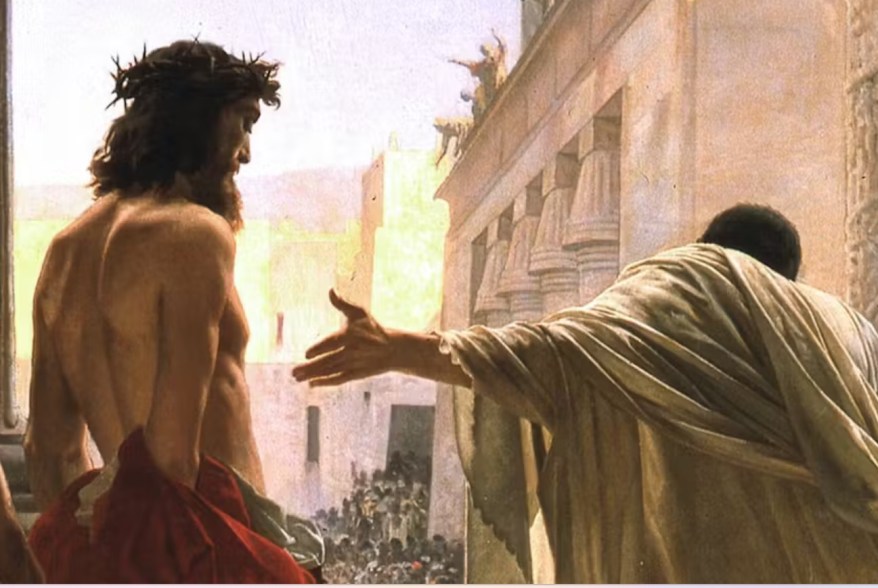
Venerdì Santo: gli “Ecce Homo” più intensi della storia dell’arte
🇮🇹Ecce Homo. Da Antonello da Messina a Tintoretto, fino al sorprendente capolavoro di Antonio Ciseri, questo soggetto ha attraversato i secoli raccontando dolore, umanità e coscienza… 🇬🇧Ecce Homo. From Antonello da Messina to Tintoretto, to Antonio Ciseri’s astonishing masterpiece, this subject has spanned the centuries, recounting pain, humanity, and conscience…
-
Attacco hacker agli Uffizi: rubati dati sensibili, mappe e codici di sicurezza
🇮🇹Attacco hacker alle Gallerie degli Uffizi: rubati dati sensibili, mappe e sistemi di sicurezza. A rischio opere, archivi e cybersicurezza del patrimonio artistico… 🇬🇧Hacker attack on the Uffizi Galleries: sensitive data, maps, and security systems stolen. Works of art, archives, and the cybersecurity of the artistic heritage are at risk…
-
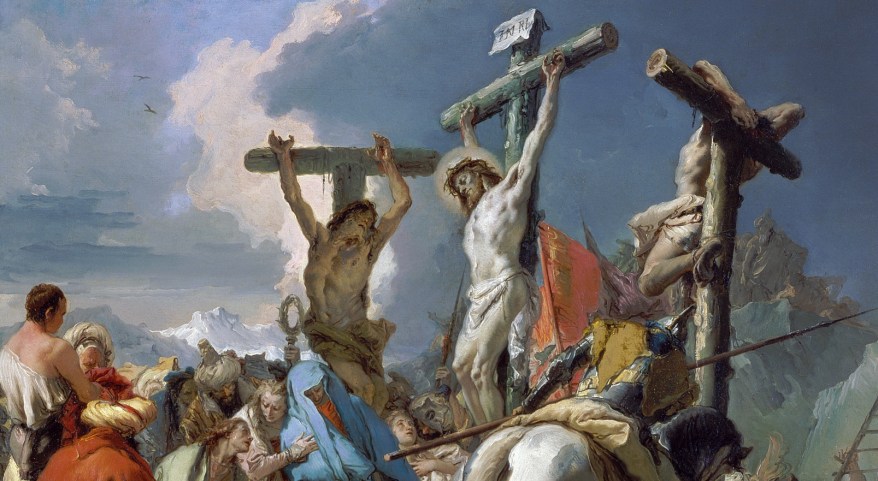
Venerdì Santo: la Crocifissione secondo Tiepolo
🇮🇹Nel giorno del Venerdì Santo, c’è un’opera che riesce ancora a scuotere lo sguardo. La Crocifissione di Giambattista Tiepolo non è come le altre: niente simmetrie perfette, niente distanza. Qui si entra dentro la scena, da un punto di vista obliquo, tra movimento, tensione e umanità… 🇬🇧On Good Friday, there’s a work that still manages…
Condividi:


Questo sono io





sostienici

Sostienici – Support Us
Se questo blog ti piace e ti appassiona, puoi aiutarci a farlo crescere sempre più sostenendoci in modo concreto condividendo i post, seguendo le pagine social e con un contributo che ci aiuta ad andare avanti con il nostro lavoro di divulgazione. . ENGLISH: If you like and are passionate about this blog, you can help us make it grow more and more by supporting us in a concrete way by sharing posts, following social pages and with a contribution that helps us to move forward with our dissemination work.
€10,00


