

Volta della Cappella Sistina: ecco la tavolozza che adoperai
La tavolozza che scelsi per dipingere la volta della Sistina è quella del buon frescante.
Evitai scrupolosamente di usare tutti tutti quei colori che prevedevano l’utilizzo di un legante. In un primo momento usai anche il minio, presente solo nel riquadro del Diluvio Universale ma poi feci presto ad abbandonarlo perché, come annotava pure il Cennini “non si può lavorare in fresco”.
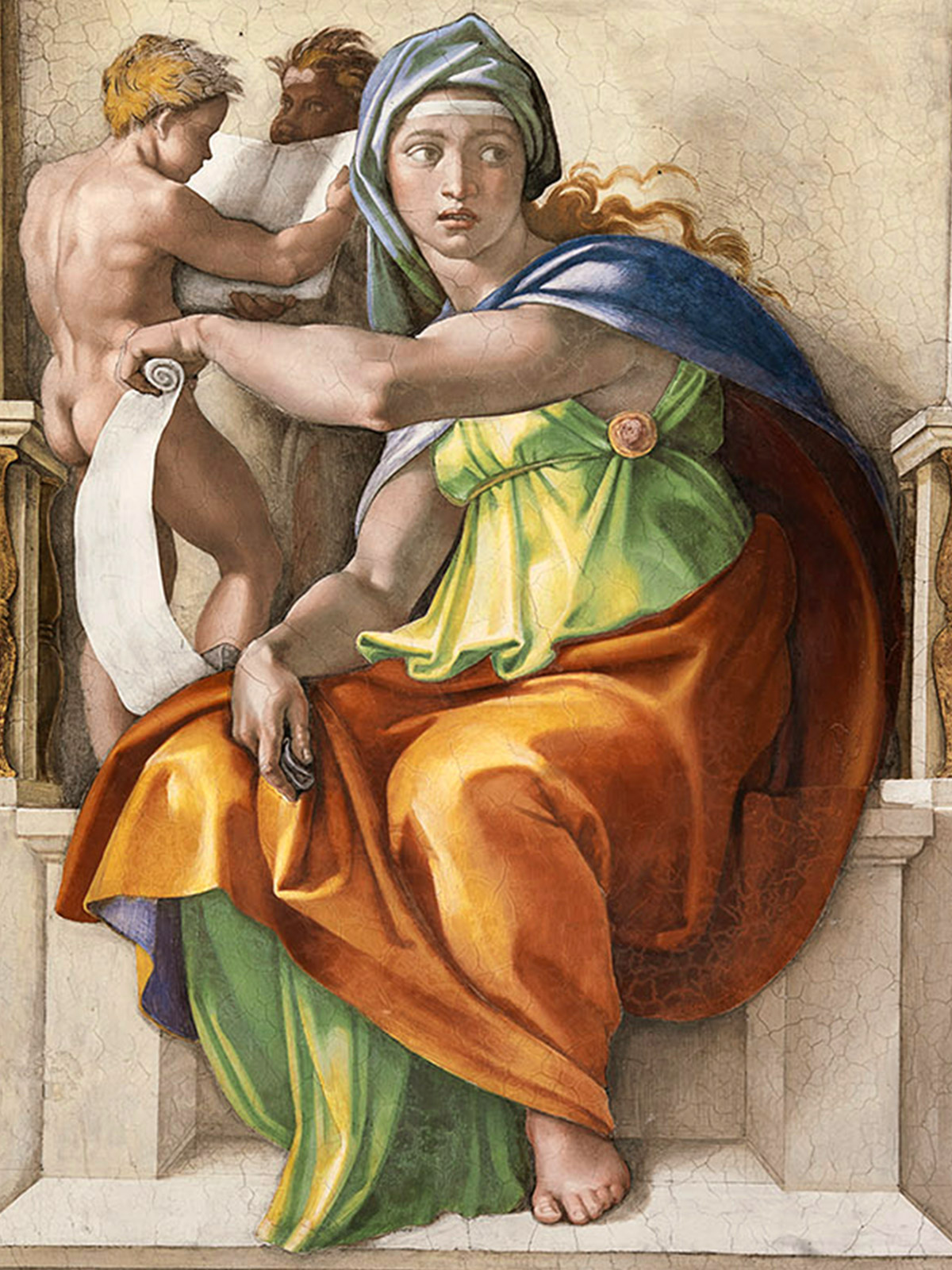
Successivamente, per i rossi, preferii di gran lunga ricorrere all’uso del morellone, delle ocre e dell’arancio di piombo.
Non volli mai adoperare l’azzurrite che pur è un colore che si usa in affresco, né la malachite. Entrambi in presenza di umidità cambiano la loro tonalità iniziale. In particolare l’azzurrite vira verso il verde intenso: mica potevo dipingere un cielo che qualche decennio dopo si sarebbe poi trasformato in un grande prato verde. Era un rischio che non mi potevo permettere di correre.

Per gli azzurri della volta così scelsi di fare un uso abbondante di smaltino e di un uso molto morigerato di lapislazzuli. Come vi ho raccontato altre volte, quest’ultimo colore era costosissimo e dato che dovevo anticipare i soldi per i colori di tasca mia, preferii non usarlo.
Per quanto riguarda il bianco, scelsi sempre il bianco San Giovanni mentre per i bruni scelsi il bruno di Marte, la terra d’ombra e la terra di Siena bruciata.
Per i gialli optai per le ocre gialle e il giallo di Marte mentre per il verde adoperai solamente la terra verde.

Infine, per completare la tavolozza della volta, per i neri volli adoperare il nero avorio e il nero vite. Per il momento il vostro Michelangelo Buonarroti vi saluta dandovi appuntamento ai prossimi post e sui social.
Vault of the Sistine Chapel: here is the palette you will use
The palette I chose to paint the Sistine vault is that of the good fresco painter.
I scrupulously avoided using all those colors that required the use of a binder. At first I also used red lead, present only in the box of the Universal Flood but then I quickly abandoned it because, as Cennini also noted, “you cannot work in fresco”.
Subsequently, for the reds, I much preferred to resort to the use of morellone, ocher and lead orange.
I never wanted to use azurite, which is a color used in frescoes, nor malachite. Both in the presence of humidity change their initial hue. In particular, azurite turns towards intense green: I couldn’t paint a sky that a few decades later would turn into a large green lawn. It was a risk I couldn’t afford to take.
For the blues of the vault, I chose to make an abundant use of polish and a very moderate use of lapis lazuli. As I have told you on other occasions, this last color was very expensive and since I had to advance the money for the colors out of my own pocket, I preferred not to use it.
As for the white, I always chose the white San Giovanni while for the browns I chose the brown of Mars, the umber and the burnt Sienna. For the yellows I opted for the yellow ochres and the yellow of Mars while for the green I used only the green earth.
Finally, to complete the palette of the vault, I chose ivory black and vine black for the blacks.
For the moment, your Michelangelo Buonarroti greets you by giving you an appointment at the next posts and on social networks.

Sostienici – Support Us
Se questo blog ti piace e ti appassiona, puoi aiutarci a farlo crescere sempre più sostenendoci in modo concreto condividendo i post, seguendo le pagine social e con un contributo che ci aiuta ad andare avanti con il nostro lavoro di divulgazione. . ENGLISH: If you like and are passionate about this blog, you can help us make it grow more and more by supporting us in a concrete way by sharing posts, following social pages and with a contribution that helps us to move forward with our dissemination work.
5,00 €
-
Bernini, Van Dyck e Tintoretto: la primavera 2026 è la stagione dei capolavori
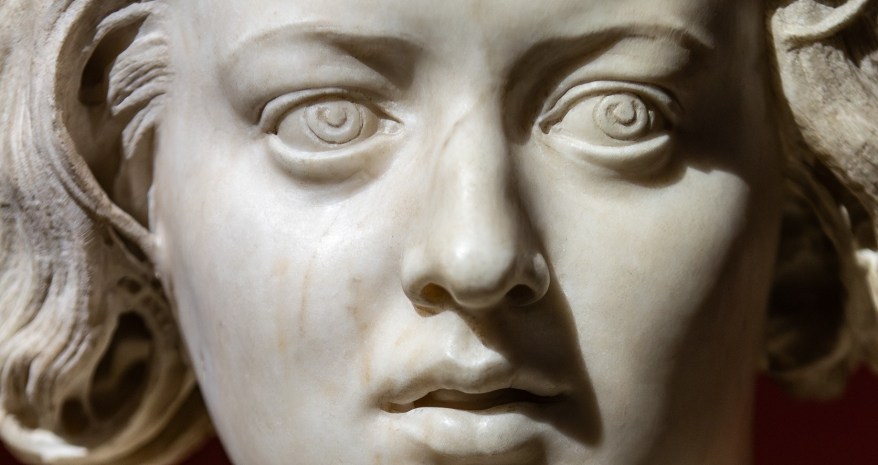
🇮🇹La primavera 2026 in Italia non è mai stata così piena di arte e di scuse perfette per viaggiare. Da Mark Rothko a Firenze, al Barocco spettacolare di Gian Lorenzo Bernini a Roma, fino ai capolavori di Tintoretto in arrivo a La Spezia ma anche Van Dyck a Genova, Leonardo a Torino, Vasari a Roma,…
-
Duomo di Pisa: Piovani ferma il tempo sotto la cupola e commuove 600 spettatori
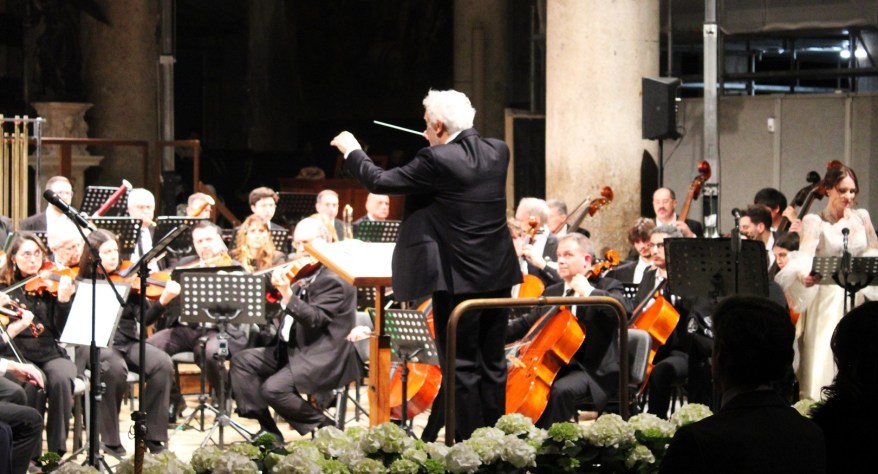
🇮🇹Sotto la cupola del Duomo di Pisa, 600 persone in silenzio hanno vissuto un’emozione rara. Il concerto di Nicola Piovani è stato molto più di musica: un viaggio tra arte, storia e umanità… 🇬🇧 Beneath the dome of Pisa Cathedral, 600 people silently experienced a rare emotion. Nicola Piovani’s concert was much more than music:…
-
Quando la pittura diventa filosofia: il viaggio nell’infinito di Cusano e Leonardo
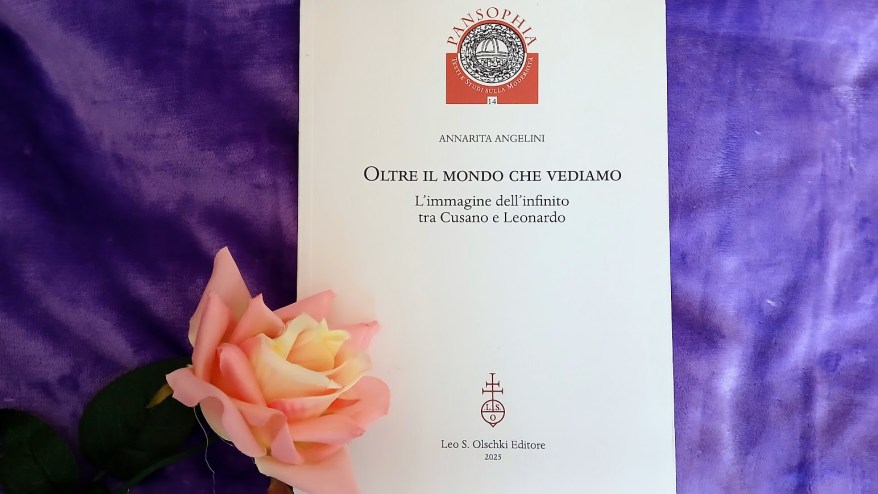
Il libro che voglio proporvi oggi è il saggio scritto da Annarita Angelini dal titolo ‘Oltre il mondo che vediamo. L’immagine dell’infinito tra Cusano e Leonardo’, pubblicato da Olschki Editore….
Condividi:


Questo sono io





sostienici

Sostienici – Support Us
Se questo blog ti piace e ti appassiona, puoi aiutarci a farlo crescere sempre più sostenendoci in modo concreto condividendo i post, seguendo le pagine social e con un contributo che ci aiuta ad andare avanti con il nostro lavoro di divulgazione. . ENGLISH: If you like and are passionate about this blog, you can help us make it grow more and more by supporting us in a concrete way by sharing posts, following social pages and with a contribution that helps us to move forward with our dissemination work.
€10,00


