
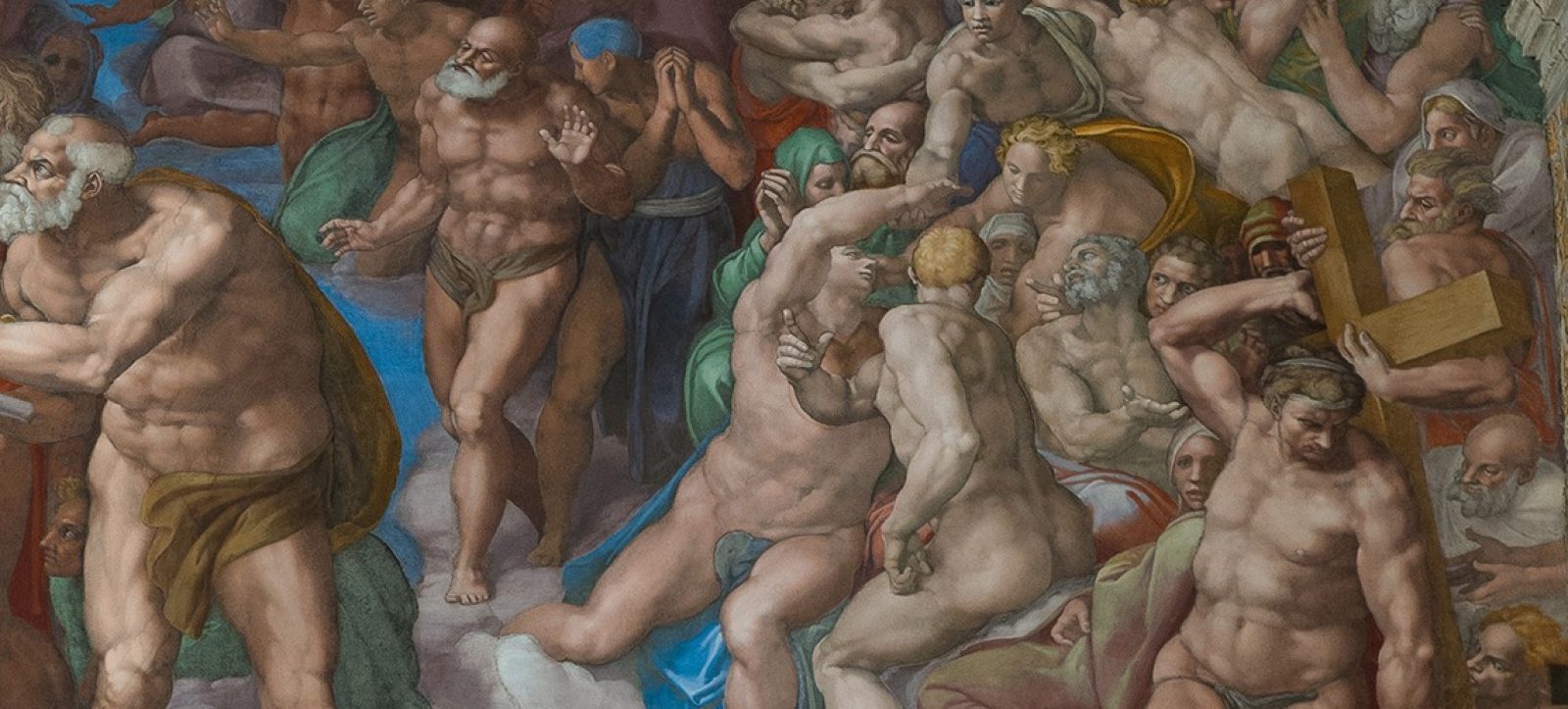
I potenti? Mai li adorai
Fra le cose che no ho mai fatto nel corso della vita è l’adorazione del potente di turno o del committente che m’affidava di volta in volta un nuovo lavoro.
Avevo stima per chi se lo meritava e gli altri li lasciavo al proprio destino. Mi son sempre speso per i miei parenti nel tentativo di offrirgli una vita più dignitosa e ho cercato di circondarmi di pochi collaboratori ma fidati, salvo poi cacciare quelli che tentavano di gabbarmi.

Così riportò il Vasari riporta questo mio modo di fare che mantenni per tutto il corso della vita:
“Nelle azzioni di Michele Agnolo s’è sempre veduto religione, et in questo ultimo esemplo mirabile, ha fuggito il commerzio della corte quanto ha potuto; e solo domestichezza tenuto con quegli che o per le sue faccende hanno avuto bisogno di lui o per termini di virtù veduti in loro è stato a stretto amarli. A’ parenti suoi ha sempre porto aiuto onestamente, ma non s’ha curato d’avergli intorno. S’è ancora curato molto poco avere per casa artefici del mestiero, e tuttavia in quel ch’ha potuto ha giovato ad ognuno. Truovasi che non ha mai biasmato l’opere altrui, se egli prima non è stato o morso o percosso…”
Il sempre vostro Michelangelo Buonarroti con i suoi discorsi e i suoi ricordi.

The powerful lords? I never loved them
Among the things that I have never done in the course of my life is the adoration of the powerful on duty or of the client who entrusted me with a new job from time to time.
I had respect for those who deserved it and I left the others to their fate. I have always spent myself on my relatives in an attempt to offer them a more dignified life and I have tried to surround myself with a few but trusted collaborators, only to chase away those who tried to gabbar me.
This is how Vasari reported this way of doing that I maintained throughout my life:
“In the actions of Michele Agnolo religion has always been seen, and in this last admirable example, he has escaped the courtesy of the court as much as he could; and only domesticity kept with those who either for the affairs of him needed him or for terms of virtue seen in them was to strictly love them. He has always offered honest help to his relatives, but he did not care to have him around. He still cared very little about having craftsmen at home, and yet in what he could he benefited everyone. It turns out that he has never blamed the works of others, if he has not been bitten or beaten before …”

Sostienici – Support Us
Se questo blog ti piace e ti appassiona, puoi aiutarci a farlo crescere sempre più sostenendoci in modo concreto condividendo i post, seguendo le pagine social e con un contributo che ci aiuta ad andare avanti con il nostro lavoro di divulgazione. . ENGLISH: If you like and are passionate about this blog, you can help us make it grow more and more by supporting us in a concrete way by sharing posts, following social pages and with a contribution that helps us to move forward with our dissemination work.
5,00 €
ULTIMI ARTICOLI

Wildlife Photographer of the Year 2026 a Milano: 100 fotografie straordinarie raccontano la bellezza e la fragilità della natura
🇮🇹Wildlife Photographer of the Year 2026 arriva a Milano: 100 fotografie premiate, lo scatto vincitore di Federico Veronesi e le meraviglie della natura in mostra alla Permanente fino al 7 febbraio 2027… 🇬🇧Wildlife Photographer of the Year 2026 arrives in Milan: 100 award-winning photographs—including the winning shot by Federico Veronesi—and the wonders of nature are…
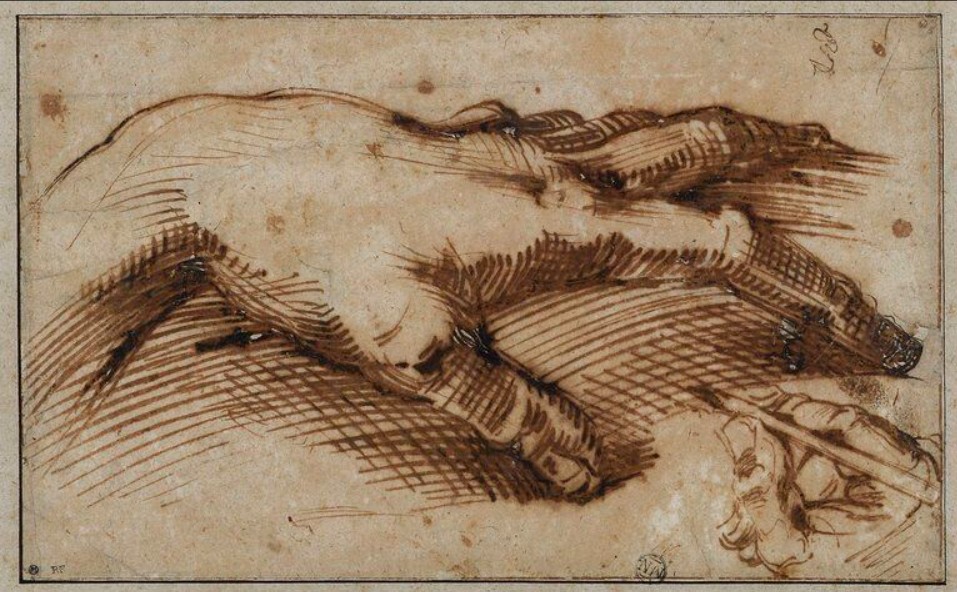
M’ardeva e mi ghiacciava il cuore: il più felice e infelice degli uomini
In un madrigale del 1522 racconto l’amore tra dolore e felicità. Vi porto nella storia che si cela dietro quei versi… 🇬🇧In a 1522 madrigal, I recount a love that exists between sorrow and happiness. Let me take you into the story that lies behind those verses…
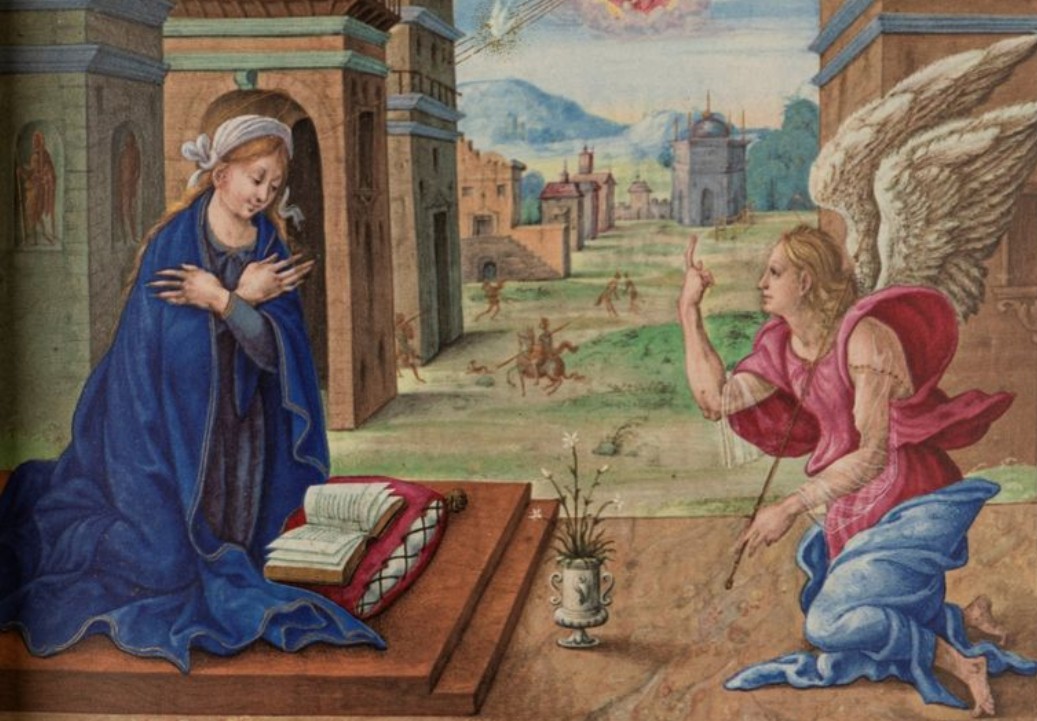
Il Libro d’Ore di Ferrante d’Aragona diventa patrimonio dello Stato: un tesoro rinascimentale da un milione di euro
🇮🇹Il Libro d’Ore di Ferrante d’Aragona entra nel patrimonio dello Stato grazie a una donazione. Capolavoro miniato del Rinascimento, sarà custodito a Napoli… 🇬🇧The Book of Hours of Ferrante of Aragon has become part of the State’s heritage, thanks to a donation. An illuminated masterpiece of the Renaissance, it will be housed in Naples…
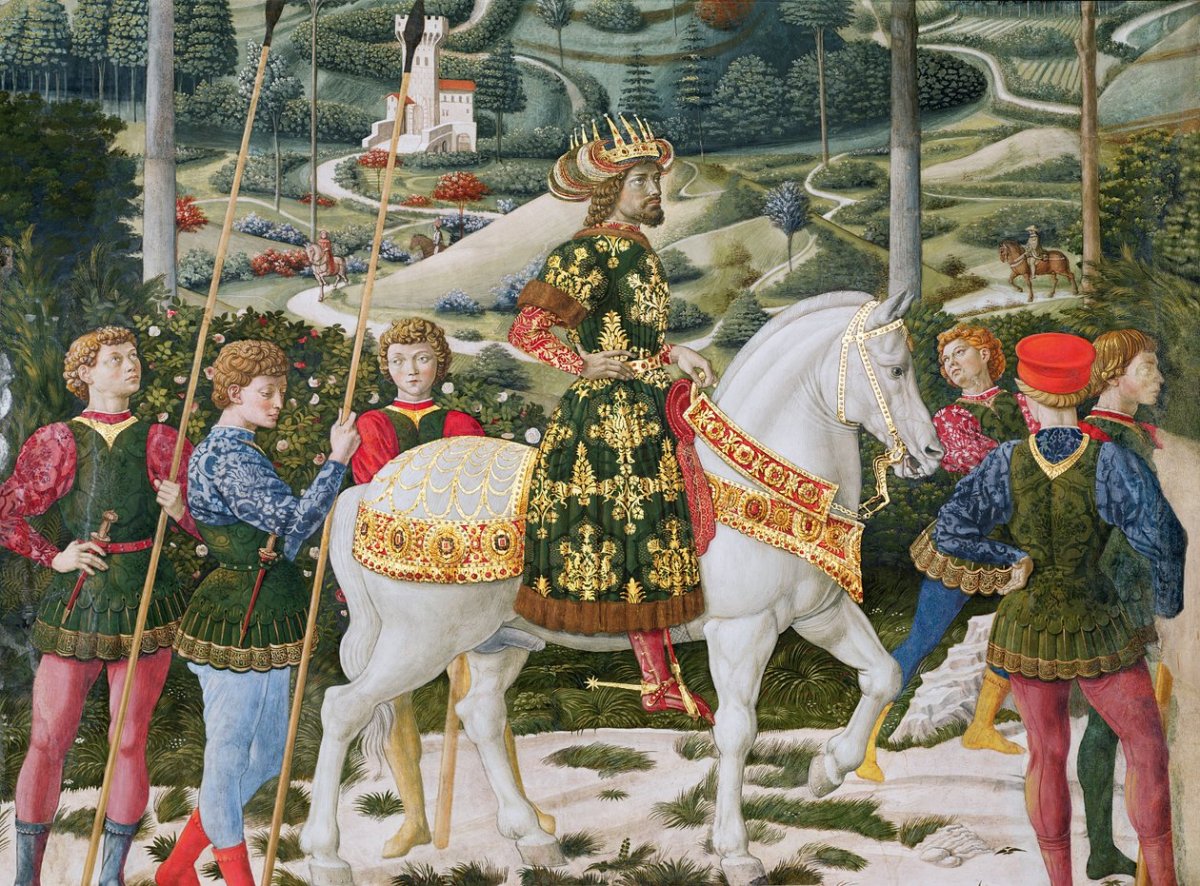
Come si festeggiava il Natale nel Rinascimento? Banchetti, doni e tradizioni raccontati dai dipinti
🇮🇹Come si festeggiava il Natale nel Rinascimento? Dai banchetti nelle dimore signorili al ceppo con i doni per i bambini, scopri le antiche tradizioni natalizie attraverso l’arte… 🇬🇧How was Christmas celebrated during the Renaissance? From banquets in noble residences to the Yule log and gifts for children, discover ancient Christmas traditions through art.
Si è verificato un problema. Aggiorna la pagina e/o riprova in seguito.
Condividi:


Questo sono io





sostienici

Sostienici – Support Us
Se questo blog ti piace e ti appassiona, puoi aiutarci a farlo crescere sempre più sostenendoci in modo concreto condividendo i post, seguendo le pagine social e con un contributo che ci aiuta ad andare avanti con il nostro lavoro di divulgazione. . ENGLISH: If you like and are passionate about this blog, you can help us make it grow more and more by supporting us in a concrete way by sharing posts, following social pages and with a contribution that helps us to move forward with our dissemination work.
€10,00


