

La Resurrezione di Cristo
La Resurrezione di Cristo è un mio disegno a carboncino su carta. Il Cristo è al centro della scena, fra due gruppi di persone disposti entrambi a piramide.
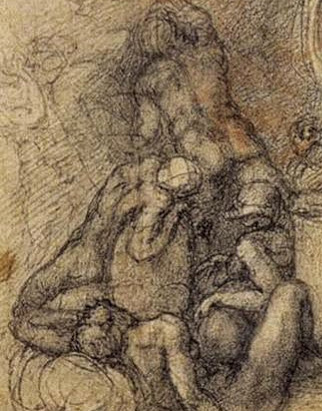
I corpi sono modellati in modo puntuale con un sapiente utilizzo del chiaro scuro. Se guardate bene, nel gruppo di sinistra, potrete vedere una figura appena accennata rapidamente con qualche tratto rapido che pare voler ripararsi dal fascio di luce che il Cristo emana. Proprio quella figura la ripresi anni dopo trovandole una collocazione nella Conversione di San Paolo.
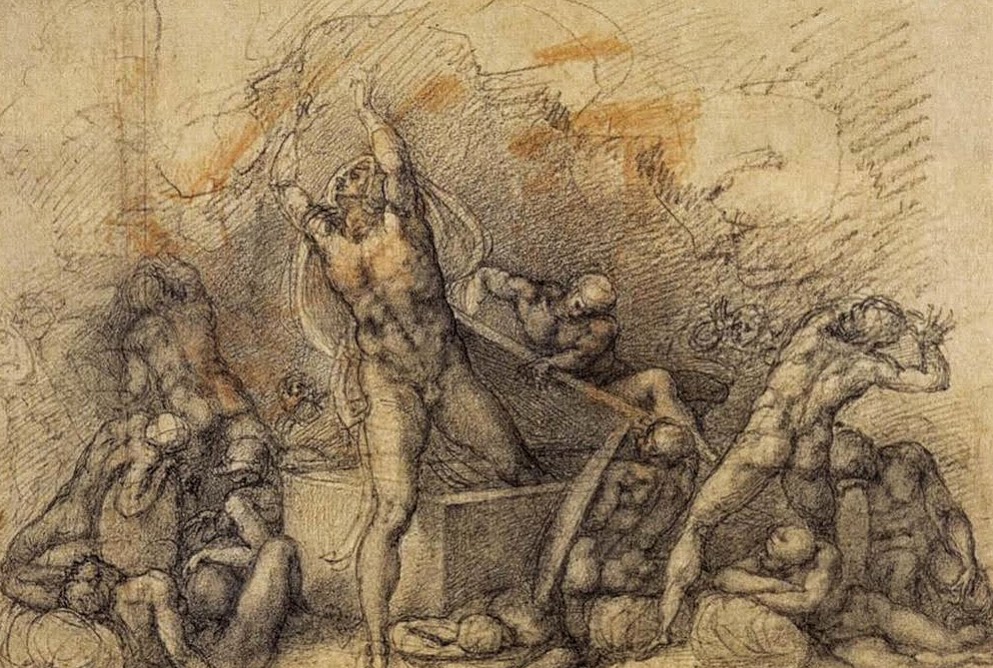
Mentre il sarcofago si apre mentre Cristo in tutta la sua magnificenza risorge, sullo sfondo si intravedono le forme della grotta.
Il sudario pare sottolineare l’ascesa verso il Cielo di Nostro Signore mentre le persone che sembrano o appena destate dal sonno oppure piene di stupore, simboleggiano la prigionia dell’anima nel corpo secondo la visione neoplatonica.

Perché realizzai questo disegno dettagliato e a cos’era destinato?
Ebbene, la scena ben potrebbe racchiudersi in una lunetta. Secondo Popp avrei dovuto dipingerla in una lunetta della Sagrestia Nuova, dedicata appunto al tema della Resurrezione. Non esiste nessuna documentazione che attesti questa ipotesi ma è del tutto plausibile. Le altre due lunette, sempre secondo Popp, avrebbero dovuto accogliere invece gli affreschi con l’attacco dei Serpenti di Fuoco e il Sanamento con il serpente di Bronzo.
Il disegno con la Resurrezione di Cristo oggi appartiene alle collezioni della Royal Library del Castello di Windsor ma è stata posseduta secoli prima anche da Giulio Clovio e da Giorgio III.
Per il momento il vostro Michelangelo Buonarroti vi saluta dandovi appuntamento ai prossimi post e sui social.
The Resurrection of Christ
The Resurrection of Christ is a drawing of mine in charcoal on paper. Christ is at the center of the scene, between two groups of people both arranged in a pyramid.
The bodies are modeled in a precise way with a skilful use of chiaroscuro. If you look closely, in the group on the left, you will be able to see a figure just hinted at quickly with some rapid strokes that seem to want to shelter from the beam of light that Christ emanates. It was that figure that I took up years later, finding a place for it in the Conversion of Saint Paul.
While the sarcophagus opens while Christ resurrects in all his magnificence, the shapes of the cave can be glimpsed in the background.
The shroud seems to emphasize the ascent to Heaven of Our Lord while the people who seem either just awakened from sleep or filled with amazement, symbolize the imprisonment of the soul in the body according to the Neoplatonic vision.
Why did I make this detailed drawing and what was it intended for?
Well, the scene could well be enclosed in a lunette. According to Popp I should have painted it in a lunette of the New Sacristy, dedicated precisely to the theme of the Resurrection. There is no documentation confirming this hypothesis but it is entirely plausible. The other two lunettes, again according to Popp, should have instead housed the frescoes with the attack of the Fire Serpents and the Sanamento with the Bronze Serpent.
The drawing with the Resurrection of Christ today belongs to the collections of the Royal Library of Windsor Castle but was also owned centuries earlier by Julius Clovius and George III.
For the moment, your Michelangelo Buonarroti greets you by giving you an appointment at the next posts and on social networks.

Sostienici – Support Us
Se questo blog ti piace e ti appassiona, puoi aiutarci a farlo crescere sempre più sostenendoci in modo concreto condividendo i post, seguendo le pagine social e con un contributo che ci aiuta ad andare avanti con il nostro lavoro di divulgazione. . ENGLISH: If you like and are passionate about this blog, you can help us make it grow more and more by supporting us in a concrete way by sharing posts, following social pages and with a contribution that helps us to move forward with our dissemination work.
5,00 €
ULTIMI ARTICOLI
Festival La Versiliana 2026: tra musica, teatro e grandi narrazioni
Dal 17 luglio al 23 agosto 2026, la pineta di Marina di Pietrasanta ospiterà la 47ª edizione del Festival La Versiliana. Una kermesse aperta a tutti nella quale linguaggi diversi dialogano tra loro in un equilibrio tra tradizione e contemporaneità.
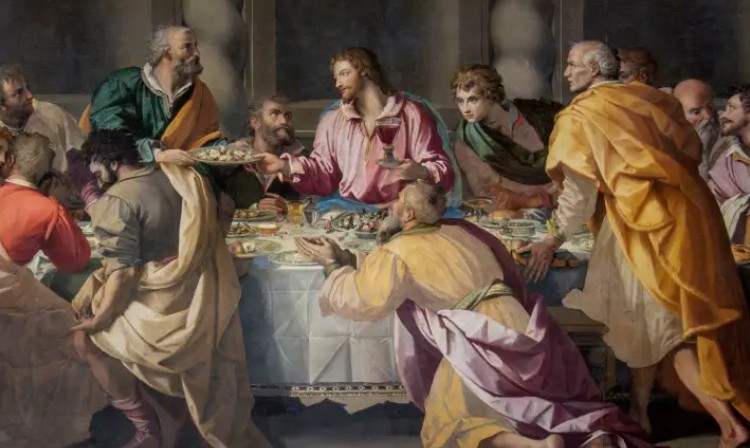
Giovedì Santo: l’Ultima Cena di Allori che pochi conoscono a Firenze
🇮🇹Nel cuore di Museo di Santa Maria Novella, a Firenze, si conserva una delle interpretazioni più affascinanti e meno note dell’Ultima Cena: quella realizzata da Alessandro Allori nel 1584… 🇬🇧In the heart of the Santa Maria Novella Museum in Florence, one of the most fascinating and least-known interpretations of the Last Supper is preserved: the…
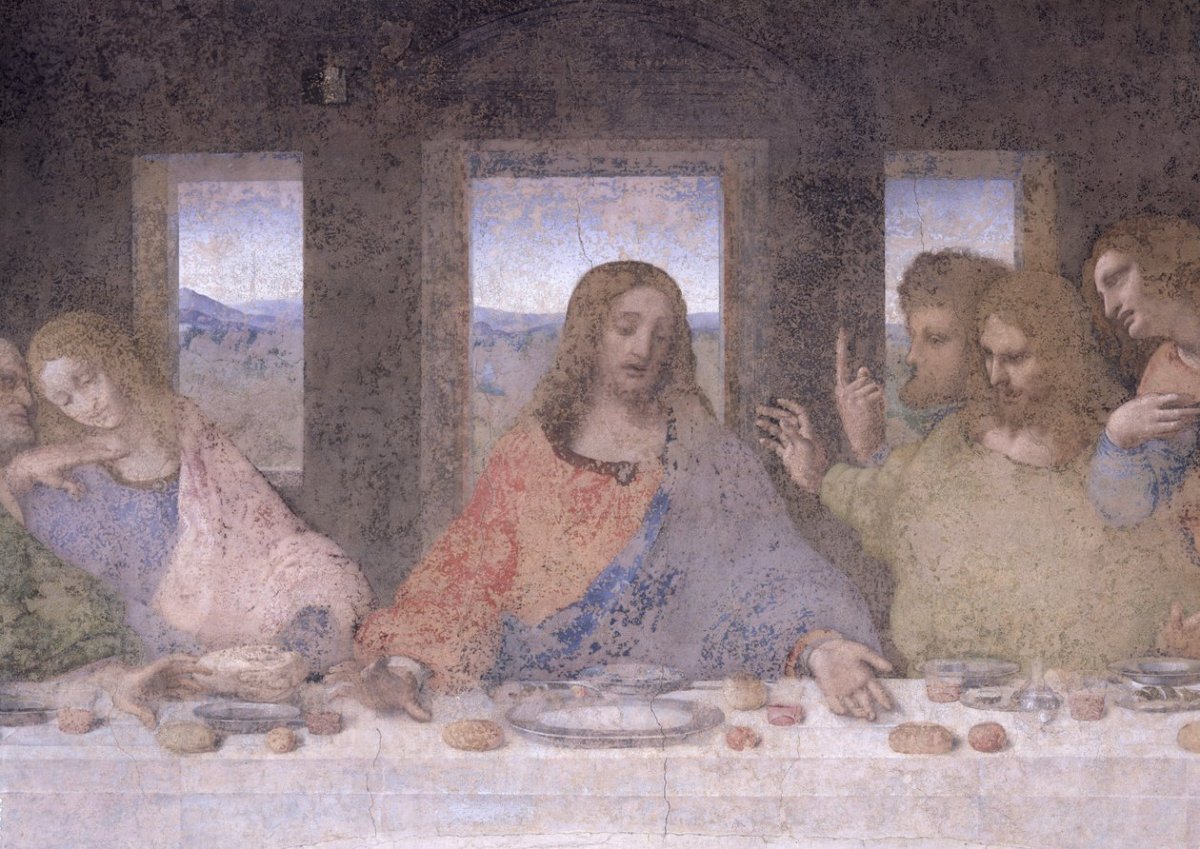
Cenacolo di Leonardo: i dettagli che raccontano il tradimento
🇮🇹Nel Cenacolo di Leonardo da Vinci, custodito a Santa Maria delle Grazie, Cristo annuncia il tradimento e il tempo si ferma… 🇬🇧In Leonardo da Vinci’s Last Supper, housed in Santa Maria delle Grazie, Christ announces the betrayal and time stands still…
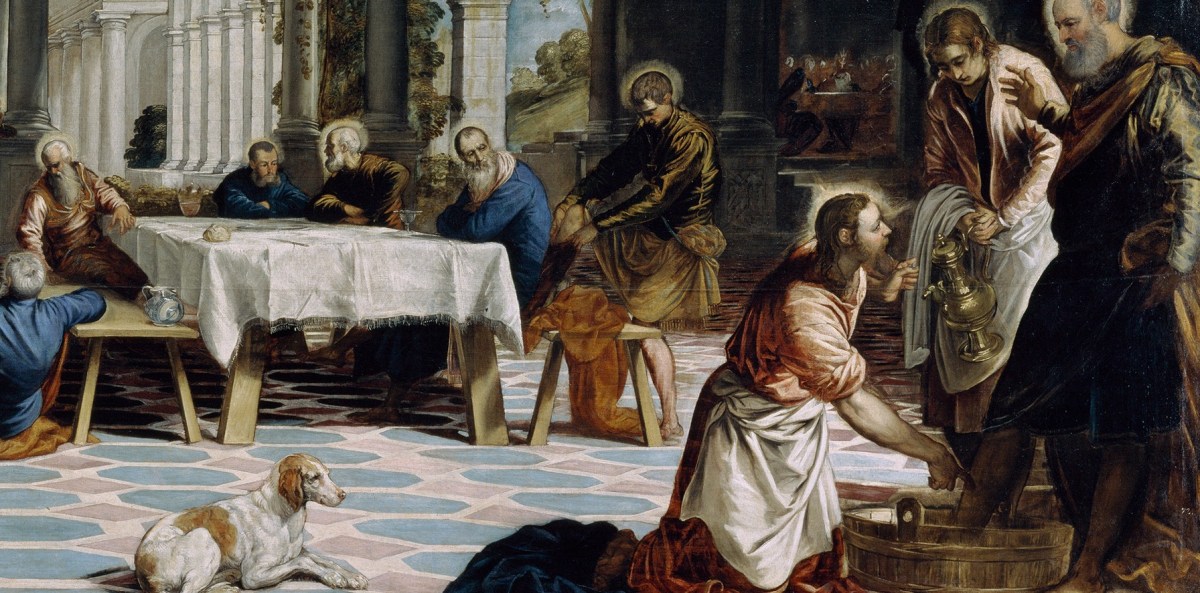
La Lavanda dei Piedi di Tintoretto: Il Capolavoro Veneziano al Prado
🇮🇹Tra i capolavori più affascinanti del Rinascimento veneziano, “La Lavanda dei Piedi” di Jacopo Tintoretto rappresenta un perfetto equilibrio tra spiritualità, innovazione compositiva e straordinaria forza narrativa… 🇬🇧Among the most fascinating masterpieces of the Venetian Renaissance, Jacopo Tintoretto’s “The Washing of the Feet” represents a perfect balance between spirituality, compositional innovation, and extraordinary narrative force…
Si è verificato un problema. Aggiorna la pagina e/o riprova in seguito.
Condividi:


Questo sono io





sostienici

Sostienici – Support Us
Se questo blog ti piace e ti appassiona, puoi aiutarci a farlo crescere sempre più sostenendoci in modo concreto condividendo i post, seguendo le pagine social e con un contributo che ci aiuta ad andare avanti con il nostro lavoro di divulgazione. . ENGLISH: If you like and are passionate about this blog, you can help us make it grow more and more by supporting us in a concrete way by sharing posts, following social pages and with a contribution that helps us to move forward with our dissemination work.
€10,00


1 commento »