
Colonnato del Bernini: non appartiene tutto allo Stato del Vaticano
Il Colonnato del Bernini ha una particolarità che non tutti conoscono: non è stato edificato per intero su territorio vaticano. O meglio, quando è stato innalzato lo era eccome nello stato pontificio ma poi le cose son cambiate e i confini si son ristretti parecchio.

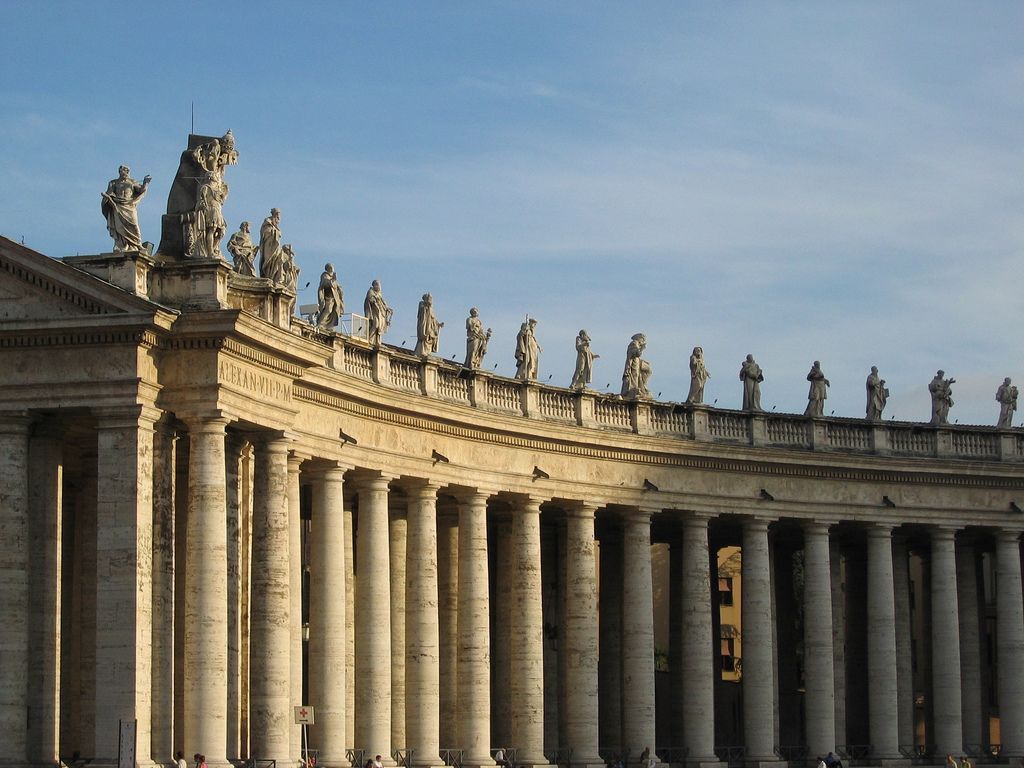
Il grande abbraccio di colonne progettato dal Bernini su commissione di papa Alessandro VII Chigi a partire dal 1657. E’ formato da due emicicli di 4 file di colonne doriche per un totale sono 284 colonne, alte 13 metri ciascuna. Una vera e propria foresta di travertino di Tivoli, coronata da capitelli di ordine tuscanico. Al di sopra del colonnato, la balaustra sorregge le 140 sculture di Santi.
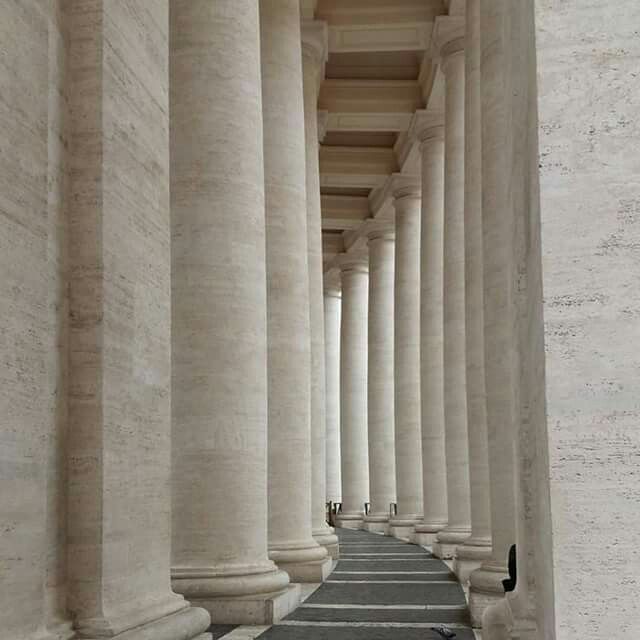
Da quando il Regno d’Italia iniziò a porsi il problema di delimitare il territorio Vaticano sono accadute diverse vicende, alcune delle quali assai curiosi. I confini vennero delineati definitivamente nel 1929 con i Patti Lateranensi e le testate dei due bracci del Colonnato di San Pietro rimasero in territorio italiano.
A delineare il confine in maniera netta e precisa, nella pavimentazione fu inserito un cordolo di travertino. In caso di restauro quindi a chi spetta restaurare la parte del colonnato in Italia? La questione fu risolta nel 2000 in modo rapido.
In occasione del Giubileo del 2000 indetto da papa Giovanni Paolo II, fu restaurato con cura tutta la foresta di colonne progettate dal Bernini, meno che le testate del bracci in territorio italiano. Singolare, no?
Per il momento il vostro Michelangelo Buonarroti vi saluta dandovi appuntamento al prossimo post e sui social.
Bernini’s Colonnade: It Doesn’t All Belong to the Vatican State
Bernini’s Colonnade has a peculiarity that not everyone knows: it was not built entirely on Vatican territory. Or rather, when it was erected it was certainly in the Papal State but then things changed and the borders were considerably reduced.
The great embrace of columns designed by Bernini on commission from Pope Alexander VII Chigi starting in 1657. It is made up of two semi-cycles of 4 rows of Doric columns for a total of 284 columns, 13 meters high each. A veritable forest of Tivoli travertine, crowned by Tuscan-style capitals. Above the colonnade, the balustrade supports the 140 sculptures of Saints.
Since the Kingdom of Italy began to consider the problem of delimiting Vatican territory, several events have occurred, some of which are very curious. The borders were definitively delineated in 1929 with the Lateran Pacts and the ends of the two arms of the Colonnade of St. Peter remained in Italian territory.
To delineate the border clearly and precisely, a travertine kerb was inserted into the pavement. In the event of restoration, who is responsible for restoring the part of the colonnade in Italy? The issue was resolved quickly in 2000.
On the occasion of the Jubilee of 2000 proclaimed by Pope John Paul II, the entire forest of columns designed by Bernini was carefully restored, except for the ends of the arms in Italian territory. Strange, isn’t it?
For the moment, your Michelangelo Buonarroti bids you farewell, making an appointment with you in the next post and on social media.

Sostienici – Support Us
Se questo blog ti piace e ti appassiona, puoi aiutarci a farlo crescere sempre più sostenendoci in modo concreto condividendo i post, seguendo le pagine social e con un contributo che ci aiuta ad andare avanti con il nostro lavoro di divulgazione. . ENGLISH: If you like and are passionate about this blog, you can help us make it grow more and more by supporting us in a concrete way by sharing posts, following social pages and with a contribution that helps us to move forward with our dissemination work.
10,00 €
ULTIMI ARTICOLI
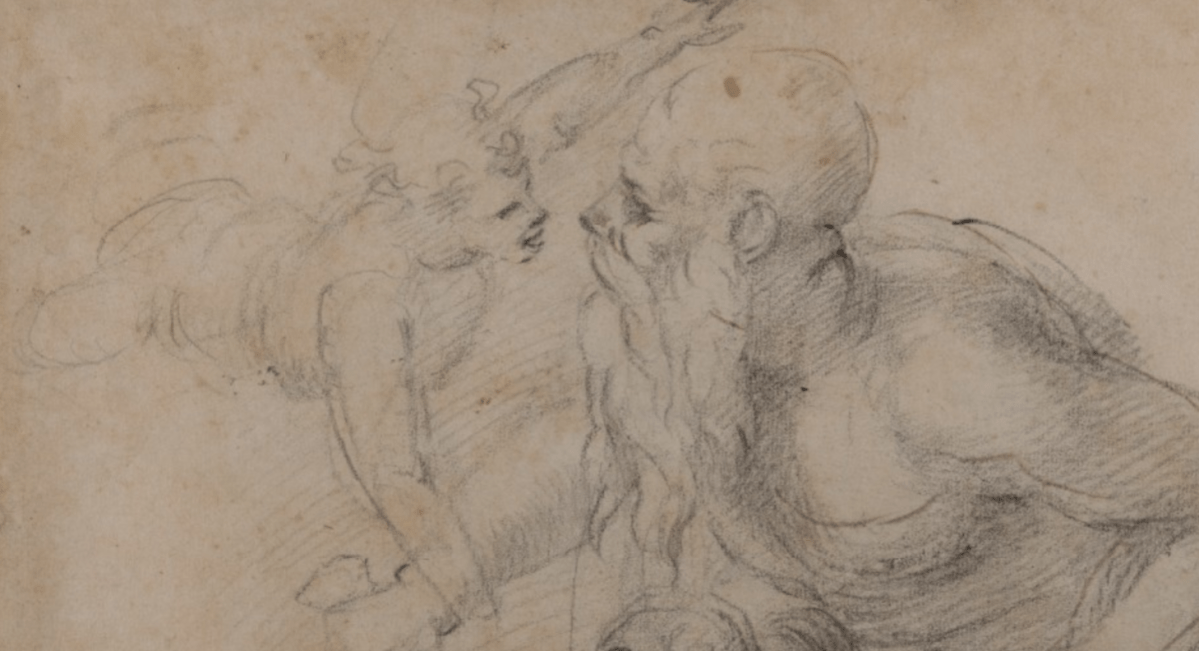
Il Sacrificio di Isacco e quel momento tra la vita e la morte
🇮🇹Oggi voglio raccontarvi alcuni dettagli sul mio disegno del Sacrificio di Isacco, conservato oggi a Casa Buonarroti. Su quel foglio volli tracciare il momento preciso in cui la paura fa spazio al miracolo… 🇬🇧Today I want to tell you some details about my drawing of the Sacrifice of Isaac, now preserved at Casa Buonarroti. On…
Mercoledì Santo: il giorno del tradimento di Giuda affrescato da Giotto
🇮🇹Il Mercoledì Santo è il giorno del silenzio, della riflessione e del tradimento. È il momento in cui Giuda sceglie di vendere Gesù per trenta denari, segnando uno dei passaggi più dolorosi della Settimana Santa…. 🇬🇧Holy Wednesday is a day of silence, reflection, and betrayal. ✝It is the moment when Judas chooses to sell Jesus…
31 marzo 1889: inaugurata la Torre Eiffel tra critiche feroci e un destino inaspettato
🇮🇹Il 31 marzo 1889 segna una data destinata a cambiare per sempre il volto di Parigi e dell’immaginario collettivo globale: viene inaugurata la Torre Eiffel, l’opera più audace e discussa del suo tempo… 🇬🇧March 31, 1889 marks a date destined to change the face of Paris and the global collective imagination forever: the Eiffel Tower,…
Sodoma in mostra a Torino: il Rinascimento al Museo Accorsi-Ometto
🇮🇹Al Museo di Arti Decorative Accorsi-Ometto arriva una mostra dedicata al Sodoma: oltre 50 opere, alcune mai viste prima, raccontano la formazione dell’artista e il suo dialogo con maestri come Pinturicchio… 🇬🇧An exhibition dedicated to Sodoma arrives at the Accorsi-Ometto Museum of Decorative Arts: over 50 works, some never before seen, recount the artist’s development…
Si è verificato un problema. Aggiorna la pagina e/o riprova in seguito.
Condividi:


Questo sono io





sostienici

Sostienici – Support Us
Se questo blog ti piace e ti appassiona, puoi aiutarci a farlo crescere sempre più sostenendoci in modo concreto condividendo i post, seguendo le pagine social e con un contributo che ci aiuta ad andare avanti con il nostro lavoro di divulgazione. . ENGLISH: If you like and are passionate about this blog, you can help us make it grow more and more by supporting us in a concrete way by sharing posts, following social pages and with a contribution that helps us to move forward with our dissemination work.
€10,00


1 commento »