

La palla dorata del Duomo di Firenze: la storia
La palla d’oro in cima alla cupola del Brunelleschi ha attraversato nei secoli numerose disavventure ma è sempre lì a fare bella mostra di se. Fu l’orafo e artista Andrea del Verrocchio a progettarla prima e a realizzarla poi a partire dal 1468.
Per coronare la lanterna, il Verrocchio pensò a una sfera di due metri e mezzo di diametro in rame coperta d’oro. Per riuscire a reperire il rame necessario, il Verrocchio andò fino a Venezia per trovarne di ottima qualità. Appena reperito il materiale di cui aveva bisogno, lo inviò a Firenze in due carichi distinti: un carico di sei pezzi lo inviò nell’agosto del 1469 e i rimanenti due pezzi li spedì nell’ottobre del medesimo anno.
Erano quasi 20 quintali di rame quelle che furono issate sulla lucerna della cupola il 27 maggio del 1471 ma avevano fatto i conti senza l’oste. Tutto quel metallo lassù in alto sarebbe stato un perfetto attira-fulmini.
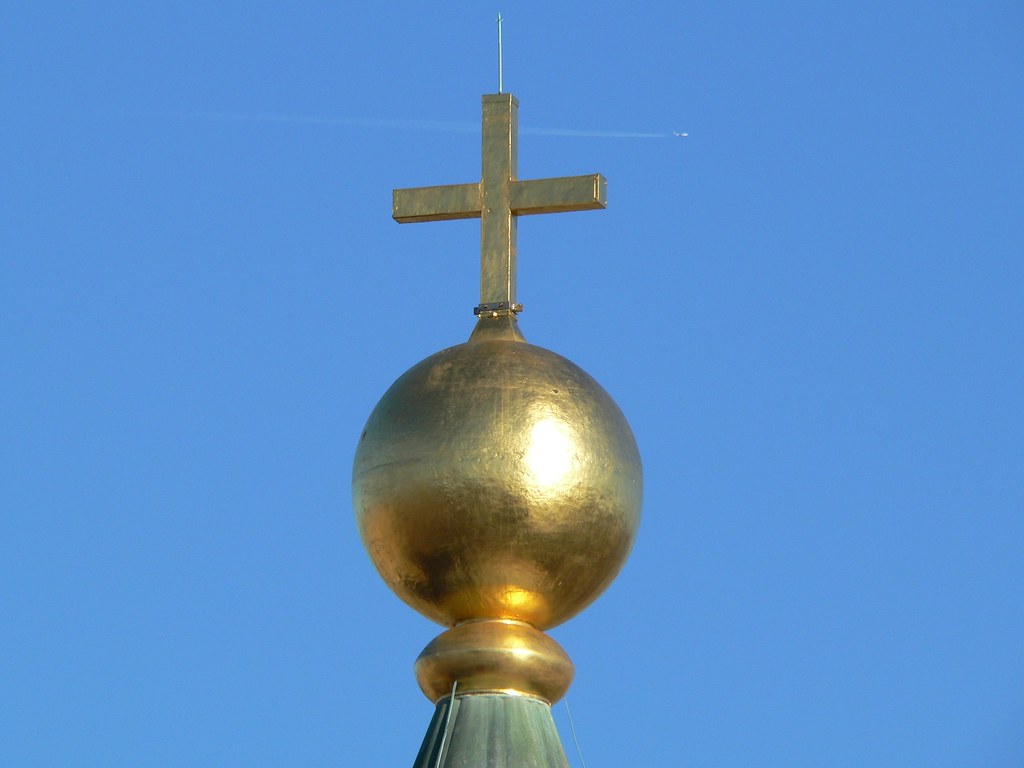
Se ne resero ben presto conto. Il 5 aprile del 1492 un fulmine la colpì rovinando un terzo della lanterna e provocando il crollo a terra di tegole in almeno cinque punti diversi della cupola. Un danno molto grande che fu quantificato in 5mila fiorini. L’Opera del Duomo pensò di rifare la lucerna per interno visto quanto era rovinata ma poi optarono per sistemare quella rimasta e reintegrare le porzioni mancanti.
Quel fulmine fu interpretato come segno di sciagura, quasi annunciasse la morte del Magnifico che sarebbe avvenuta solo tre giorni dopo.
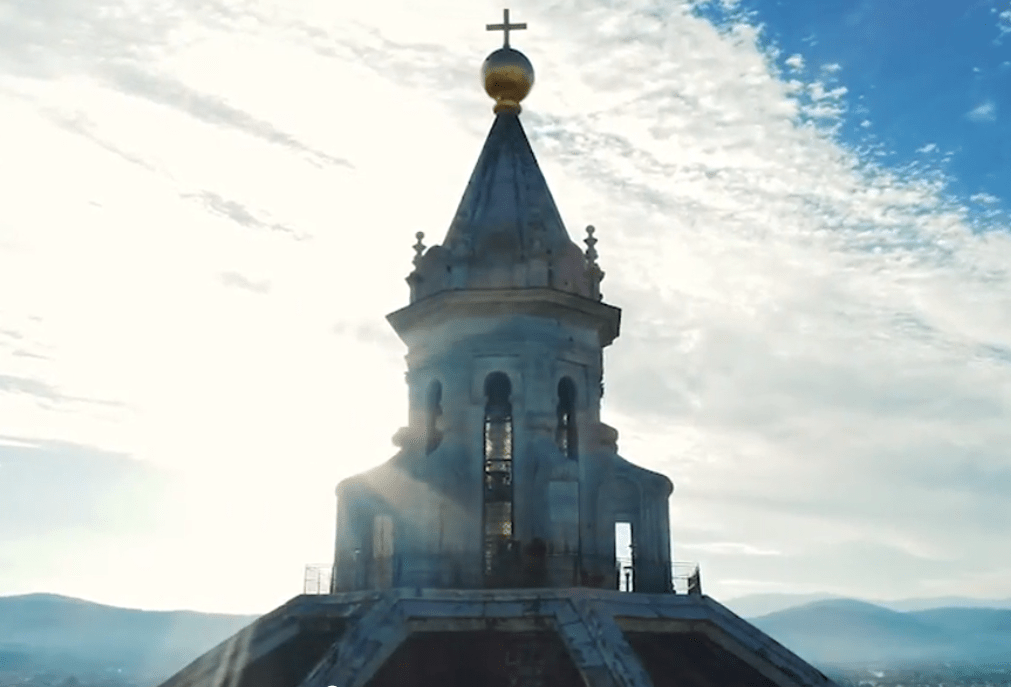
Da quell’evento in poi furono circa una trentina i fulmini che colpirono la palla e il lucernario. Alcune saette provocarono importanti disastri, altre invece causarono danni minori.
Fra i fulmini peggiori ricordati c’è quello del 1600. La notte fra il 26 e il 27 gennaio del 1601 la palla del Verrocchio fu colpita con una tale violenza che cadde a terra, sul lastricato di Piazza del Duomo.
Se vi capita di transitare nei pressi del duomo fateci caso. Dal lato dove c’è la Gabbia per Grilli, come la definii io, noterete sulla pavimentazione un disco bianco di marmo: ecco, quello è il punto in cui cadde la sfera dorata.

C’è uno scritto assai dettagliato di questo evento che ci ha lasciato in eredità Fernando Leopoldo del Migliore. Racconta che a cadere, oltre la palla, furono anche un gran numero di schegge di marmo fatte schizzare via con tanta fora che arrivarono anche in via de’ Servi.
La palla in quell’occasione fu fortemente danneggiata ma con un laborioso e lungo restauro con tanto di integrazioni, il Manetti la rimise in sesto.

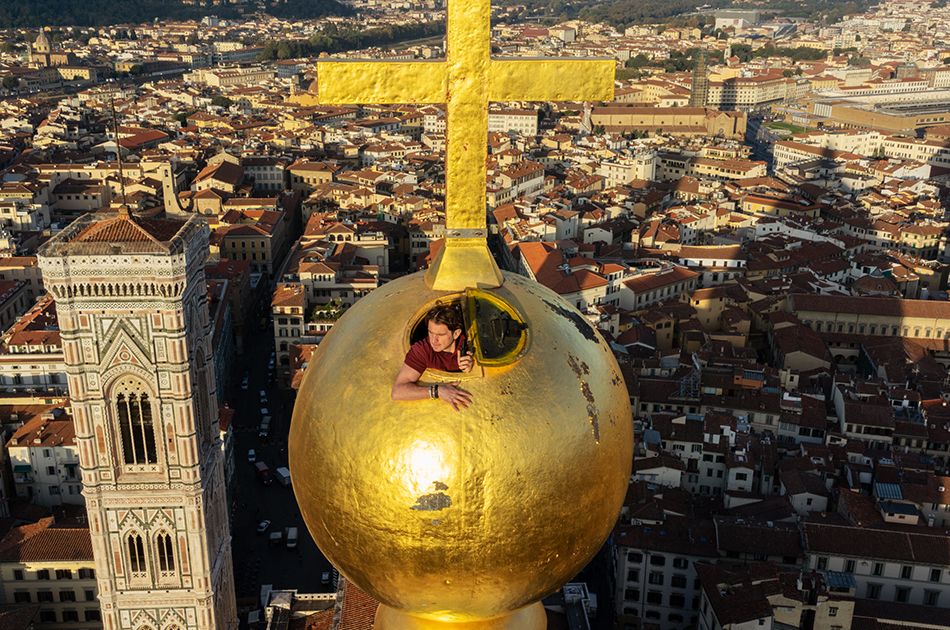
La palla dorata del Verrocchio si raggiunge dopo 463 scalini e domina Firenze dall’alto, a 116 metri da terra. Mentre il pubblico può arrivare fino alla base della lanterna, Carlo Tacconi tre volte all’anno si affaccia sul vuoto entrando dentro quella sfera così preziosa e aprendo lo sportello per controllare che anche la croce che c’è sopra non mostri segni di cedimento. Tacconi è il coordinatore dell’Edilizia dell’Opera di Santa Maria del Fiore che si fa carico tutto l’anno della manutenzione del Duomo.
Il sempre vostro Michelangelo Buonarroti e i suoi racconti
The golden ball of the Florence Cathedral: the history
The golden ball on top of Brunelleschi’s dome has gone through numerous misadventures over the centuries but is always there to make a fine show of itself. It was the goldsmith and artist Andrea del Verrocchio who first designed it and then built it starting in 1468.
To crown the lantern, Verrocchio thought of a sphere two and a half meters in diameter in copper covered with gold. To be able to find the necessary copper, Verrocchio went as far as Venice to find it of excellent quality. As soon as he found the material he needed, he sent it to Florence in two distinct loads: a load of six pieces he sent in August 1469 and the remaining two pieces he sent in October of the same year.
Almost 20quintals of copper were hoisted onto the dome’s lamp on May 27, 1471 but had been reckoned without the host. All that metal up there would be a perfect lightning puller.
They soon realized this. On April 5, 1492, lightning struck it, ruining a third of the lantern and causing tiles to collapse to the ground in at least five different points of the dome. A very large damage which was quantified in 5 thousand florins. The Opera del Duomo thought of redoing the lamp for the interior given how much it was ruined but then they opted to fix the remaining one and replenish the missing portions.
That thunderbolt was interpreted as a sign of doom, as if it announced the death of the Magnificent which would take place only three days later.
Since that event, about thirty lightning strikes hit the ball and the skylight. Some lightning bolts caused major disasters, while others caused minor damage.
Among the worst lightnings mentioned is that of 1600. On the night between 26 and 27 January 1601, Verrocchio’s ball was hit with such violence that it fell to the ground, on the pavement of Piazza del Duomo.
If you happen to pass by the cathedral, pay attention to it. On the side where the Cage for Crickets is, as I defined it, you will notice a white marble disk on the floor: here, that is the point where the golden sphere fell.
There is a very detailed writing of this event that Fernando Leopoldo del Migliore bequeathed to us. He says that, besides the ball, a large number of splinters of marble were also blown away with such a hole that they even reached via de ’Servi.
The ball on that occasion was heavily damaged but with a laborious and long restoration complete with additions, Manetti put it back on track.
The golden ball of Verrocchio can be reached after 463 steps and dominates Florence from above, 116 meters above the ground. While the public can reach the base of the lantern, Carlo Tacconi faces the void three times a year by entering that precious sphere and opening the door to check that even the cross above it does not show signs of abating. Tacconi is the building coordinator of the Opera di Santa Maria del Fiore who takes care of the maintenance of the Cathedral all year round.
Always yours Michelangelo Buonarroti and his stories

Sostienici – Support Us
Se questo blog ti piace e ti appassiona, puoi aiutarci a farlo crescere sempre più sostenendoci in modo concreto condividendo i post, seguendo le pagine social e con un contributo che ci aiuta ad andare avanti con il nostro lavoro di divulgazione. . ENGLISH: If you like and are passionate about this blog, you can help us make it grow more and more by supporting us in a concrete way by sharing posts, following social pages and with a contribution that helps us to move forward with our dissemination work.
5,00 €
ULTIMI ARTICOLI
Al via il restauro del basamento del Perseo al Bargello con un cantiere visibile al pubblico
🇮🇹Al Museo Nazionale del Bargello prende il via il restauro del basamento del Perseo di Benvenuto Cellini. Il cantiere sarà visibile al pubblico… 🇬🇧The restoration of the base of Benvenuto Cellini’s Perseus begins at the Bargello National Museum. The work will be open to the public…
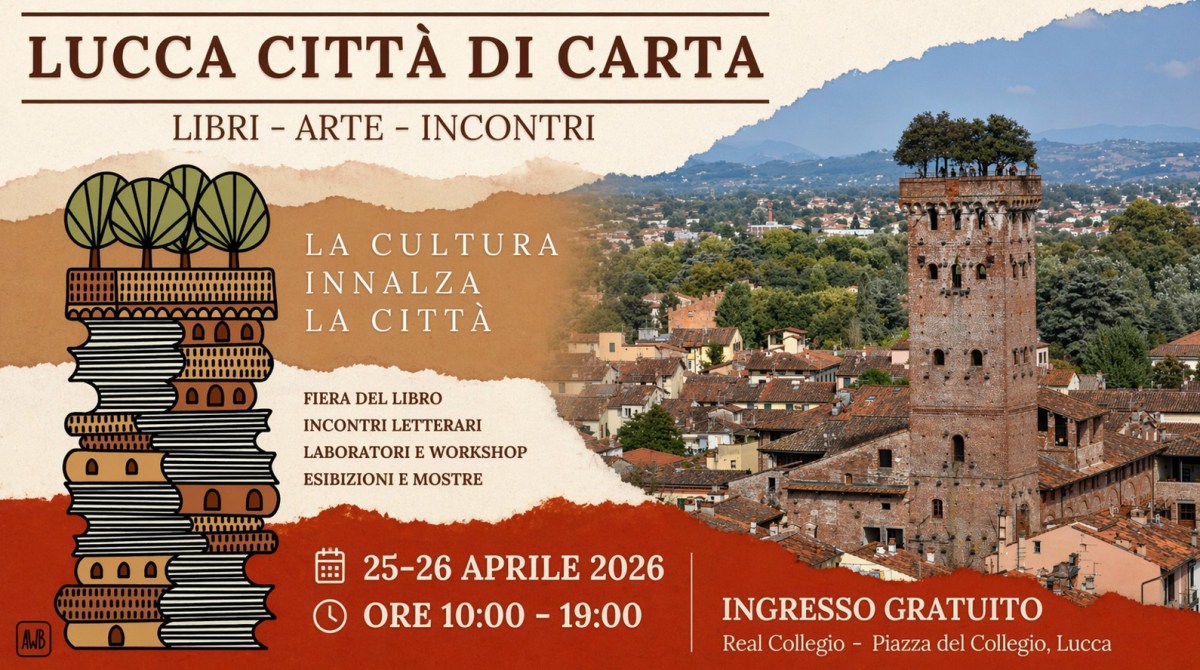
Lucca Città di Carta 2026: il 25 e 26 aprile tra libri, arte e creatività
🇮🇹Lucca profuma di carta, storie e creatività. Sabato 25 e domenica 26 aprile torna uno degli appuntamenti culturali più originali della Toscana: il festival Lucca Città di Carta, che animerà gli spazi del Real Collegio di Lucca con un ricco programma… 🇬🇧Lucca smells of paper, stories, and creativity. On Saturday, April 25th and Sunday, April…
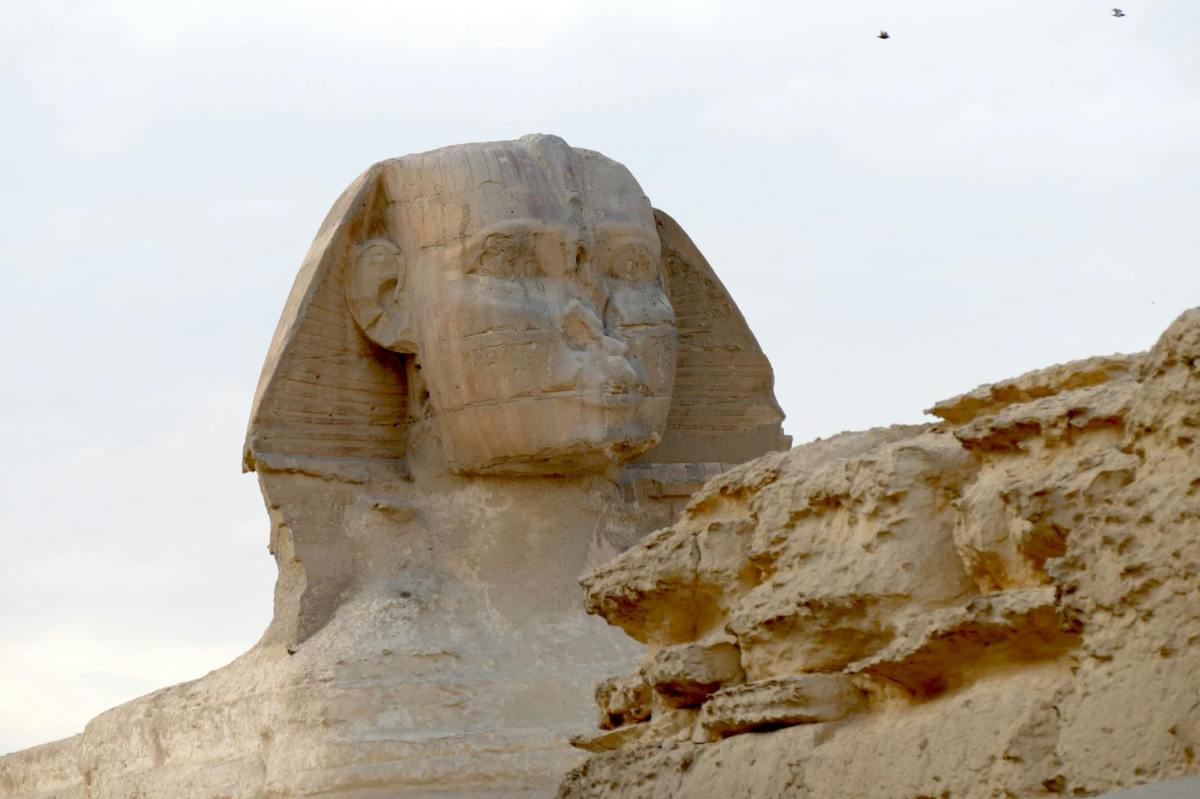
Frammento dell’Iliade in una mummia in Egitto: scoperta straordinaria a Oxyrhynchus
🇮🇹Ritrovato a Oxyrhynchus un papiro con il “Catalogo delle navi” di Omero inserito intenzionalmente in un rituale di mummificazione: un caso unico nel mondo antico… 🇬🇧A papyrus containing Homer’s “Catalogue of Ships” intentionally inserted into a mummification ritual was found in Oxyrhynchus: a unique case in the ancient world…
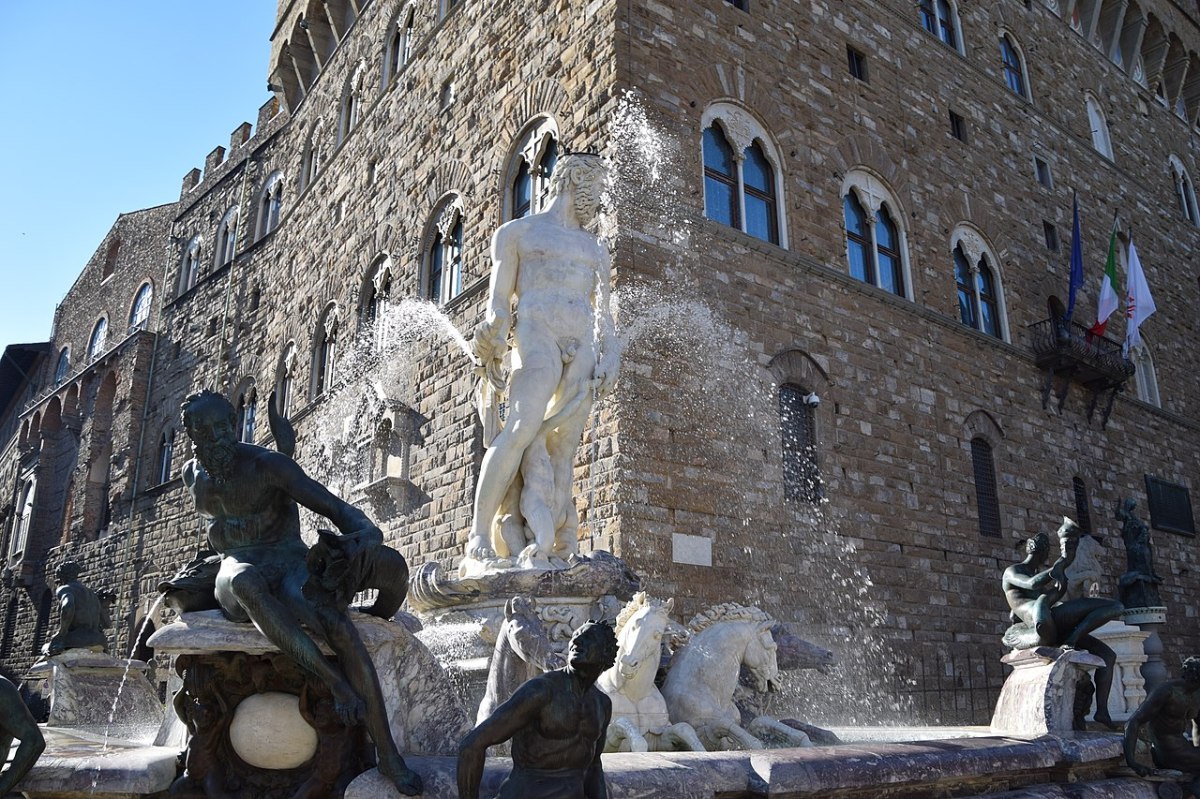
Firenze shock: si arrampica sul Biancone e danneggia la fontana del Nettuno
🇮🇹Firenze, turista si arrampica sul Biancone dell’Ammannati: danneggiamenti alle zampe dei cavalli della fontana e a un fregio… 🇬🇧Florence, a tourist climbs Ammannati’s Biancone fountain: damage to the fountain’s horses’ hooves and a frieze…
Si è verificato un problema. Aggiorna la pagina e/o riprova in seguito.
Condividi:


Questo sono io





sostienici

Sostienici – Support Us
Se questo blog ti piace e ti appassiona, puoi aiutarci a farlo crescere sempre più sostenendoci in modo concreto condividendo i post, seguendo le pagine social e con un contributo che ci aiuta ad andare avanti con il nostro lavoro di divulgazione. . ENGLISH: If you like and are passionate about this blog, you can help us make it grow more and more by supporting us in a concrete way by sharing posts, following social pages and with a contribution that helps us to move forward with our dissemination work.
€10,00


Quasi 20 quintali, non tonnellate!
"Mi piace""Mi piace"
certo, una mia distrazione che provvedo a correggere. Grazie per avermelo segnalato
"Mi piace""Mi piace"