

L’autoritratto irato
Scartabellando qua e là ho ritrovato questo disegno di cui voglio parlarvi oggi. Sapete che è un mio autoritratto?
Un autoritratto un po’ particolare, ecco: mi son voluto ritrarre in uno dei miei tanti moti d’ira. Beh, diciamo che la calma e il sangue freddo non erano fra le mie qualità migliori. Io sarei stato anche pacato se non m’avessero dato continuamente buoni motivi per andare fuori dai gangheri.
In questo disegno ho voluto un po’ mettermi a nudo in maniera ironica, studiando con particolare attenzione il moto dell’anima e i modi in cui si manifesta. Guardate i capelli che l’incontenibile rabbia arriccia al di sotto del turbante. La barba si scompiglia nel moto d’ira e la bocca si spalanca mettendo in mostra i denti.
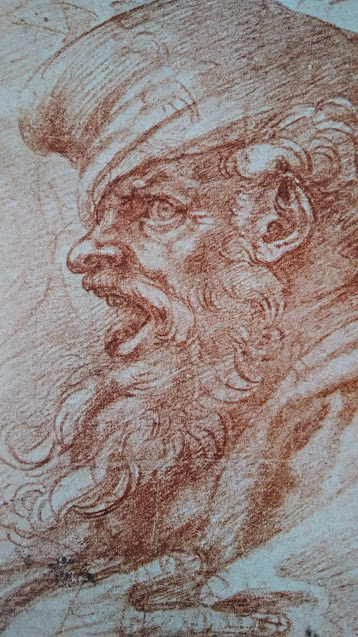
Cosa ha condotto gli esperti a pensare si possa trattare di un autoritratto?
Ebbene, gli indizi maggiori sono la forma del naso con le narici larghe, assai arcuate e rese ancora più evidenti dall’impeto del momento. Anche gli zigomi sono sovrapponibili ai miei così come m’appartiene la barba divisa in due punte.
La mano sembra proprio essere la mia: è la stessa con le dita lunghe e muscolose che disegnai anche in quello che ora si chiama Codice Vaticano 3211. Non solo: le mie mani vennero dipinte così anche nel cosiddetto ritratto Strozzi, attribuito a Iacopino del Conte.
E poi c’è il turbante. A guardarlo bene pare rievocare atmosfere esotiche tutt’altro che rinascimentali ma in realtà non ha niente a che vedere con vezzi e abbellimenti vari. Non era altro che un cencio che gli scultori avevano l’abitudine di avvolgersi al capo. Non solo proteggeva la testa dl polverone e dalle schegge ma riparava in estate dal sole e in inverno dal freddo. Asciugando il sudore della fronte evitava che sgocciolasse negli occhi portandosi dietro la polvere di marmo e creando dei grandi bruciori.
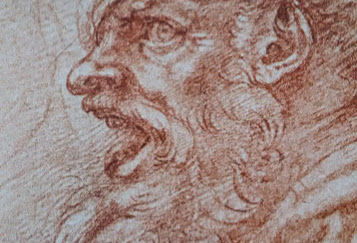
L’occhio non è in asse con il capo: probabilmente mi guardavo riflesso in uno specchio mentre ricopiavo a sanguigna i lineamenti. È un autoritratto ironico: ogni tanto m’andava di scherzare pure a me. Chissà con chi fossi arrabbiato in quel modo. Quella mano portata al petto poi pare voglia mettere in chiaro che ad aver ragione fossi sempre e solo io.
Questo autoritratto ironico appartiene alle collezioni dell’Ashmolean Museum di Oxford. Il sempre vostro Michelangelo Buonarroti e i suoi racconti quotidiani.
The irate self-portrait
Here and there I have rediscovered this design that I want to tell you today. Do you know it’s a self-portrait of mine? A rather particular self-portrait, that’s it: I wanted to portray myself in one of my many motions of anger. Well, let’s say that calm and coolness weren’t among my best qualities. I would have also been calm if I had not been continually given good reasons to go mad.
In this design, I wanted to lay bare myself in an ironic way, studying with particular attention the movement of the soul and the ways in which it manifests itself. Look at the hair that the irrepressible anger curls beneath the turban. The beard messes with anger and the mouth opens wide showing the teeth.
What led the experts to think it could be a self-portrait? Well, the major clues are the shape of the nose with the wide nostrils, very arched and made even more evident by the momentum. Even the cheekbones are superimposable on mine as well as the beard divided into two points.
The hand seems to be mine: it is the same with the long and muscular fingers that I also drew in what is now called the Vatican Code 3211. Not only that: my hands were also painted in the so-called Strozzi portrait, attributed to Iacopino del Conte .
And then there’s the turban. Looking at it well it seems to evoke exotic atmospheres that are anything but Renaissance but in reality it has nothing to do with various charms and embellishments. It was nothing but a rag that the sculptors used to wrap around their heads. Not only did it protect the head from dust and splinters but it protected the sun from the cold and the winter from the winter. Wiping the sweat from his forehead, he avoided dripping in his eyes, taking marble dust with him and creating great burns.
The eye is not in line with the head: I probably looked at myself reflected in a mirror while I copied the features to sanguine. It is an ironic self-portrait: sometimes I liked to joke. I was not as serious and angry as we often want to believe. Who knows who I was angry with like that. That hand brought to the chest then seems to want to make it clear that to be right I was always and only me.
This ironic self-portrait belongs to the collections of the Ashmolean Museum in Oxford. Your always Michelangelo Buonarroti and his daily stories.
ULTIMI ARTICOLI
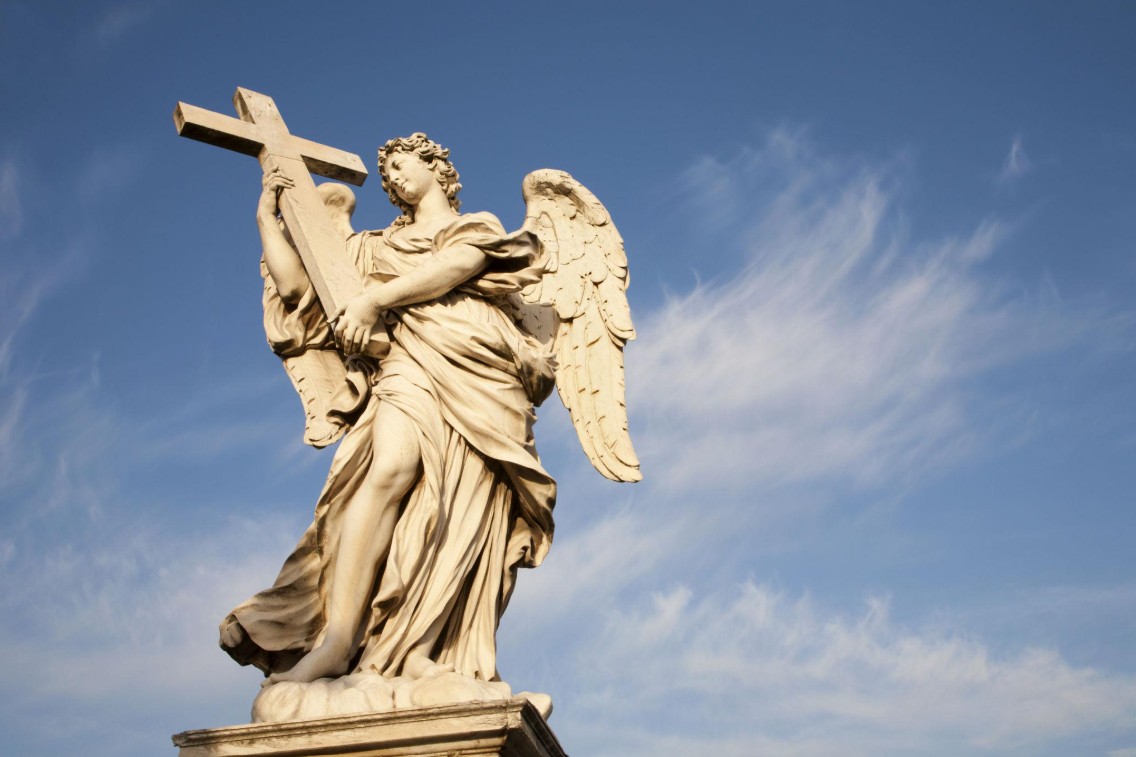
Ercole Ferrata: il grande scultore che lavorò accanto a Bernini
🇮🇹Chi era Ercole Ferrata? Scopri le opere dello scultore barocco che collaborò con Bernini: dall’Angelo con la Croce all’elefante della Minerva… 🇬🇧Who was Ercole Ferrata? Discover the works of the Baroque sculptor who collaborated with Bernini—from the *Angel with the Cross* to the elephant of the Minerva…
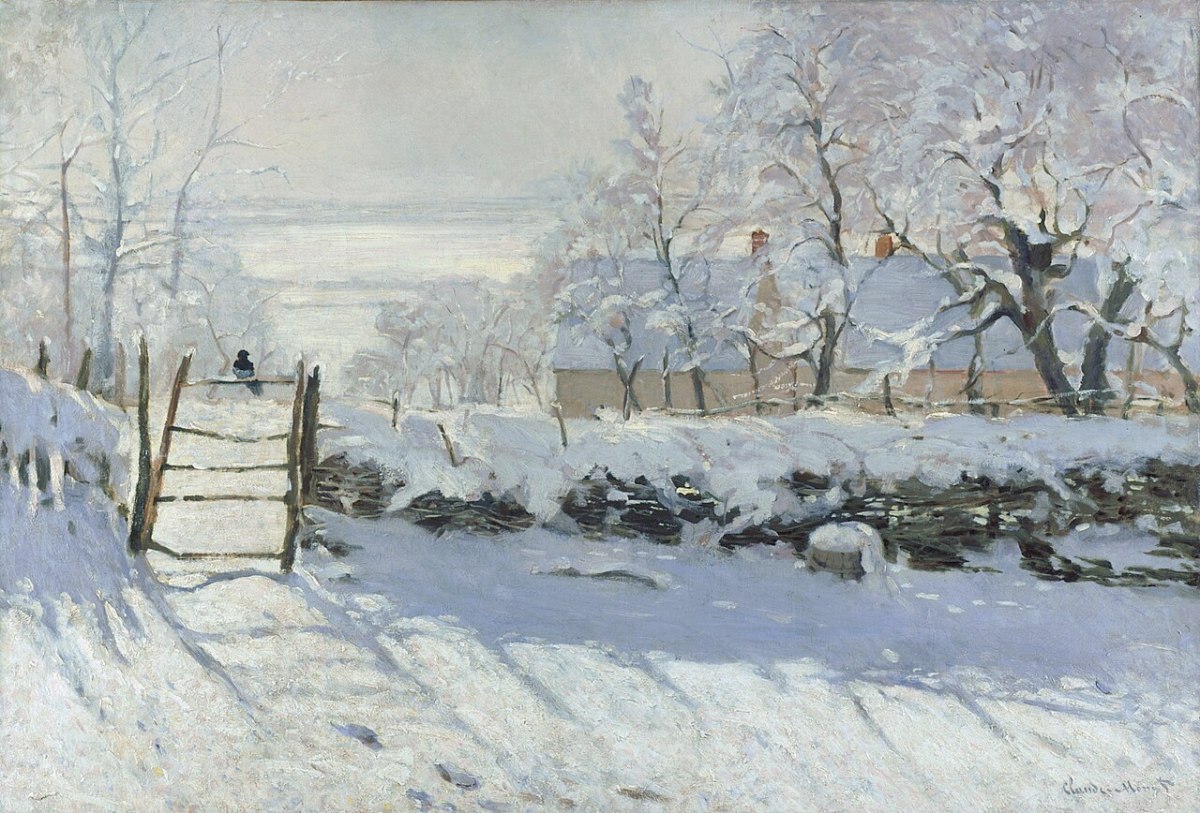
Il Natale di una volta nei dipinti: neve, case e tradizioni che abbiamo dimenticato
🇮🇹Neve, case e antiche tradizioni: scopri il Natale nascosto nei dipinti dei grandi maestri, tra paesaggi invernali, vita quotidiana e usanze dimenticate… 🇬🇧Snow, homes, and ancient traditions: discover Christmas as hidden within the paintings of the great masters—amidst winter landscapes, daily life, and forgotten customs…
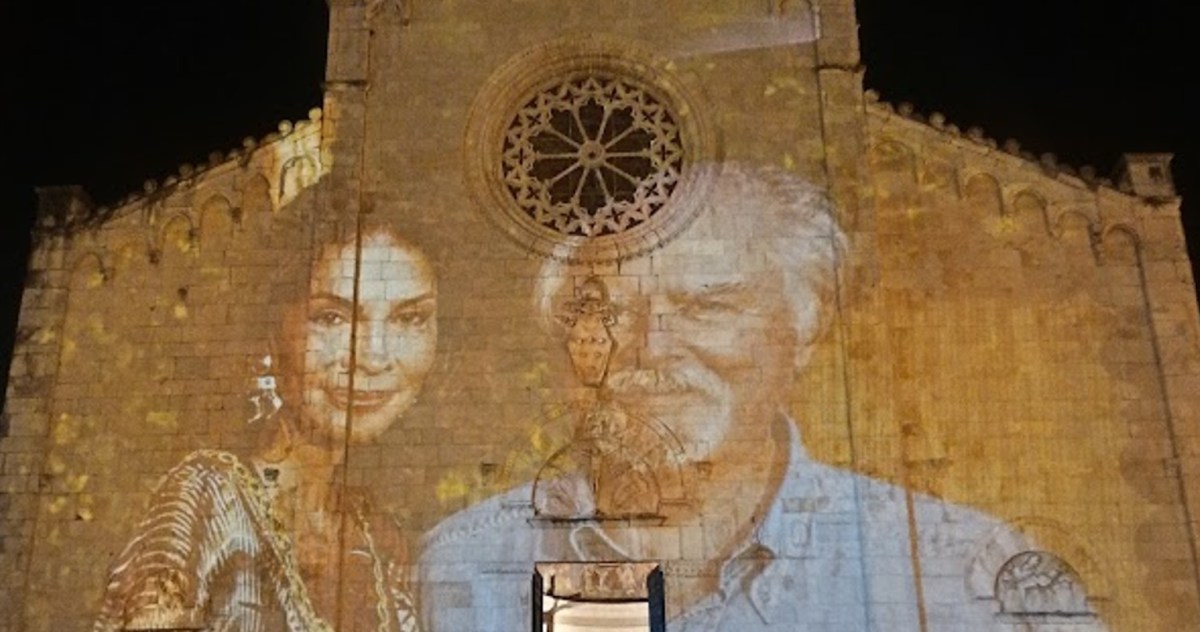
Pietrasanta: un museo per Fernando Botero
🇮🇹Pietrasanta prepara un museo dedicato a Fernando Botero con circa 90 bozzetti a Palazzo Panichi. Il legame con la città che lo nominò cittadino onorario nel 2001… 🇬🇧Pietrasanta is preparing a museum dedicated to Fernando Botero, featuring around 90 sketches at Palazzo Panichi. This reflects his connection to the city, which named him an honorary…
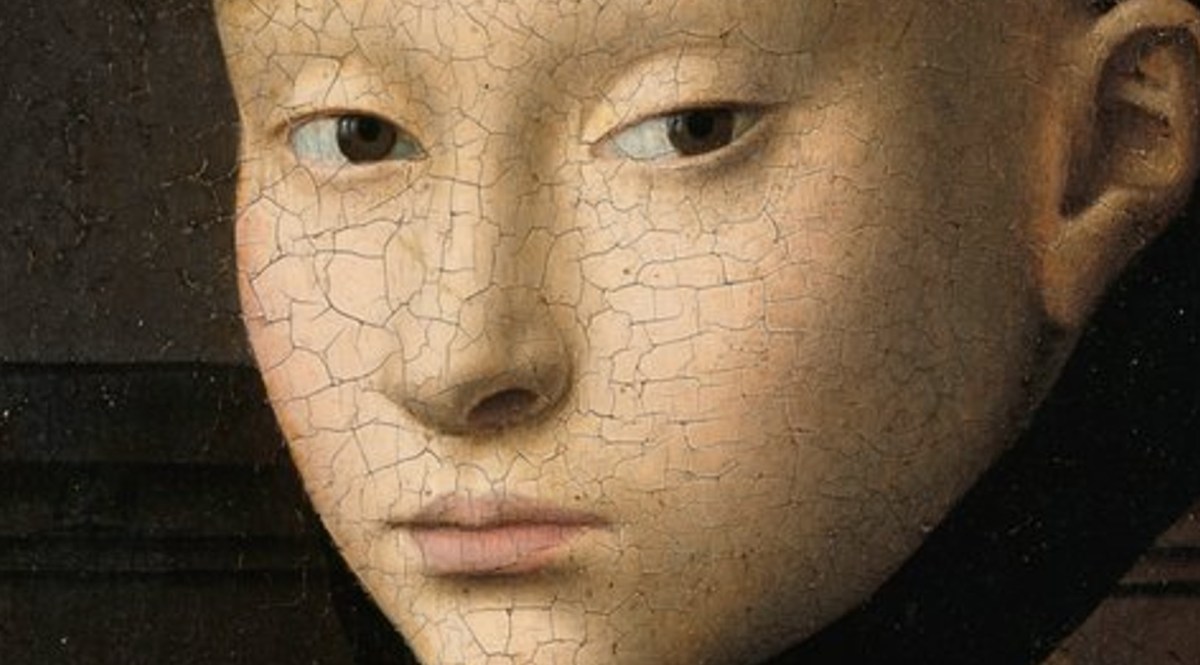
Il ritratto enigmatico di Petrus Christus
🇮🇹Chi è la giovane ritratta da Petrus Christus? Un volto misterioso, abiti preziosi e la luce del capolavoro fiammingo del 1470… 🇬🇧Who is the young woman portrayed by Petrus Christus? A mysterious face, exquisite attire, and the light of a Flemish masterpiece from 1470…
Si è verificato un problema. Aggiorna la pagina e/o riprova in seguito.
Condividi:


Questo sono io




sostienici

Sostienici – Support Us
Se questo blog ti piace e ti appassiona, puoi aiutarci a farlo crescere sempre più sostenendoci in modo concreto condividendo i post, seguendo le pagine social e con un contributo che ci aiuta ad andare avanti con il nostro lavoro di divulgazione. . ENGLISH: If you like and are passionate about this blog, you can help us make it grow more and more by supporting us in a concrete way by sharing posts, following social pages and with a contribution that helps us to move forward with our dissemination work.
€10,00


L’ha ribloggato su Pittura1arte2disegno3 Community Artistica Culturale.
"Mi piace""Mi piace"