

I miei Prigioni del Louvre: spostamento necessario o temerario?
Se avessi potuto, li avrei inchiodati al suolo i miei due Prigioni del Louvre. No non è crudeltà ma amore per la loro conservazione per le generazioni futura. Il marmo ha lunga memoria lunga ma nervi a fior di pelle.
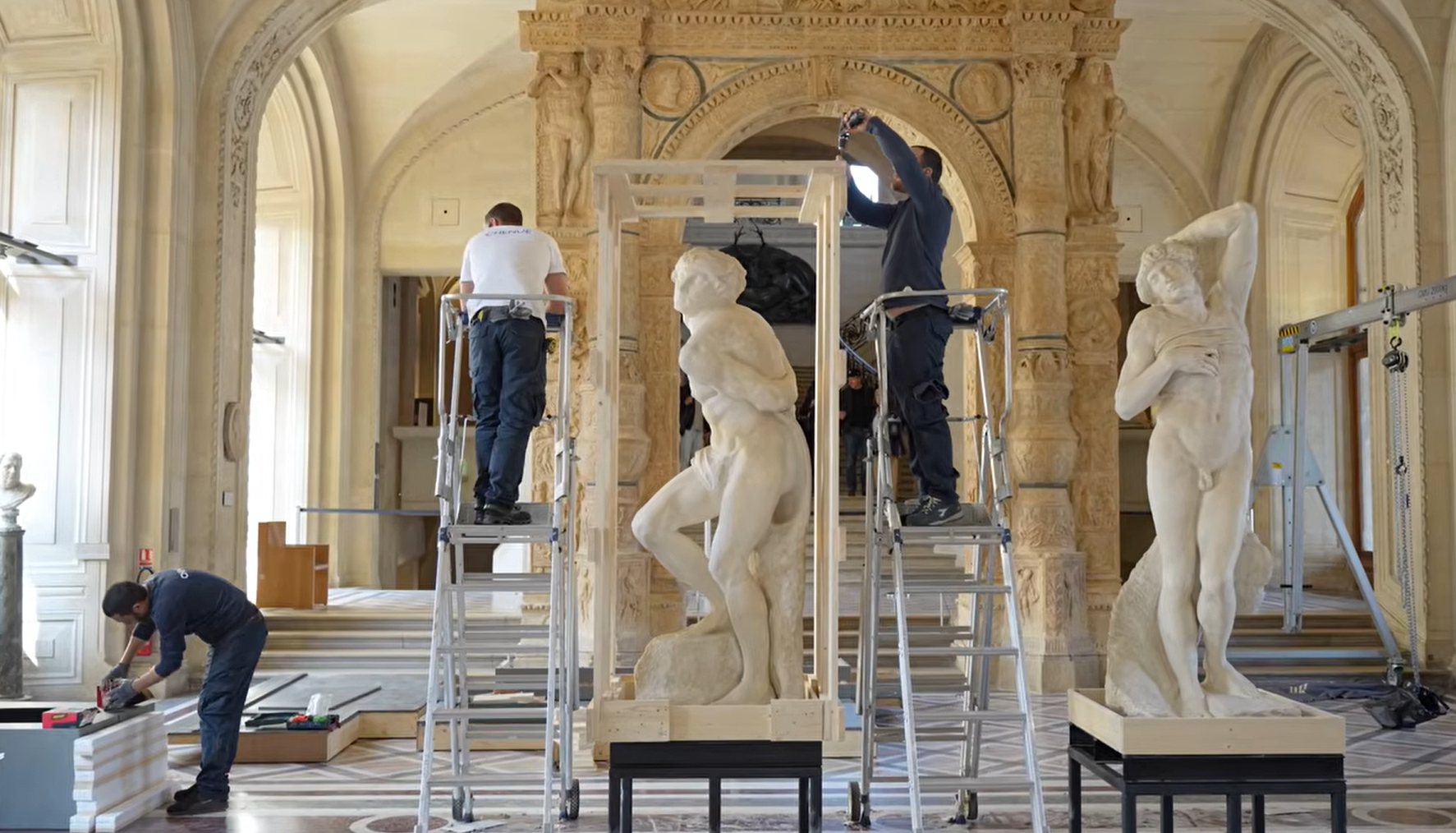
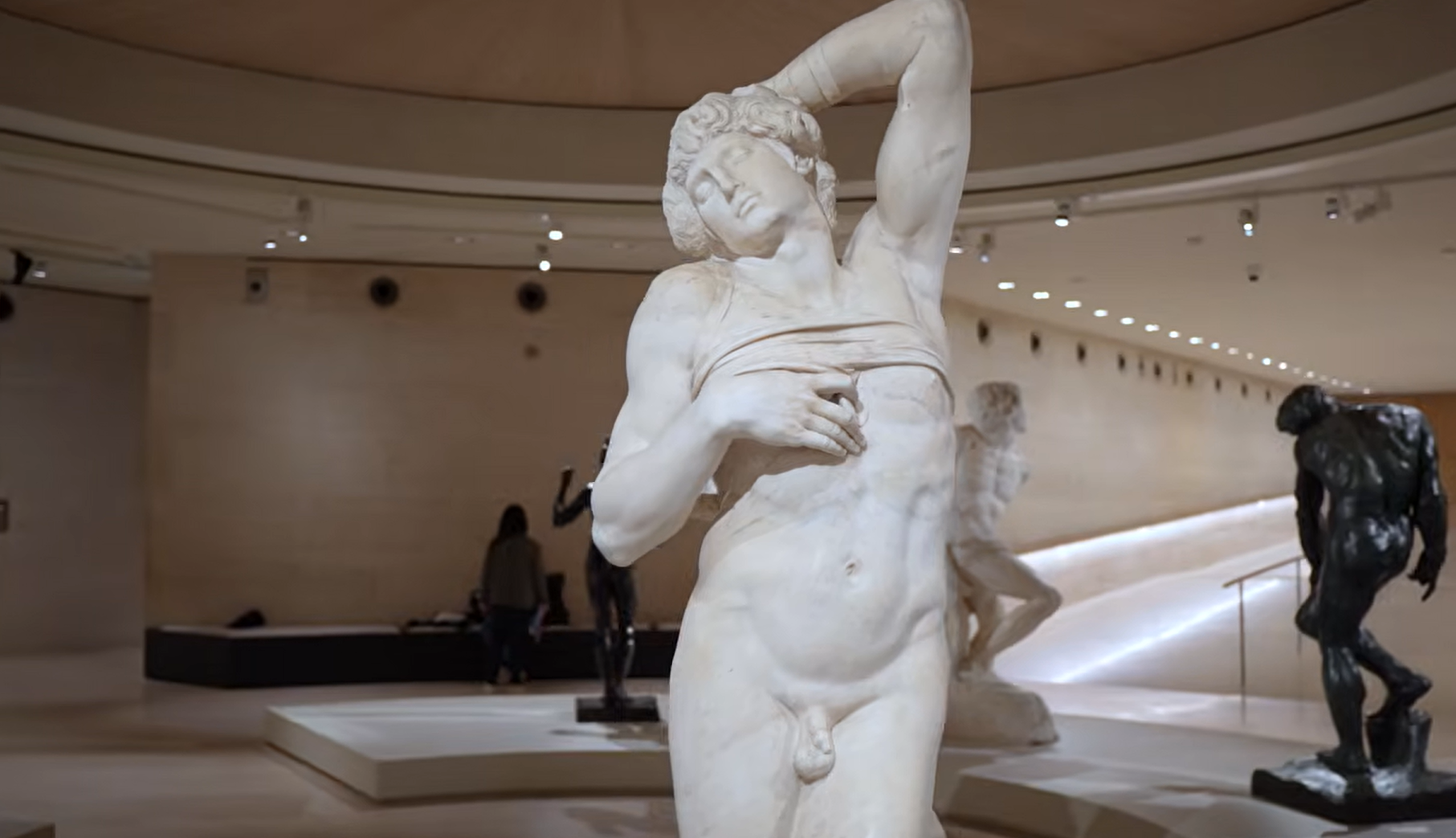
E invece eccoli lì, Prigione Ribelle e il Prigione Morente, appena stati spostati un’altra volta, in occasione della mostra Michel-Ange Rodin. Corps vivants. Un titolo elegante per un’operazione che, a dirla tutta, mi tiene sulle spine.
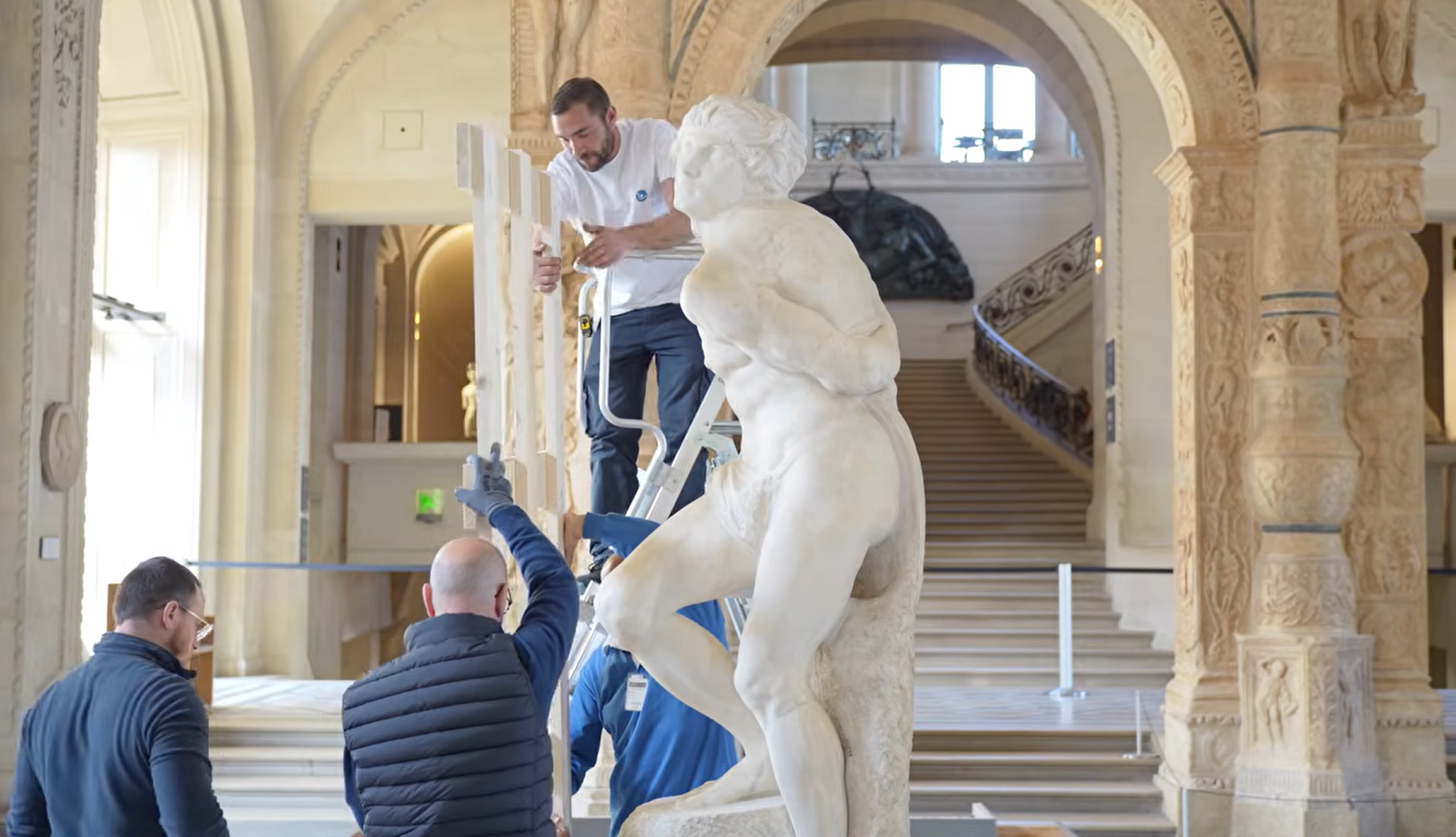
Il Prigione Ribelle porta sul volto una crepa che lo divide a metà. È stata consolidata, sì con resine acriliche e polvere di marmo durante l’ultimo restauro che tra le altre cose ha imposto nuovi spostamenti ai due capolavori, ma resta pur sempre un punto debole.
E io, che li ho cavati dalla pietra viva, so bene quanto poco basti per turbare l’equilibrio di una forma.
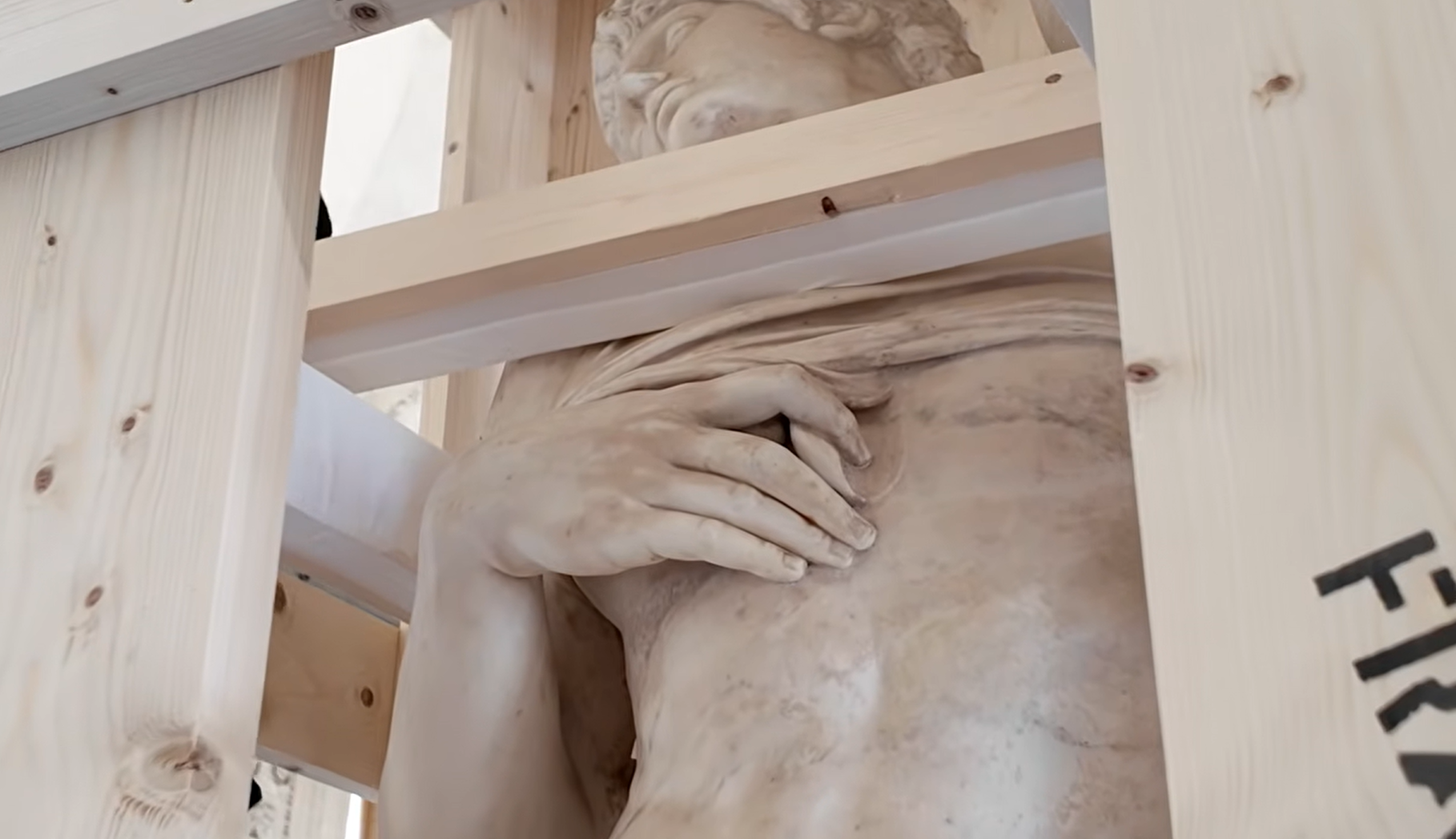
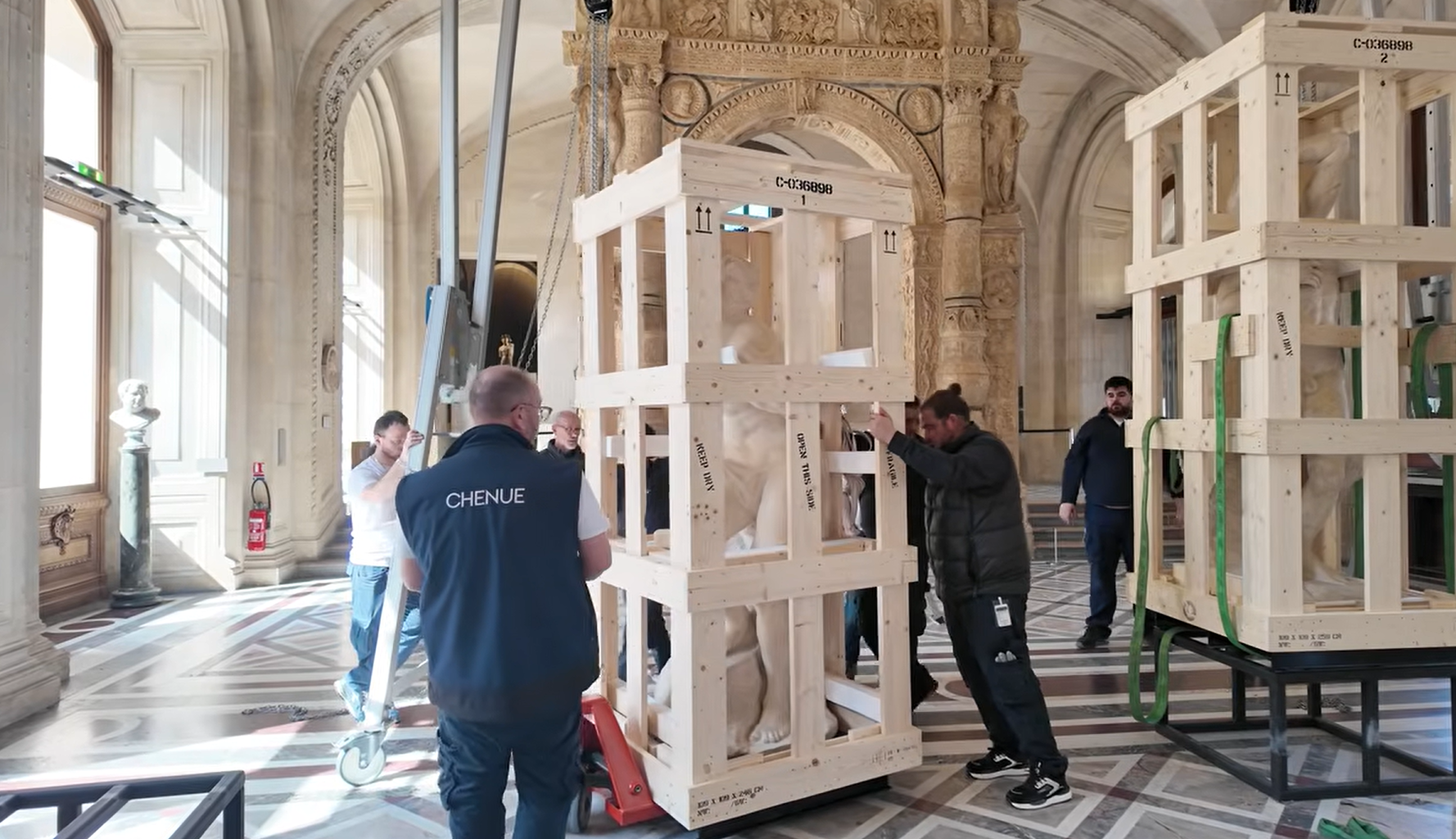
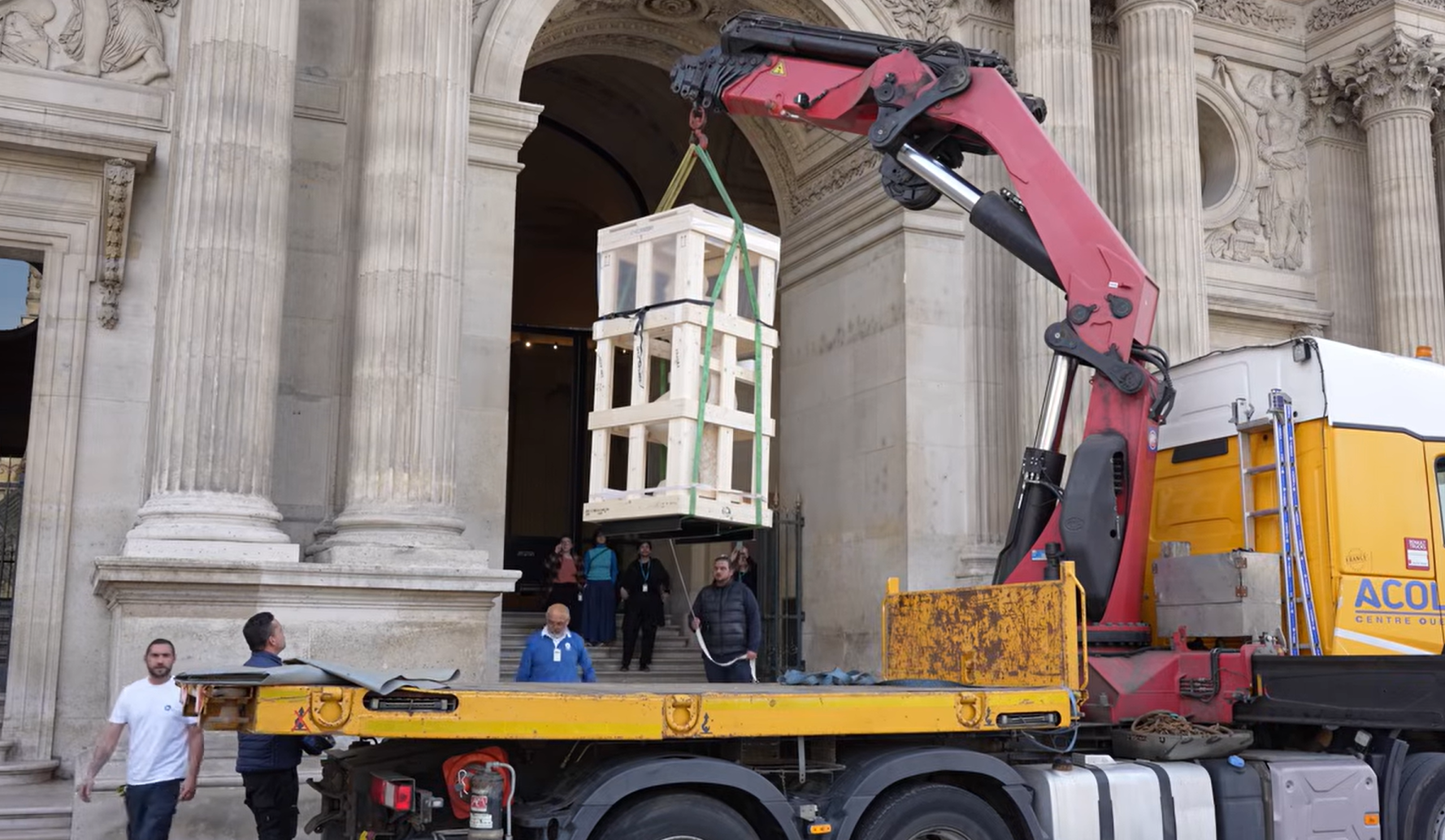
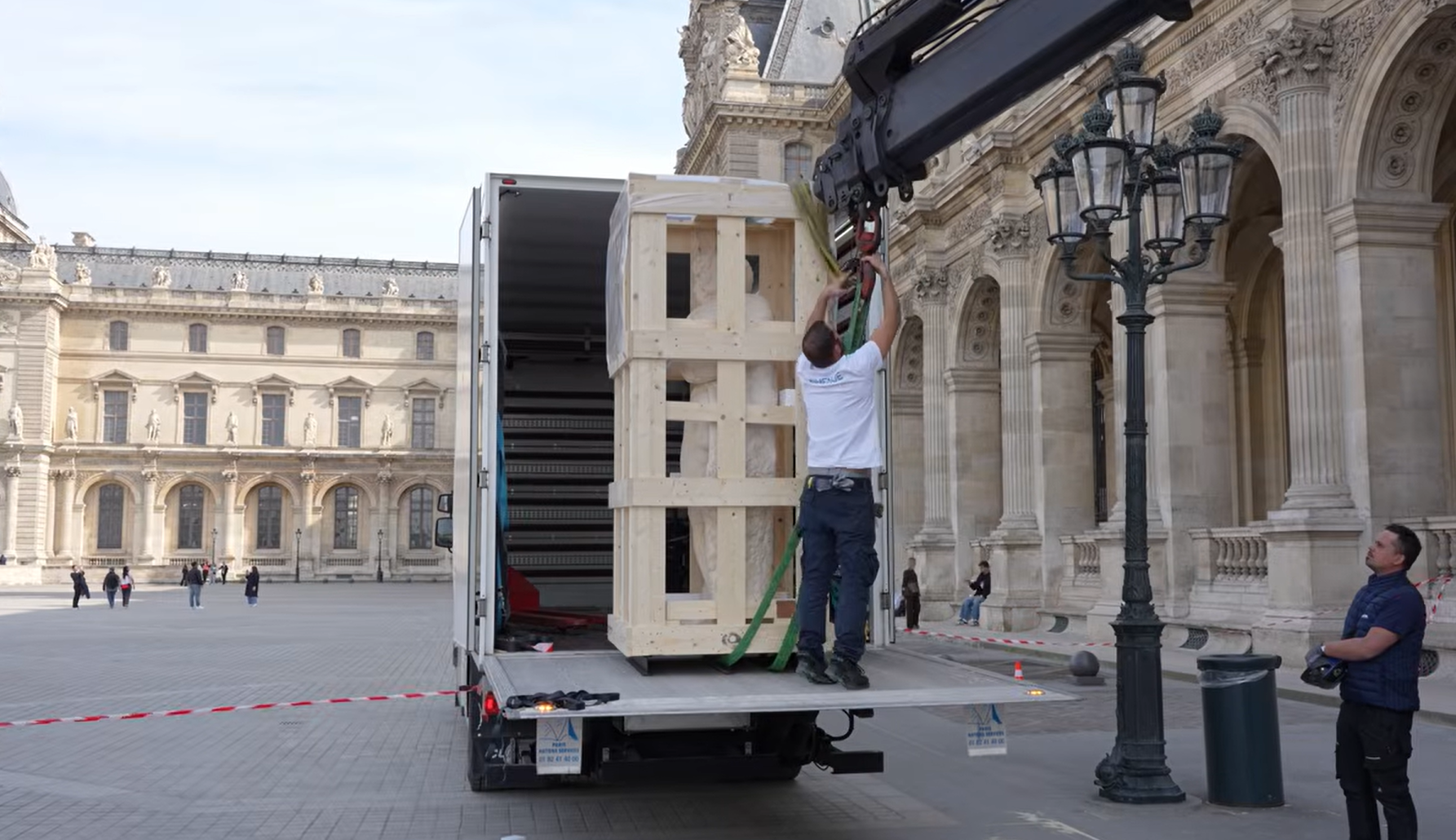
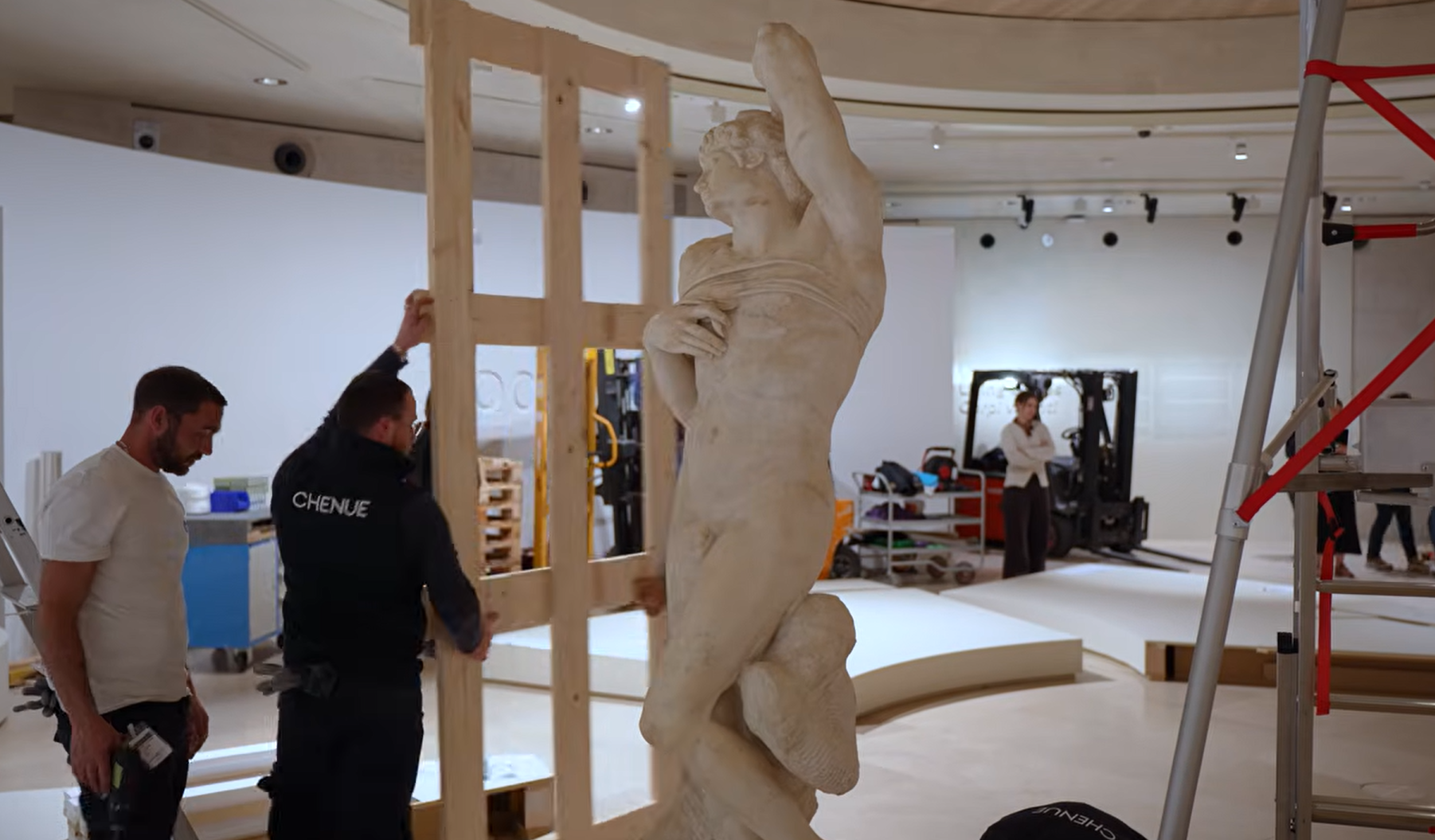
Eppure eccoli: imballati, trasportati, ricollocati. Un’impresa titanica, degna quasi della Ercole, ma senza la sua forza divina a garantire che tutto vada per il meglio.
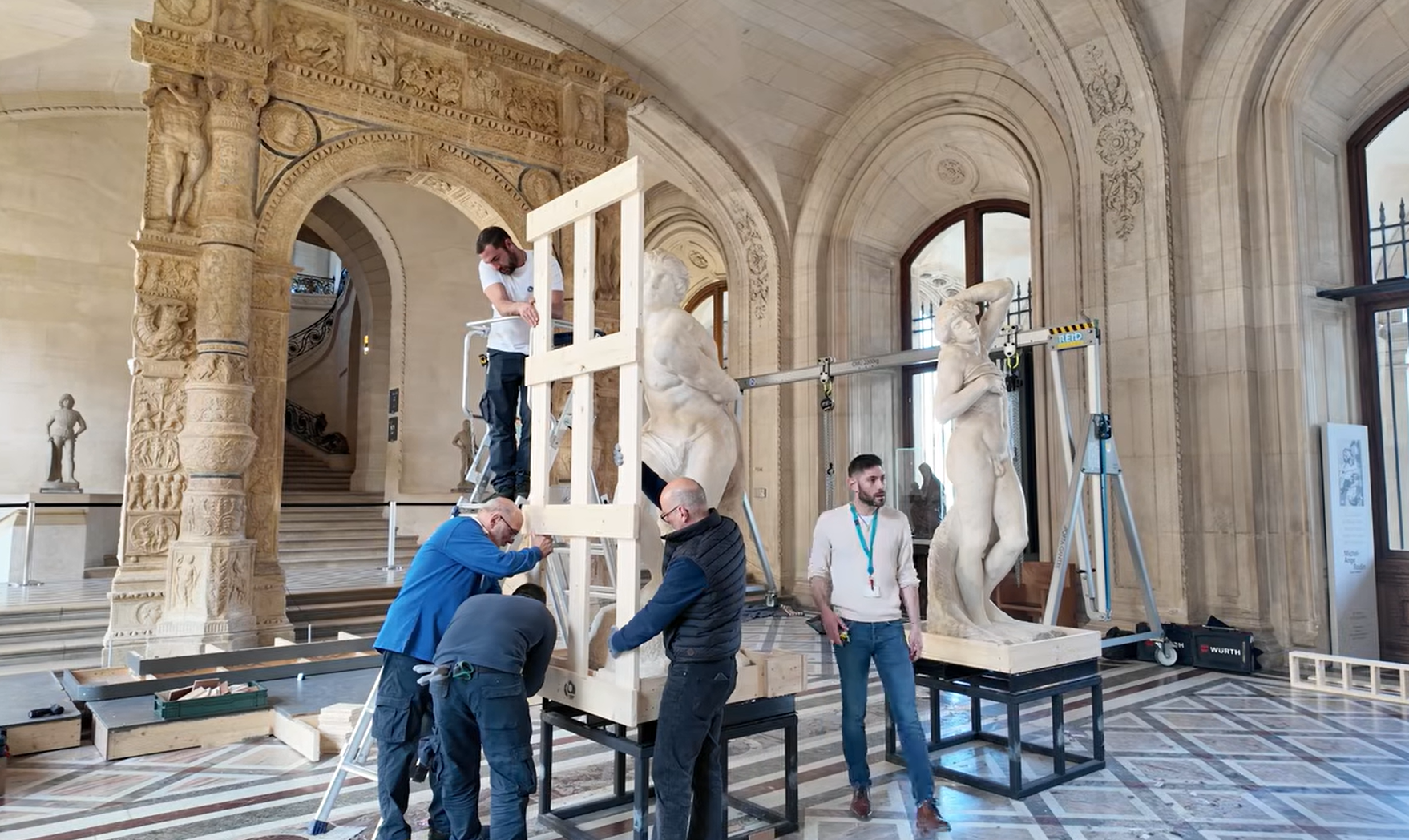
Lo so, son polemico ma di questo nuovo spostamento fatto per altro poca distanza di tempo dell’ultimo, ne avrei fatto volentieri a meno.
I miei Prigioni: pensati per papa Giulio II e finiti all’estero
Li scolpii per la tomba di Papa Giulio II, un progetto che cambiò forma più volte e non certo per mie bizzarrie. Ridimensionamenti, accordi, ripensamenti: alla fine, i miei Prigioni rimasero senza destinazione perché il progetto iniziale fu talmente ridotto che non c’era più spazio per collocarli lì.
Li lasciai in compiuti nella mia casa romana di Macel de’ Corvi e poi volli donarli a Roberto Strozzi, uomo generoso che mi accolse nei momenti di malattia e mi fece curare. Quando andò in esilio in Francia lì portò con sé.
Fu allora che incominciarono a viaggiare tra Lione, castelli francesi, fino a entrare nelle collezioni del Louvre nel 1794, dopo aver attraversato persino le turbolenze della Rivoluzione francese.
Davvero era necessario spostarli un’altra volta? Non era più facile spostare le opere di Rodin? Fosse altro per galanteria nei confronti di capolavori cos’ antichi.
In Italia, le mie opere che si possono spostare sono poche e trattate con cautela quasi religiosa: la Madonna della Scala, la Battaglia dei Centauri, il Bruto. Non proprio oggetti da spedire come casse di vino.
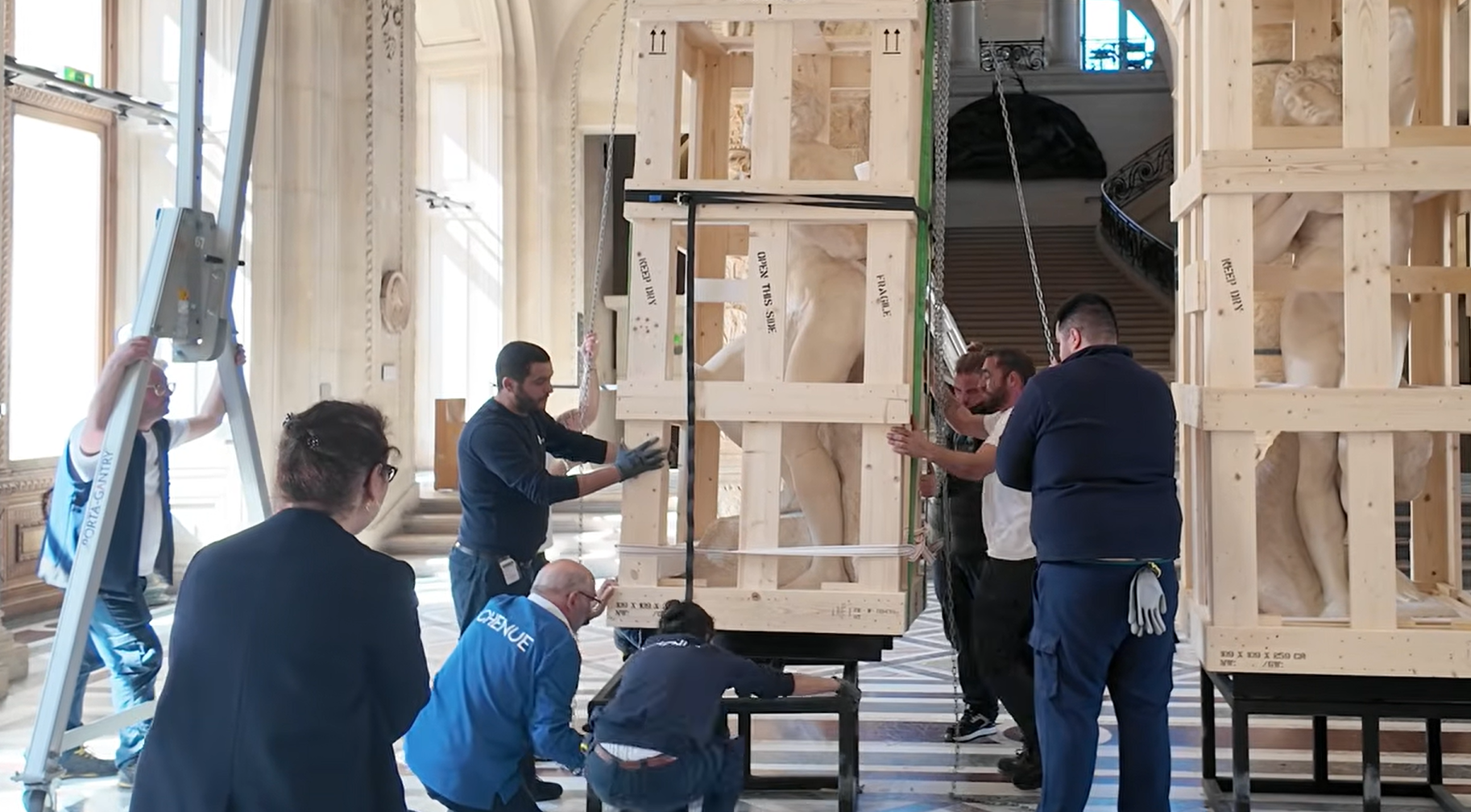
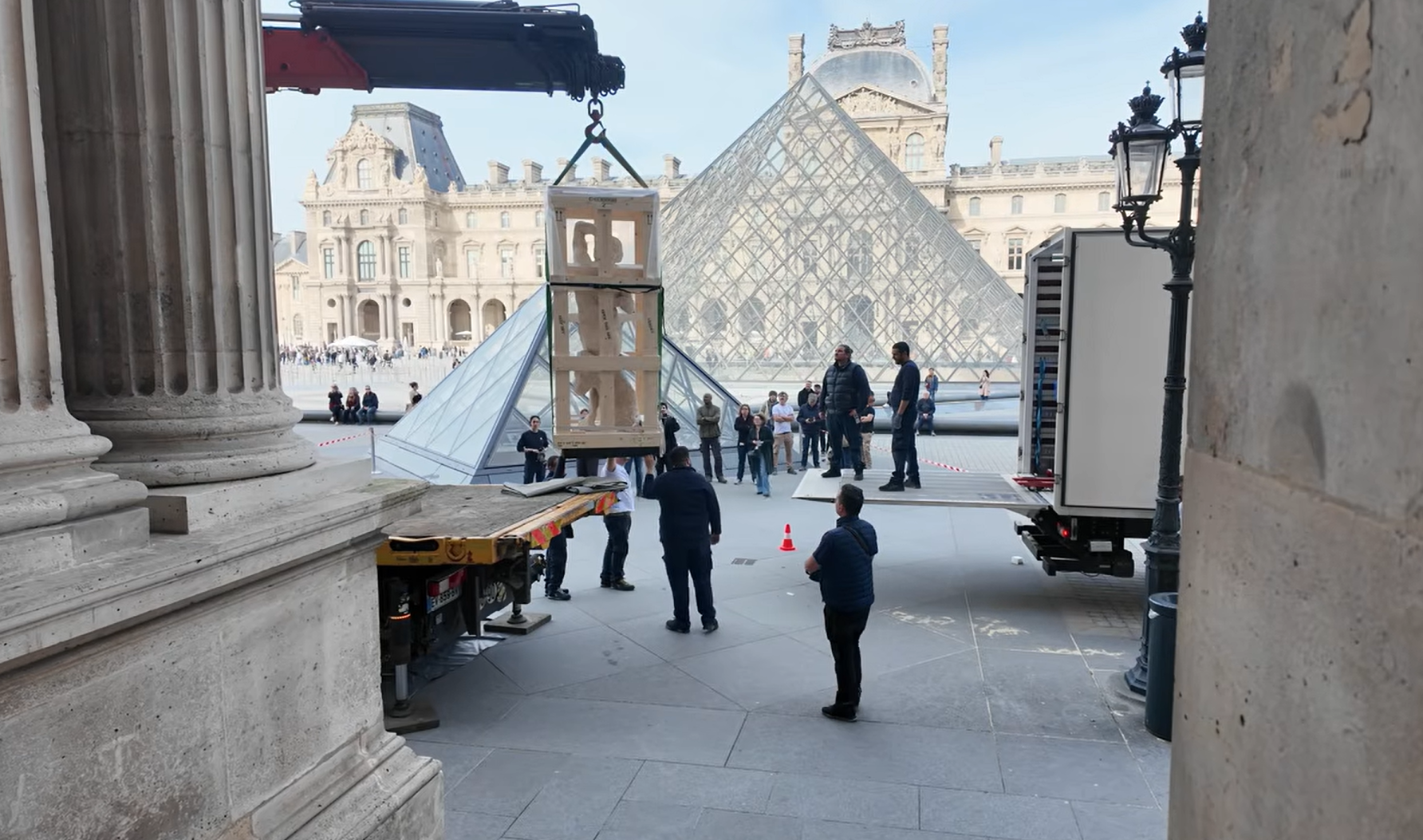
E invece i miei Prigioni, grandi, pesanti e delicati, vengono rimessi in moto ancora una volta seppur con tutte le cautele. Andranno, torneranno, subiranno nuove sollecitazioni dopo pochi mesi di esposizione.
Un azzardo? Io direi una prova di coraggio… o di incoscienza.
Per il momento il sempre vostro Michelangelo Buonarroti vi saluta dandovi appuntamento ai prossimi post e sui social.
My Prisoners of the Louvre: Necessary or Reckless Move?
If I could, I would have nailed my two Louvre Prisoners to the ground. No, it’s not cruelty, but love for their preservation for future generations. Marble has a long memory, but nerves are on edge.
And yet, there they are, the Rebel Prison and the Dying Prison, just moved again for the exhibition Michel-Ange Rodin. Corps vivants. An elegant title for an operation that, to be honest, has me on tenterhooks.
The Rebel Prison bears a crack on its face that divides it in half. It was consolidated, yes, with acrylic resins and marble dust during the last restoration, which among other things required new relocations of the two masterpieces, but it still remains a weak point.
And I, who carved them from living stone, know well how little is needed to upset the balance of a form.
And yet, here they are: packed, transported, relocated. A titanic undertaking, almost worthy of Hercules, but without his divine strength to ensure everything goes smoothly.
I know, I’m being controversial, but I would have gladly done without this new move, made so soon after the last one.
My Prisoners: conceived for Pope Julius II and ended up abroad
I sculpted them for the tomb of Pope Julius II, a project that changed shape several times, and certainly not due to any whims of my own. Downsizing, agreements, second thoughts: in the end, my Prisoners remained without a destination because the initial project was so scaled down that there was no longer room to house them there.
I left them unfinished in my Roman home in Macel de’ Corvi and then decided to donate them to Roberto Strozzi, a generous man who took me in during my illness and provided me with medical care. When he went into exile in France, he took them with him. It was then that they began to travel between Lyon and French castles, until they entered the Louvre collections in 1794, after even surviving the turbulence of the French Revolution.
Was it really necessary to move them again? Wouldn’t it have been easier to move Rodin’s works? If only out of courtesy toward such ancient masterpieces.
In Italy, my works that can be moved are few and handled with almost religious caution: the Madonna of the Stairs, the Battle of the Centaurs, the Brutus. Not exactly objects to be shipped like crates of wine.
And yet my Prisoners, large, heavy, and delicate, are being moved once again, albeit with every precaution. They will go, they will return, they will undergo new stresses after just a few months on display.
A risk? I’d say a test of courage… or recklessness.
For now, yours truly, Michelangelo Buonarroti bids you farewell, saying he’ll see you in future posts and on social media.

Sostienici – Support Us
Se questo blog ti piace e ti appassiona, puoi aiutarci a farlo crescere sempre più sostenendoci in modo concreto condividendo i post, seguendo le pagine social e con un contributo che ci aiuta ad andare avanti con il nostro lavoro di divulgazione. . ENGLISH: If you like and are passionate about this blog, you can help us make it grow more and more by supporting us in a concrete way by sharing posts, following social pages and with a contribution that helps us to move forward with our dissemination work.
10,00 €
Articoli
Condividi:


Questo sono io





sostienici

Sostienici – Support Us
Se questo blog ti piace e ti appassiona, puoi aiutarci a farlo crescere sempre più sostenendoci in modo concreto condividendo i post, seguendo le pagine social e con un contributo che ci aiuta ad andare avanti con il nostro lavoro di divulgazione. . ENGLISH: If you like and are passionate about this blog, you can help us make it grow more and more by supporting us in a concrete way by sharing posts, following social pages and with a contribution that helps us to move forward with our dissemination work.
€10,00


Infatti, capolavori come quelli devono essere preservati da ogni minimo rischio anziché manipolati spesso
"Mi piace"Piace a 1 persona
Anche perché sono stati rimosso da lì e ricollocati da poco al loro posto dopo il restauro. M’è sembrato eccessivo questo spostamento
"Mi piace"Piace a 1 persona
Dirò probabilmente una sciocchezza ma non dovrebbero esserci regole severe da far rispettare per i beni artistici proporzionalmente alla loro grandezza materia e complessità?
"Mi piace"Piace a 1 persona
In Italia ci sono opere considerate inamovibili anche se poi capita che un’opera considerata tale dal comitato scientifico degli Uffizi fu spostata eccome in occasione della mostra a Roma su Raffaello con conseguente dimissione in blocco dello stesso comitato. Qui siamo in Francia e probabilmente hanno un codice deontologico differente
"Mi piace"Piace a 1 persona
Pensavo che per l’arte ci fossero regole universali
"Mi piace"Piace a 1 persona
eh purtroppo no
"Mi piace"Piace a 1 persona