
Il realismo che trafigge l’anima: il Sant’Antonio abate di Jusepe de Ribera
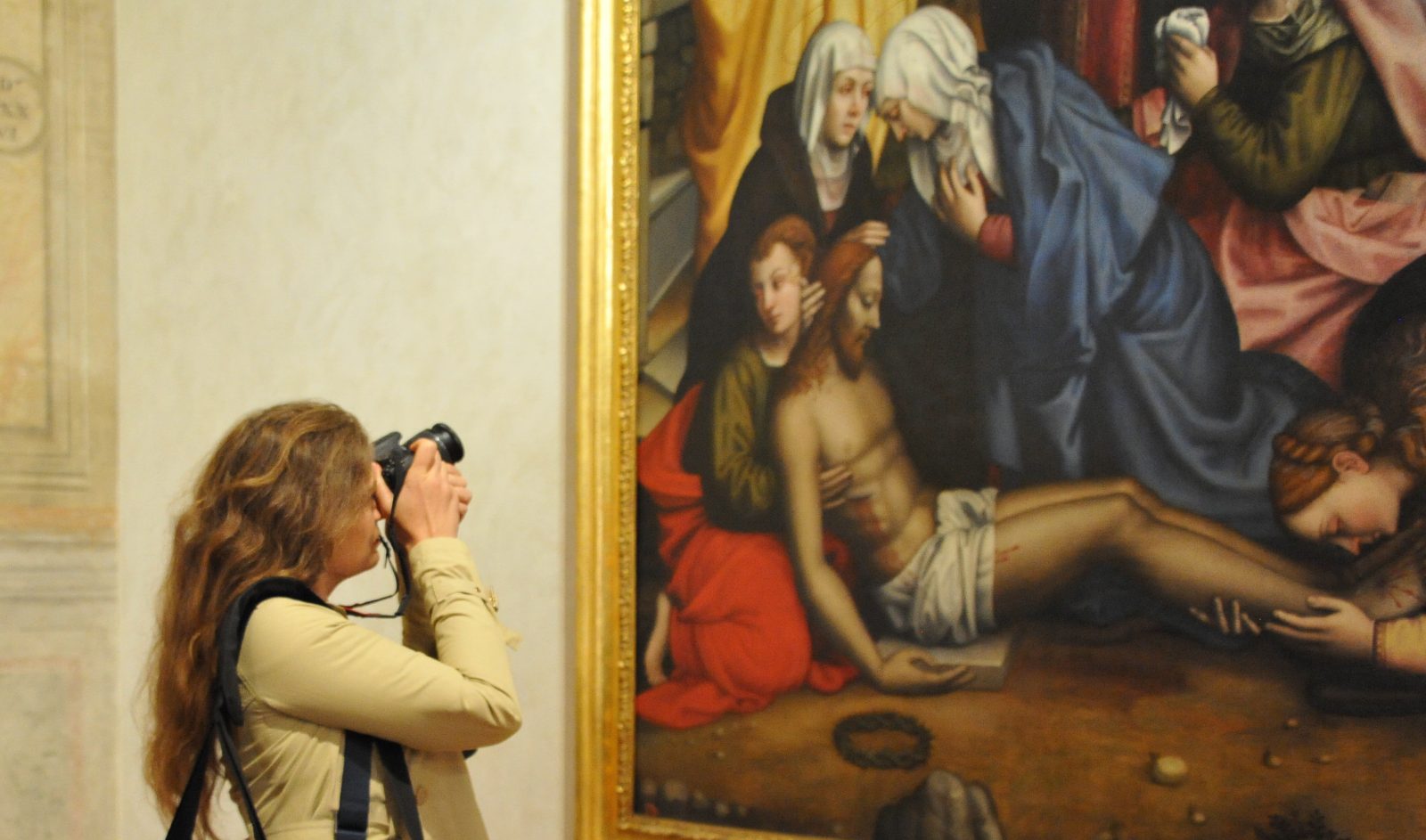
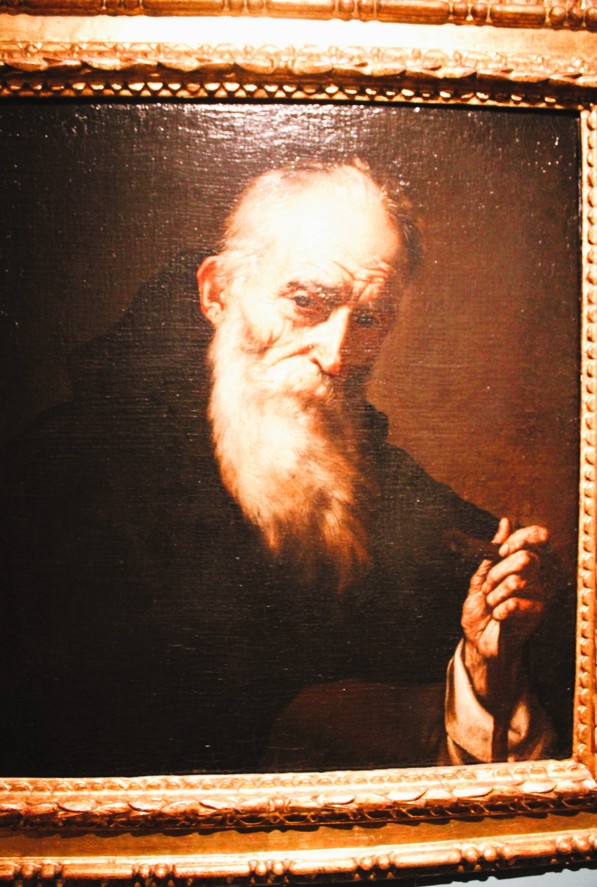
C’è un momento, davanti al Sant’Antonio abate dipinto nel 1638, in cui lo sguardo dello spettatore smette di osservare e comincia a essere osservato. Lì la pittura di Jusepe de Ribera rivela tutta la sua potenza mettendo a paragone la fragilità del corpo e la forza incrollabile dello spirito.
Conservato presso la Fondazione De Vito e fino al 27 settembre 2026 a Forte dei Marmi nel percorso espositivo “Pittura a Napoli dopo Caravaggio“, questo dipinto a olio su tela è una delle testimonianze più alte del naturalismo napoletano del Seicento, un linguaggio che Ribera contribuì a definire prima e diffondere poi in modo decisivo.
Un capolavoro del naturalismo napoletano
Quando Ribera si stabilisce a Napoli nel 1616, la città diventa il cuore pulsante della sua arte. Sviluppa una pittura capace di fondere la lezione di Caravaggio con una sensibilità personale fatta di materia, luce e introspezione.
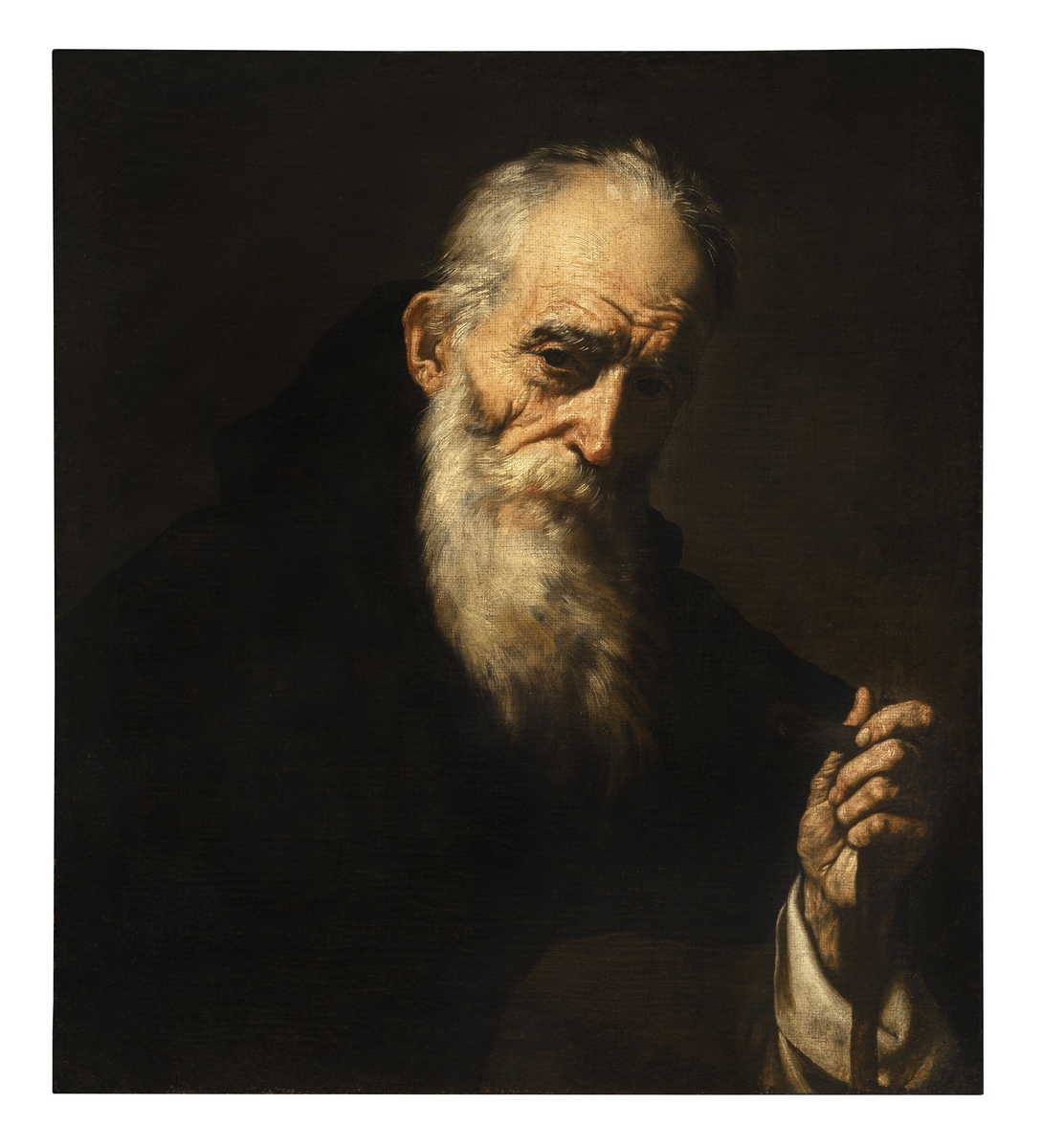
Nel Sant’Antonio abate, tutto questo si condensa in una composizione essenziale ma potente. Il santo emerge dalla penombra, ritratto a mezzo busto, con il volto di tre quarti e il bastone a tau stretto nella mano. Non c’è distrazione, non c’è paesaggio: solo l’uomo, la sua età, la sua fede.
La luce, intensa e direzionata da sinistra, scava i lineamenti e accarezza ogni dettaglio, trasformando il volto in un territorio da esplorare.
La verità della carne: un realismo senza compromessi
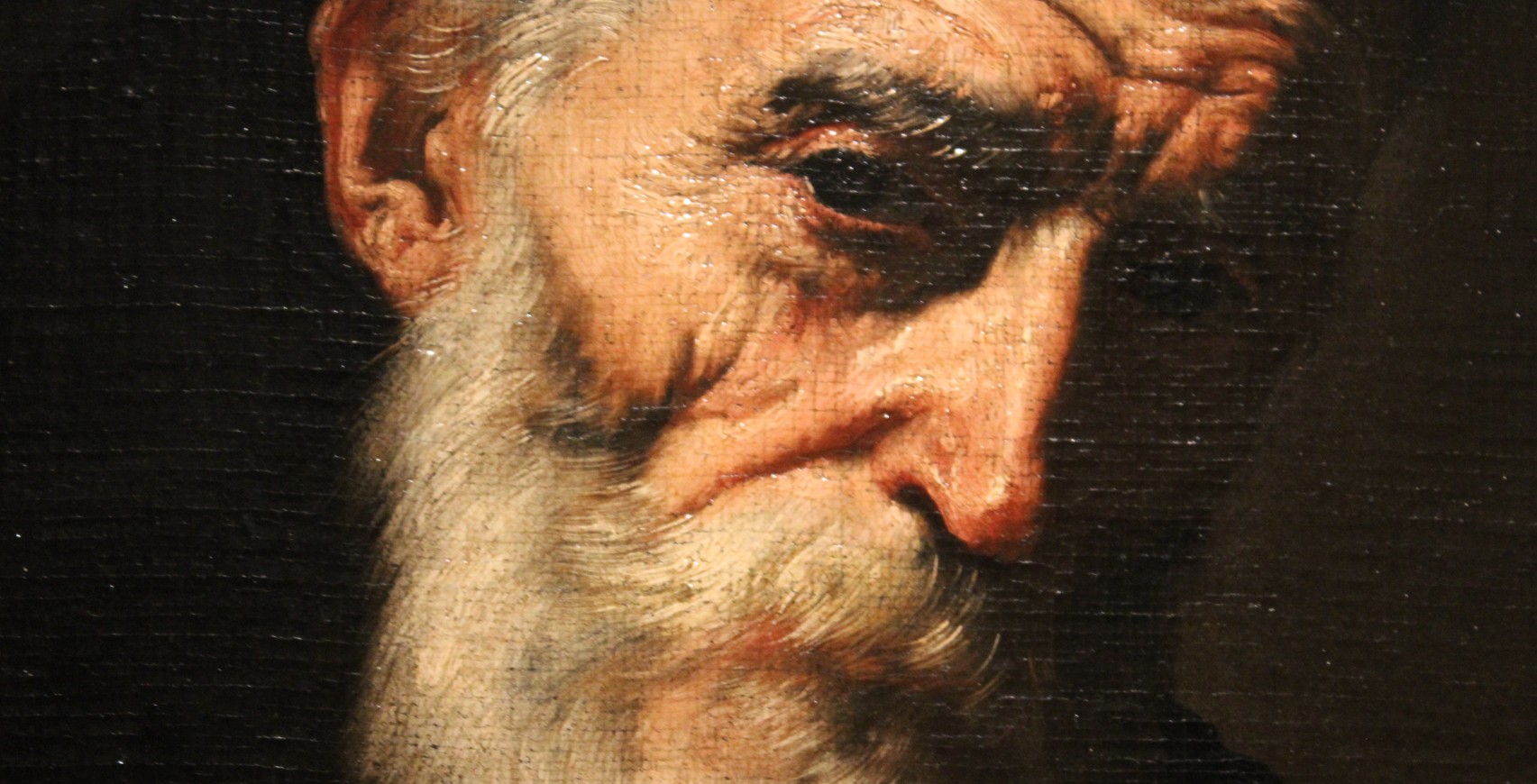
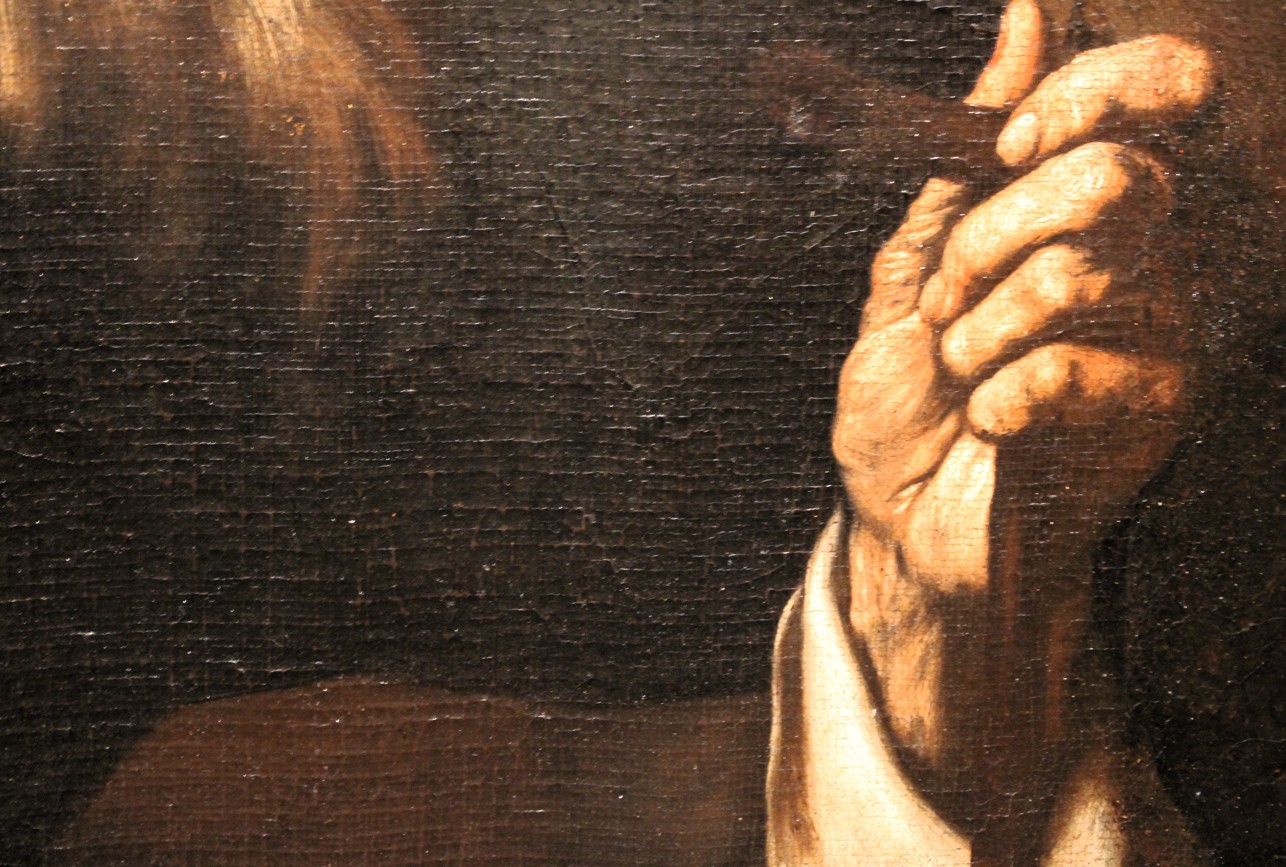
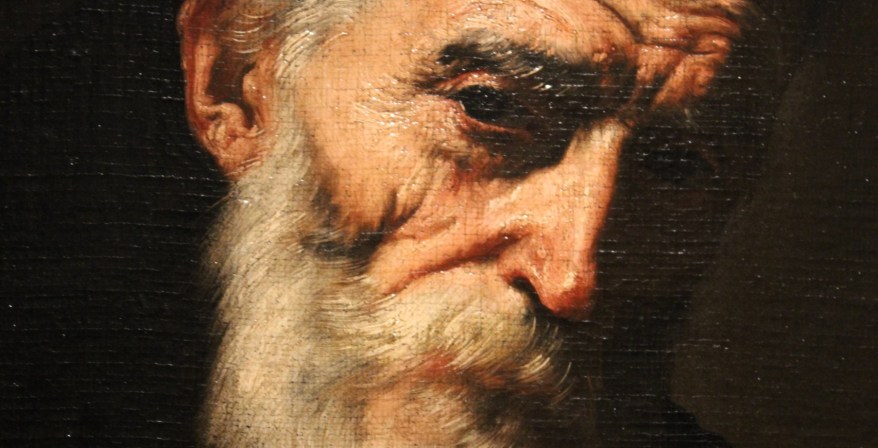
Ribera non idealizza, non addolcisce. Il suo Sant’Antonio è segnato dal tempo: la fronte corrugata, le sopracciglia ispide, la barba incolta, la pelle avvizzita e sporca della mano. Ogni ruga racconta una storia, ogni imperfezione diventa verità.
La pittura è densa, quasi tattile. Il celebre “tremendo impasto” descritto dai biografi prende forma in pennellate energiche, alternate a tocchi sottili e luminosi. Nella barba, in particolare, si percepisce una vibrazione nuova, una morbidezza che suggerisce movimento e introduce una raffinata variazione cromatica.
È qui che si avverte la svolta stilistica degli anni Trenta: il rigore crudo del primo Ribera si apre a una maggiore eleganza, influenzata dalla cultura neo veneta.
Lo sguardo che resiste al tempo
Ma il vero centro emotivo del dipinto è lo sguardo. Vivo, penetrante, diretto. Nonostante il corpo consumato, gli occhi di Sant’Antonio brillano di una forza interiore che supera ogni decadenza fisica.
Questa tensione tra materia e spirito è il cuore dell’opera. Da un lato la fragilità della carne, dall’altro la solidità della fede. È una contrapposizione che parla al presente, che interroga chi guarda e lo costringe a riflettere.
In questo volto si legge un’etica profonda, vicina al pensiero neostoico diffuso nella Napoli del tempo: il distacco dai beni materiali, la ricerca di valori più alti, la coerenza di vita.
Un modello iconografico di straordinario successo
Il Sant’Antonio abate appartiene a una tipologia che Ribera sviluppò con grande fortuna: le mezze figure di santi, apostoli e filosofi, ispirate agli apostolados spagnoli. Opere intense, dirette, capaci di creare un rapporto quasi fisico con lo spettatore.
Il successo di questo modello fu tale da generare numerose repliche e copie di bottega, contribuendo a diffondere uno stile che avrebbe segnato profondamente la pittura napoletana.
Non è solo un dipinto, dunque, ma l’inizio di un linguaggio.
La riscoperta e il valore storico dell’opera
La storia collezionistica dell’opera aggiunge un ulteriore strato di fascino. Acquistata nel 1970 come semplice “Filosofo”, fu solo in seguito identificata correttamente come Sant’Antonio abate. Ancora più sorprendente fu la scoperta della firma e della data, emerse dopo una leggera pulitura, che ne confermarono l’autografia.
Da allora, il dipinto è diventato uno dei punti cardine della collezione De Vito, testimone non solo della grandezza di Ribera, ma anche della capacità dell’arte di rivelarsi nel tempo.
Per il momento il sempre vostro Michelangelo Buonarroti vi saluta dandovi appuntamento ai prossimi post e sui social.
Realism that pierces the soul: Jusepe de Ribera’s Saint Anthony the Abbot
There is a moment, before the Saint Anthony the Abbot painted in 1638, when the viewer’s gaze stops observing and begins to be observed. There, Jusepe de Ribera’s painting reveals all its power, contrasting the fragility of the body with the unwavering strength of the spirit.
Held at the De Vito Foundation and on view until September 27, 2026, in Forte dei Marmi as part of the exhibition “Painting in Naples after Caravaggio,” this oil on canvas painting is one of the finest examples of 17th-century Neapolitan naturalism, a language that Ribera first helped define and then decisively popularize.
A masterpiece of Neapolitan naturalism
When Ribera settled in Naples in 1616, the city became the beating heart of his art. He developed a style of painting capable of blending the teachings of Caravaggio with a personal sensibility based on matter, light, and introspection.
In Saint Anthony the Abbot, all this is condensed into a simple yet powerful composition. The saint emerges from the shadows, portrayed half-length, with his face in three-quarters and a tau-shaped staff clutched in his hand. There are no distractions, no landscape: only the man, his age, his faith.
The light, intense and directed from the left, deepens the features and caresses every detail, transforming the face into a territory to be explored.
The truth of the flesh: an uncompromising realism
Ribera neither idealizes nor softens. His Saint Anthony is marked by time: the furrowed brow, the bristly eyebrows, the unkempt beard, the withered and dirty skin of the hand. Every wrinkle tells a story, every imperfection becomes truth.
The painting is dense, almost tactile. The famous “tremendo impasto” described by biographers takes shape in energetic brushstrokes alternating with subtle, luminous touches. In the beard, in particular, a new vibration is perceived, a softness that suggests movement and introduces a refined chromatic variation.
It is here that the stylistic shift of the 1930s is felt: the raw rigor of Ribera’s early work gives way to a greater elegance, influenced by Neo-Venetian culture.
The gaze that resists time
But the true emotional center of the painting is the gaze. Lively, penetrating, direct. Despite his worn body, Saint Anthony’s eyes shine with an inner strength that overcomes any physical decay.
This tension between matter and spirit is the heart of the work. On one side, the fragility of the flesh, on the other, the solidity of faith. It is a juxtaposition that speaks to the present, challenging the viewer and forcing him to reflect.
This face reveals a profound ethic, close to the neo-Stoic thought prevalent in Naples at the time: detachment from material goods, the pursuit of higher values, and coherence in life.
An extraordinarily successful iconographic model
Saint Anthony the Abbot belongs to a typology that Ribera developed with great success: half-length figures of saints, apostles, and philosophers, inspired by the Spanish apostolados. These are intense, direct works, capable of creating an almost physical connection with the viewer.
The success of this model was such that it spawned numerous workshop replicas and copies, helping to spread a style that would profoundly influence Neapolitan painting.
It is not just a painting, therefore, but the beginning of a language.
The rediscovery and historical value of the work
The work’s collecting history adds another layer of fascination. Purchased in 1970 as simply “Philosopher,” it was only later correctly identified as Saint Anthony the Abbot. Even more surprising was the discovery of the signature and date, which emerged after a light cleaning, confirming its authenticity.
Since then, the painting has become a cornerstone of the De Vito collection, a testament not only to Ribera’s greatness but also to the ability of art to reveal itself over time.
For now, yours truly, Michelangelo Buonarroti bids you farewell, and we look forward to seeing you in future posts and on social media.

Sostienici – Support Us
Se questo blog ti piace e ti appassiona, puoi aiutarci a farlo crescere sempre più sostenendoci in modo concreto condividendo i post, seguendo le pagine social e con un contributo che ci aiuta ad andare avanti con il nostro lavoro di divulgazione. . ENGLISH: If you like and are passionate about this blog, you can help us make it grow more and more by supporting us in a concrete way by sharing posts, following social pages and with a contribution that helps us to move forward with our dissemination work.
10,00 €
Articoli
Condividi:


Questo sono io





sostienici

Sostienici – Support Us
Se questo blog ti piace e ti appassiona, puoi aiutarci a farlo crescere sempre più sostenendoci in modo concreto condividendo i post, seguendo le pagine social e con un contributo che ci aiuta ad andare avanti con il nostro lavoro di divulgazione. . ENGLISH: If you like and are passionate about this blog, you can help us make it grow more and more by supporting us in a concrete way by sharing posts, following social pages and with a contribution that helps us to move forward with our dissemination work.
€10,00


