
La fine dell’originalità: perché oggi tutta l’arte sembra già vista
C’è una sensazione che sempre più persone provano guardando qualcosa di artistico oggi.
Non importa se si tratta di un quadro, una scultura o un progetto digitale: sembra tutto, in qualche modo, familiare.
Non è noia. Non è mancanza di attenzione ma qualcosa di più sottile.
È la percezione continua di aver già visto tutto.

Scorri immagini, mostre, installazioni. Cambiano i dettagli, cambiano i colori, ma l’impressione resta: niente è davvero nuovo. E a quel punto nasce una domanda inevitabile.
L’arte ha perso la sua originalità?
La verità è che forse l’originalità, così come la immaginiamo, non è mai esistita davvero.
Già nel secolo scorso, artisti come Marcel Duchamp avevano messo in crisi questa idea. Prendere un oggetto comune e trasformarlo in arte non significava creare qualcosa di nuovo, ma cambiare il modo in cui lo si guarda. Poco dopo, Andy Warhol ha costruito un intero linguaggio visivo partendo da immagini già presenti nella cultura di massa, ripetendole fino a renderle iconiche.

In fondo, l’arte ha sempre funzionato così: non nasce dal vuoto, ma da ciò che esiste già.
Quello che è cambiato oggi è la velocità e la quantità. Viviamo immersi in un flusso continuo di immagini. Le estetiche ritornano ciclicamente, gli anni ’90 e 2000 vengono continuamente ripresi, reinterpretati, rilanciati. Ogni artista lavora dentro questo sistema, consapevolmente o meno.
Creare qualcosa di completamente nuovo, in un mondo così saturo, diventa sempre più difficile.
E poi c’è un altro elemento, forse il più influente: gli algoritmi. Le piattaforme digitali ci mostrano contenuti simili a quelli che abbiamo già visto, spingono ciò che funziona, premiano ciò che è riconoscibile. È un meccanismo efficace, ma ha una conseguenza precisa: tende a rendere tutto più uniforme.
Così, senza accorgercene, iniziamo a vedere le stesse idee ripetersi, gli stessi stili emergere, le stesse soluzioni visive dominare.
Non è una crisi di talento. È una trasformazione del contesto.

A questo punto, però, la domanda cambia. Non ha più senso chiedersi se qualcosa è davvero originale. Forse è più interessante capire cosa un artista riesce a fare con ciò che già esiste.
Anche figure come Pablo Picasso non partivano da zero. Assorbivano influenze, le trasformavano, le portavano altrove. L’originalità non stava nell’assenza di riferimenti, ma nella capacità di rielaborarli.
Forse non stiamo assistendo alla fine dell’arte, né a una perdita di creatività. Forse stiamo semplicemente lasciando andare un’idea romantica: quella dell’artista come genio isolato che inventa dal nulla.
Al suo posto sta emergendo qualcosa di diverso. Un modo di creare più connesso e più stratificato.
In un mondo in cui tutto sembra già visto, il vero punto non è più sorprendere con qualcosa di completamente nuovo.
È riuscire a prendere ciò che esiste e trasformarlo in qualcosa che, anche solo per un momento, riesce ancora a fermarci.
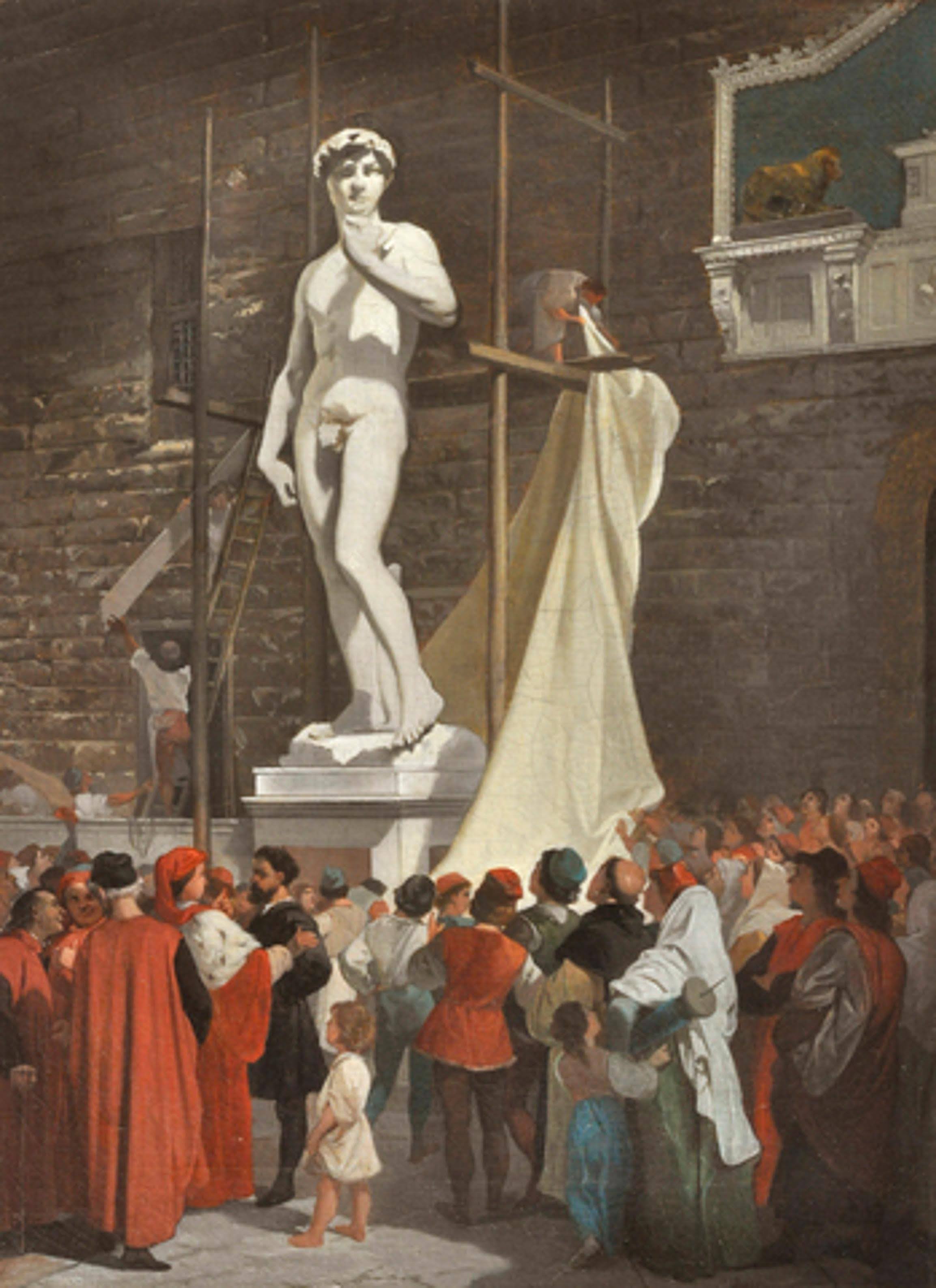
E poi c’è la questione dei committenti: anche loro sono cambiati e in modo radicale. Se un tempo si investiva sul giovane talento dandogli fiducia, oggi chi ha soldi compra già opere di artisti celebri come investimento sicuro.
Sempre più spesso poi, chi ha danaro a palate, preferisce investire in qualcosa che gli dia ulteriori profitti immediati: alberghi, ristoranti e altre attività potenzialmente redditizie. Con un mercato è così radicalmente cambiato, anche il modo di fare arte inevitabilmente cambia.
Non ci sono più gli artisti di un tempo? Nemmeno ci sono più i committenti di un tempo, disposti a investire nella formazione di giovanissimi ragazzi che mostravano una qualche virtù nella scultura, nella pittura ma anche nella musica.
Per il momento il sempre vostro Michelangelo Buonarroti vi saluta dandovi appuntamento ai prossimi post e sui social.
The End of Originality: Why All Art Seems Already Seen
There’s a feeling more and more people experience when looking at art today.
It doesn’t matter if it’s a painting, a sculpture, or a digital project: everything seems, in some way, familiar.
It’s not boredom. It’s not a lack of attention, but something more subtle.
It’s the constant feeling of having seen it all before.
You scroll through images, exhibitions, installations. The details change, the colors change, but the impression remains: nothing is truly new. And at that point, an inevitable question arises.
Has art lost its originality?
The truth is that perhaps originality, as we imagine it, has never really existed.
Already in the last century, artists like Marcel Duchamp challenged this idea. Taking a common object and transforming it into art didn’t mean creating something new, but changing the way we look at it. Shortly thereafter, Andy Warhol constructed an entire visual language from images already present in mass culture, repeating them until they became iconic.
Ultimately, art has always worked this way: it doesn’t emerge from a void, but from what already exists.
What has changed today is speed and quantity. We live immersed in a constant flow of images. Aesthetics return cyclically; the 1990s and 2000s are continually revisited, reinterpreted, and relaunched. Every artist works within this system, consciously or not.
Creating something completely new in such a saturated world is becoming increasingly difficult.
And then there’s another element, perhaps the most influential: algorithms. Digital platforms show us content similar to what we’ve already seen, they push what works, and reward what’s recognizable. It’s an effective mechanism, but it has a specific consequence: it tends to make everything more uniform.
Thus, without realizing it, we begin to see the same ideas repeat themselves, the same styles emerge, the same visual solutions dominate.
It’s not a crisis of talent. It’s a transformation of context.
At this point, however, the question changes. It no longer makes sense to ask whether something is truly original. Perhaps it’s more interesting to understand what an artist manages to do with what already exists.
Even figures like Pablo Picasso didn’t start from scratch. They absorbed influences, transformed them, and took them elsewhere. Originality didn’t lie in the absence of references, but in the ability to rework them.
Perhaps we’re not witnessing the end of art, nor a loss of creativity. Perhaps we’re simply letting go of a romantic idea: that of the artist as an isolated genius who invents from nothing.
In its place, something different is emerging. A more connected and more layered way of creating.
In a world where everything seems already seen, the real point is no longer to surprise with something completely new. It’s about taking what exists and transforming it into something that, even for a moment, can still stop us.
And then there’s the issue of patrons: they too have changed, and radically. While once upon a time, people invested in young talent by placing their trust in them, today those with money already buy works by famous artists as a safe investment.
More and more often, those with tons of money prefer to invest in something that yields additional immediate profits: hotels, restaurants, and other potentially profitable businesses. With the market so radically changed, the way of making art inevitably changes as well.
Are the artists of the past gone? Nor are the patrons of the past, willing to invest in the training of very young artists who showed some talent in sculpture, painting, or even music, anymore.
For now, yours truly, Michelangelo Buonarroti bids you farewell and says he’ll see you in future posts and on social media.

Sostienici – Support Us
Se questo blog ti piace e ti appassiona, puoi aiutarci a farlo crescere sempre più sostenendoci in modo concreto condividendo i post, seguendo le pagine social e con un contributo che ci aiuta ad andare avanti con il nostro lavoro di divulgazione. . ENGLISH: If you like and are passionate about this blog, you can help us make it grow more and more by supporting us in a concrete way by sharing posts, following social pages and with a contribution that helps us to move forward with our dissemination work.
10,00 €
Condividi:


Questo sono io





sostienici

Sostienici – Support Us
Se questo blog ti piace e ti appassiona, puoi aiutarci a farlo crescere sempre più sostenendoci in modo concreto condividendo i post, seguendo le pagine social e con un contributo che ci aiuta ad andare avanti con il nostro lavoro di divulgazione. . ENGLISH: If you like and are passionate about this blog, you can help us make it grow more and more by supporting us in a concrete way by sharing posts, following social pages and with a contribution that helps us to move forward with our dissemination work.
€10,00


