
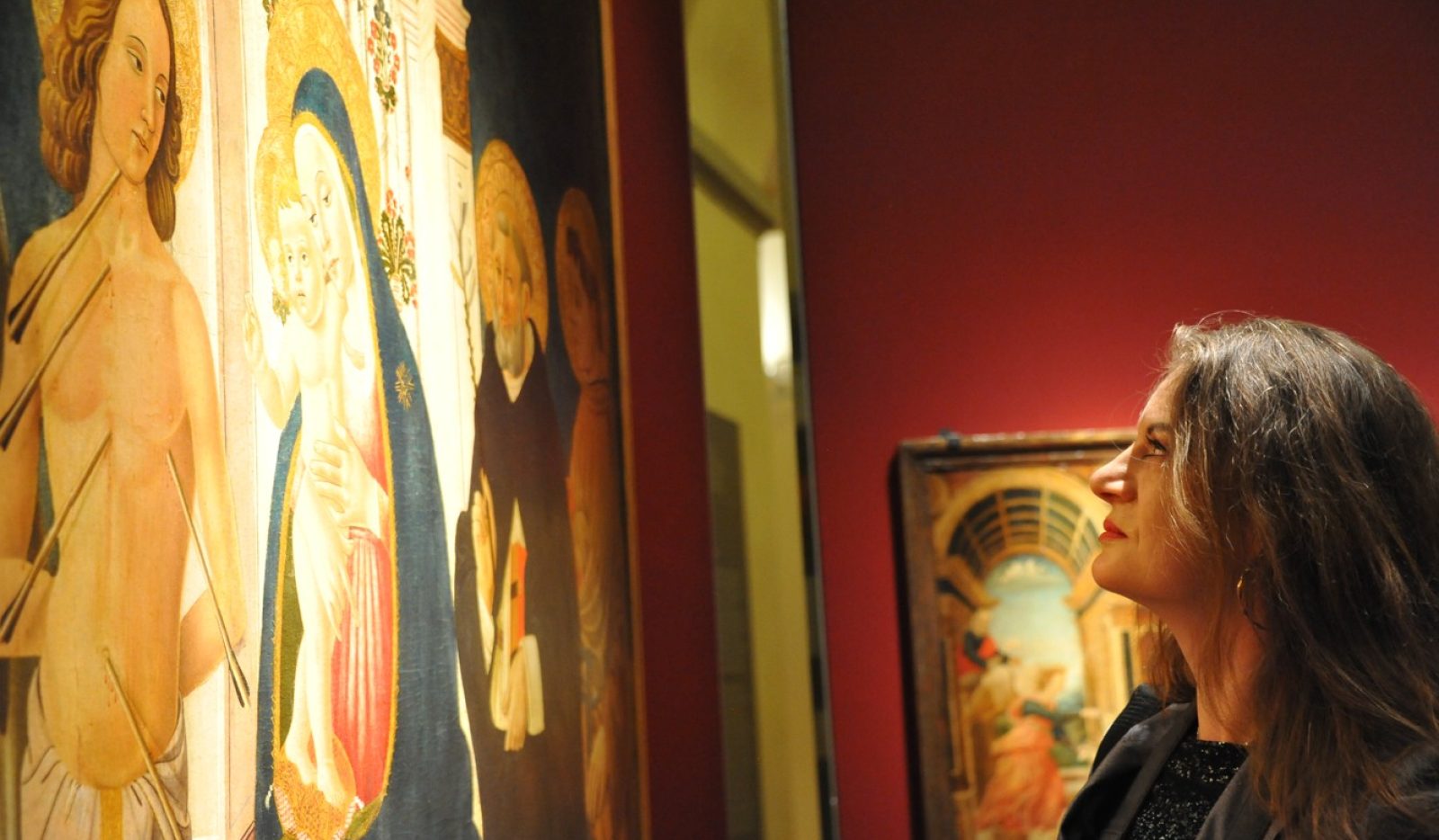
Capolavori trafugati e restituzioni: il documento che racconta la nascita del Louvre imperiale
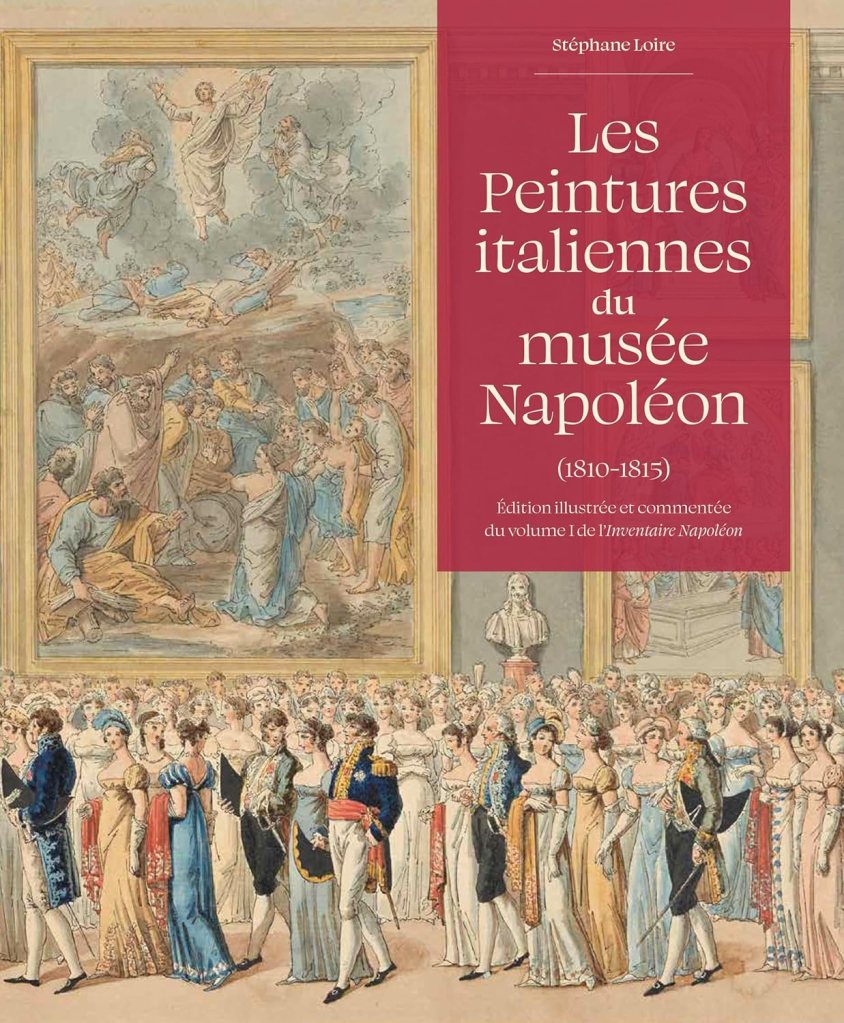
C’è un momento preciso in cui il Musée du Louvre si trasforma da museo rivoluzionario a strumento politico universale. È il tempo dell’«Inventaire Napoléon» (1810-1815), il grande catalogo manoscritto che registrò le collezioni del museo negli anni dell’Impero.
Oggi quel documento torna alla luce grazie al lavoro di Stéphane Loire, conservatore generale del Dipartimento di Pittura del Louvre, che ha pubblicato il primo dei 17 registri originali.
Il volume analizza 1.140 dipinti, da Albani a Zurbarán, ricostruendo in modo rigoroso e appassionante la fisionomia del museo dopo la sua creazione nel 1793, quando si chiamava ancora Muséum Français, prima di assumere il nome di Musée Napoléon.
Il risultato è un’opera destinata a segnare gli studi sulla storia del museo moderno, perché non si limita a trascrivere un inventario: lo interpreta, lo contestualizza, lo trasforma in una narrazione critica della nascita del “museo del mondo”.
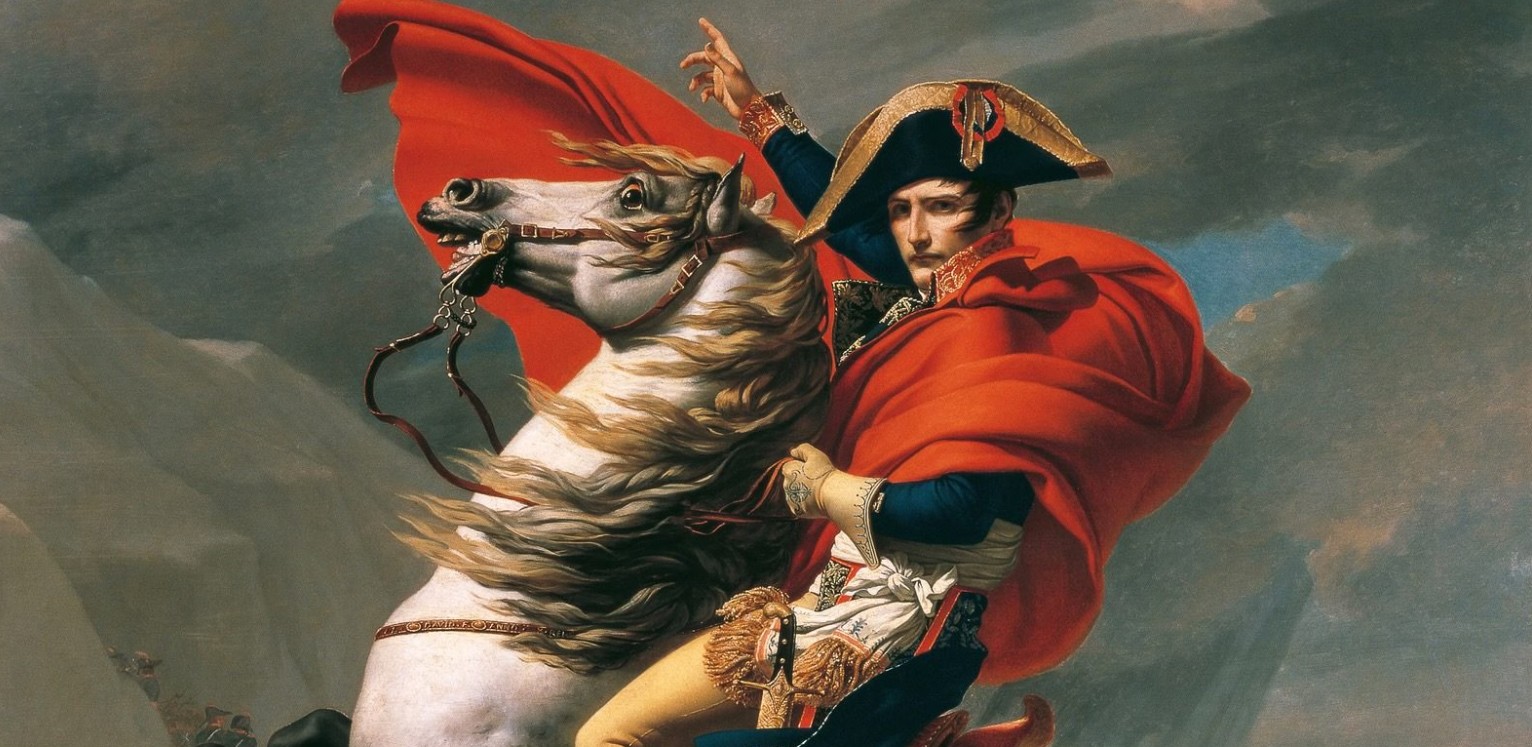
Da collezioni reali a sequestri: come si formò il museo universale
L’Inventario Napoleone comprende 17 volumi manoscritti, quattro dei quali dedicati a quasi 6.200 dipinti suddivisi per scuole nazionali.
Dall’indagine complessiva, Loire ricostruisce con precisione la provenienza delle opere e offre un dato che da solo racconta un’epoca: circa il 30% dei dipinti proveniva dalle collezioni reali francesi, un altro 30% da acquisizioni effettuate durante la Rivoluzione, mentre ben il 40% derivava da sequestri compiuti da Napoleone in tutta Europa, soprattutto in Italia.
Questo squilibrio illumina il vero progetto politico dell’Impero: concentrare a Parigi i massimi capolavori europei per costruire un museo assoluto, capace di incarnare la superiorità culturale francese. Il Louvre divenne così il centro simbolico di un’Europa artisticamente riunita sotto l’egida napoleonica, ma spesso contro la volontà dei Paesi di provenienza delle opere.
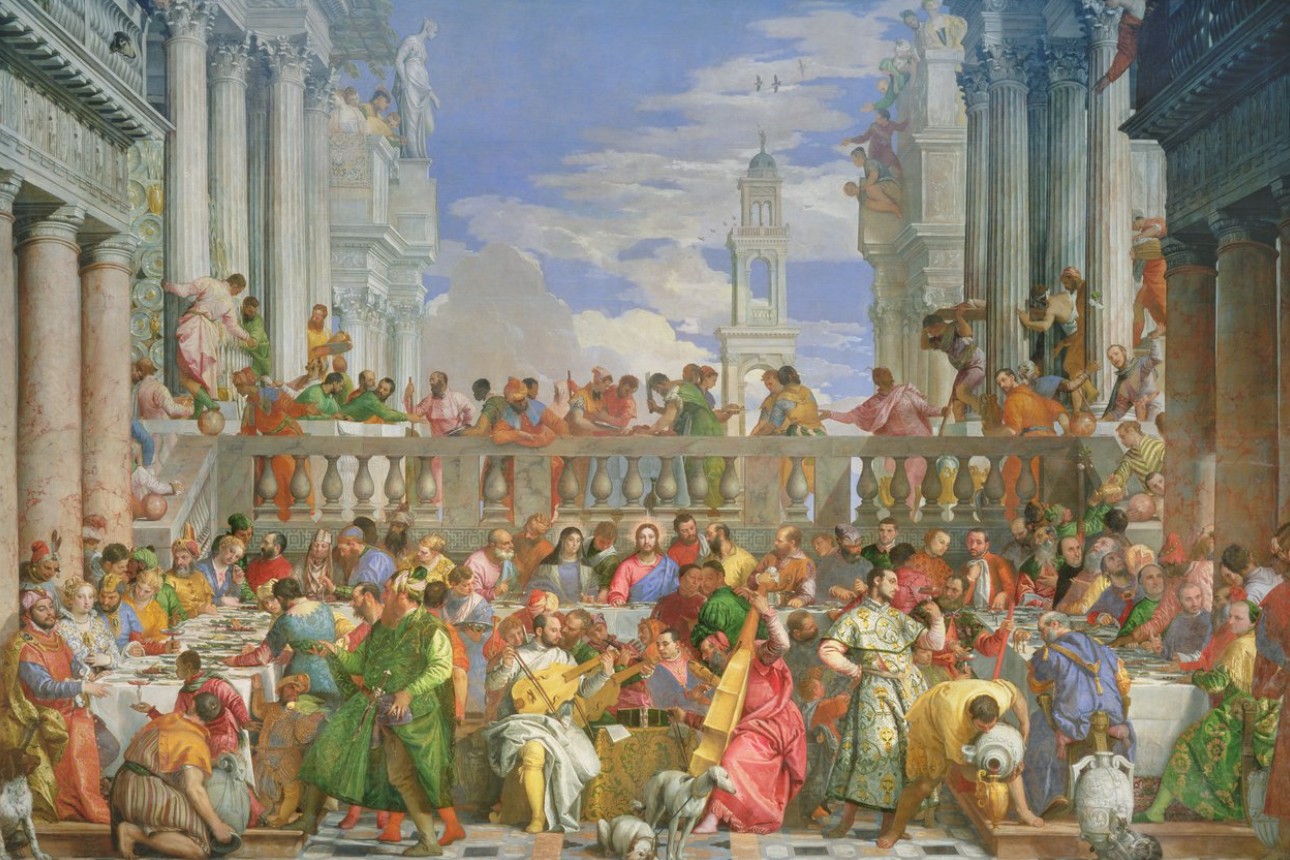
Le restituzioni e il ruolo decisivo di Antonio Canova
La caduta di Napoleone aprì la stagione delle restituzioni, una fase complessa e diplomatica che Loire documenta con grande precisione, seguendo il destino delle opere fino alla loro collocazione attuale. Circa il 30% dei dipinti analizzati fu restituito ai Paesi d’origine, un altro 30% rimase al Louvre e una percentuale analoga venne distribuita nei musei del resto della Francia.
Una quota compresa tra il cinque e il dieci per cento risulta ancora dispersa o non localizzata.
In questo processo fu determinante l’intervento di Antonio Canova, inviato a Parigi per ottenere la restituzione delle opere italiane trafugate. Il suo ruolo diplomatico segnò un precedente fondamentale nella storia della tutela del patrimonio artistico europeo. La pubblicazione di Loire, grazie alla sua meticolosa ricostruzione documentaria, potrebbe persino contribuire al ritrovamento di alcune opere oggi scomparse.
Denon, Daru e Stendhal: gli uomini dietro il grande inventario
Attraverso lo spoglio della corrispondenza conservata agli Archives nationales de France, Loire riporta alla luce l’attività dei protagonisti di questa straordinaria impresa amministrativa e culturale. Tra loro emerge la figura di Dominique Vivant Denon, direttore del museo e instancabile organizzatore, affiancato dal conte Pierre Daru e dal cugino di quest’ultimo, Stendhal, testimone colto e sensibile di quegli anni.
Le stime economiche contenute nell’inventario rivelano non soltanto valori di mercato, ma gerarchie culturali. Colpisce l’altissimo valore attribuito alla “Trasfigurazione di Cristo”, considerata l’opera più importante dell’intero catalogo, segno evidente di quali fossero i vertici del gusto e dell’ideale artistico perseguito.
La Trasfigurazione di Raffaello: il capolavoro simbolo del Musée Napoléon
La pala della “Trasfigurazione”, capolavoro di Raffaello Sanzio trafugato da San Pietro in Montorio, occupa una posizione centrale nell’Inventario. Identificata come l’opera più prestigiosa della raccolta, divenne il simbolo stesso del museo imperiale. La sua presenza domina anche il celebre dipinto di Benjamin Zix dedicato al corteo nuziale di Napoleone e Maria Luisa d’Austria nella Grande Galerie del Louvre, immagine potente della propaganda culturale dell’Impero.
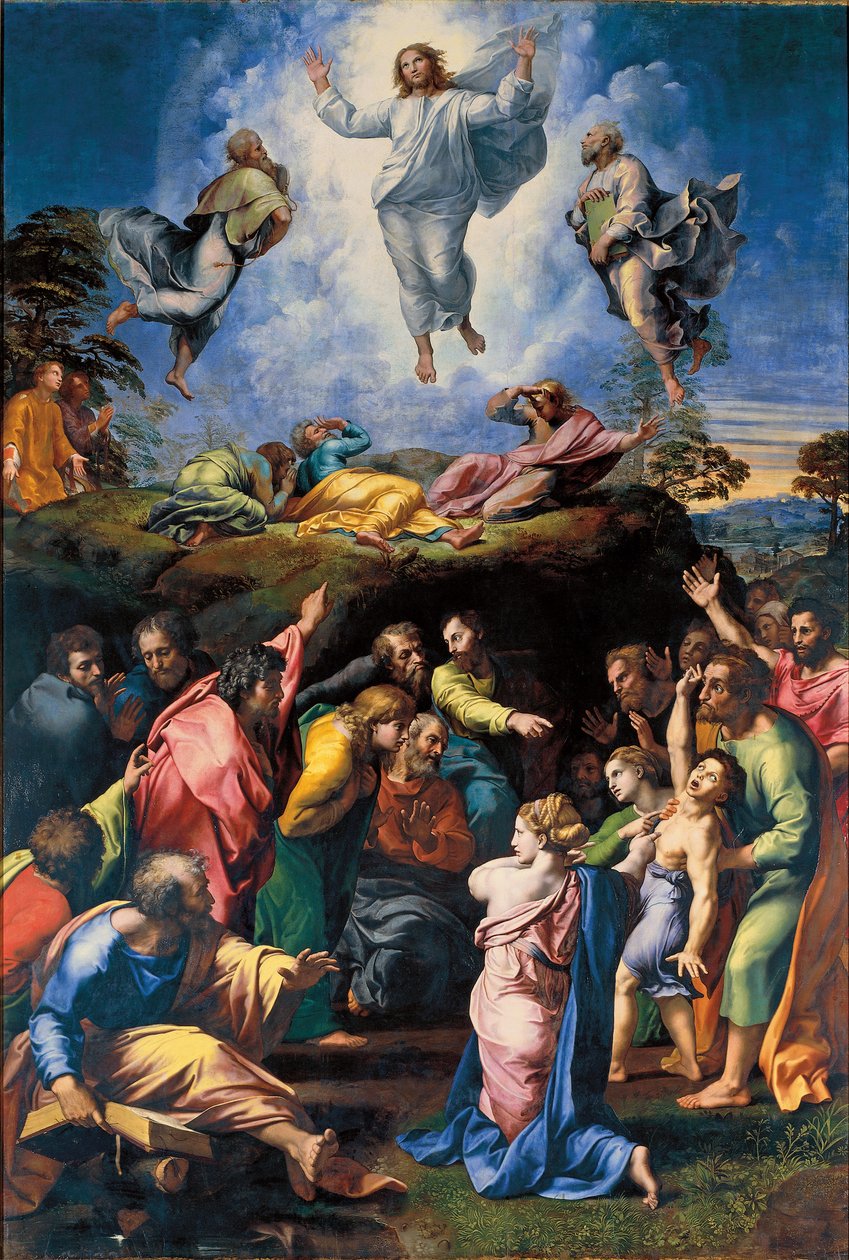
Loire dedica alla scheda della “Trasfigurazione” un’analisi esemplare, ricostruendo le vicende dell’arrivo a Parigi, le scelte conservative, la collocazione espositiva e infine la restituzione all’Italia. E lo stesso rigore viene applicato a ciascuno dei 1.140 dipinti studiati. Ogni opera è seguita nel suo percorso prima e dopo il Louvre, trasformando l’inventario in una mappa viva delle migrazioni artistiche europee.
Un libro fondamentale per capire la nascita del museo moderno
Il lavoro di Stéphane Loire è una riflessione profonda sulla nascita del museo moderno e sul rapporto, spesso ambiguo, tra potere politico, guerra e patrimonio culturale. L’«Inventaire Napoléon» mostra come il Louvre, oggi icona universale della cultura, sia anche il frutto di tensioni geopolitiche e di strategie imperiali.
Sfogliare questo volume significa entrare nel laboratorio in cui fu concepito il primo grande museo globale. Con ammirazione per la qualità delle opere selezionate e con la consapevolezza che quella straordinaria concentrazione di capolavori fu resa possibile da una stagione di conquiste e spoliazioni. Una storia esemplare nella sua portata culturale, ma tutt’altro che esemplare nelle sue modalità.
Per il momento il sempre vostro Michelangelo Buonarroti vi saluta dandovi appuntamento ai prossimi post e sui social.
Stolen Masterpieces and Restitutions: The Document That Recounts the Birth of the Imperial Louvre
There was a precise moment when the Musée du Louvre transformed from a revolutionary museum to a universal political instrument. It was the time of the “Inventaire Napoléon” (1810-1815), the great manuscript catalog that recorded the museum’s collections during the Empire.
Today, that document is being brought to light again thanks to the work of Stéphane Loire, curator general of the Louvre’s Painting Department, who has published the first of 17 original registers.
The volume analyzes 1,140 paintings, from Albani to Zurbarán, rigorously and passionately reconstructing the museum’s physiognomy after its creation in 1793, when it was still called the Muséum Français, before taking the name Musée Napoléon.
The result is a work destined to shape studies on the history of the modern museum, because it does not simply transcribe an inventory: it interprets it, contextualizes it, and transforms it into a critical narrative of the birth of the “world museum.”
From royal collections to seizures: how the universal museum was formed
The Napoleon Inventory comprises 17 manuscript volumes, four of which are dedicated to nearly 6,200 paintings, divided into national schools.
From this comprehensive investigation, Loire precisely reconstructs the provenance of the works and offers a figure that alone speaks volumes about an era: approximately 30% of the paintings came from French royal collections, another 30% from acquisitions made during the Revolution, while a full 40% came from seizures carried out by Napoleon throughout Europe, especially in Italy.
This imbalance illuminates the true political project of the Empire: to concentrate the greatest European masterpieces in Paris to build an absolute museum, capable of embodying French cultural superiority. The Louvre thus became the symbolic center of a Europe artistically reunited under Napoleon’s aegis, but often against the will of the works’ countries of origin.
Restitutions and the Decisive Role of Antonio Canova
Napoleon’s fall ushered in the era of restitutions, a complex and diplomatic phase that Loire documents with great precision, following the fate of the works up to their current location. Approximately 30% of the paintings analyzed were returned to their countries of origin, another 30% remained at the Louvre, and a similar percentage was distributed to museums throughout France.
A portion between five and ten percent remains missing or unlocated.
Antonio Canova, sent to Paris to secure the restitution of the stolen Italian works, played a crucial role in this process. His diplomatic role set a fundamental precedent in the history of protecting Europe’s artistic heritage. Loire’s publication, thanks to its meticulous documentary reconstruction, may even contribute to the rediscovery of some works now lost.
Denon, Daru, and Stendhal: the men behind the great inventory
Through the examination of correspondence preserved at the Archives Nationales de France, Loire sheds light on the activities of the key figures in this extraordinary administrative and cultural undertaking. Among them stands out Dominique Vivant Denon, director of the museum and tireless organizer, supported by Count Pierre Daru and his cousin, Stendhal, a cultured and sensitive witness to those years.
The economic estimates contained in the inventory reveal not only market values, but cultural hierarchies. The extremely high value attributed to the “Transfiguration of Christ” is striking, considered the most important work in the entire catalog, a clear sign of the pinnacle of taste and the artistic ideal pursued.
Raphael’s Transfiguration: the emblematic masterpiece of the Musée Napoléon
The “Transfiguration” altarpiece, a masterpiece by Raffaello Sanzio stolen from San Pietro in Montorio, occupies a central position in the Inventory. Recognized as the most prestigious work in the collection, it became the very symbol of the imperial museum. Its presence also dominates Benjamin Zix’s famous painting of the wedding procession of Napoleon and Marie Louise of Austria in the Louvre’s Grande Galerie, a powerful image of the Empire’s cultural propaganda.
Loire devotes an exemplary analysis to the “Transfiguration,” reconstructing the events of its arrival in Paris, the conservation decisions, its exhibition placement, and finally its restitution to Italy. The same rigor is applied to each of the 1,140 paintings studied. Each work is followed throughout its journey before and after the Louvre, transforming the inventory into a living map of European artistic migrations.
A fundamental book for understanding the birth of the modern museum
Stéphane Loire’s work is a profound reflection on the birth of the modern museum and the often ambiguous relationship between political power, war, and cultural heritage. The “Inventaire Napoléon” shows how the Louvre, today a universal icon of culture, is also the product of geopolitical tensions and imperial strategies.
Leafing through this volume means entering the laboratory where the first great global museum was conceived. With admiration for the quality of the selected works and with the awareness that this extraordinary concentration of masterpieces was made possible by a period of conquest and plunder. A story exemplary in its cultural significance, but far from exemplary in its methods.
For now, yours truly, Michelangelo Buonarroti bids you farewell and invites you to see him in future posts and on social media.

Sostienici – Support Us
Se questo blog ti piace e ti appassiona, puoi aiutarci a farlo crescere sempre più sostenendoci in modo concreto condividendo i post, seguendo le pagine social e con un contributo che ci aiuta ad andare avanti con il nostro lavoro di divulgazione. . ENGLISH: If you like and are passionate about this blog, you can help us make it grow more and more by supporting us in a concrete way by sharing posts, following social pages and with a contribution that helps us to move forward with our dissemination work.
10,00 €
Articoli
Condividi:


Questo sono io





sostienici

Sostienici – Support Us
Se questo blog ti piace e ti appassiona, puoi aiutarci a farlo crescere sempre più sostenendoci in modo concreto condividendo i post, seguendo le pagine social e con un contributo che ci aiuta ad andare avanti con il nostro lavoro di divulgazione. . ENGLISH: If you like and are passionate about this blog, you can help us make it grow more and more by supporting us in a concrete way by sharing posts, following social pages and with a contribution that helps us to move forward with our dissemination work.
€10,00


Un ragazzo del mio paese ha fatto una tesi di laurea proprio su questo argomento, soprattutto per quanto riguarda le opere prelevate a Brescia e provincia e in Lombardia.
"Mi piace"Piace a 1 persona
molto interessante
"Mi piace"Piace a 1 persona