
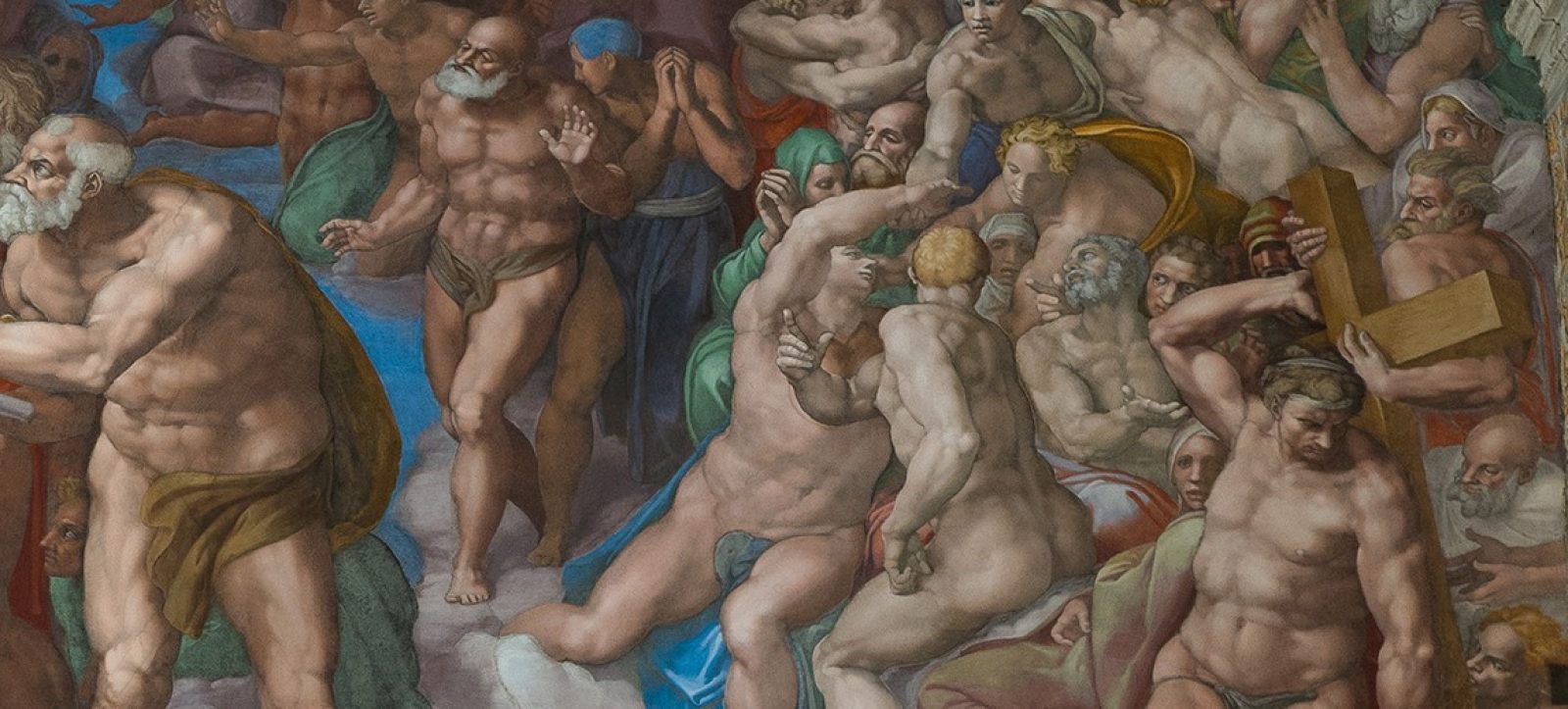
29 agosto 1780: nasce in Francia Jean-Auguste-Dominique Ingrés
Era il 29 agosto del 1780 quando nella cittadina francese Montauban nacque Jean-Auguste-Dominique Ingrés.
Pittore e disegnatore, ebbe una lunga carriera particolarmente produttiva.

La vita e la carriera di Ingrés
Figlio di un artista, Ingres ebbe modo di mostrare il suo precoce talento per il disegno e la musica. Pensate che a soli 11 anni entrò a studiare all’Académie Royale de Peinture, Sculpture et Architecture di Tolosa.
Nel 1797 si trasferì a Parigi, dove divenne allievo di Jacques-Louis David, il principale esponente del neoclassicismo. Anche se inizialmente fu influenzato dal suo maestro, Ingres sviluppò presto uno stile personale che si concentrava sulla purezza della linea, sulla precisione del disegno e sulla bellezza formale.

Nel 1806, vinse il prestigioso Prix de Rome, che gli permise di studiare in Italia per diversi anni. Durante il suo soggiorno, rimase affascinato dall’arte rinascimentale, in particolare da Raffaello, che divenne una sua grande fonte di ispirazione. Dopo il ritorno in Francia, ottenne numerosi riconoscimenti e incarichi ufficiali. Divenne direttore dell’Accademia di Francia a Roma nel 1834, carica che mantenne fino al 1841. Dopo il suo ritiro, continuò a lavorare instancabilmente fino alla sua morte, avvenuta a Parigi il 14 gennaio 1867.
Le opere più celebri
Ingres era apprezzato in particolar modo per i suoi ritratti e per le sue scene mitologiche e orientali. Tra le sue opere più celebri vale la pena ricordare ‘La Grande Odalisca’ del 1814. Un’opera controversa all’epoca per le sue proporzioni anatomiche volutamente esagerate e non realistiche. Il corpo sinuoso della donna, con una schiena e un braccio allungati, è un esempio della sua ricerca della bellezza ideale piuttosto che della verosimiglianza.

Un altro dipinto noto di Ingrés è ‘Il bagno turco‘ che esplora il tema dell’esotismo erotico e del nudo femminile. Il dipinto di forma circolare raffigura un gruppo di donne in un hammam, con una complessa composizione di corpi e figure che creano un’atmosfera sensuale e misteriosa.
‘Madame Moitessier’ del 1856 è considerato uno dei suoi capolavori. L’opera cattura la bellezza e l’eleganza di una ricca signora della borghesia parigina, con una ricchezza di dettagli nei tessuti e nei gioielli. Ingres impiegò 12 anni per completare il ritratto, a testimonianza del suo perfezionismo.
Per il momento il sempre vostro Michelangelo Buonarroti vi saluta dandovi appuntamento ai prossimi post e sui social.
August 29, 1780: Ingres was born in France
Jean-Auguste-Dominique Ingrés was born on August 29, 1780, in the French town of Montauban.
He was a neoclassical painter and draftsman, considered one of the greatest exponents of his style. His career was long and particularly productive.
Ingrés’s Life and Career
The son of an artist, Ingres demonstrated his precocious talent for drawing and music. At just 11 years old, he entered the Académie Royale de Peinture, Sculpture et Architecture in Toulouse.
In 1797, he moved to Paris, where he became a student of Jacques-Louis David, the leading exponent of neoclassicism. Although initially influenced by his master, Ingres soon developed a personal style that focused on purity of line, precision of drawing, and formal beauty.
In 1806, he won the prestigious Prix de Rome, which allowed him to study in Italy for several years. During his stay, he became fascinated by Renaissance art, particularly Raphael, who became a great source of inspiration. After returning to France, he received numerous awards and official commissions. He became director of the French Academy in Rome in 1834, a position he held until 1841. After his retirement, he continued to work tirelessly until his death in Paris on January 14, 1867.
Most Famous Works
Ingres was particularly appreciated for his portraits and his mythological and oriental scenes. Among his most famous works is “La Grande Odalisque” from 1814, a work that was controversial at the time due to its deliberately exaggerated and unrealistic anatomical proportions. The woman’s sinuous body, with an elongated back and arm, exemplifies his pursuit of ideal beauty rather than verisimilitude.
Another well-known painting by Ingrés is “The Turkish Bath,” which explores the theme of erotic exoticism and the female nude. The circular painting depicts a group of women in a hammam, with a complex composition of bodies and figures that create a sensual and mysterious atmosphere.
“Madame Moitessier,” from 1856, is considered one of his masterpieces. The work captures the beauty and elegance of a wealthy Parisian bourgeois lady, with a wealth of detail in the fabrics and jewelry. It took Ingres 12 years to complete the portrait, a testament to his perfectionism.
For now, the ever-friendly Michelangelo Buonarroti bids farewell and says he’ll see you in future posts and on social media.

Sostienici – Support Us
Se questo blog ti piace e ti appassiona, puoi aiutarci a farlo crescere sempre più sostenendoci in modo concreto condividendo i post, seguendo le pagine social e con un contributo che ci aiuta ad andare avanti con il nostro lavoro di divulgazione. . ENGLISH: If you like and are passionate about this blog, you can help us make it grow more and more by supporting us in a concrete way by sharing posts, following social pages and with a contribution that helps us to move forward with our dissemination work.
10,00 €
Articoli
Condividi:


Questo sono io





sostienici

Sostienici – Support Us
Se questo blog ti piace e ti appassiona, puoi aiutarci a farlo crescere sempre più sostenendoci in modo concreto condividendo i post, seguendo le pagine social e con un contributo che ci aiuta ad andare avanti con il nostro lavoro di divulgazione. . ENGLISH: If you like and are passionate about this blog, you can help us make it grow more and more by supporting us in a concrete way by sharing posts, following social pages and with a contribution that helps us to move forward with our dissemination work.
€10,00


