

Il busto di Caracalla al Museo Archeologico di Napoli
Tra i tanti capolavori custoditi al Museo Archeologico di Napoli, c’è un busto che mi piace molto. Si tratta di quello di Caracalla che ha diverse affinità con il Bruto che scolpii nel 1539 per Donati Giannotti, fuoriuscito fiorentino e ultimo segretario dei Dieci a Firenze.
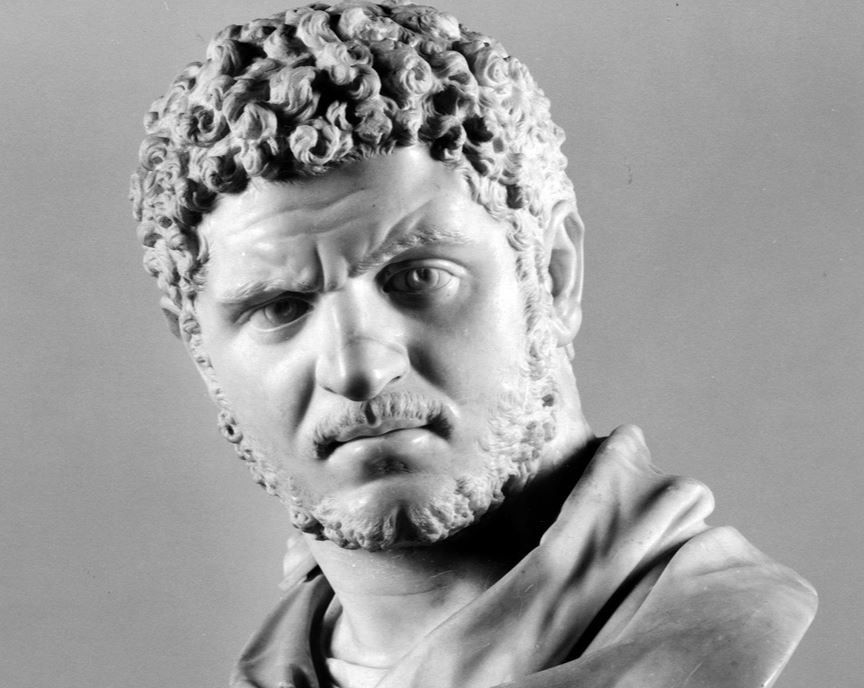
Il volto riprende le fattezze dell’imperatore Caracalla, vissuto tra il 188 e il 217 d.C.. Il capo presenta una torsione verso sinistra rispetto al busto. Il viso è segnato da un’espressione decisa con un moto a metà tra l’ira e lo sdegno che gli aggrotta le sopracciglia.
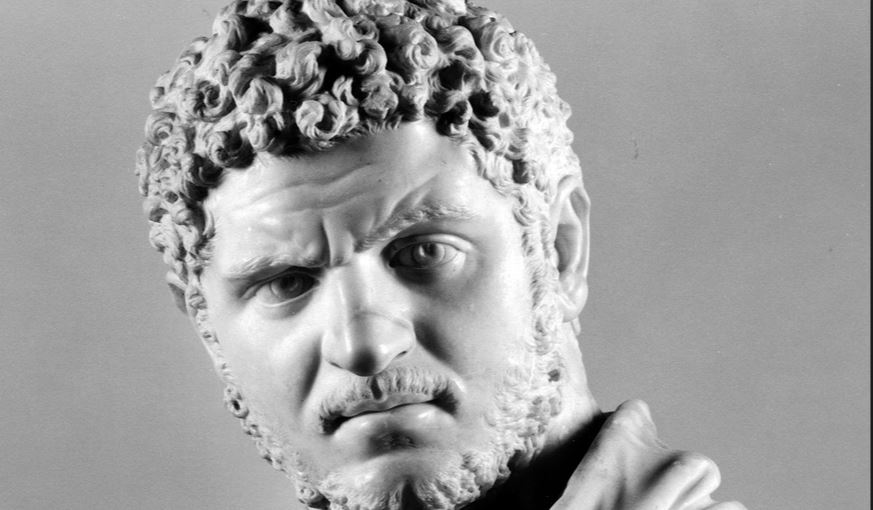
Ha uno sguardo fiero, deciso e sembra sia pronto all’azione. I riccioli del capo associati alla barba che gli incornicia il volto, aumentano il senso di autorevolezza che la sua posa denota. Come vi ho accennato prima, questo busto lo conoscevo eccome e mi fu di grande ispirazione quando misi mano al Bruto.
Il busto dell’imperatore romano fu rinvenuto a Roma nelle Terme di Caracalla. All’inizio fu comprato da Mario Maccaroni ma poco dopo passò nelle collezioni della potente e danarosa famiglia Farnese.
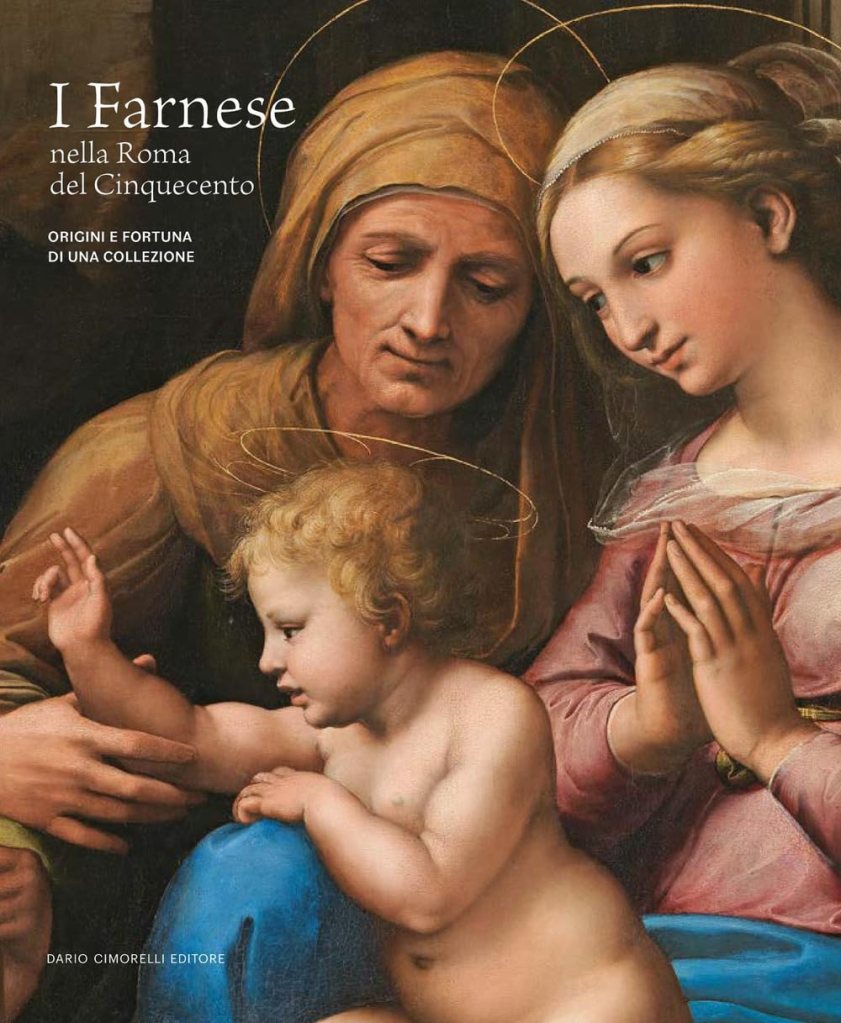
Quello sguardo accigliato di Caracalla a lungo rimase esposto nel loro palazzo romano fino a quando passò per via ereditaria ai Borbone, mediante Carlo III.

Il busto venne trasferito con il resto della ricca collezione Farnese a Napoli nel 1787 e dal 1805 è esposto nel Museo Archeologico partenope.
Caracalla: accenni storici
Caracalla nacque il 4 aprile del 188 d.C. e il suo nome completo era Marco Aurelio Antonino Caracalla. Era figlio di Settimio Severo e ascese al trono imperiale nel 193 d.C diventando unico imperatore nel 197 d.C., dopo aver vinto le guerre civili.
Alla morte del padre, avvenuta nel 211 d.C. a Eburacum (York) durante la campagna britannica di Severo che aveva riportato la frontiera al vallo di Antonino, Caracalla gli succedette insieme al fratello Geta. Caracalla però liberò rapidamente del fratello, condannandolo alla damnatio memoriae.
Particolarmente benvoluto dai soldati, Caracalla ne aumentò la paga, seguendo le orme del padre che aveva già fatto lo stesso. Nel 212 d.C. emanò la Constitutio Antoniniana, un editto che concedeva la cittadinanza romana a tutti gli abitanti liberi dell’impero. Il suo nome, Marco Aurelio Antonino Caracalla, derivava dalla decisione di Settimio Severo di “adottarsi” postumo a Commodo, legandosi così alla dinastia degli Antonini.
La motivazione dietro la Constitutio Antoniniana, come suggerito da Cassio Dione, era probabilmente di natura fiscale. Concedendo la cittadinanza, i provinciali erano soggetti alle tasse romane, il che avrebbe contribuito a rimpinguare le casse statali, svuotate dagli aumenti degli stipendi ai soldati e dalla perdita di un terzo dei contribuenti a seguito della peste.
L’imperatore Caracalla fu assassinato da un centurione in circostanze mai del tutto chiarite a Carre, mentre era in marcia per combattere il re partico Artabano V.
Per il momento il sempre vostro Michelangelo Buonarroti vi saluta dandovi appuntamento ai prossimi post e sui social.
The bust of Caracalla at the Archaeological Museum of Naples
Among the many masterpieces kept at the Archaeological Museum of Naples, there is a bust that I like very much. It is that of Caracalla which has several affinities with the Brutus that I sculpted in 1539 for Donati Giannotti, a Florentine exile and the last secretary of the Ten in Florence.
The face recalls the features of the emperor Caracalla, who lived between 188 and 217 AD. The head presents a twist to the left compared to the bust. The face is marked by a determined expression with a movement halfway between anger and disdain that frowns his eyebrows.
He has a proud, determined look and seems ready for action. The curls of the head combined with the beard that frames his face increases the sense of authority that his pose denotes. As I mentioned before, I knew this bust very well and it was a great inspiration to me when I started working on Brutus.
The bust of the Roman emperor was found in Rome, in the Baths of Caracalla. At first it was bought by Mario Maccaroni but soon after it passed into the collections of the powerful and wealthy Farnese family.
That frowning look of Caracalla remained on display in their Roman palace for a long time until it passed by inheritance to the Bourbons, through Charles III.
The bust was transferred with the rest of the rich Farnese collection to Naples in 1787 and since 1805 it has been on display in the Neapolitan Archaeological Museum.
Caracalla: historical notes
Caracalla was born on April 4, 188 AD and his full name was Marcus Aurelius Antoninus Caracalla. He was the son of Septimius Severus and ascended to the imperial throne in 193 AD becoming sole emperor in 197 AD, after having won the civil wars.
Upon the death of his father in 211 AD in Eburacum (York) during Severus’ British campaign that had brought the frontier back to the Antonine Wall, Caracalla succeeded him together with his brother Geta. However, Caracalla quickly freed his brother, condemning him to damnatio memoriae.
Particularly well-liked by the soldiers, Caracalla increased their pay, following in the footsteps of his father who had already done the same. In 212 AD he issued the Constitutio Antoniniana, an edict that granted Roman citizenship to all free inhabitants of the empire. His name, Marcus Aurelius Antoninus Caracalla, derived from Septimius Severus’ decision to “adopt” himself posthumously to Commodus, thus tying himself to the Antonine dynasty.
The motivation behind the Constitutio Antoniniana, as suggested by Cassius Dio, was probably fiscal in nature. By granting citizenship, provincials were subject to Roman taxes, which would have helped replenish state coffers, emptied by increases in soldiers’ salaries and the loss of a third of taxpayers following the plague.
The emperor Caracalla was assassinated by a centurion in circumstances that have never been fully clarified in Carrhae, while he was marching to fight the Parthian king Artabanus V.
For the moment, yours truly Michelangelo Buonarroti bids you farewell, making an appointment to see you in the next posts and on social media.

Sostienici – Support Us
Se questo blog ti piace e ti appassiona, puoi aiutarci a farlo crescere sempre più sostenendoci in modo concreto condividendo i post, seguendo le pagine social e con un contributo che ci aiuta ad andare avanti con il nostro lavoro di divulgazione. . ENGLISH: If you like and are passionate about this blog, you can help us make it grow more and more by supporting us in a concrete way by sharing posts, following social pages and with a contribution that helps us to move forward with our dissemination work.
10,00 €
Condividi:


Questo sono io





sostienici

Sostienici – Support Us
Se questo blog ti piace e ti appassiona, puoi aiutarci a farlo crescere sempre più sostenendoci in modo concreto condividendo i post, seguendo le pagine social e con un contributo che ci aiuta ad andare avanti con il nostro lavoro di divulgazione. . ENGLISH: If you like and are passionate about this blog, you can help us make it grow more and more by supporting us in a concrete way by sharing posts, following social pages and with a contribution that helps us to move forward with our dissemination work.
€10,00


