

Le Opere della Pasqua: la Flagellazione di Cristo dipinta da Caravaggio
Con l’avvicinarsi della Pasqua, voglio proporvi un dipinto emblematico che racconta uno dei momenti più duri della passione: la Flagellazione di Cristo di Caravaggio.
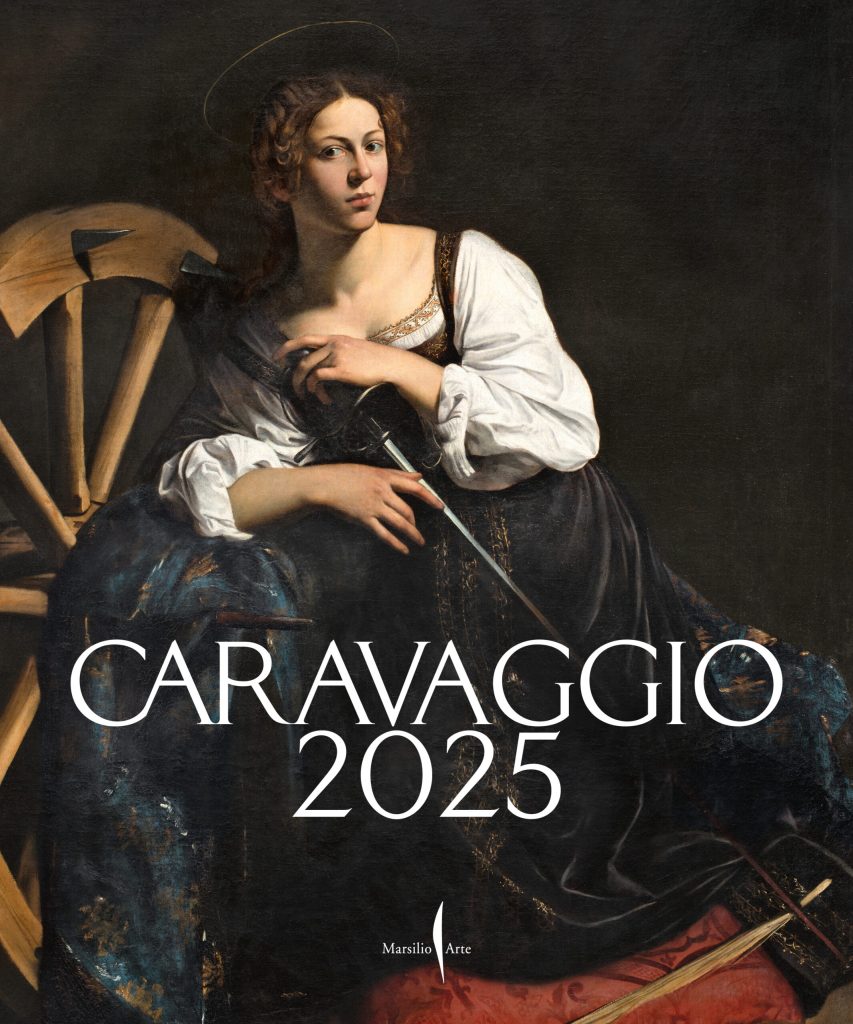
L’opera è considerata una delle più significative della maturità del pittore lombardo ed è custodita nel Museo e Real Bosco di Capodimonte, a Napoli. Al momento però è esposta nel percorso della mostra Caravaggio 2025, in corso alle Gallerie di Arte Antica a Roma.
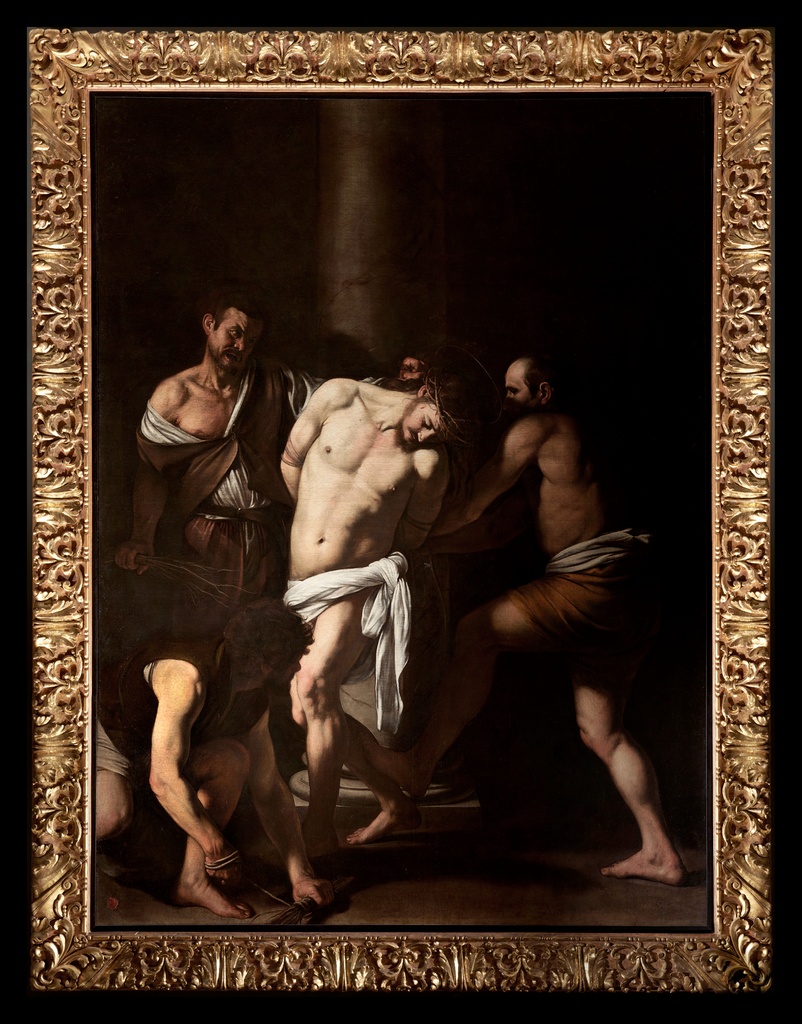
Il dipinto a olio su tela realizzato nel 1607, raffigura la flagellazione di Gesù Cristo, l’episodio che precede la Crocefissione narrato nei Vangeli di Matteo, Marco e Giovanni.
Nella sua opera Caravaggio dipinse Cristo legato con le mani dietro la schiena, appoggiato di marmo, leggermente decentrata verso sinistra rispetto all’asse dell’opera.
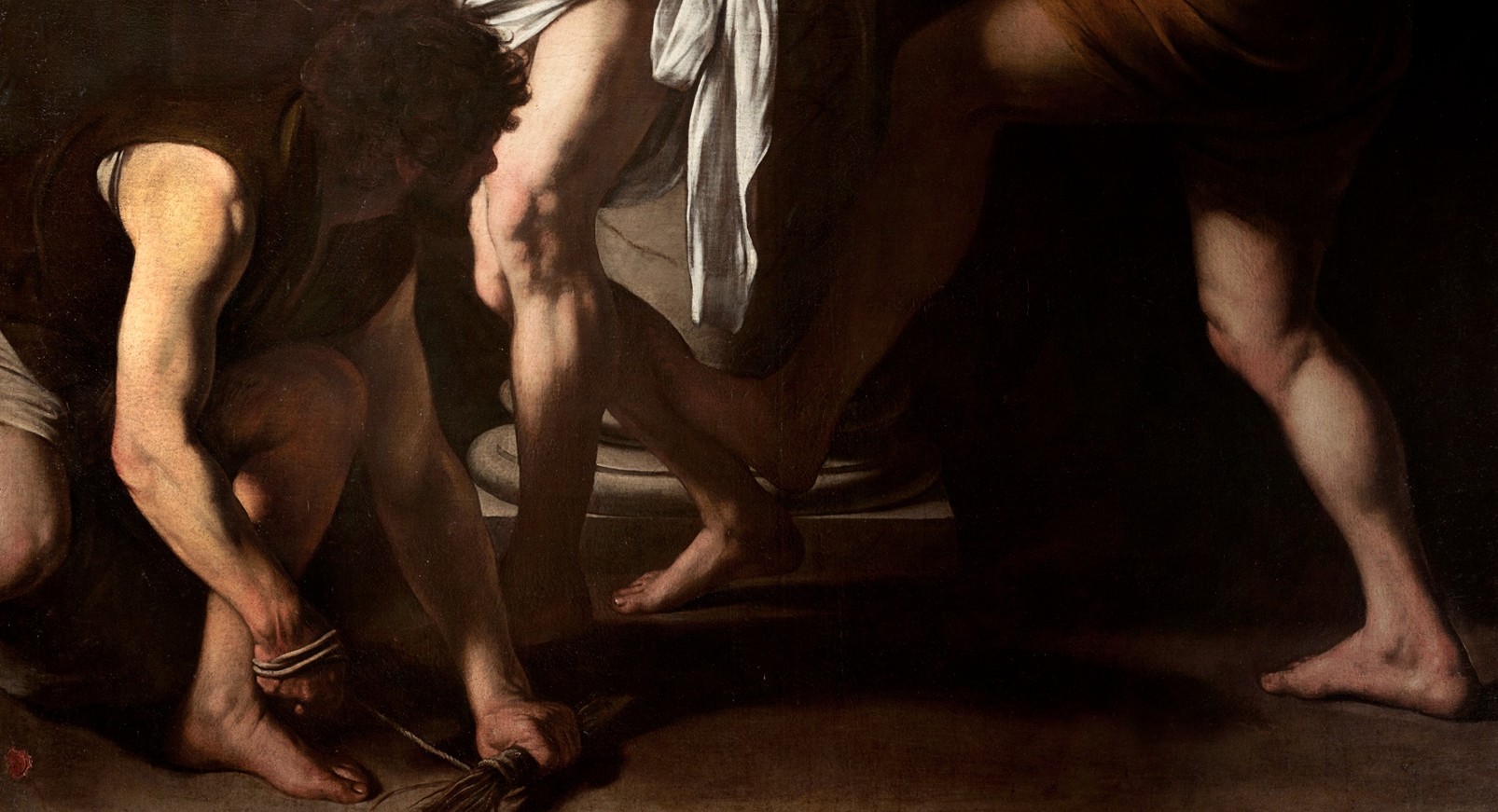
Con solo un perizoma addosso, le sue ginocchia si piegano percettibilmente cedendo ai colpi che sta ricevendo da parte dei tre aguzzini. I loro volti sono sfigurati dalla terribilità dei loro cuori. Notate in particolare l’espressione che ha il flagellatore stante che si trova a sinistra.
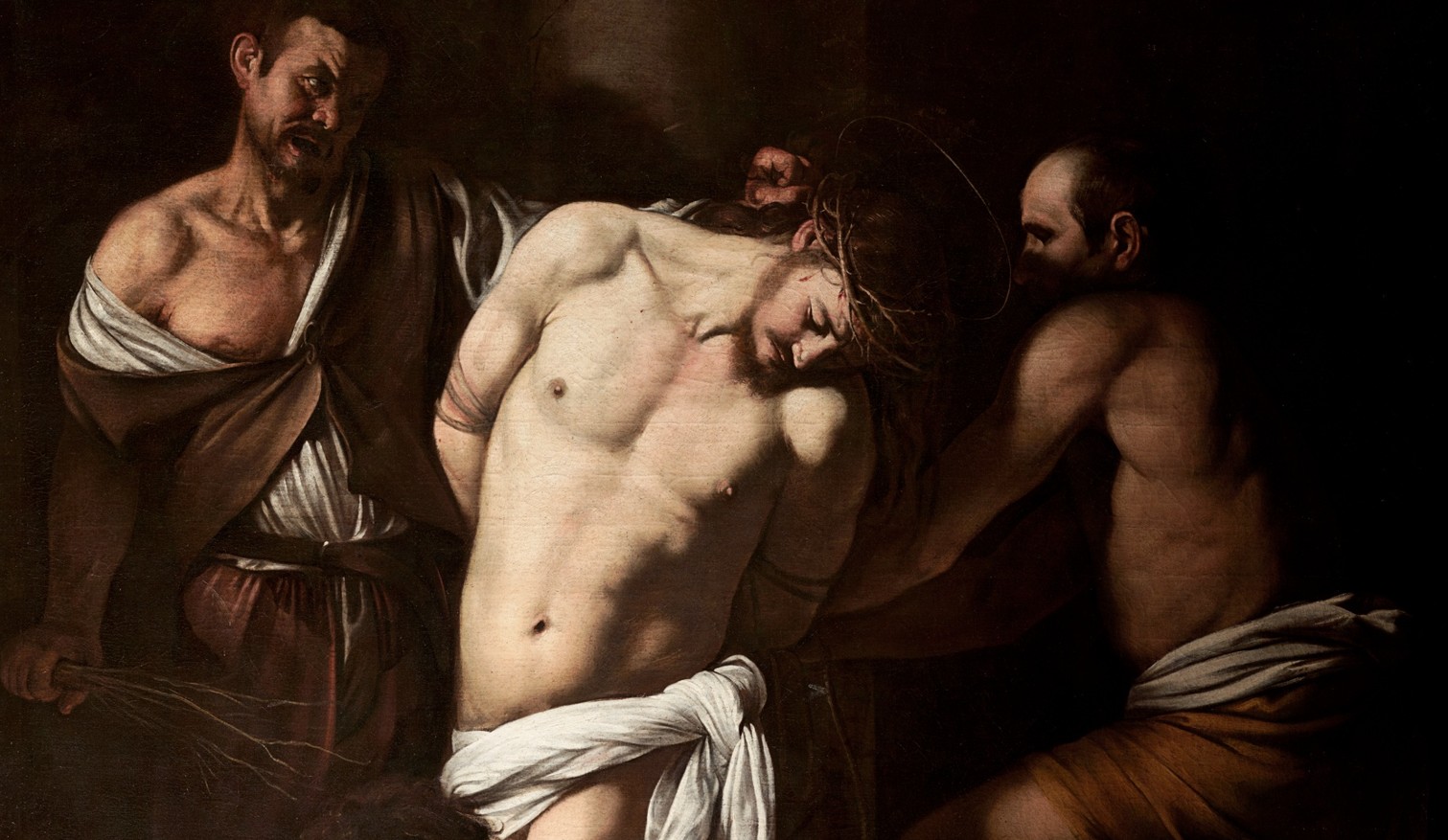
Con il viso divenuto una maschera segnata dall’odio, afferra con la mano i capelli di Cristo per tenerlo fermo mentre con la mano destra impugna saldamente il flagello. Vero è che i tre aguzzini stanno eseguendo gli ordini impartiti da Pilato ma è altrettanto vero che sembrano provare gusto nello scagliarsi contro il corpo di Cristo.
Mediante l’audace utilizzo delle luci e l’attenzione ai dettagli anatomici che fedelmente rispecchiano la realtà, Caravaggio aprì un modo nuovo di dipingere. La scena è resa con una tale intensità di contrasto tra luce e ombra che i personaggi sembrano quasi emergere dal buio.
Il sapiente uso di ombre e luci divenne un tratto distintivo dell’artista che riuscì a influenzare molti dei suoi contemporanei e le generazioni successive.
Caravaggio mise mano alla Flagellazione di Cristo per la Cappella de’ Franchis ubicata nella chiesa di San Domenico Maggiore dopo aver ultimato la grande tela delle Sette Opere di Misericordia.
Sul finire del Cinquecento, i de Franchis, famiglia originaria di Genova, avevano conquistato prestigio e ricchezze grazie al lavoro di Vincenzo de’ Franchis, presidente del Sacro Collegio che aveva sistemato i figli in posizioni autorevoli all’interno della corte spagnola e tra le file della gerarchia ecclesiastica.
Caravaggio l’11 maggio del 1607 ricevette 100 ducati a saldo della tela, all’epoca ancora non ultimata di dipingere.
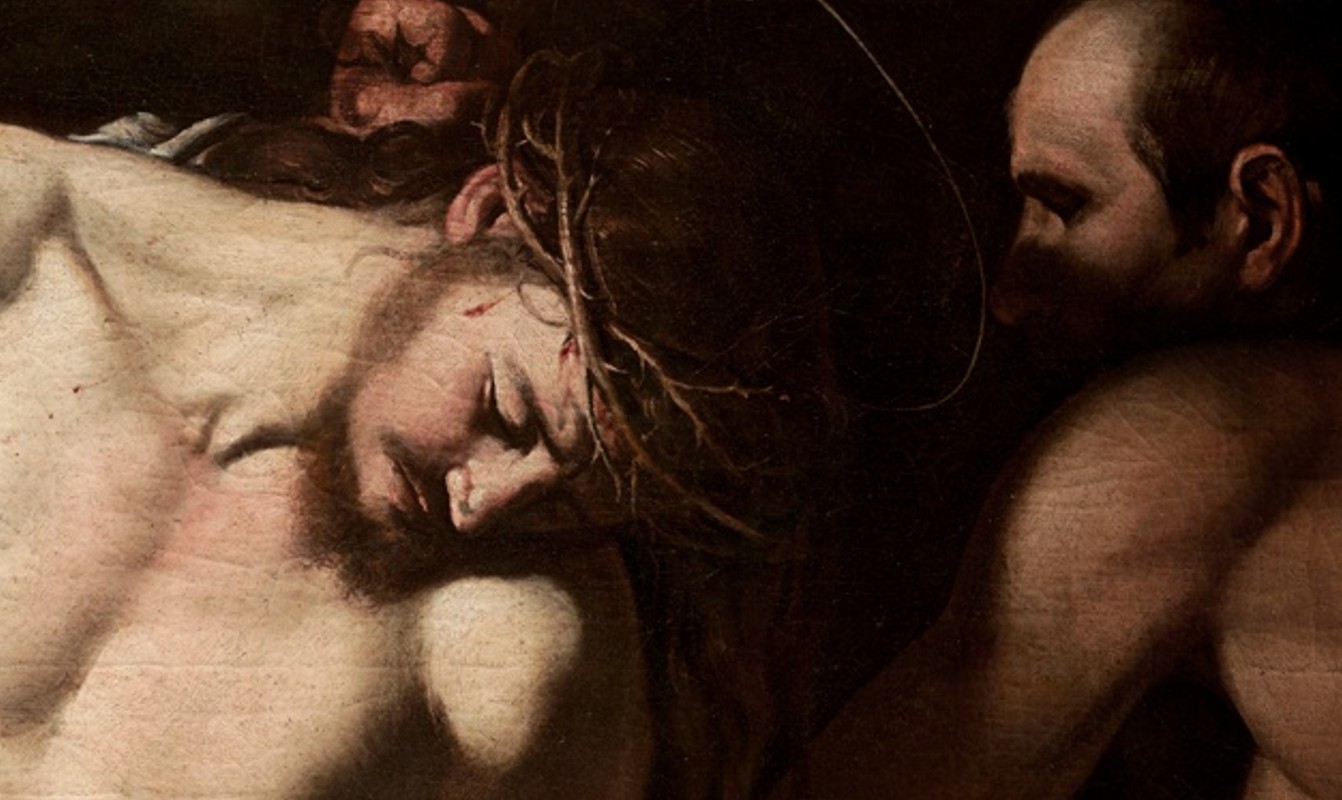
La potenza emotiva che lo spettatore percepisce osservando la Flagellazione di Cristo emoziona e sconvolge. Lo sguardo verso il basso di Cristo e la brutalità negli occhi dei carnefici creano un contrasto straordinario.
Per il momento il sempre vostro Michelangelo Buonarroti vi saluta dandovi appuntamento ai prossimi post e sui social.
Easter Works: Caravaggio’s Flagellation
As Easter approaches, I want to propose an emblematic painting that tells one of the hardest moments of the passion: Caravaggio’s Flagellation of Christ.
The work is considered one of the most significant of the Lombard painter’s maturity and is kept in the Museum and Royal Wood of Capodimonte, in Naples. At the moment, however, it is exhibited in the Caravaggio 2025 exhibition, underway at the Gallerie di Arte Antica in Rome.
The oil painting on canvas made in 1607, depicts the flagellation of Jesus Christ, the episode that precedes the Crucifixion narrated in the Gospels of Matthew, Mark and John.
In his work, Caravaggio painted Christ tied with his hands behind his back, supported by marble, slightly off-center to the left with respect to the axis of the work.
Wearing only a loincloth, his knees visibly buckle as he is being beaten by the three tormentors. Their faces are disfigured by the terribleness of their hearts. Note in particular the expression on the face of the standing flagellator on the left.
His face has become a mask of hatred, he grasps Christ’s hair with his hand to hold him still while his right hand firmly grips the scourge. It is true that the three tormentors are carrying out Pilate’s orders, but it is equally true that they seem to revel in lashing out against Christ’s body.
Through his bold use of light and attention to anatomical details that faithfully reflect reality, Caravaggio opened a new way of painting. The scene is rendered with such intensity of contrast between light and shadow that the figures almost seem to emerge from the darkness.
The skillful use of shadow and light became a hallmark of the artist who managed to influence many of his contemporaries and subsequent generations.
Caravaggio began working on the Flagellation of Christ for the Cappella de’ Franchis located in the church of San Domenico Maggiore after completing the large canvas of the Seven Works of Mercy.
At the end of the sixteenth century, the de Franchis, a family originally from Genoa, had gained prestige and wealth thanks to the work of Vincenzo de’ Franchis, president of the Sacred College who had placed his sons in authoritative positions within the Spanish court and among the ranks of the ecclesiastical hierarchy.
On May 11, 1607, Caravaggio received 100 ducats in payment for the canvas, which at the time had not yet been finished.
The emotional power that the viewer perceives when observing the Flagellation of Christ excites and shocks. Christ’s downward gaze and the brutality in the eyes of the executioners create an extraordinary contrast.
For the moment, the ever-yours Michelangelo Buonarroti bids you farewell, making an appointment to see you in the next posts and on social media.

Sostienici – Support Us
Se questo blog ti piace e ti appassiona, puoi aiutarci a farlo crescere sempre più sostenendoci in modo concreto condividendo i post, seguendo le pagine social e con un contributo che ci aiuta ad andare avanti con il nostro lavoro di divulgazione. . ENGLISH: If you like and are passionate about this blog, you can help us make it grow more and more by supporting us in a concrete way by sharing posts, following social pages and with a contribution that helps us to move forward with our dissemination work.
10,00 €

Condividi:


Questo sono io




sostienici

Sostienici – Support Us
Se questo blog ti piace e ti appassiona, puoi aiutarci a farlo crescere sempre più sostenendoci in modo concreto condividendo i post, seguendo le pagine social e con un contributo che ci aiuta ad andare avanti con il nostro lavoro di divulgazione. . ENGLISH: If you like and are passionate about this blog, you can help us make it grow more and more by supporting us in a concrete way by sharing posts, following social pages and with a contribution that helps us to move forward with our dissemination work.
€10,00


⭐
"Mi piace""Mi piace"