
La Scultura del giorno: l’antico Satiro Danzante con le aggiunte di Thorvaldsen
La scultura del giorno che vi propongo oggi è il Satiro Danzante del II secolo d.C., custodito nella Galleria Borghese, scolpito in marmo pentelico.
L’opera fu rinvenuta durane gli scavi di Monte Calvo in Sabina, risalenti al 1824. Fu poi acquistata dalla famiglia Borghese nel 1834 e dal 1902 appartiene allo Stato italiano.
Il Satiro avanza compiendo un passo di danza. Scolpito sulle punte dei piedi, mostra il vigore del suo corpo, sfoggiando una coda di cavallo.
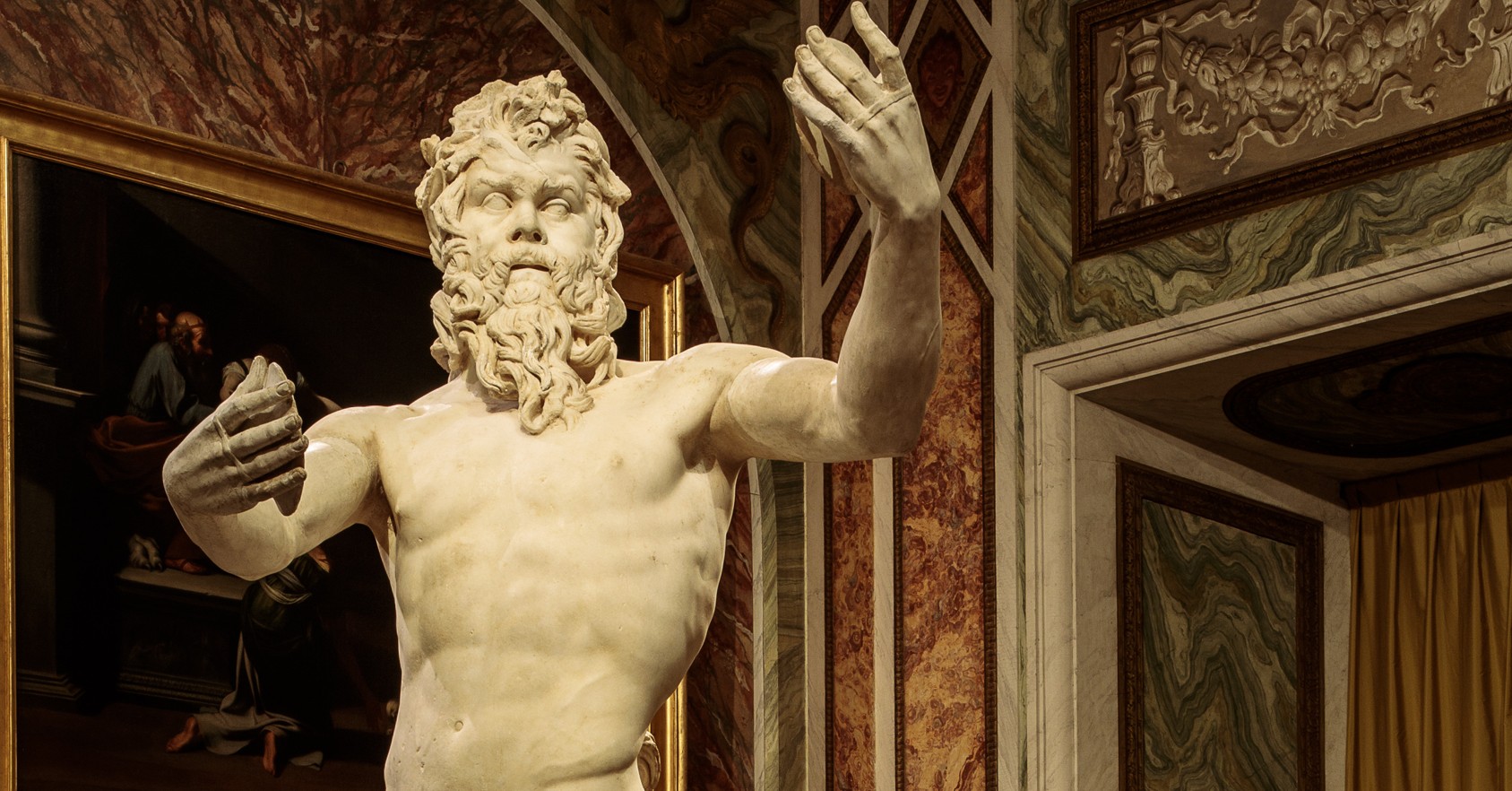
Sul capo ha una corona di edera e le sue orecchie a punta tipiche dei satiri si confondono tra i fluenti capelli.
La scultura è stata rimaneggiata o meglio, restaurata nel corso dell’Ottocento nel modo in cui allora venivano realizzate le integrazioni.
Fu lo scultore danese Bertel Thorwaldsen nel 1830 ad aggiungere all’opera diverse parti mancanti come per esempio la parte inferiore del tronco, la gamba sinistra ricomposta da quattro frammenti e le braccia dall’attacco dei bicipiti.
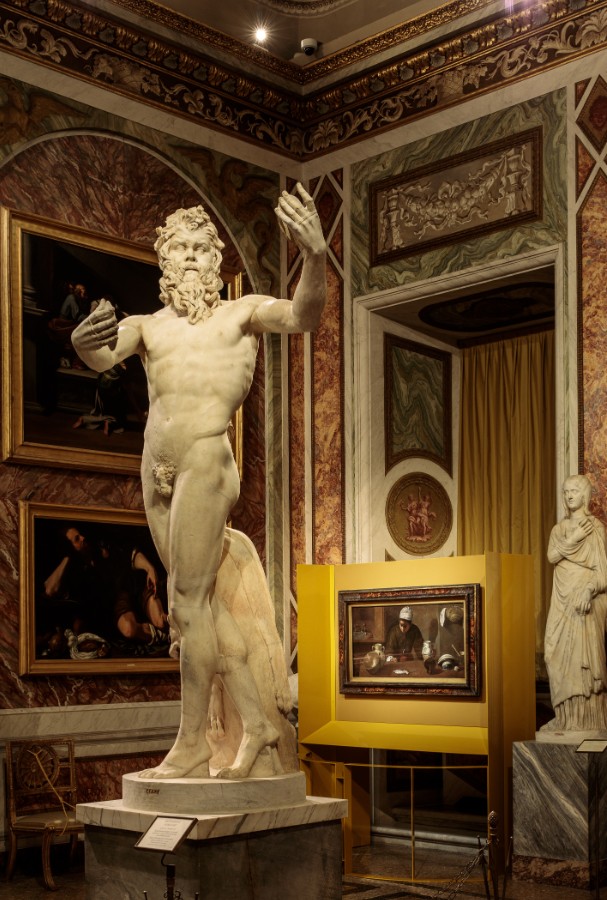
Proprio le braccia sollevate così espressive che trattengono i cembali con le mani, sono frutto di quel restauro. Antiche tracce sull’opera fanno supporre che in origine la scultura sorreggesse uno strumento a fiato come un flauto di Pan o probabilmente un aulòs.
Per il momento il sempre vostro Michelangelo Buonarroti vi saluta dandovi appuntamento ai prossimi post e sui social.
Sculpture of the day: the ancient Dancing Satyr with additions by Thorvaldsen
The sculpture of the day that I propose to you today is the Dancing Satyr from the 2nd century AD, kept in the Galleria Borghese, sculpted in Pentelic marble.
The work was discovered during the excavations of Monte Calvo in Sabina, dating back to 1824. It was then purchased by the Borghese family in 1834 and since 1902 it has belonged to the Italian State.
The Satyr advances by performing a dance step. Sculpted on the tips of his toes, he shows the strength of his body, flaunting a ponytail.
On his head he has an ivy crown and his pointed ears typical of satyrs blend in with his flowing hair.
The sculpture was reworked or rather, restored during the nineteenth century in the way in which additions were made at the time. It was the Danish sculptor Bertel Thorwaldsen in 1830 who added several missing parts to the work, such as the lower part of the trunk, the left leg recomposed from four fragments and the arms from the attachment of the biceps.
The expressive raised arms holding the cymbals with their hands are the result of that restoration. Ancient traces on the work suggest that the sculpture originally supported a wind instrument such as a pan flute or probably an aulòs.
For the moment, your ever Michelangelo Buonarroti bids you farewell, making an appointment to see you in the next posts and on social media.
Condividi:


Questo sono io





sostienici

Sostienici – Support Us
Se questo blog ti piace e ti appassiona, puoi aiutarci a farlo crescere sempre più sostenendoci in modo concreto condividendo i post, seguendo le pagine social e con un contributo che ci aiuta ad andare avanti con il nostro lavoro di divulgazione. . ENGLISH: If you like and are passionate about this blog, you can help us make it grow more and more by supporting us in a concrete way by sharing posts, following social pages and with a contribution that helps us to move forward with our dissemination work.
€10,00


Grande opera, straordinaria la postura,pare che quelle braccia invitino ad abbracciare Bellezza.
"Mi piace"Piace a 1 persona