

“Giubilei: documenti rari dalle Collezioni Vaticane”. La nuova mostra ai Musei Vaticani
In occasione del Giubileo 2025, le Sale Paoline aprono in esclusiva le porte ai visitatori proponendo una mostra che racconta la storia dell’Anno Santo: “Giubilei. Documenti rari dalle Collezioni Vaticane”.
L’esposizione è stata resa possibile dalla proficua collaborazione tra i Musei Vaticani e l’Archivio Apostolico Vaticano e rimarrà visitabile durante tutto il Giubileo 2025 dedicato alla Speranza.
Le tre Sale Paoline dell’Archivio Apostolico Vaticano, vicine al Salone Sistino della Biblioteca Vaticana e accessibili lungo il percorso di visita dei Musei Vaticani, tornano così a essere accessibili al pubblico.
La mostra
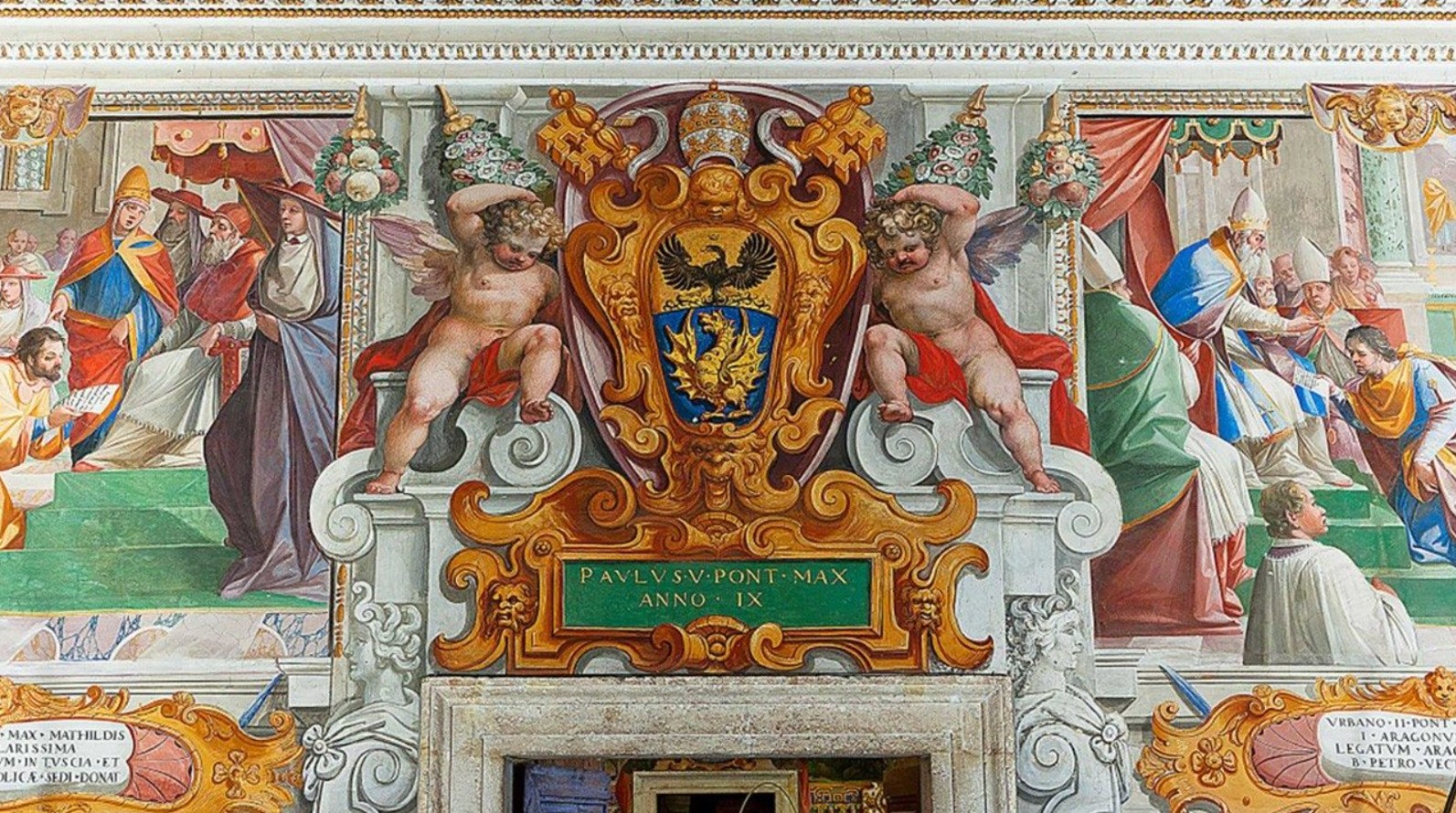
I tre ambienti delle Sale Paline, sono state sede dell’Archivio papale della Santa Sede voluto fortemente da costituito da Paolo V Borghese tra il 1610 e il 1612.
Il Prefetto dell’Archivio Apostolico, Padre Rocco Ronzani riferisce che l’apertura dell’Archivio agli studiosi e al resto del pubblico consentirà di studiare e apprezzare il patrimonio custodito da molte più persone.
Dovete sapere che un tempo l’Archivio Apostolico era riservato solo all’utilizzo del Pontefice mentre, come riferisce Ronzani, è stato aperto agli studiosi nel 1881. Poco a poco verrà aperto anche al pubblico e la mostra “Giubilei. Documenti rari dalle Collezioni Vaticane”. costituisce un primo passo per raggiungere l’obiettivo.

Oltre ai documenti, all’interno dell’archivio sono presenti gli affreschi ma anche gli armadi di pioppo decorati con le armi gentilizie della casa Borghese.
“Giubilei. Documenti rari dalle Collezioni Vaticane”
La mostra racconta l’importanza dei Giubilei che si sono succeduti nel corso dei secoli attraverso l’esposizione di documenti e materiali tutti strettamente connessi all’Anno Santo.
Arrivano direttamente dall’Archivio Apostolico tante Bolle di indizione dei Giubilei fino a quella più recente del 2025, firmata da Papa Francesco il 9 maggio 2024.
In mostra la prima bolla di Bonifacio VIII
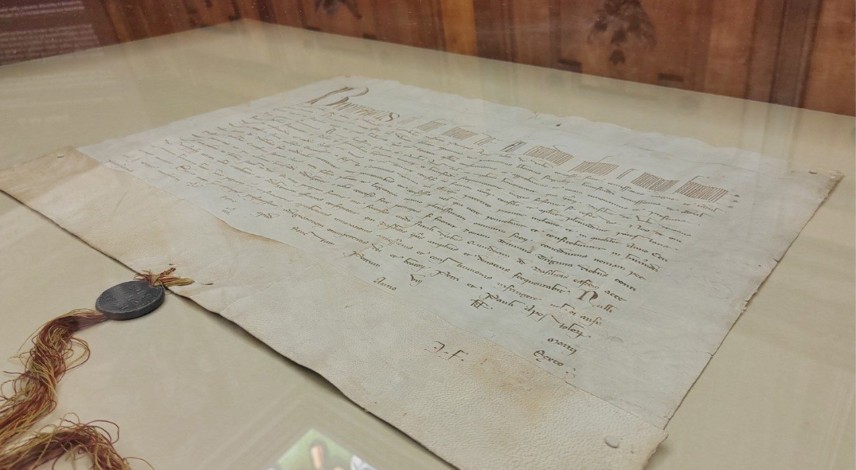
Esposta per un periodo assai limitato, c’è anche l’originale Bolla di Bonifacio VIII Antiquorum habet, con la quale fu indetto il primo Giubileo nel 1300.
Il documento, sebbene datato 22 febbraio 1300, stabiliva l’inizio dell’Anno Santo a partire dal 24 dicembre 1299, giorno di Natale: Fu letto ad alta voce all’interno della Basilica Vaticana in occasione delle celebrazioni della Cattedra di San Pietro. Subito dopo fu collocato sull’Altare Maggiore e affidato ai canonici del Capitolo della Basilica affinché lo custodissero per essere conservato nel loro archivio.
Nei mesi a venire la bolla originale, per ragiono conservative. verrà sostituita con una copia.

Come accennato prima, la mostra è inclusa nel percorso di visita dei Musei Vaticani.
Per il momento il vostro Michelangelo Buonarroti vi saluta dandovi appuntamento ai prossimi post e sui social.
“Jubilees: rare documents from the Vatican Collections”. The new exhibition at the Vatican Museums
On the occasion of the Jubilee 2025, the Pauline Halls exclusively open their doors to visitors, offering an exhibition that tells the story of the Holy Year: “Jubilees. Rare documents from the Vatican Collections”.
The exhibition was made possible by the fruitful collaboration between the Vatican Museums and the Vatican Apostolic Archives and will remain open to visitors throughout the 2025 Jubilee dedicated to Hope.
The three Pauline Halls of the Vatican Apostolic Archives, close to the Sistine Hall of the Vatican Library and accessible along the tour route of the Vatican Museums, are once again accessible to the public.
The exhibition
The three rooms of the Paline Rooms were home to the Papal Archives of the Holy See, strongly desired by Paul V Borghese between 1610 and 1612.
The Prefect of the Apostolic Archives, Father Rocco Ronzani, reports that the opening of the Archives to scholars and the rest of the public will allow the heritage held by many more people to be studied and appreciated.
You should know that once the Apostolic Archives were reserved only for the use of the Pope, while, as Ronzani reports, it was opened to scholars in 1881. Little by little it will also be opened to the public and the exhibition “Jubilees. Rare Documents from the Vatican Collections”. is a first step towards achieving this goal.
In addition to the documents, the archives also contain frescoes and poplar cabinets decorated with the noble coats of arms of the Borghese family.
“Jubilees. Rare Documents from the Vatican Collections”
The exhibition tells the story of the importance of the Jubilees that have occurred over the centuries through the display of documents and materials all closely connected to the Holy Year.
Many Bulls announcing Jubilees come directly from the Apostolic Archives, up to the most recent one of 2025, signed by Pope Francis on May 9, 2024.
On display is the first Bull of Boniface VIII
Exhibited for a very limited period, there is also the original Bull of Boniface VIII Antiquorum habet, with which the first Jubilee was announced in 1300.
The document, although dated February 22, 1300, established the beginning of the Holy Year starting from December 24, 1299, Christmas Day: It was read aloud inside the Vatican Basilica on the occasion of the celebrations of the Chair of Saint Peter. Immediately after it was placed on the High Altar and entrusted to the canons of the Chapter of the Basilica so that they could guard it and keep it in their archive.
In the coming months, the original bull, for conservation reasons, will be replaced with a copy.
As mentioned before, the exhibition is included in the tour of the Vatican Museums.
For the moment, your Michelangelo Buonarroti bids you farewell, making an appointment with you in the next posts and on social media.

Sostienici – Support Us
Se questo blog ti piace e ti appassiona, puoi aiutarci a farlo crescere sempre più sostenendoci in modo concreto condividendo i post, seguendo le pagine social e con un contributo che ci aiuta ad andare avanti con il nostro lavoro di divulgazione. . ENGLISH: If you like and are passionate about this blog, you can help us make it grow more and more by supporting us in a concrete way by sharing posts, following social pages and with a contribution that helps us to move forward with our dissemination work.
10,00 €
Condividi:


Questo sono io





sostienici

Sostienici – Support Us
Se questo blog ti piace e ti appassiona, puoi aiutarci a farlo crescere sempre più sostenendoci in modo concreto condividendo i post, seguendo le pagine social e con un contributo che ci aiuta ad andare avanti con il nostro lavoro di divulgazione. . ENGLISH: If you like and are passionate about this blog, you can help us make it grow more and more by supporting us in a concrete way by sharing posts, following social pages and with a contribution that helps us to move forward with our dissemination work.
€10,00


