
Palazzo Vecchio: diamanti nel pavimento
Quando andate nei musei e nei palazzi, ricordatevi di guardare anche dove mettete i piedi. Varcando la soglia della Sala di Leone X a Palazzo Vecchio, avrete modo di vedere una delle poche pavimentazioni originali ancora presenti nell’edificio.
Fu realizzata in terracotta smaltata da Santi di Michele Buglioni che mise al centro l’emblema della famiglia Medici.
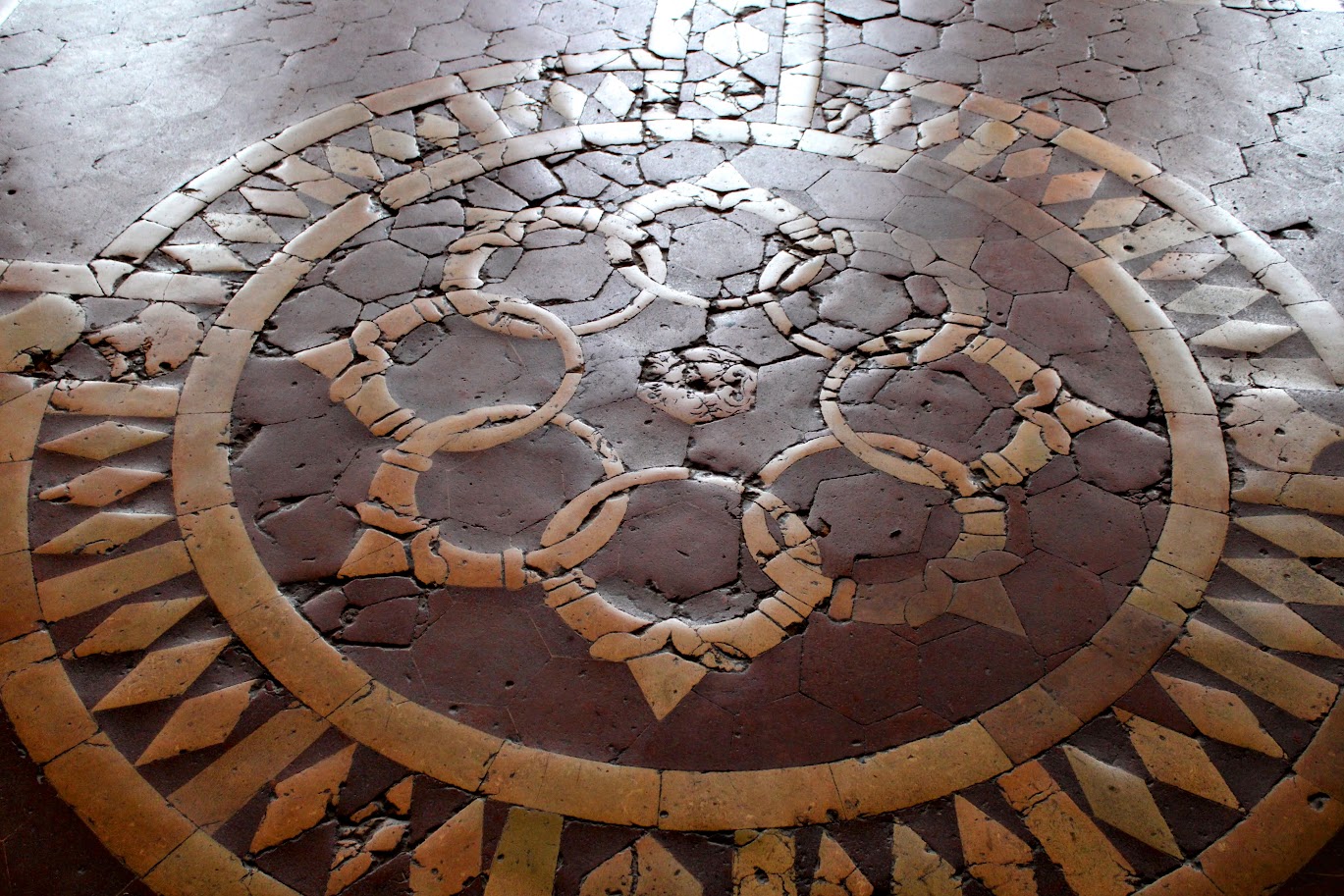
Consumato dai tanti piedi che l’hanno calpestato nel corso dei secoli, l’emblema oggi è in rilievo. La terracotta rossa, meno resistente della bianca, lascia emergere il disegno mettendolo ancor più in evidenza.
La sala è dedicata a Giovanni de’ Medici, nato nel 1475. Figliolo di Lorenzo il Magnifico e Clarice Orsini, fu fatto cardinale a soli tredici anni e venne eletto papa nel 1513 con il nome di Leone X, ponendo le basi del futuro ducato della Toscana.
L’anello con il diamante era usato come emblema mediceo già nel Quattrocento. Fu scelto per primo da Cosimo il Vecchio e poi ripreso dal figliolo Piero il Gottoso. Anche il nipote Lorenzo il Magnifico lo predilesse come proprio emblema.
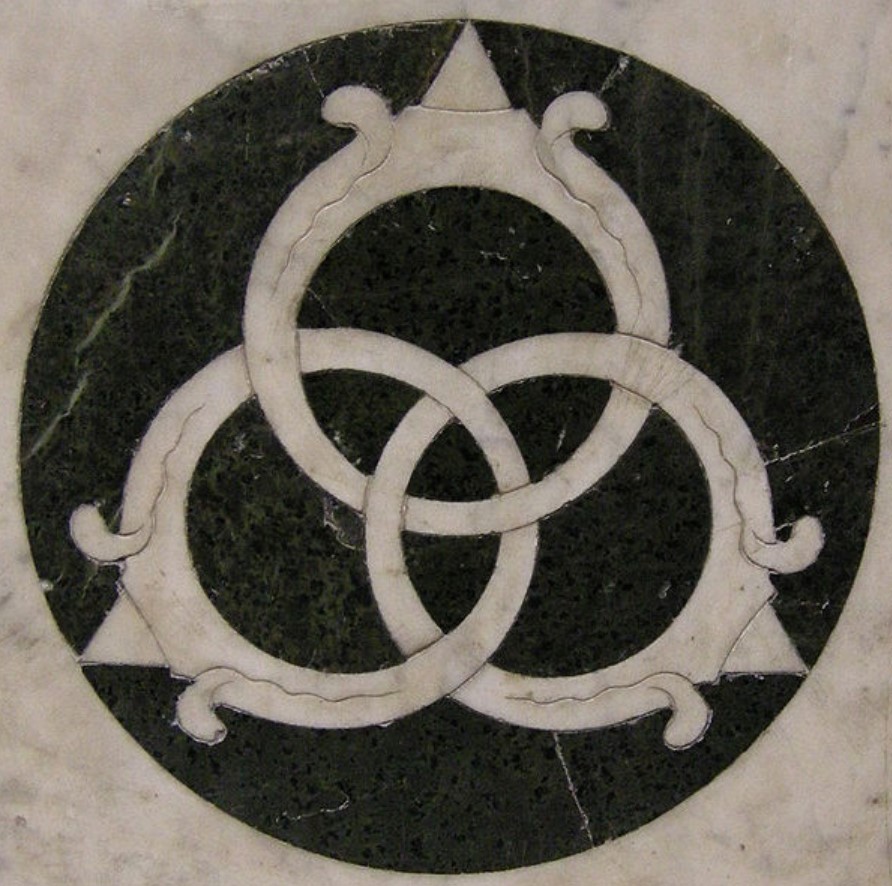
Non di rado si trova abbinato a un cartiglio che riporta la dicitura ‘semper’. Il diamante, ovvero Deo Amante cioè a Dio Devoto, testimonia la fede e l’alta concezione dell’amore rivolto a Dio nel periodo rinascimentale.
Certamente non vi sarà sfuggito la rarità del diamante incastonato: mi spiego meglio. Oggi questo tipo di pietra dura preziosa viene incastonata al rovescio nei gioielli, con la punta rivolta verso il basso. La punta invece rivolta verso l’alto deve essere letta in chiave rinascimentale per meglio comprenderla.
Il diamante infatti guarda il cielo e a esso mira. E’ rivolto verso Dio, la bellezza e l’amore assoluto a cui devono aspirare tutte le persone.

Dovete sapere che i diamanti erano particolarmente graditi dai Medici tanto che, nell’ultimo inventario delle collezioni medicee redatto nel 1740 per volere di Anna Maria Luisa de’ Medici, nota anche come l’Elettrice Palatina, erano 3900 i diamanti appartenenti alla famiglia incastonati nei gioielli, negli abiti, accessori e cinture.
Per il momento il sempre vostro Michelangelo Buonarroti vi saluta dandovi appuntamento ai prossimi post e sui social.

Palazzo Vecchio: diamonds in the floor
When you go to museums and palaces, remember to also watch where you put your feet. Crossing the threshold of the Hall of Leo X in Palazzo Vecchio, you will have the opportunity to see one of the few original floors still present in the building.
It was made of enameled terracotta by Santi di Michele Buglioni who placed the emblem of the Medici family in the center.
Worn by the many feet that have trampled on it over the centuries, today it is in relief. The red terracotta, less resistant than the white one, allows the design to emerge, making it even more evident.
The room is dedicated to Giovanni de’ Medici, born in 1475. Son of Lorenzo the Magnificent and Clarice Orsini, he was made cardinal at just thirteen years old and was elected pope in 1513 with the name of Leo X, laying the foundations of the future Duchy of Tuscany.
The diamond ring was used as the Medici emblem as early as the fifteenth century. It was first chosen by Cosimo the Elder and then taken up by his son Piero the Gouty. His grandson Lorenzo the Magnificent also preferred it as his own emblem.
It is often found combined with a scroll bearing the words ‘semper’. The diamond, or Deo Amante, that is, Devoted to God, bears witness to the faith and high concept of love directed towards God in the Renaissance period.
You certainly will not have missed the rarity of the set diamond: let me explain. Today this type of precious hard stone is set upside down in jewels, with the tip facing downwards. The tip facing upwards must be read in a Renaissance key to better understand it.
In fact, the diamond looks at the sky and aims at it, it is turned towards God, the beauty and absolute love to which all people must aspire.
You should know that diamonds were particularly appreciated by the Medici family, so much so that in the last inventory of the Medici collections drawn up in 1740 at the request of Anna Maria Luisa de’ Medici, also known as the Palatine Electress, there were 3900 diamonds belonging to the family set in jewels, clothes, accessories and belts.
For the moment, your ever Michelangelo Buonarroti bids you farewell, making an appointment with you in the next posts and on social media.

Sostienici – Support Us
Se questo blog ti piace e ti appassiona, puoi aiutarci a farlo crescere sempre più sostenendoci in modo concreto condividendo i post, seguendo le pagine social e con un contributo che ci aiuta ad andare avanti con il nostro lavoro di divulgazione. . ENGLISH: If you like and are passionate about this blog, you can help us make it grow more and more by supporting us in a concrete way by sharing posts, following social pages and with a contribution that helps us to move forward with our dissemination work.
10,00 €
Condividi:


Questo sono io





sostienici

Sostienici – Support Us
Se questo blog ti piace e ti appassiona, puoi aiutarci a farlo crescere sempre più sostenendoci in modo concreto condividendo i post, seguendo le pagine social e con un contributo che ci aiuta ad andare avanti con il nostro lavoro di divulgazione. . ENGLISH: If you like and are passionate about this blog, you can help us make it grow more and more by supporting us in a concrete way by sharing posts, following social pages and with a contribution that helps us to move forward with our dissemination work.
€10,00


