

L’opera del Natale: la Madonna con Bambino di Orazio Gentileschi
Il dipinto del Natale che vi propongo oggi è la stupenda Madonna con Bambino realizzata di Orazio Gentileschi tra il 1605 e il 1610.
L’artista volle raffigurare una scena intima, familiare, che ha ben poco di sacro ma è piuttosto uno spaccato della società della sua epoca.
La Madre e il Figlio si guardano teneramente a vicenda, escludendo da quel rapporto il visitatore. Il Bambino infila la mano destra nel vestito della mamma come se cercasse il seno per mangiare.
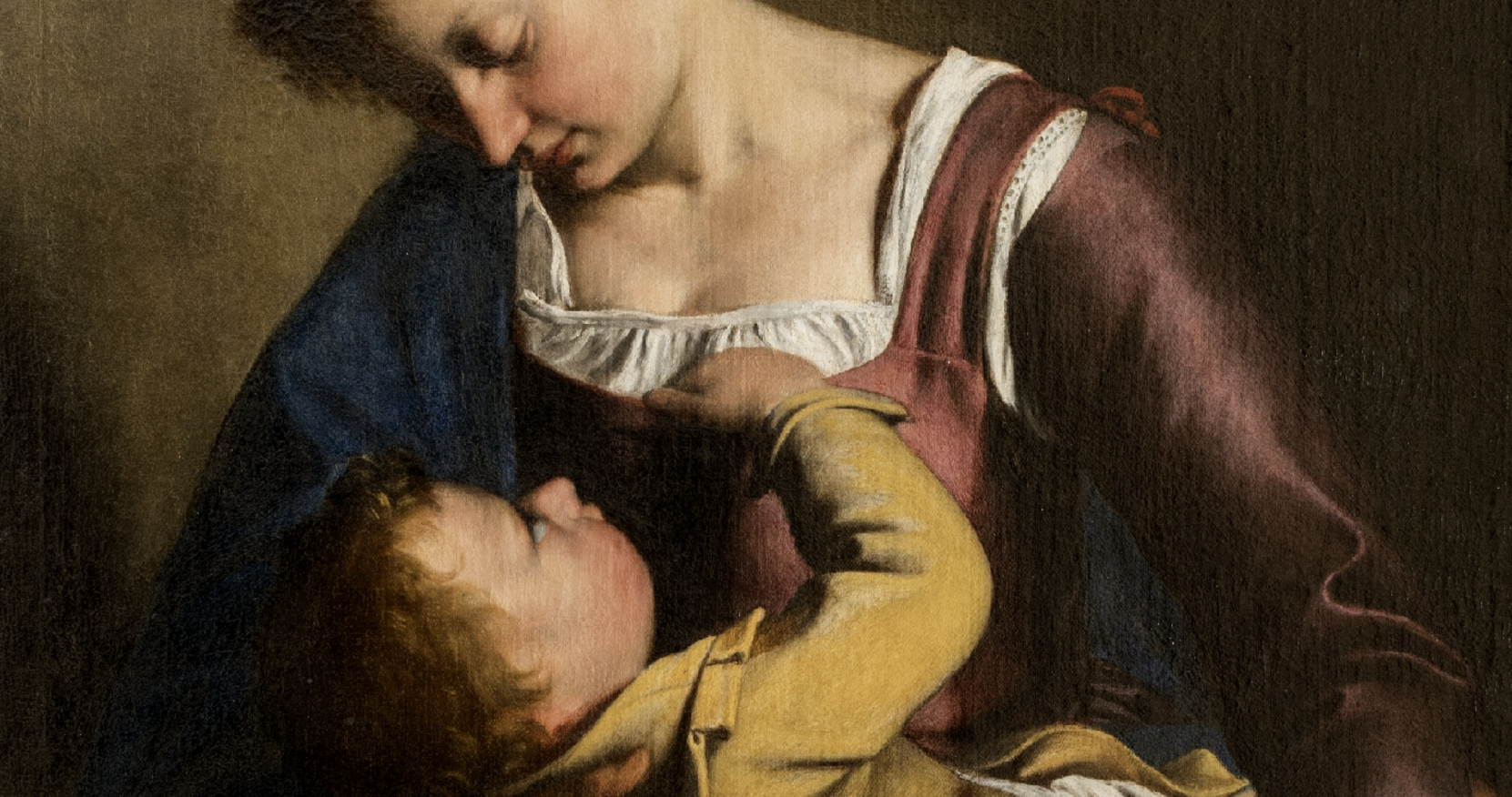
Gentileschi pone l’attenzione proprio sul gioco di sguardi per ricreare un senso di unità familiare che colpisce lo spettatore fin dal primo istante.
Non c’è alcuna solennità né retorica in quest’opera così raffinata. Lo sfondo creato con toni bruni e ocra, consente di accentrare l’attenzione sugli incarnati della Mamma col Bambino, sottolineato anche dai colori puri giallo, blu e rosso scelti per dipingere gli abiti.
L’influenza di Caravaggio è evidente nella forte chiaroscuro che modella le figure, creando un contrasto tra le zone in ombra e quelle illuminate. Questa tecnica conferisce all’opera un realismo e una profondità straordinari, rendendo i personaggi quasi tangibili.

Sebbene Gentileschi omaggi il maestro Caravaggio nel suo modo di dipingere, aggiunge però un tocco personale ben riconoscibile.
Il dipinto è uno dei capolavoro custoditi nella Galleria Corsini a Roma.
Per il momento il sempre vostro Michelangelo Buonarroti vi saluta dandovi appuntamento ai prossimi post e sui social.
The Christmas work: the Madonna and Child by Orazio Gentileschi
The Christmas painting that I propose to you today is the wonderful Madonna and Child made by Orazio Gentileschi between 1605 and 1610.
The artist wanted to depict an intimate, familiar scene, which has very little of the sacred but seems like a cross-section of the society of his time.
The Mother and the Child look at each other tenderly, excluding the visitor from that relationship. The Child puts his right hand into the mother’s dress as if looking for the breast to eat.
Gentileschi focuses precisely on the play of glances to recreate a sense of family unity that strikes the viewer from the first moment.
There is no solemnity or rhetoric in this very refined work. The background created with brown and ochre tones allows the attention to be focused on the complexions of the Mother and Child, also underlined by the pure colors of yellow, blue and red chosen to paint the clothes.
Caravaggio’s influence is evident in the strong chiaroscuro that shapes the figures, creating a contrast between the shadowed and illuminated areas. This technique gives the work an extraordinary realism and depth, making the characters almost tangible.
Although Gentileschi pays homage to the master Caravaggio in his way of painting, he adds a recognizable personal touch.
The painting is one of the masterpieces kept in the Galleria Corsini in Rome.
For the moment, the ever-your Michelangelo Buonarroti bids you farewell, making an appointment to see you in the next posts and on social media.

Sostienici – Support Us
Se questo blog ti piace e ti appassiona, puoi aiutarci a farlo crescere sempre più sostenendoci in modo concreto condividendo i post, seguendo le pagine social e con un contributo che ci aiuta ad andare avanti con il nostro lavoro di divulgazione. . ENGLISH: If you like and are passionate about this blog, you can help us make it grow more and more by supporting us in a concrete way by sharing posts, following social pages and with a contribution that helps us to move forward with our dissemination work.
10,00 €
-
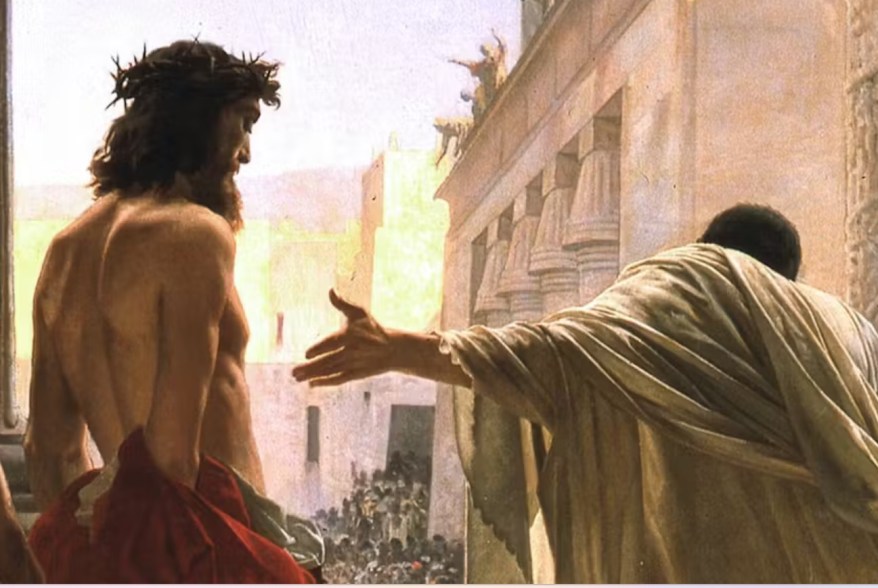
Venerdì Santo: gli “Ecce Homo” più intensi della storia dell’arte
🇮🇹Ecce Homo. Da Antonello da Messina a Tintoretto, fino al sorprendente capolavoro di Antonio Ciseri, questo soggetto ha attraversato i secoli raccontando dolore, umanità e coscienza… 🇬🇧Ecce Homo. From Antonello da Messina to Tintoretto, to Antonio Ciseri’s astonishing masterpiece, this subject has spanned the centuries, recounting pain, humanity, and conscience…
-
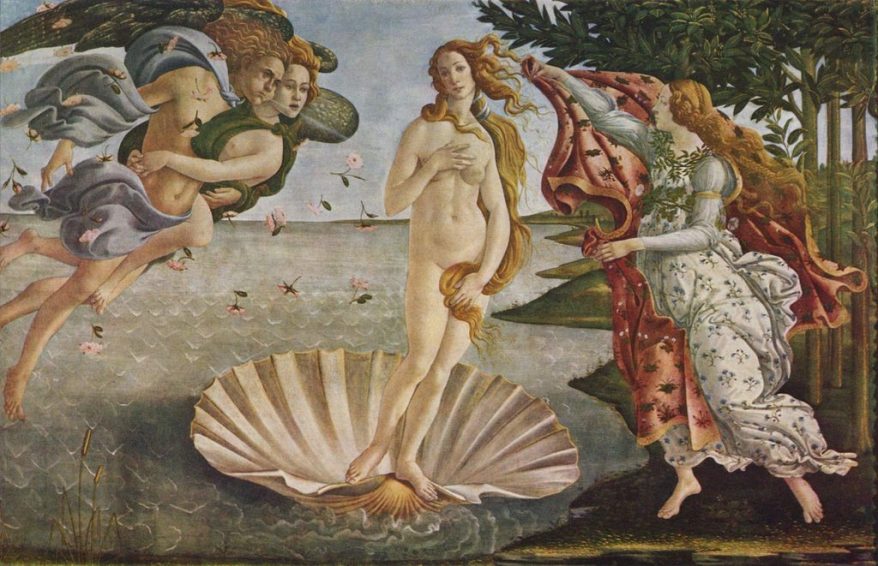
Attacco hacker agli Uffizi: rubati dati sensibili, mappe e codici di sicurezza
🇮🇹Attacco hacker alle Gallerie degli Uffizi: rubati dati sensibili, mappe e sistemi di sicurezza. A rischio opere, archivi e cybersicurezza del patrimonio artistico… 🇬🇧Hacker attack on the Uffizi Galleries: sensitive data, maps, and security systems stolen. Works of art, archives, and the cybersecurity of the artistic heritage are at risk…
-
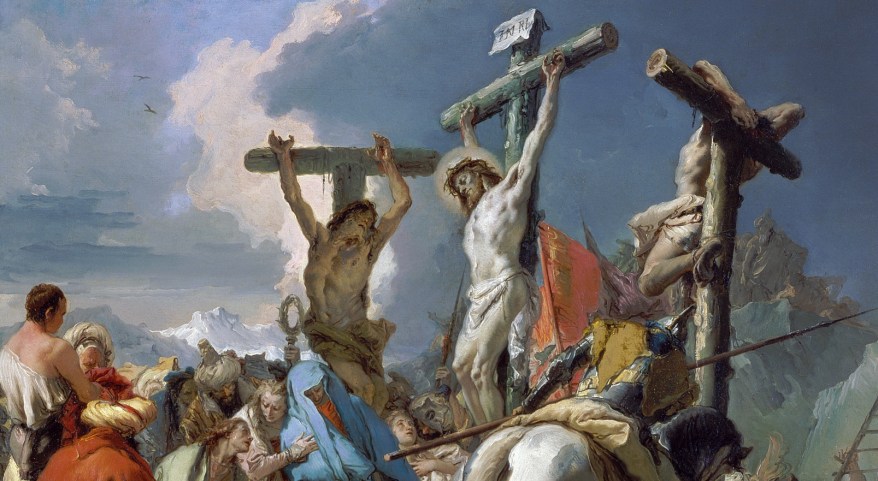
Venerdì Santo: la Crocifissione secondo Tiepolo
🇮🇹Nel giorno del Venerdì Santo, c’è un’opera che riesce ancora a scuotere lo sguardo. La Crocifissione di Giambattista Tiepolo non è come le altre: niente simmetrie perfette, niente distanza. Qui si entra dentro la scena, da un punto di vista obliquo, tra movimento, tensione e umanità… 🇬🇧On Good Friday, there’s a work that still manages…
Condividi:


Questo sono io





sostienici

Sostienici – Support Us
Se questo blog ti piace e ti appassiona, puoi aiutarci a farlo crescere sempre più sostenendoci in modo concreto condividendo i post, seguendo le pagine social e con un contributo che ci aiuta ad andare avanti con il nostro lavoro di divulgazione. . ENGLISH: If you like and are passionate about this blog, you can help us make it grow more and more by supporting us in a concrete way by sharing posts, following social pages and with a contribution that helps us to move forward with our dissemination work.
€10,00


