

L’Opera del Natale: l’Adorazione dei Pastori di Jacopo Bassano
L’opera del Natale che vi propongo oggi è la tenera Adorazione dei Pastori dipinta da Jacopo Bassano.
Si tratta di un lavoro giovanile del pittore Jacopo dal Ponte, più noto alle cronache come il Bassano, soprannome che deve alla sua terra natìa. L’artista fu uno dei massimi pittori veneti cinquecenteschi assieme a Tiziano, Veronese e a Tintoretto.
L’artista realizzò questo lavoro negli anni Trenta del Cinquecento, quando ancora frequentava la bottega di Bonifacio de’ Pitati.
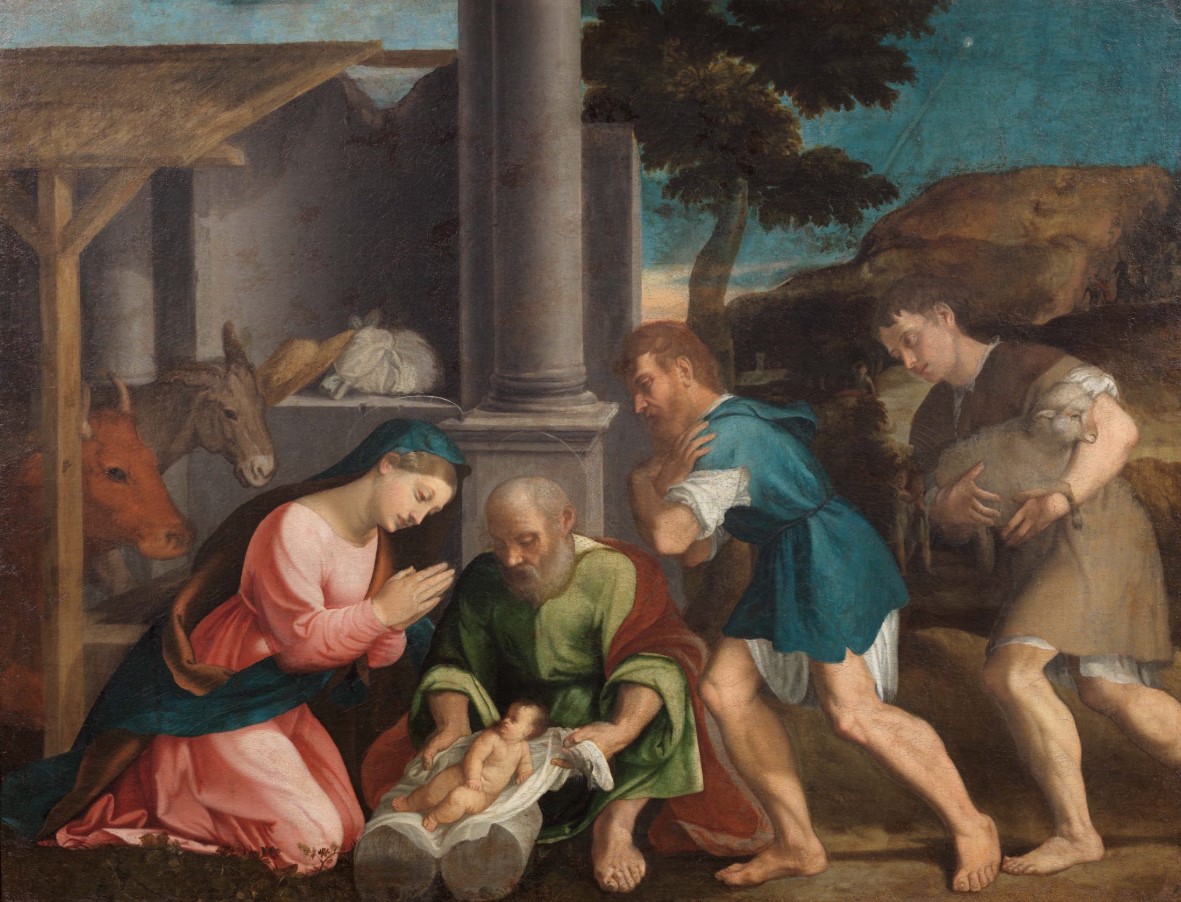
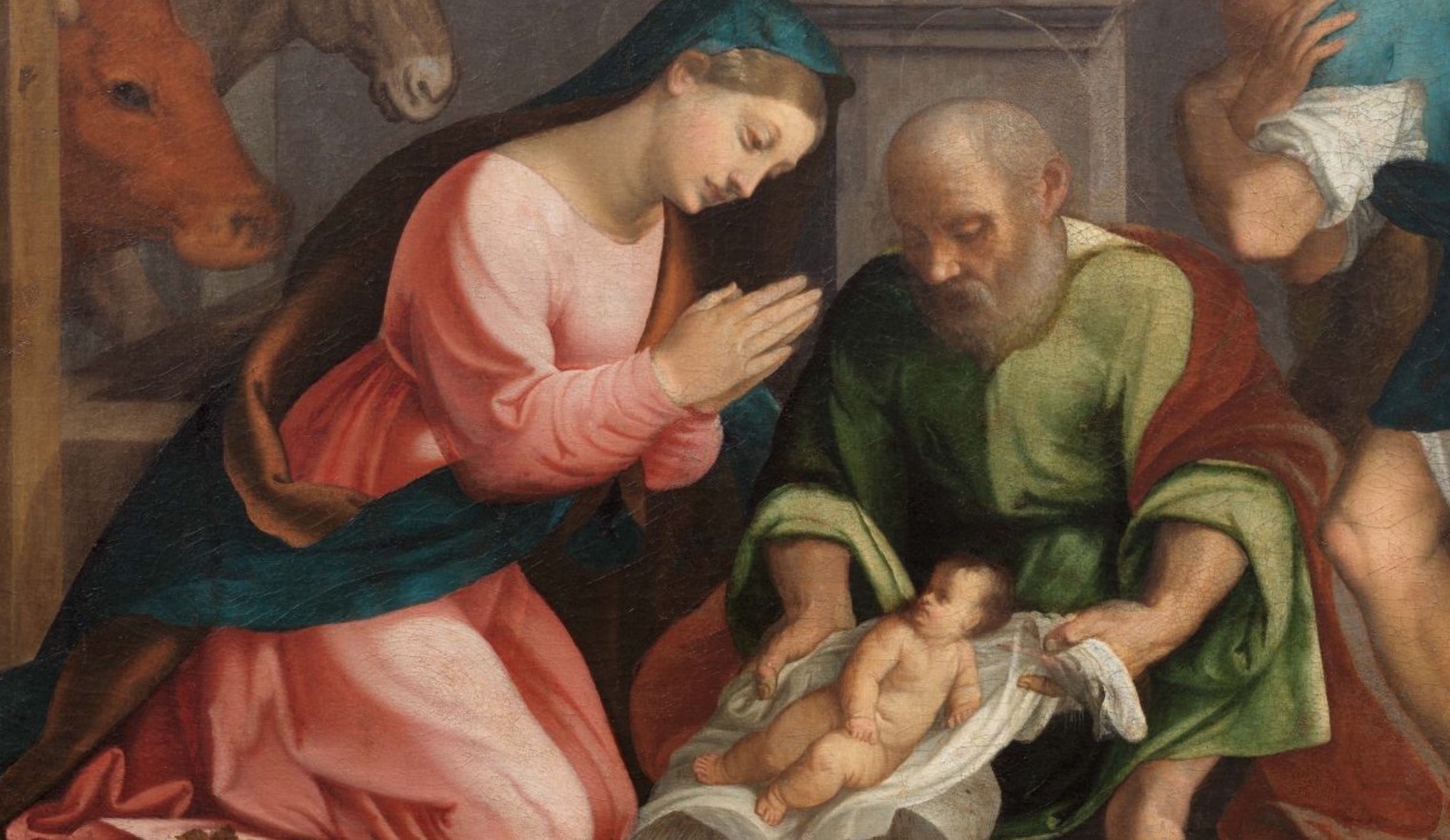
A destare l’attenzione in questo dipinto è San Giuseppe che apre i lembi del lenzuolo che fino al momento coprivano il Figlio. Guarda il Bambino e pare farsi domande sul miracolo divino che ha davanti agli occhi.
La Madonna inginocchiata a mani giunte, contempla Gesù guardandolo dritto negli occhi e lui ricambia lo sguardo con intensità.
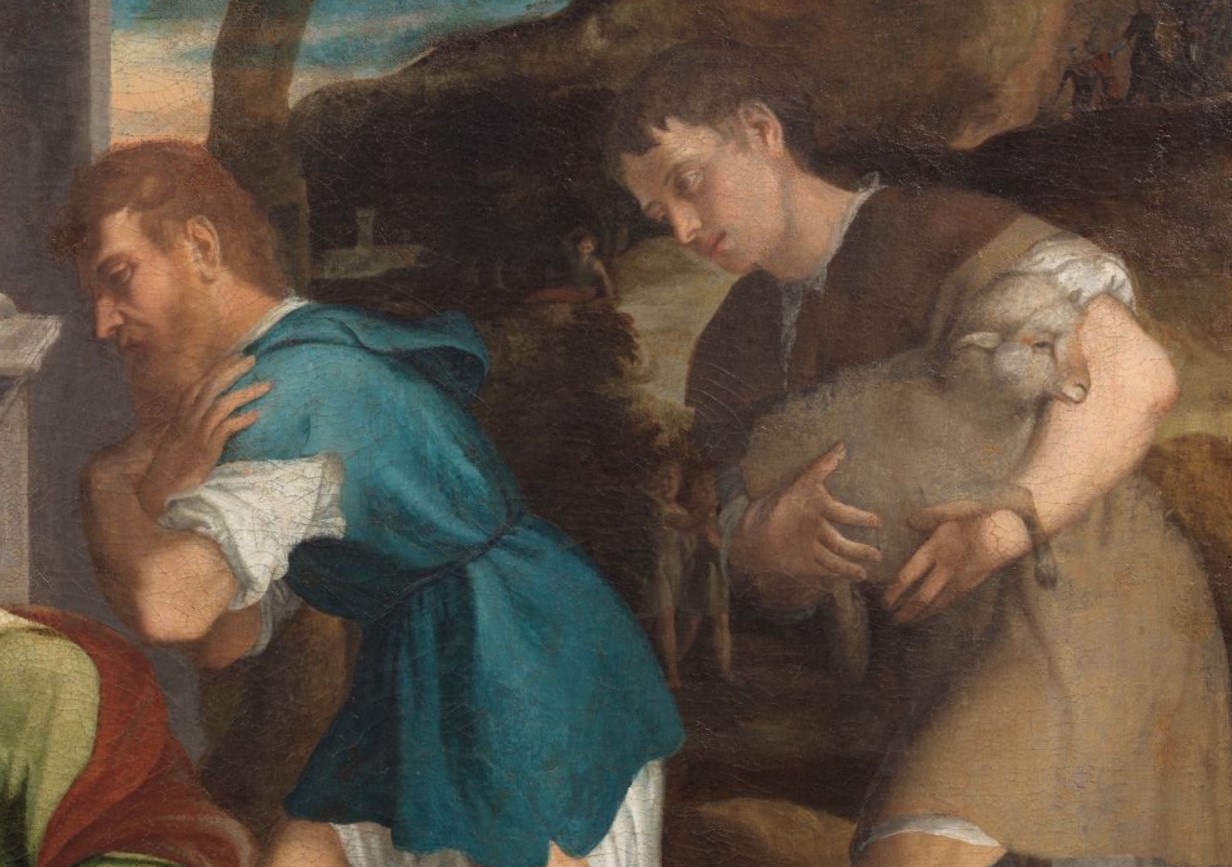
Mentre il bue e l’asinello riscaldano l’aria, dalla parte opposta del dipinto arrivano due pastori in adorazione. Uno di loro porta in omaggio un agnellino, tenendolo tra le braccia. Non è un semplice regalo al nuovo nato ma è anche la prefigurazione della passione di Cristo.
L’opera è custodita all’interno di un oratorio privato nei pressi di Verona e non molti anni fa è stata sottoposta a un accurato intervento di restauro.
Per il momento il sempre vostro Michelangelo Buonarroti vi saluta dandovi appuntamento ai prossimi post e sui social.
The Christmas Work: The Adoration of the Shepherds by Jacopo Bassano
The Christmas work that I propose to you today is the Adoration of the Shepherds painted by Jacopo Bassano.
It is an early work by the painter Jacopo dal Ponte, better known in the chronicles as Bassano, a nickname that he owes to his native land. The artist was one of the greatest Venetian painters of the sixteenth century together with Titian, Veronese and Tintoretto.
He painted this work in the thirties of the sixteenth century, when he still frequented the workshop of Bonifacio de’ Pitati.
The one who draws attention in this painting is Saint Joseph who opens the edges of the sheet that until then had covered the Son. He looks at the Child and seems to be wondering about the divine miracle that he has before his eyes.
The Madonna kneeling with clasped hands, looks straight into the eyes of Jesus and he returns the gaze with intensity.
While the ox and the donkey warm the air, two shepherds arrive from the opposite side of the painting in adoration. One of them brings a lamb as a gift, holding it in his arms. It is not just a gift to the newborn but also a prefiguration of the Passion of Christ.
The work is kept inside a private oratory near Verona and not many years ago it underwent a careful restoration.
For the moment, the ever-your Michelangelo Buonarroti bids you farewell, making an appointment to see you in the next posts and on social media.

Sostienici – Support Us
Se questo blog ti piace e ti appassiona, puoi aiutarci a farlo crescere sempre più sostenendoci in modo concreto condividendo i post, seguendo le pagine social e con un contributo che ci aiuta ad andare avanti con il nostro lavoro di divulgazione. . ENGLISH: If you like and are passionate about this blog, you can help us make it grow more and more by supporting us in a concrete way by sharing posts, following social pages and with a contribution that helps us to move forward with our dissemination work.
10,00 €
-
Festival La Versiliana 2026: tra musica, teatro e grandi narrazioni
Dal 17 luglio al 23 agosto 2026, la pineta di Marina di Pietrasanta ospiterà la 47ª edizione del Festival La Versiliana. Una kermesse aperta a tutti nella quale linguaggi diversi dialogano tra loro in un equilibrio tra tradizione e contemporaneità.
-
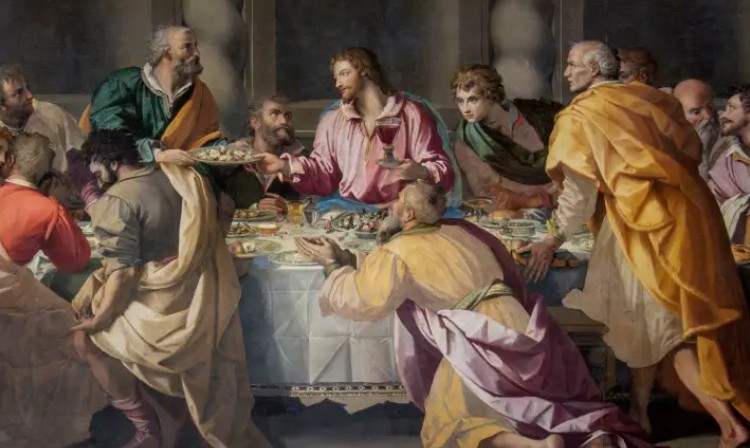
Giovedì Santo: l’Ultima Cena di Allori che pochi conoscono a Firenze
🇮🇹Nel cuore di Museo di Santa Maria Novella, a Firenze, si conserva una delle interpretazioni più affascinanti e meno note dell’Ultima Cena: quella realizzata da Alessandro Allori nel 1584… 🇬🇧In the heart of the Santa Maria Novella Museum in Florence, one of the most fascinating and least-known interpretations of the Last Supper is preserved: the…
-
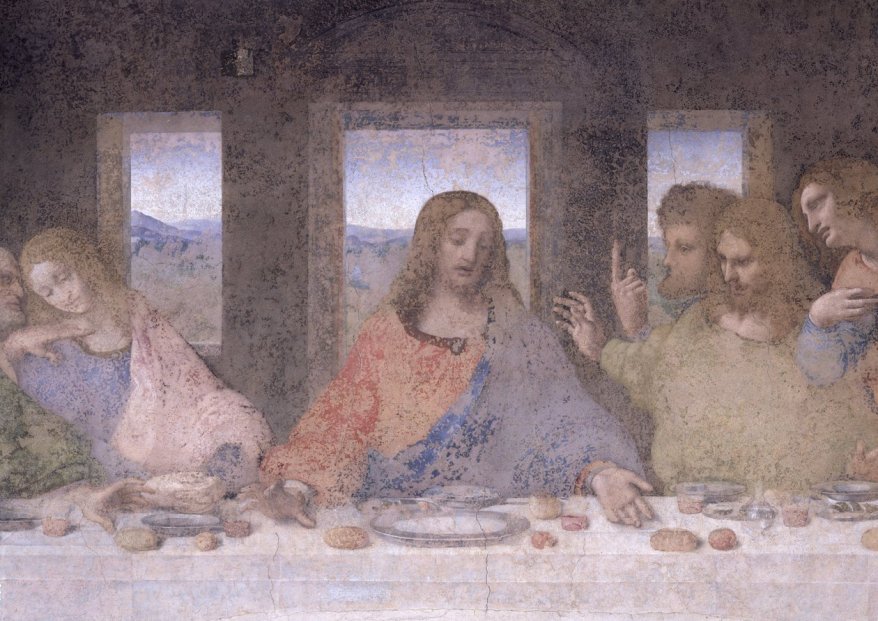
Cenacolo di Leonardo: i dettagli che raccontano il tradimento
🇮🇹Nel Cenacolo di Leonardo da Vinci, custodito a Santa Maria delle Grazie, Cristo annuncia il tradimento e il tempo si ferma… 🇬🇧In Leonardo da Vinci’s Last Supper, housed in Santa Maria delle Grazie, Christ announces the betrayal and time stands still…
Condividi:


Questo sono io





sostienici

Sostienici – Support Us
Se questo blog ti piace e ti appassiona, puoi aiutarci a farlo crescere sempre più sostenendoci in modo concreto condividendo i post, seguendo le pagine social e con un contributo che ci aiuta ad andare avanti con il nostro lavoro di divulgazione. . ENGLISH: If you like and are passionate about this blog, you can help us make it grow more and more by supporting us in a concrete way by sharing posts, following social pages and with a contribution that helps us to move forward with our dissemination work.
€10,00


