

La Scultura del giorno: Cleopatra di William Wetmore Story
La scultura del giorno che vi propongo oggi è Cleopatra, modellata nel gesso dallo scultore americano William Wetmore Story nel 1858 e trasposta dallo stesso nel marmo di Carrara dal 1860.
Wetmore Story fu capace di mostrare con un’unica opera tragedia e bellezza, nello stesso momento.
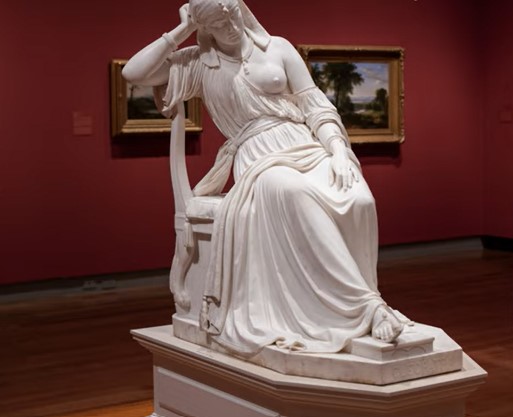
Cleopatra, ultima sovrana della dinastia tolemaica a regnare in Egitto, sta pensando al suicidio.
Attorno al braccio sinistro l’aspide ha avvolto le sue spire e di lì a poco la donna vedrà la sua fine negli occhi, causata dal morso del serpe.
Lo scultore ha ricostruito le vesti dell’epoca, inserendo veri e propri pezzi di archeologia sia per quanto riguarda l’abbigliamento che i monili sfoggiati dalla regina.
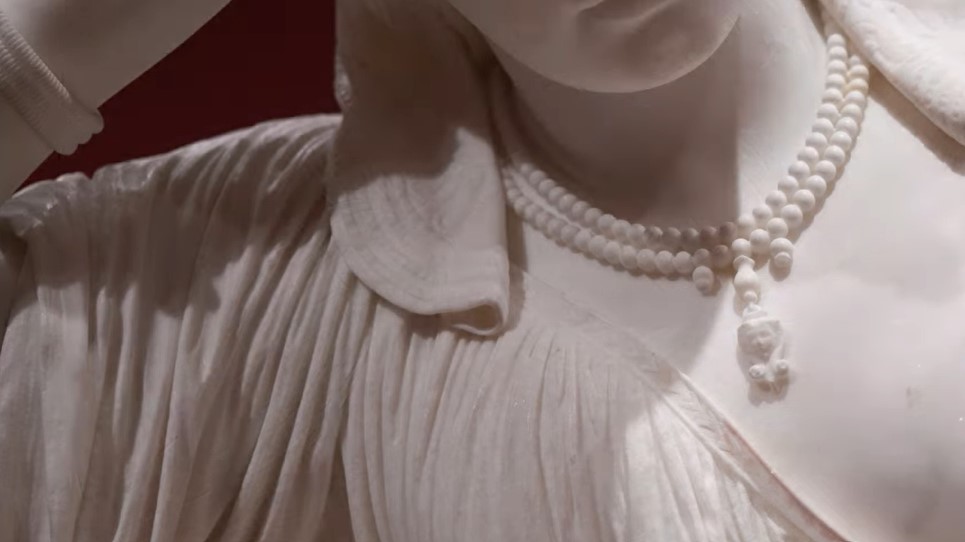
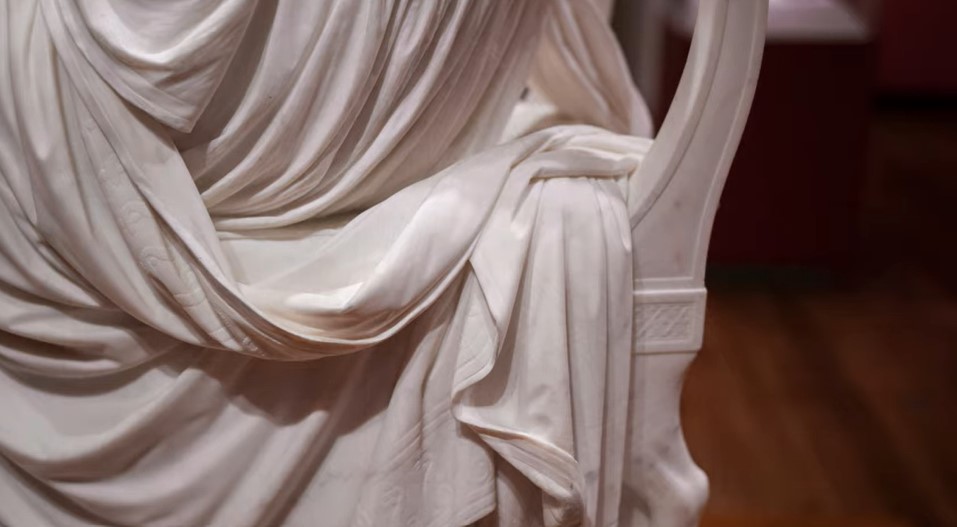
Cleopatra indossa sul capo il “nemes”, noto anche come copricapo reale, sormontato dalla figura del cobra. E’ interessante osservare come lo scultore abbia riprodotto sulle bordure della veste della donna una serie di serpenti che alludono alla morte oramai imminente.
Laureato al Collegio di Harvardt nel 1838 e successivamente alla scuola di legge nel 1840, Wetmore Story aveva una passione divorante per la scultura che gli fece abbandonare la carriera di legge già avviata.
Si trasferì definitivamente a Roma nel 1850 assieme a tutta la famiglia e con la moglie e i figli visse nella propria dimora a Palazzo Barberini facendola diventare uno dei salotti culturali più apprezzati di tutta la città.
I figli intrapresero tutti una carriera artistica: Edith Marion divenne scrittrice di successo, Thomas Waldo un abile scultore e Julian Russell un afferrmato pittore. Purtroppo il loro primogenito Joseph morì a soli sei anni e fu sepolto nel Cimitero Acattolico di Roma. Poco dopo morì anche la moglie ma di questo ve ne ho parlato qua, raccontando la triste origine di un’altra opera.
La scultura in questione si trova al Metropolitan Museum of Art di New York.
Per il momento il sempre vostro Michelangelo Buonarroti vi saluta dandovi appuntamento ai prossimi post e sui social.
Sculpture of the day: Cleopatra by William Wetmore Story
The sculpture of the day that I propose to you today is Cleopatra, modeled in plaster by the American sculptor William Wetmore Story in 1858 and transposed by the same in Carrara marble from 1860.
Wetmore Story was able to show with a single work tragedy and beauty at the same time.
Cleopatra, the last sovereign of the Ptolemaic dynasty to reign in Egypt, is thinking of suicide.
Around her left arm the asp has wrapped its coils and soon the woman will see her end in the eyes, caused by the bite of the snake.
The sculptor has reconstructed the clothes of the time by inserting real pieces of archaeology both in terms of clothing and the jewelry shown off by the queen.
Cleopatra wears on her head the “nemes”, also known as the royal headdress, surmounted by the figure of the cobra. It is interesting to note how the sculptor reproduced on the edges of the woman’s dress a series of snakes that allude to the now imminent death.
A graduate of Harvard College in 1838 and later of law school in 1840, Wetmore Story had a devouring passion for sculpture that made him abandon his already established law career.
He moved permanently to Rome in 1850 together with his entire family and with his wife and children he lived in his home in Palazzo Barberini making it become one of the most appreciated cultural salons in the entire city.
The children all embarked on an artistic career: Edith Marion became a successful writer, Thomas Waldo a skilled sculptor and Julian Russell an established painter. Unfortunately, their firstborn Joseph died at only six years old and was buried in the Non-Catholic Cemetery in Rome. Shortly after, his wife also died but I told you about this here, recounting the sad origin of another work.
The sculpture in question is located at the Metropolitan Museum of Art in New York.
For the moment, yours ever Michelangelo Buonarroti bids you farewell, making an appointment with you in the next posts and on social media.

Sostienici – Support Us
Se questo blog ti piace e ti appassiona, puoi aiutarci a farlo crescere sempre più sostenendoci in modo concreto condividendo i post, seguendo le pagine social e con un contributo che ci aiuta ad andare avanti con il nostro lavoro di divulgazione. . ENGLISH: If you like and are passionate about this blog, you can help us make it grow more and more by supporting us in a concrete way by sharing posts, following social pages and with a contribution that helps us to move forward with our dissemination work.
10,00 €
-
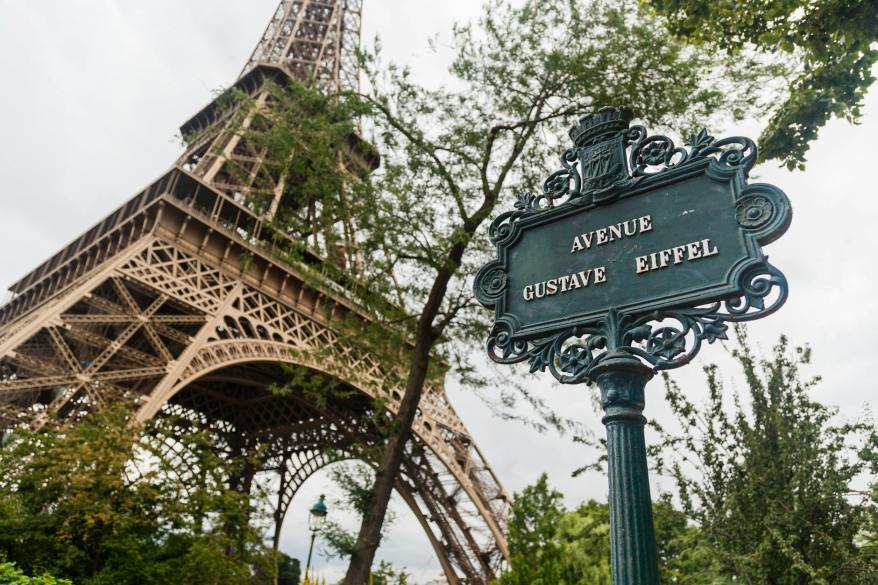
31 marzo 1889: inaugurata la Torre Eiffel tra critiche feroci e un destino inaspettato
🇮🇹Il 31 marzo 1889 segna una data destinata a cambiare per sempre il volto di Parigi e dell’immaginario collettivo globale: viene inaugurata la Torre Eiffel, l’opera più audace e discussa del suo tempo… 🇬🇧March 31, 1889 marks a date destined to change the face of Paris and the global collective imagination forever: the Eiffel Tower,…
-
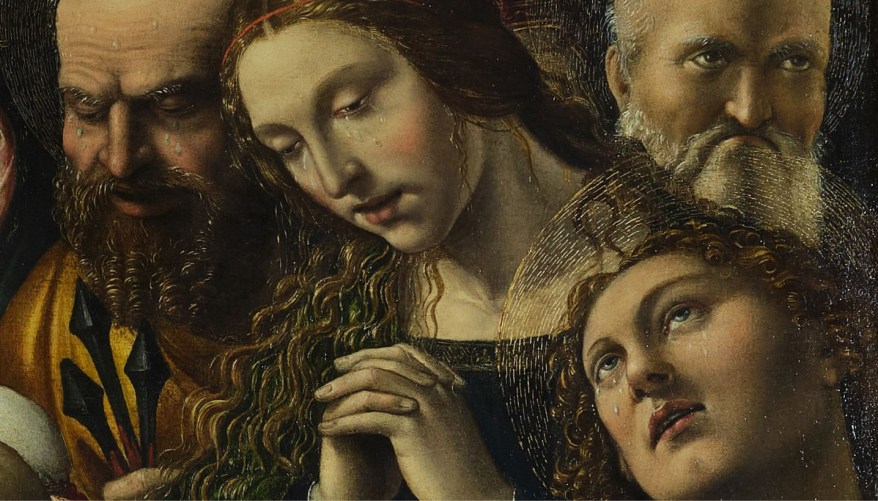
Sodoma in mostra a Torino: il Rinascimento al Museo Accorsi-Ometto
🇮🇹Al Museo di Arti Decorative Accorsi-Ometto arriva una mostra dedicata al Sodoma: oltre 50 opere, alcune mai viste prima, raccontano la formazione dell’artista e il suo dialogo con maestri come Pinturicchio… 🇬🇧An exhibition dedicated to Sodoma arrives at the Accorsi-Ometto Museum of Decorative Arts: over 50 works, some never before seen, recount the artist’s development…
-
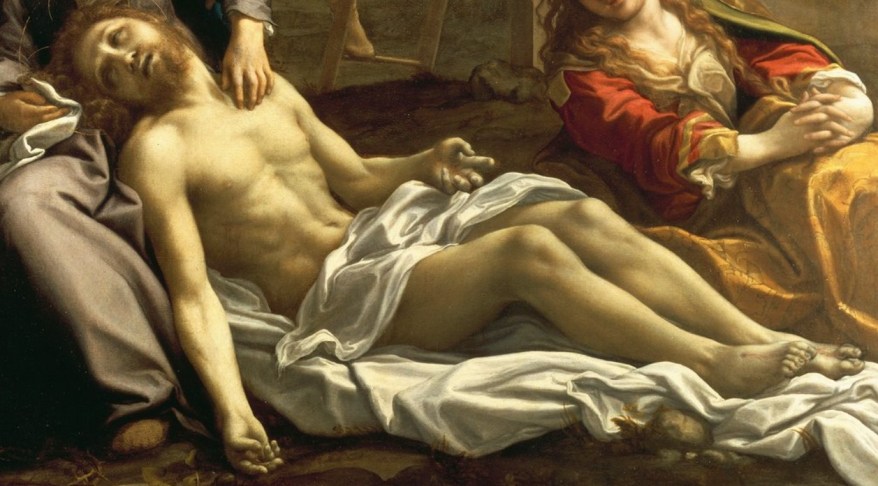
Il Compianto sul Cristo morto di Correggio: pathos e devozione
🇮🇹Con l’inizio della Settimana Santa, vi propongo il Compianto sul Cristo morto di Antonio Allegri, più noto come il Correggio: uno dei vertici assoluti della pittura emiliana del Cinquecento… 🇬🇧With the beginning of Holy Week, I propose the Lamentation over the Dead Christ by Antonio Allegri, better known as Correggio: one of the absolute peaks…
Condividi:


Questo sono io





sostienici

Sostienici – Support Us
Se questo blog ti piace e ti appassiona, puoi aiutarci a farlo crescere sempre più sostenendoci in modo concreto condividendo i post, seguendo le pagine social e con un contributo che ci aiuta ad andare avanti con il nostro lavoro di divulgazione. . ENGLISH: If you like and are passionate about this blog, you can help us make it grow more and more by supporting us in a concrete way by sharing posts, following social pages and with a contribution that helps us to move forward with our dissemination work.
€10,00


