
Vincent Feugere e la Morte di Abele che ricorda quella di Dupré
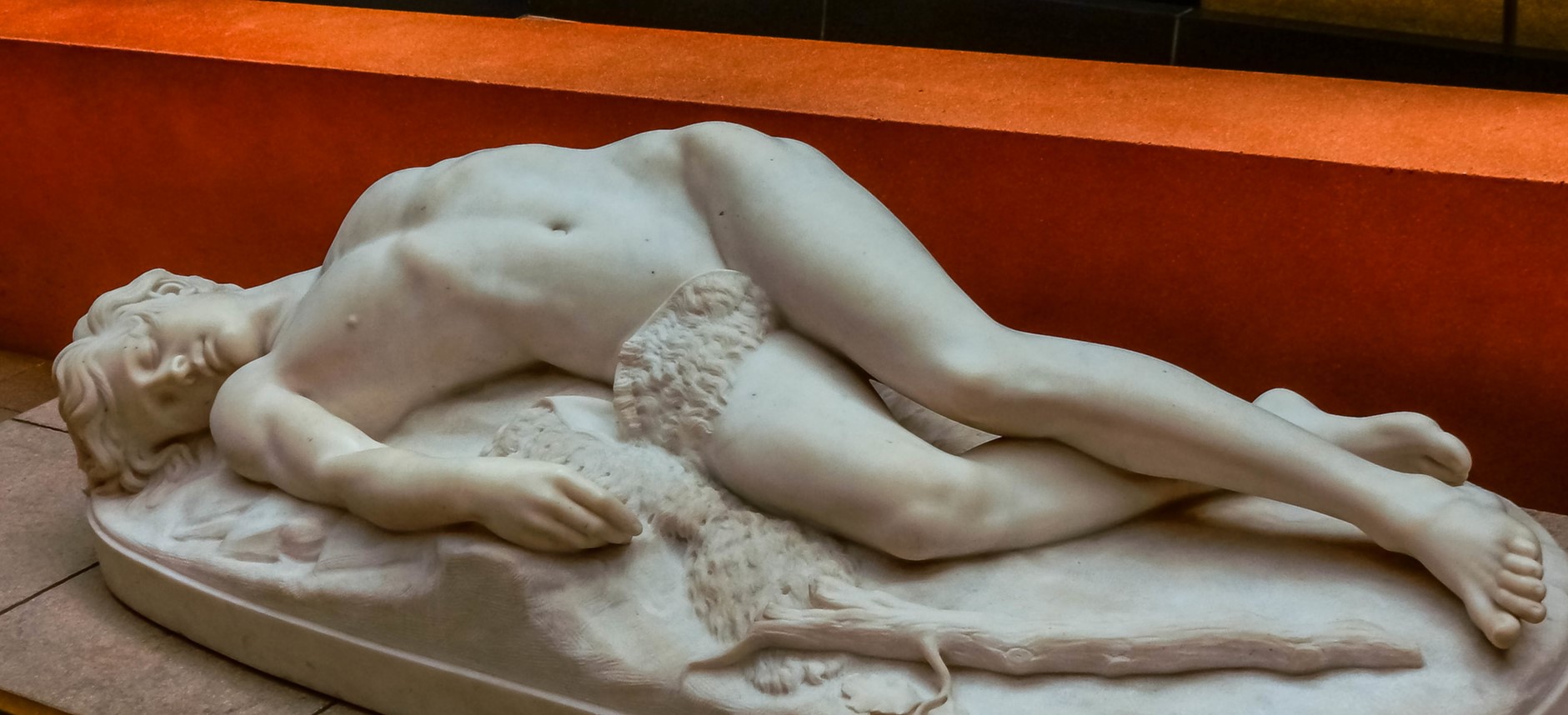
La scultura del giorno che vi propongo oggi è la Morte d’Abele, scolpita nel marmo di Carrara nel 1865 da Vincent Feugere des Forts e custodita nel Museo d’Orsay, a Parigi.
Lo scultore raffigurò Abele nudo, con i pube coperto da una pelliccia. Disteso a terra oramai è privo di vita e sulla fronte porta a favore di spettatore si vede la ferita inferta dal fratello Caino.

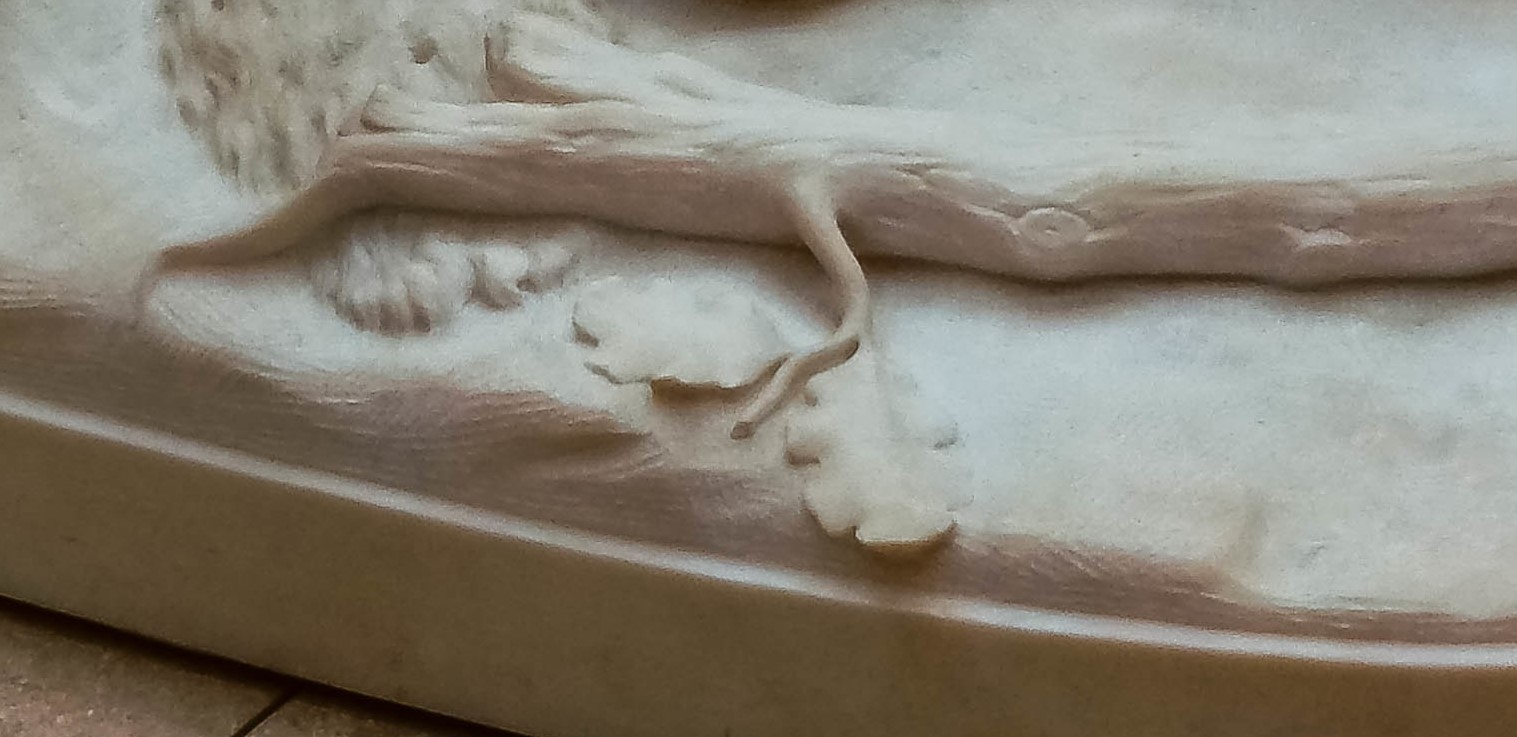
Vicino a lui si nota la presenza di un ramo di quercia. Nell’iconografia la quercia viene usata spesso come simbolo di longevità e solidità.
Nella scultura il ramo è spezzato e quindi sta a significare la vita interrotta bruscamente del giovane Adamo e al contempo la sua solidità morale.
Lo scultore Vincent Feugere des Forts era nato da una famiglia borghese di Lione, discendente da Nicolas Feugère morto intorno al 1782, scudiero assegnato al servizio del re al castello di Versailles.
Fu destinato presto all’arte della scultura. Fu allievo di François-Joseph Heim e dello scultore Jehan du Seigneur e riuscì ad esordire al Salon del 1849 presentando il gesso della Vedova Denier.
La sua fama oltre confine fu dovuta proprio alla presentazione del gesso nel 1864 della Morte di Abele che gli valse una prestigiosa medaglia.
L’anno successivo scolpì l’opera nel marmo, presentandola poi al salone del 1866, riscontrando un grande successo da parte della critica e del pubblico.
Forse osservando quest’opera vi sarà tornata in mente un’altra scultura, realizzata 23 anni prima da un celebre scultore italiano con lo stesso soggetto: Abele morente dello scultore senese Giovanni Dupré.
Probabilmente l’artista francese aveva avuto modo di vedere l’opera di Dupré, se non di persona perlomeno in qualche riproduzione stampata o disegnata perché le due opere hanno diverse analogie.
Sul plinto della base, sotto i piedi, lo scultore volle apporre la sua firma e la data di realizzazione dell’opera: FEUGERE DES FORTS 1865.
Per il momento il sempre vostro Michelangelo Buonarroti vi saluta dandovi appuntamento ai prossimi post e sui social.
Vincent Feugere and the Death of Abel which recalls that of Dupré
The sculpture of the day that I propose to you today is the Death of Abel, sculpted in Carrara marble in 1865 by Vincent Feugere des Forts and kept in the Musée d’Orsay, in Paris.
The sculptor depicted Abel naked, with his pubic area covered by a fur. Lying on the ground, he is now lifeless and on his forehead, in front of the spectator, you can see the wound inflicted by his brother Cain.
Near him you can notice the presence of an oak branch. In iconography, the oak is often used as a symbol of longevity and solidity.
In the sculpture, the branch is broken and therefore stands for the abruptly interrupted life of the young Adam and at the same time his moral solidity.
The sculptor Vincent Feugere des Forts was born into a bourgeois family from Lyon, descendant of Nicolas Feugère who died around 1782, a squire assigned to the king’s service at the castle of Versailles.
He was destined for the art of sculpture early on. He was a pupil of François-Joseph Heim and the sculptor Jehan Du Seigneur and managed to debut at the Salon of 1849 by presenting the plaster of the Denier Widow.
His fame beyond the border was due precisely to the presentation of the plaster in 1864 of the Death of Abel which earned him a prestigious medal.
The following year he sculpted the work in marble, then presented it at the Salon of 1866, meeting with great success from critics and the public.
Perhaps looking at this work will have brought to mind another sculpture, made 23 years earlier by a famous Italian sculptor with the same subject: Dying Abel by the Sienese sculptor Giovanni Dupré.
The French artist had probably had the opportunity to see Dupré’s work, if not in person at least in some printed or drawn reproduction because the two works have several similarities.
On the plinth of the base, under the feet, the sculptor wanted to affix his signature and the date of creation of the work: FEUGERE DES FORTS 1865.
For the moment, yours truly Michelangelo Buonarroti bids you farewell, making an appointment to see you in the next posts and on social media.

Sostienici – Support Us
Se questo blog ti piace e ti appassiona, puoi aiutarci a farlo crescere sempre più sostenendoci in modo concreto condividendo i post, seguendo le pagine social e con un contributo che ci aiuta ad andare avanti con il nostro lavoro di divulgazione. . ENGLISH: If you like and are passionate about this blog, you can help us make it grow more and more by supporting us in a concrete way by sharing posts, following social pages and with a contribution that helps us to move forward with our dissemination work.
10,00 €
-
La Pietà di Tincolini: a Pontedera l’arte torna a fare domande scomode
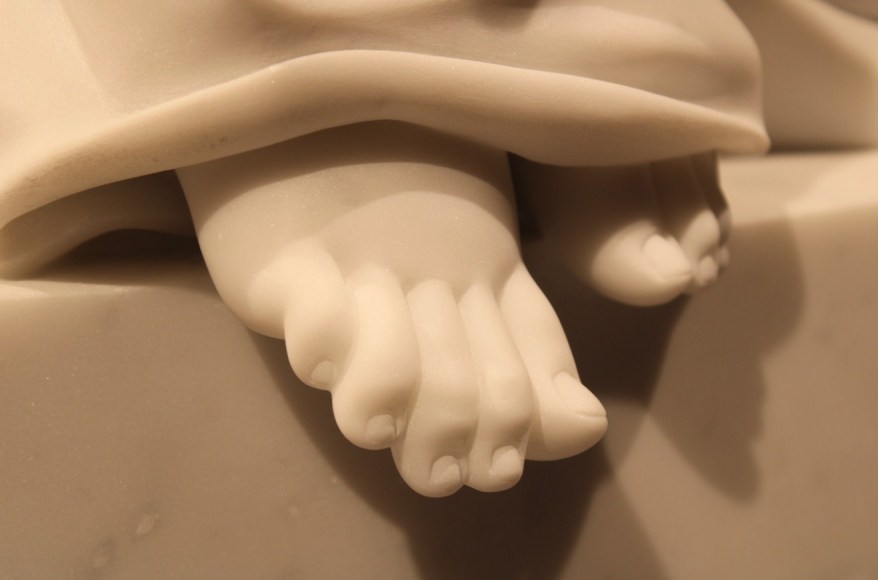
🇮🇹“Pietà”, la scultura di Filippo Tincolini, insieme alle parole di Federico Quaranta e Andrea Pezzi, non è stato solo uno spettacolo. È stata una domanda lanciata in faccia al pubblico, impossibile da evitare: siamo ancora capaci di provare pietà? 🇬🇧 “Pietà,” Filippo Tincolini’s sculpture, along with the words of Federico Quaranta and Andrea Pezzi, wasn’t…
-
Ai Musei Vaticani i fasti barocchi di Urbano VIII: in mostra gli arazzi della manifattura Barberini
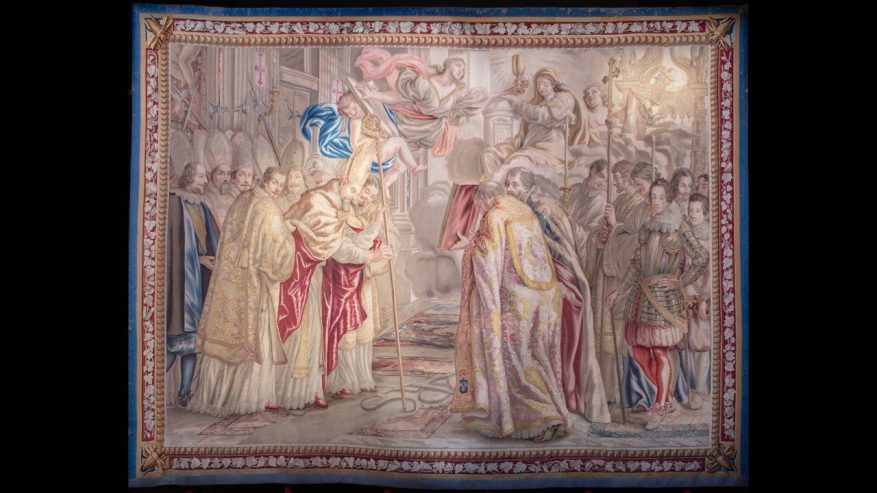
🇮🇹A quattro secoli dalla consacrazione della Basilica di San Pietro, i Musei Vaticani dedicano una mostra all’Arazzeria Barberini, simbolo di una cultura visiva capace di fondere magnificenza estetica e affermazione politica… 🇬🇧Four centuries after the consecration of St. Peter’s Basilica, the Vatican Museums are dedicating an exhibition to the Barberini Tapestry Factory, a symbol of…
-
Le Opere della Pasqua: come la Resurrezione ha ispirato Arte e Cultura
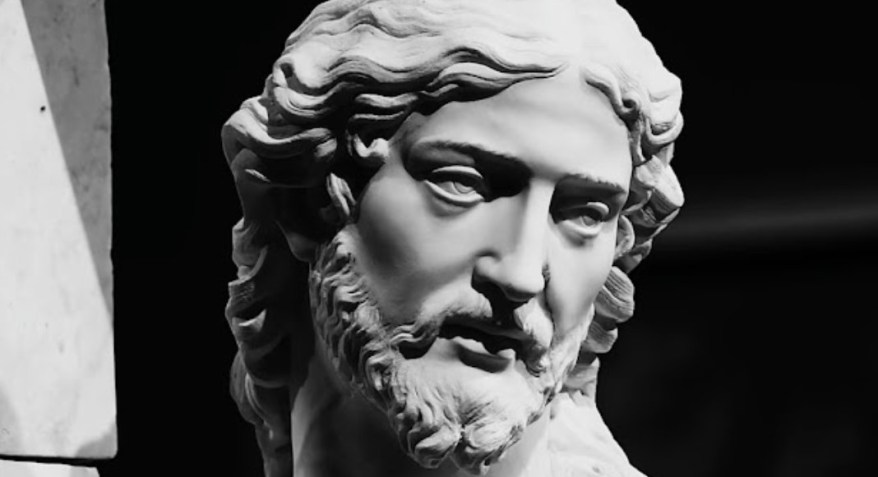
🇮🇹La Pasqua, oltre ad essere una ricorrenza religiosa è un momento in cui la storia, l’arte e la spiritualità si intrecciano per raccontare il fulcro della fede cristiana: la resurrezione di Cristo. .. 🇬🇧Easter, beyond being a religious holiday, is a moment when history, art, and spirituality intertwine to recount the core of the Christian…
Condividi:


Questo sono io





sostienici

Sostienici – Support Us
Se questo blog ti piace e ti appassiona, puoi aiutarci a farlo crescere sempre più sostenendoci in modo concreto condividendo i post, seguendo le pagine social e con un contributo che ci aiuta ad andare avanti con il nostro lavoro di divulgazione. . ENGLISH: If you like and are passionate about this blog, you can help us make it grow more and more by supporting us in a concrete way by sharing posts, following social pages and with a contribution that helps us to move forward with our dissemination work.
€10,00


scultura di una dolcezza infinita, se non fosse la ferita il distinguo tra sonno e morte direi che potrebbe essere un dormiente a tutti gli effetti, anche per la posa morbida…grazie di cuore per averlo condiviso :-)*
"Mi piace"Piace a 1 persona
:-* grazie
"Mi piace"Piace a 1 persona