

La Scultura del giorno: Adone coronato da Venere di Canova
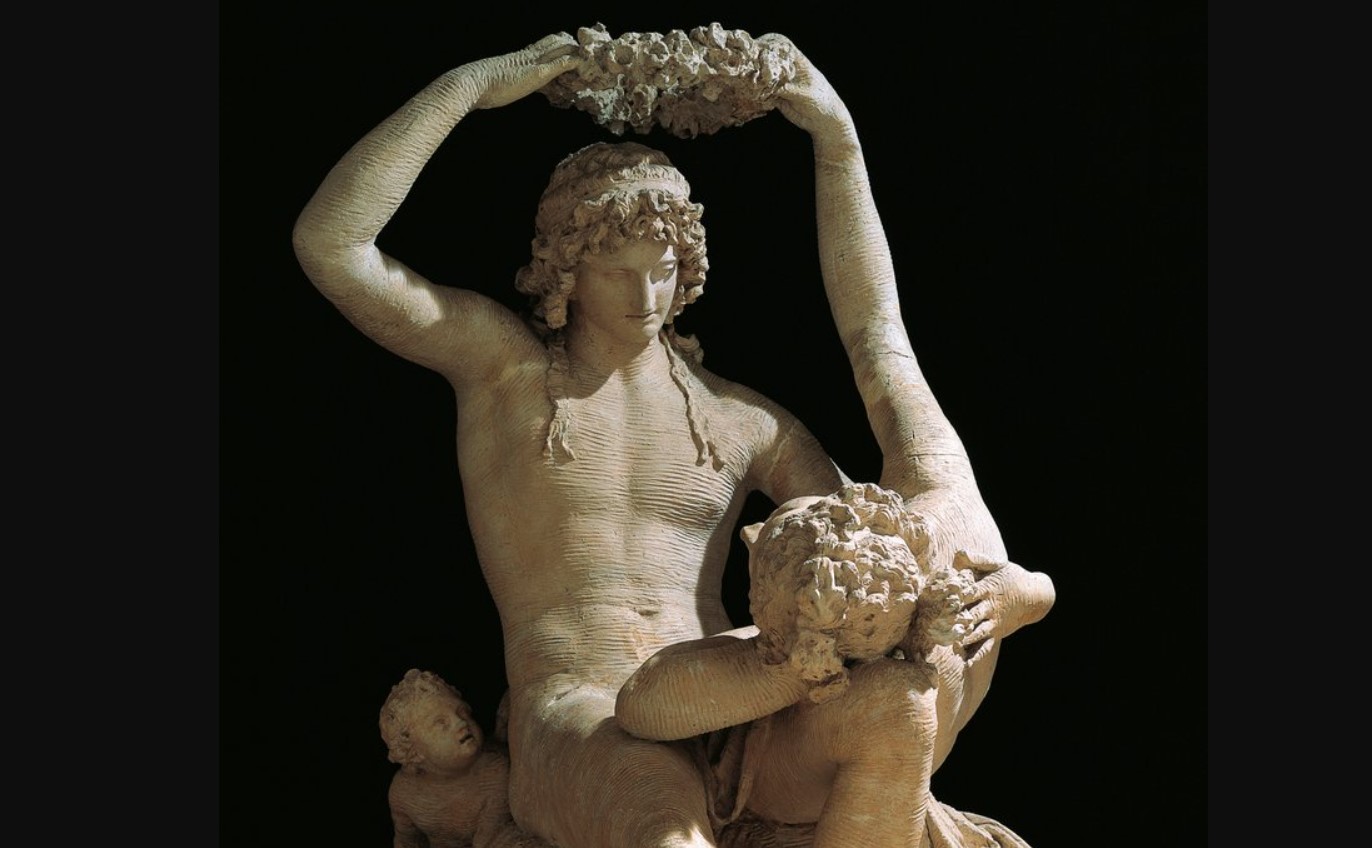
L’opera del giorno che voglio proporvi oggi è il gruppo di Adone coronato da Venere realizzato da Antonio Canova.
L’opera fu commissionata nel 1789 allo scultore dal re della Polonia Stanislao Poniatowski che lo avrebbe voluto collocare un una sala del suo sontuoso Palazzo Reale.
Le cose però cambiarono rapidamente e la disponibilità finanziaria del sovrano venne meno. L’opera pensata da Canova e realizzata in gesso, così non poté essere tradotta in marmo: il re non poteva più pagare quel lavoro.
Il gesso, non ultimato ma comunque di eccellente fattura, è custodito nel Museo Gypsotheca di Possagno.
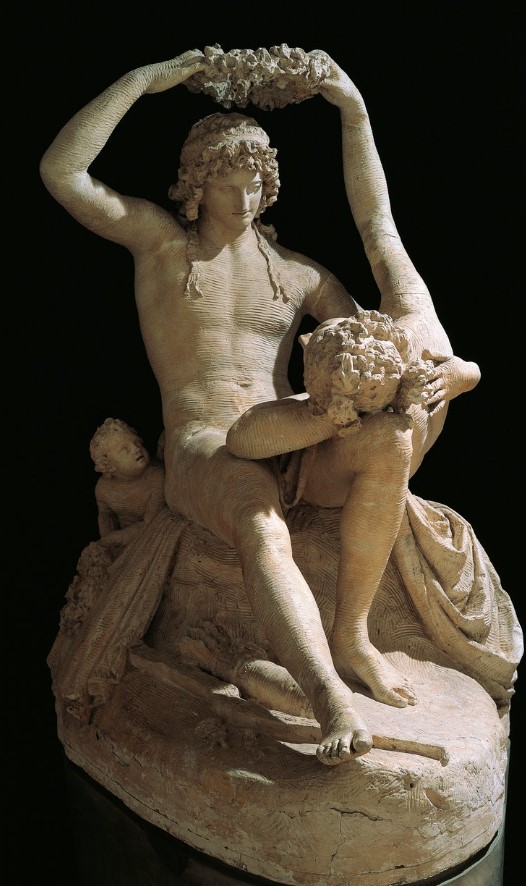
Il giovane Adone privo di vesti è seduto mentre Venere, adagiata sulle sue gambe, sta per incoronarlo. Da dietro la schiena Cupido guarda con aria stupita entrambi.
Adone era un giovane cacciatore di straordinaria bellezza, tanto da attirare l’attenzione di Venere, la dea dell’amore. La dea, incantata dalla sua grazia, lo proteggeva con tutte le sue forze, ma durante una battuta di caccia Adone fu mortalmente ferito da un cinghiale inviato da Marte.
La dea, disperata per la perdita del suo amato, chiese a Zeus di far tornare in vita Adone, ma solo per una parte dell’anno. Così, ogni primavera Adone risorgeva dalla terra portando con sé la rinascita della natura, e Venere poteva riabbracciarlo.
La corona di fiori che Venere sta per mettere sul capo di Adone simboleggia proprio la primavera che li vede ancora una volta uniti.
Canova realizzando questo gesso si focalizzò sulla resa dei corpi dei due giovani e sull’intreccio armonioso che creano, dando forma a un’opera di grande grazia, purtroppo mai tradotta in marmo, come accennavo prima.

Per il momento il sempre vostro Michelangelo Buonarroti vi saluta dandovi appuntamento ai prossimi post e sui social.
Sculpture of the day: Adonis crowned by Venus by Canova
The sculpture I want to show you today is the group of Adonis crowned by Venus created by Antonio Canova.
The work was commissioned in 1789 to the sculptor by the king of Poland Stanislaus Poniatowski who wanted to place it in a room of his sumptuous Royal Palace.
However, things changed rapidly and the sovereign’s financial availability ran out. The work conceived by Canova and made of plaster, could not be translated into marble: the king could no longer pay for that work.
The plaster, unfinished but still of excellent workmanship, is kept in the Gypsotheca Museum of Possagno.
The young Adonis without clothes is seated while Venus, lying on his lap, is about to crown him. From behind his back Cupid looks at them both with an astonished expression.
Adonis was a young hunter of extraordinary beauty, so much so that he attracted the attention of Venus, the goddess of love. The goddess, enchanted by his grace, protected him with all her strength, but during a hunting trip Adonis was mortally wounded by a wild boar sent by Mars.
The goddess, desperate for the loss of her beloved, asked Zeus to bring Adonis back to life, but only for a part of the year. Thus, every spring Adonis rose from the earth, bringing with him the rebirth of nature, and Venus could embrace him again. The crown of flowers that Venus is about to place on Adonis’ head symbolizes the spring that sees them united once again.
Canova, creating this plaster, focused on the rendering of the bodies of the two young people and on the harmonious intertwining they create, giving shape to a work of great grace, unfortunately never translated into marble, as I mentioned before.
For the moment, the always your Michelangelo Buonarroti bids you farewell, making an appointment with you in the next posts and on social media.

Sostienici – Support Us
Se questo blog ti piace e ti appassiona, puoi aiutarci a farlo crescere sempre più sostenendoci in modo concreto condividendo i post, seguendo le pagine social e con un contributo che ci aiuta ad andare avanti con il nostro lavoro di divulgazione. . ENGLISH: If you like and are passionate about this blog, you can help us make it grow more and more by supporting us in a concrete way by sharing posts, following social pages and with a contribution that helps us to move forward with our dissemination work.
10,00 €
-
Il realismo che trafigge l’anima: il Sant’Antonio abate di Jusepe de Ribera
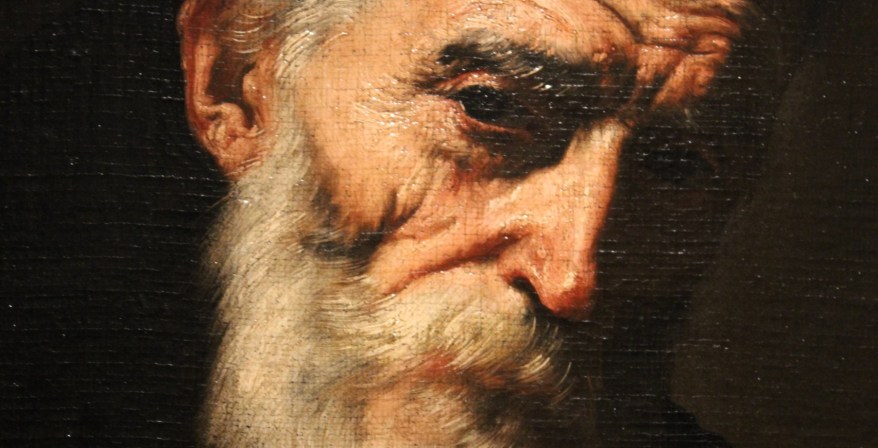
🇮🇹Il Sant’Antonio abate di Ribera non si guarda, si sente sottopelle. Rughe, luce, verità. E quegli occhi che raccontano… 🇬🇧You can’t look at Ribera’s Saint Anthony the Abbot, you can feel it under your skin. Wrinkles, light, truth. And those eyes that tell a story…
-
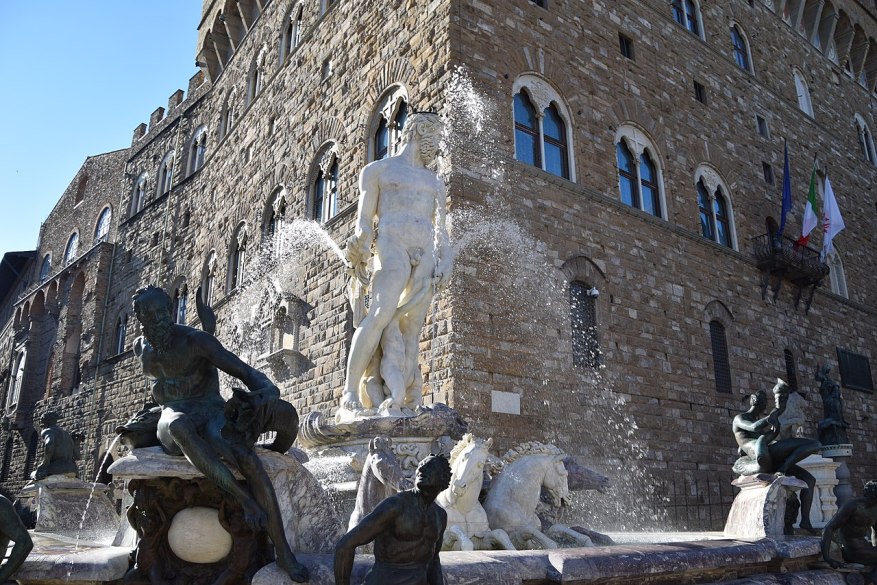
13 aprile 1592: muore Ammannati, il genio del “Biancone” tra capolavori e feroci critiche
🇮🇹Il 13 aprile 1592 si spegneva a Firenze Bartolomeo Ammannati, uno dei protagonisti più complessi e discussi del Rinascimento italiano. Morì nella sua casa di Via della Stufa… 🇬🇧On April 13, 1592, Bartolomeo Ammannati, one of the most complex and controversial figures of the Italian Renaissance, passed away in Florence. He died in his home…
-
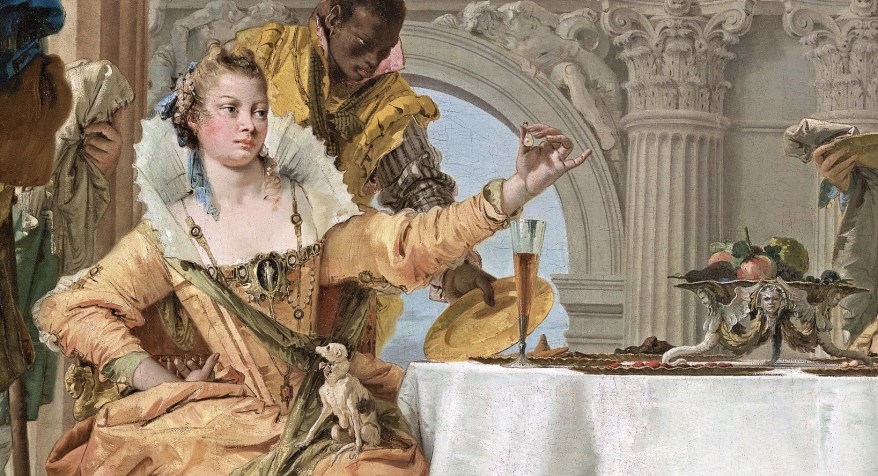
Quando Cleopatra umiliò Roma: il significato nascosto del celebre dipinto di Tiepolo
🇮🇹 Il dipinto che vi propongo è pura teatralità, lusso e strategia. Cleopatra scommette con Marco Antonio di poter offrire il banchetto più sontuoso della storia e per vincere compie un gesto folle… 🇬🇧 The painting I propose is pure theatricality, luxury, and strategy. Cleopatra bets Mark Antony that she can offer the most sumptuous…
Condividi:


Questo sono io





sostienici

Sostienici – Support Us
Se questo blog ti piace e ti appassiona, puoi aiutarci a farlo crescere sempre più sostenendoci in modo concreto condividendo i post, seguendo le pagine social e con un contributo che ci aiuta ad andare avanti con il nostro lavoro di divulgazione. . ENGLISH: If you like and are passionate about this blog, you can help us make it grow more and more by supporting us in a concrete way by sharing posts, following social pages and with a contribution that helps us to move forward with our dissemination work.
€10,00


