
Palazzo Medici Riccardi: Felice Carena, vivere nella pittura
Palazzo Medici Riccardi inaugura la stagione autunnale con una nuova mostra dedicata al pittore torinese che visse a Firenze nella prima metà del Novecento: Felice Carena.
Figura chiave del Novecento italiano, Carena fu un creativo interprete del contesto culturale. Nel corso degli anni ebbe modo di assorbire e trasferire su tela le grandi novità che segnarono la pittura del suo tempo, attingendo alle lezioni del passato.

“Felice Carena. Vivere nella pittura” è il titolo della mostra dedicata al pittore torinese che visse a Firenze nella prima metà del XX secolo, promossa da Città Metropolitana di Firenze e realizzata da MUS.E, a cura di Luigi Cavallo e Elena Pontiggia, che si terrà a Palazzo Medici Riccardi dal 17 ottobre 2024 al 16 febbraio 2025.
La mostra di Palazzo Medici Riccardi, nata da un’idea dalla pronipote dell’artista Magda Grifò, pe con il coordinamento di Valentina Zucchi, responsabile scientifico del palazzo, segue la vicenda creativa di Felice Carena approfondendo gli anni vissuti a Firenze.
Dal 1924, momento in cui viene chiamato a insegnare presso l’Accademia di Belle Arti, fino al 1945 quando si trasferisce a Venezia e lì conclude la sua vita nel 1966.

Propone ai visitatori un importante nucleo di oltre 50 opere, tra cui numerosi inediti di proprietà della famiglia, affiancati a prestiti provenienti da importanti istituzioni pubbliche e private come la Banca d’Italia, la Fondazione Giorgio Cini di Venezia, le Gallerie degli Uffizi, la Galleria Nazionale d’Arte Moderna e Contemporanea di Roma, il Museo del Novecento di Milano e il Civico Museo di Arte Moderna e Contemporanea di Anticoli Corrado.
L’ esposizione si collega con la concomitante “Felice Carena. Pittore e maestro all’Accademia di Belle Arti di Firenze”, dal 17 ottobre al 21 novembre all’Accademia di Belle Arti di Firenze, coronando così il 2024, a cento anni dall’ingresso del pittore nell’accademia fiorentina, come pieno anno careniano.
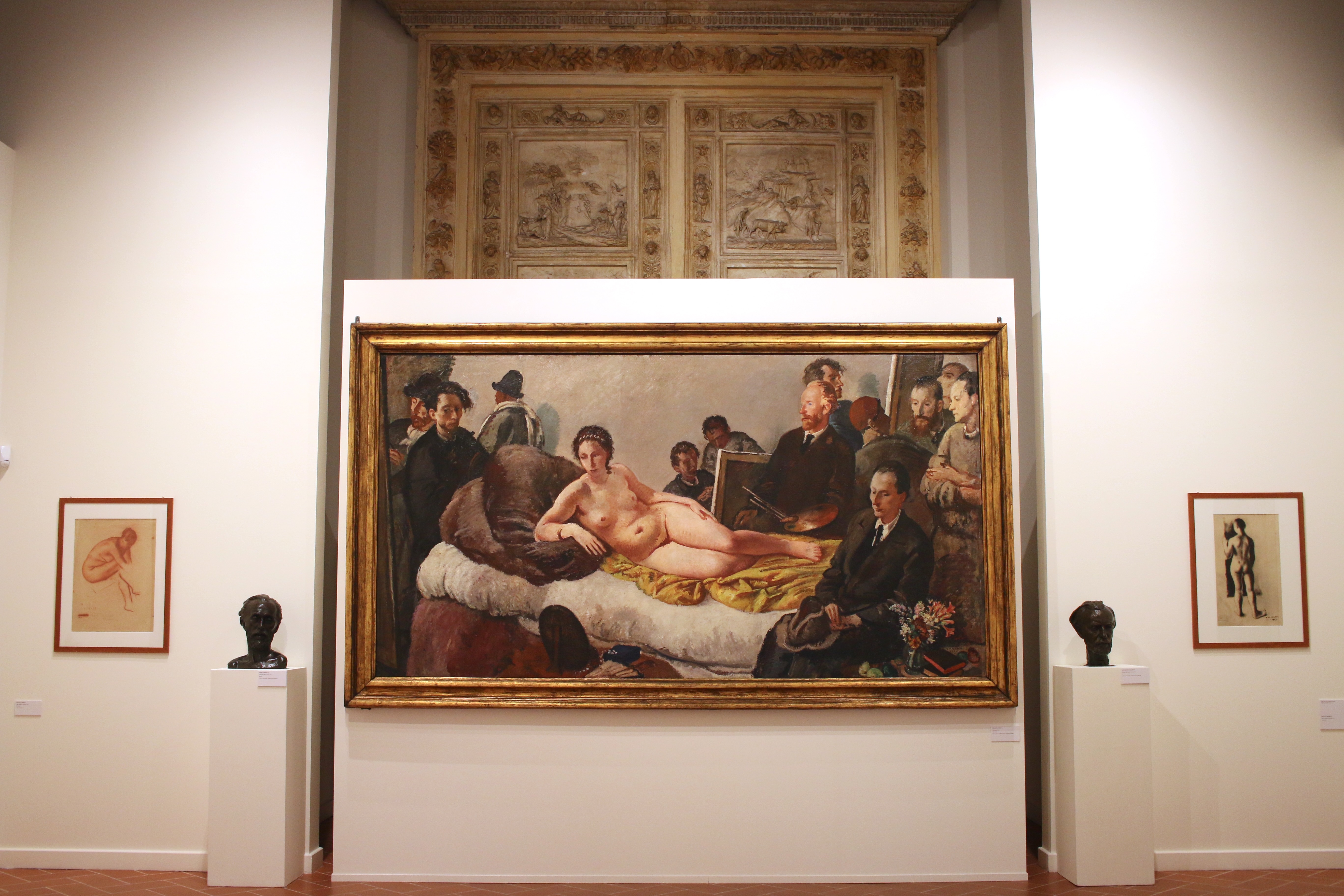
Il ventennio che Felice Carena trascorse a Firenze fu cruciale.
In quel periodo espose alla personale alla Biennale di Venezia del 1926 e alla prima Quadriennale romana del 1931, conquistò il premio Carnegie di Pittsburgh del 1929, la nomina ad Accademico d’Italia e a Presidente dell’Accademia di Belle Arti di Firenze nel 1933, la presenza alla II mostra del Novecento Italiano nel 1929.
Sono gli anni in cui dipinge i suoi capolavori, tra cui Susanna (1924) e il monumentale La scuola (1928), e in cui prendono corpo le tappe salienti della sua vita professionale e personale.
Per il momento il sempre vostro Michelangelo Buonarroti vi saluta dandovi appuntamento ai prossimi post e sui social.
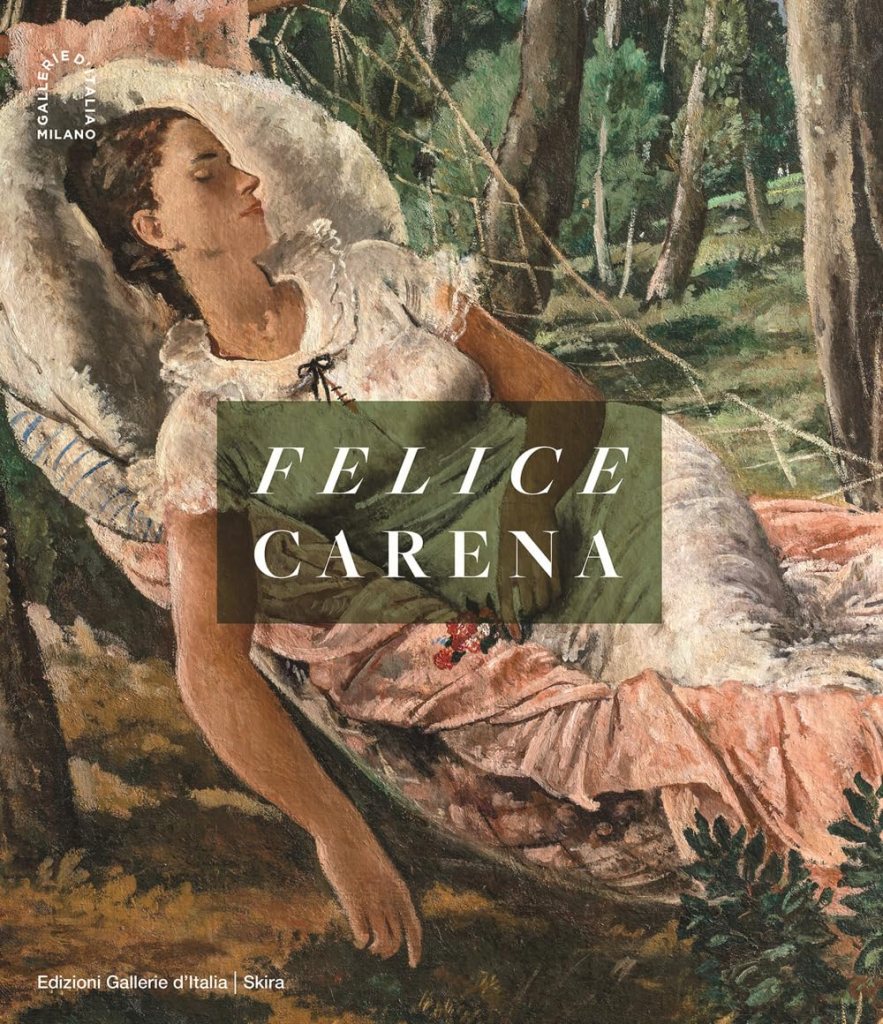
Palazzo Medici Riccardi: Felice Carena, living in painting
Palazzo Medici Riccardi inaugurates the autumn season with a new exhibition dedicated to the painter from Turin who lived in Florence in the first half of the twentieth century: Felice Carena.
A key figure of the Italian twentieth century, Carena was a creative interpreter of the cultural context. Over the years he had the opportunity to absorb and transfer to canvas the great innovations that marked the painting of his time, drawing on the lessons of the past.
“Felice Carena. Vivere nella pittura” is the title of the exhibition dedicated to the Turin painter who lived in Florence in the first half of the 20th century, promoted by the Metropolitan City of Florence and created by MUS.E, curated by Luigi Cavallo and Elena Pontiggia, which will be held at Palazzo Medici Riccardi from 17 October 2024 to 16 February 2025.
The exhibition at Palazzo Medici Riccardi, born from an idea by the artist’s great-granddaughter Magda Grifò, and coordinated by Valentina Zucchi, scientific director of the palace, follows the creative story of Felice Carena, delving into the years he lived in Florence.
From 1924, when he was called to teach at the Academy of Fine Arts, until 1945 when he moved to Venice and ended his life there in 1966.
It offers visitors an important core of over 50 works, including numerous unpublished works owned by the family, alongside loans from important public and private institutions such as the Bank of Italy, the Giorgio Cini Foundation in Venice, the Uffizi Galleries, the Galleria Nazionale d’Arte Moderna e Contemporanea in Rome, the Museo del Novecento in Milan and the Civic Museum of Modern and Contemporary Art in Anticoli Corrado.
The exhibition is linked to the concomitant “Felice Carena. Painter and master at the Academy of Fine Arts in Florence”, from 17 October to 21 November at the Academy of Fine Arts in Florence, thus crowning 2024, one hundred years after the painter’s entry into the Florentine academy, as a full Carenian year.
The twenty years that Felice Carena spent in Florence were crucial.
During that period he exhibited at the personal exhibition at the Venice Biennale in 1926 and at the first Roman Quadrennial in 1931, he won the Carnegie Prize of Pittsburgh in 1929, the nomination as Academician of Italy and President of the Academy of Fine Arts of Florence in 1933, the presence at the II exhibition of the Italian Twentieth Century in 1929.
These are the years in which he painted his masterpieces, including Susanna (1924) and the monumental La scuola (1928), and in which the salient stages of his professional and personal life took shape.
For the moment, the always your Michelangelo Buonarroti bids you farewell, making an appointment with you in the next posts and on social media.

Sostienici – Support Us
Se questo blog ti piace e ti appassiona, puoi aiutarci a farlo crescere sempre più sostenendoci in modo concreto condividendo i post, seguendo le pagine social e con un contributo che ci aiuta ad andare avanti con il nostro lavoro di divulgazione. . ENGLISH: If you like and are passionate about this blog, you can help us make it grow more and more by supporting us in a concrete way by sharing posts, following social pages and with a contribution that helps us to move forward with our dissemination work.
10,00 €
-
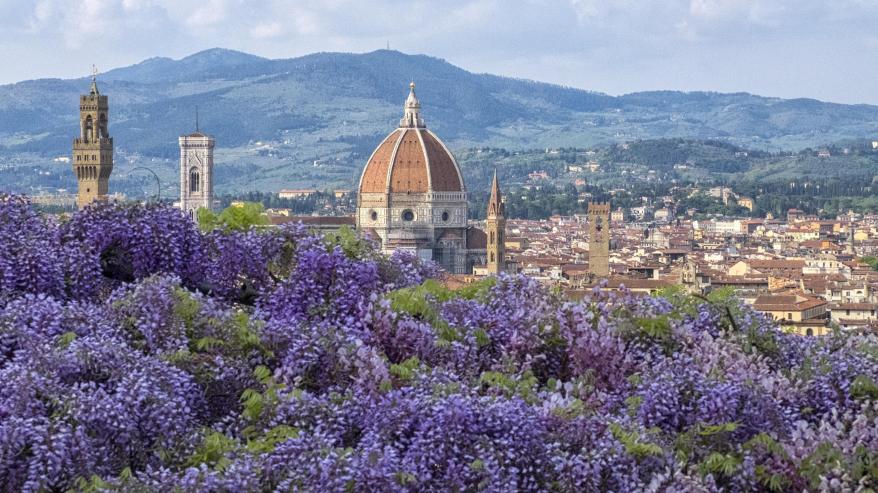
Sotto un cielo di glicine: la magia di Villa Bardini
🇮🇹Per pochi giorni all’anno, il pergolato di Villa Bardini si trasforma in un tunnel lilla lungo 70 metri, dove profumo e bellezza si intrecciano sopra una delle viste più romantiche di Firenze… 🇬🇧For a few days a year, the pergola of Villa Bardini transforms into a 70-meter-long lilac tunnel, where scent and beauty intertwine above…
-
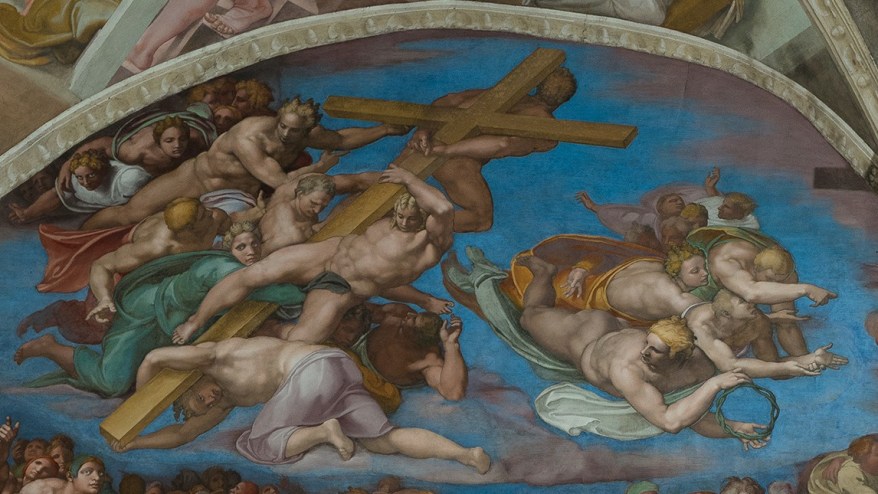
Come se la giustizia negata in vita possa compiersi altrove
🇮🇹Se davvero l’anima, una volta sciolta dal corpo, ritorna sulla terra per vivere ancora, così mi domando, quale sorte attende chi oggi appare tanto bella ai miei occhi, ma così crudele nel cuore? 🇬🇧If the soul, once freed from the body, truly returns to earth to live again, I ask myself, what fate awaits the…
-
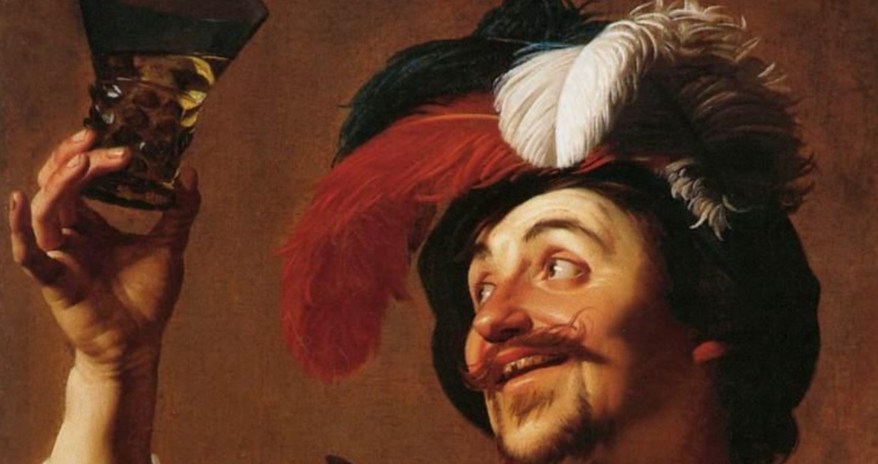
Quel sorriso del violinista felice di Gerrit van Honthorst
🇮🇹Un brindisi, un sorriso, una luce che taglia il buio. Conoscete il dipinto del violinista felice con un bicchiere di vino (1624) di Gerrit van Honthorst?… 🇬🇧A toast, a smile, a light that cuts through the darkness. Are you familiar with the painting of the Happy Violinist with a Glass of Wine (1624) by Gerrit…
Condividi:


Questo sono io





sostienici

Sostienici – Support Us
Se questo blog ti piace e ti appassiona, puoi aiutarci a farlo crescere sempre più sostenendoci in modo concreto condividendo i post, seguendo le pagine social e con un contributo che ci aiuta ad andare avanti con il nostro lavoro di divulgazione. . ENGLISH: If you like and are passionate about this blog, you can help us make it grow more and more by supporting us in a concrete way by sharing posts, following social pages and with a contribution that helps us to move forward with our dissemination work.
€10,00


