
27 settembre 1917: muore Degas
Il 27 settembre 1917, a Parigi, ci lasciava Edgar Degas.
Sebbene venga spesso associato al movimento impressionista, Degas era un artista molto più complesso e sfaccettato e i suoi lavori si distinguevano per una spiccata originalità e profondità.
Una vita dedicata all’arte
Nato a Parigi nel 1834, Degas proveniva da una famiglia borghese. Fin da piccolino aveva mostrato una grande passione per l’arte, tanto da convincere il padre a iscriverlo all’École des Beaux-Arts. Lì Degas riuscì a entrare in contatto con le grandi tradizioni artistiche, studiando i maestri del passato.
Realista tra gli Impressionisti
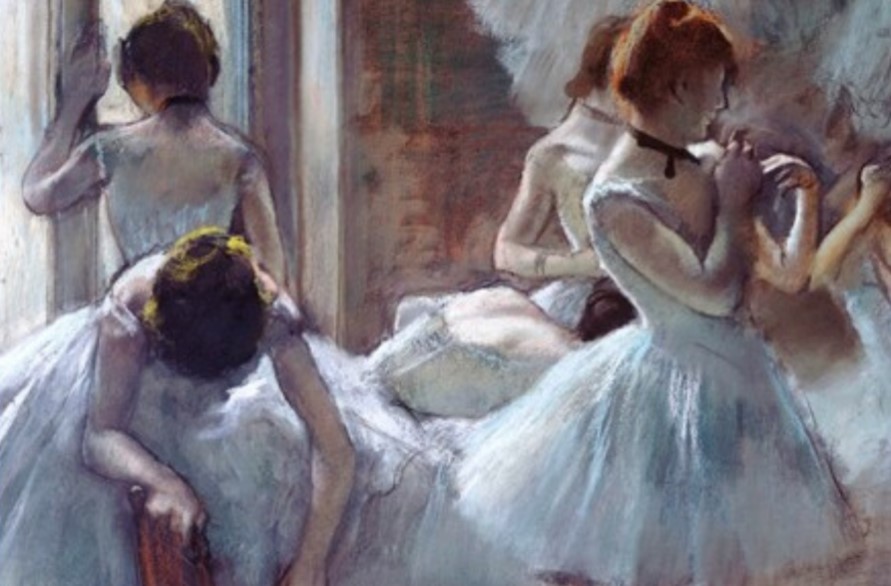
Sebbene partecipasse alle prime mostre impressioniste, Degas si considerava più un realista che un impressionista.
La sua attenzione per il disegno così come la composizione rigorosa e la rappresentazione accurata della realtà, lo distinguevano dai suoi contemporanei.
Le Ballerine: il soggetto preferito
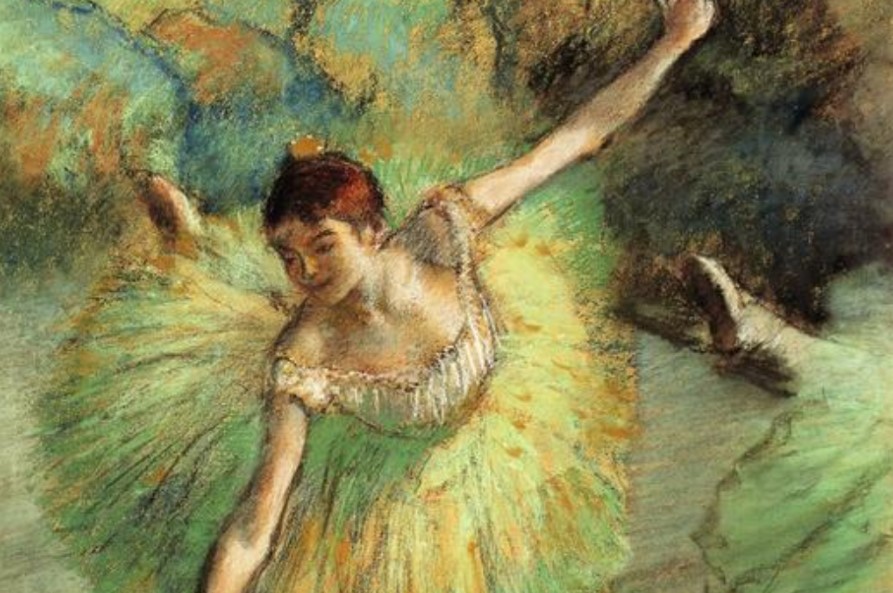
Degas è noto per le sue rappresentazioni di ballerine. Le ritraeva in pose intime e private, durante le prove, negli spogliatoi, o nei momenti di riposo.
L’interesse per il mondo della danza era più che una semplice passione: per Degas, le ballerine erano un simbolo della bellezza effimera e della condizione femminile.
Oltre alle ballerine, Degas amava dipingere anche cavalli da corsa, scene di vita quotidiana, nudi e ritratti. Sperimentò diverse tecniche, dal pastello all’olio ponendo attenzione anche all’arte della scultura.

Un artista indipendente
Solitario e indipendente, Degas non amava le grandi esposizioni e preferiva mostrare le sue opere a un pubblico ristretto.
La sua personalità complessa e il suo rifiuto di conformarsi alle mode artistiche dell’epoca lo hanno reso unico nel suo genere.
L’Eredità di Degas
L’opera di Degas ha influenzato generazioni di artisti. La capacità di catturare il movimento, l’attenzione per la luce e l’ombra e l’originalità compositiva sono caratteristiche che rendono l’artista sempre ben riconoscibile tra le pennellate delle proprie opere.
Per il momento il sempre vostro Michelangelo Buonarroti vi saluta dandovi appuntamento ai prossimi post e sui social.
© All rights reserved

September 27, 1917: Degas dies
Edgar Degas passed away in Paris on September 27, 1917.
Although he is often associated with the Impressionist movement, Degas was a much more complex and multifaceted artist and his works were distinguished by a marked originality and depth.
A life dedicated to art
Born in Paris in 1834, Degas came from a bourgeois family. From an early age he had shown a great passion for art, so much so that he convinced his father to enroll him at the École des Beaux-Arts. There Degas was able to come into contact with the great artistic traditions, studying the masters of the past.
Realist among the Impressionists
Although he participated in the first Impressionist exhibitions, Degas considered himself more of a realist than an impressionist.
His attention to drawing as well as rigorous composition and accurate representation of reality, distinguished him from his contemporaries.
Ballerinas: his favorite subject
Degas is known for his depictions of ballerinas. He portrayed them in intimate and private poses, during rehearsals, in the dressing room, or in moments of rest.
His interest in the world of dance was more than a simple passion: for Degas, ballerinas were a symbol of ephemeral beauty and the female condition.
In addition to ballerinas, Degas also loved painting racehorses, scenes of everyday life, nudes and portraits. He experimented with different techniques, from pastel to oil, also paying attention to the art of sculpture.
An independent artist
Solitary and independent, Degas did not like large exhibitions and preferred to show his works to a limited audience.
His complex personality and his refusal to conform to the artistic trends of the time made him one of a kind.
Degas’ Legacy
Degas’ work has influenced generations of artists. The ability to capture movement, the attention to light and shadow and the compositional originality are characteristics that make the artist always recognizable among the brush strokes of his works.
For the moment, the always your Michelangelo Buonarroti bids you farewell, making an appointment with you in the next posts and on social media.
© All rights reserved

Sostienici – Support Us
Se questo blog ti piace e ti appassiona, puoi aiutarci a farlo crescere sempre più sostenendoci in modo concreto condividendo i post, seguendo le pagine social e con un contributo che ci aiuta ad andare avanti con il nostro lavoro di divulgazione. . ENGLISH: If you like and are passionate about this blog, you can help us make it grow more and more by supporting us in a concrete way by sharing posts, following social pages and with a contribution that helps us to move forward with our dissemination work.
10,00 €
-
Sotto un cielo di glicine: la magia di Villa Bardini
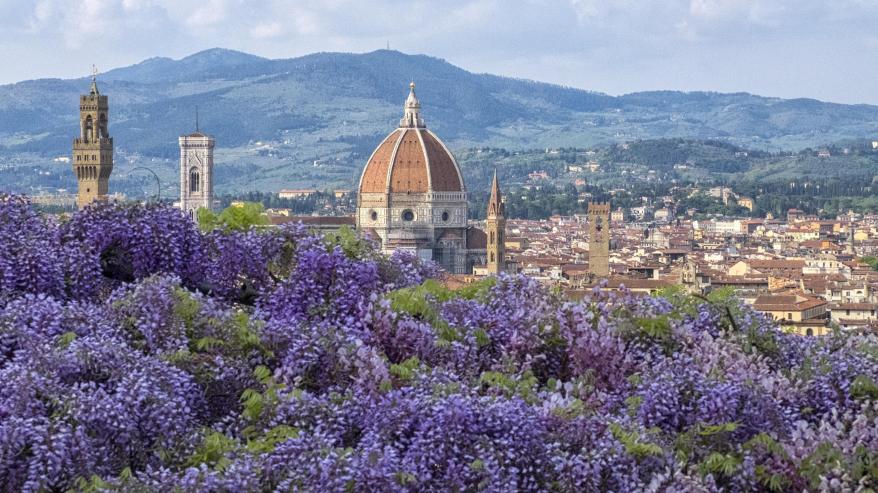
🇮🇹Per pochi giorni all’anno, il pergolato di Villa Bardini si trasforma in un tunnel lilla lungo 70 metri, dove profumo e bellezza si intrecciano sopra una delle viste più romantiche di Firenze… 🇬🇧For a few days a year, the pergola of Villa Bardini transforms into a 70-meter-long lilac tunnel, where scent and beauty intertwine above…
-
Come se la giustizia negata in vita possa compiersi altrove
🇮🇹Se davvero l’anima, una volta sciolta dal corpo, ritorna sulla terra per vivere ancora, così mi domando, quale sorte attende chi oggi appare tanto bella ai miei occhi, ma così crudele nel cuore? 🇬🇧If the soul, once freed from the body, truly returns to earth to live again, I ask myself, what fate awaits the…
-
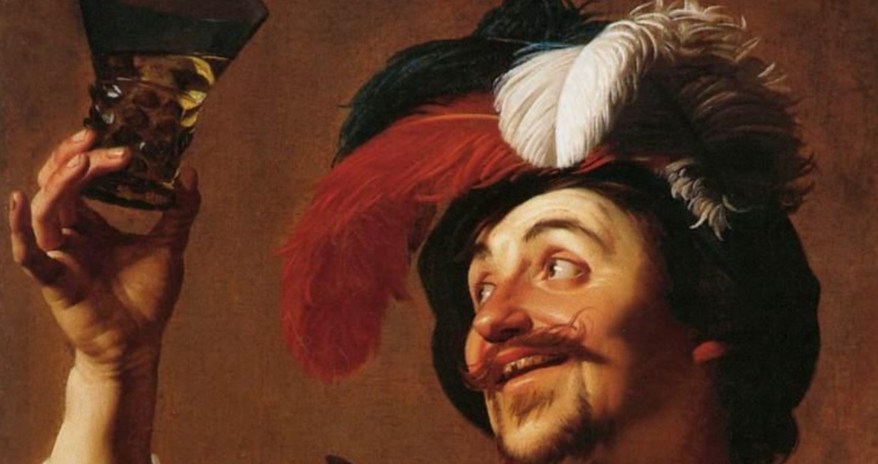
Quel sorriso del violinista felice di Gerrit van Honthorst
🇮🇹Un brindisi, un sorriso, una luce che taglia il buio. Conoscete il dipinto del violinista felice con un bicchiere di vino (1624) di Gerrit van Honthorst?… 🇬🇧A toast, a smile, a light that cuts through the darkness. Are you familiar with the painting of the Happy Violinist with a Glass of Wine (1624) by Gerrit…
Condividi:


Questo sono io





sostienici

Sostienici – Support Us
Se questo blog ti piace e ti appassiona, puoi aiutarci a farlo crescere sempre più sostenendoci in modo concreto condividendo i post, seguendo le pagine social e con un contributo che ci aiuta ad andare avanti con il nostro lavoro di divulgazione. . ENGLISH: If you like and are passionate about this blog, you can help us make it grow more and more by supporting us in a concrete way by sharing posts, following social pages and with a contribution that helps us to move forward with our dissemination work.
€10,00


