
La Sacra Conversazione di Ridolfo del Ghirlandaio: un’opera da scoprire
Il dipinto del giorno che vi propongo oggi è la Sacra Conversazione realizzata a tempera e olio su tavola da Ridolfo del Ghirlandaio per la chiesa del convento di San Piero Maggiore di Pistoia, attorno al 1508.
L’opera realizzata dal giovane artista che all’epoca aveva 25 anni, ha un perfetto equilibrio compositivo ed è caratterizzata da una cura straordinaria dei particolari.
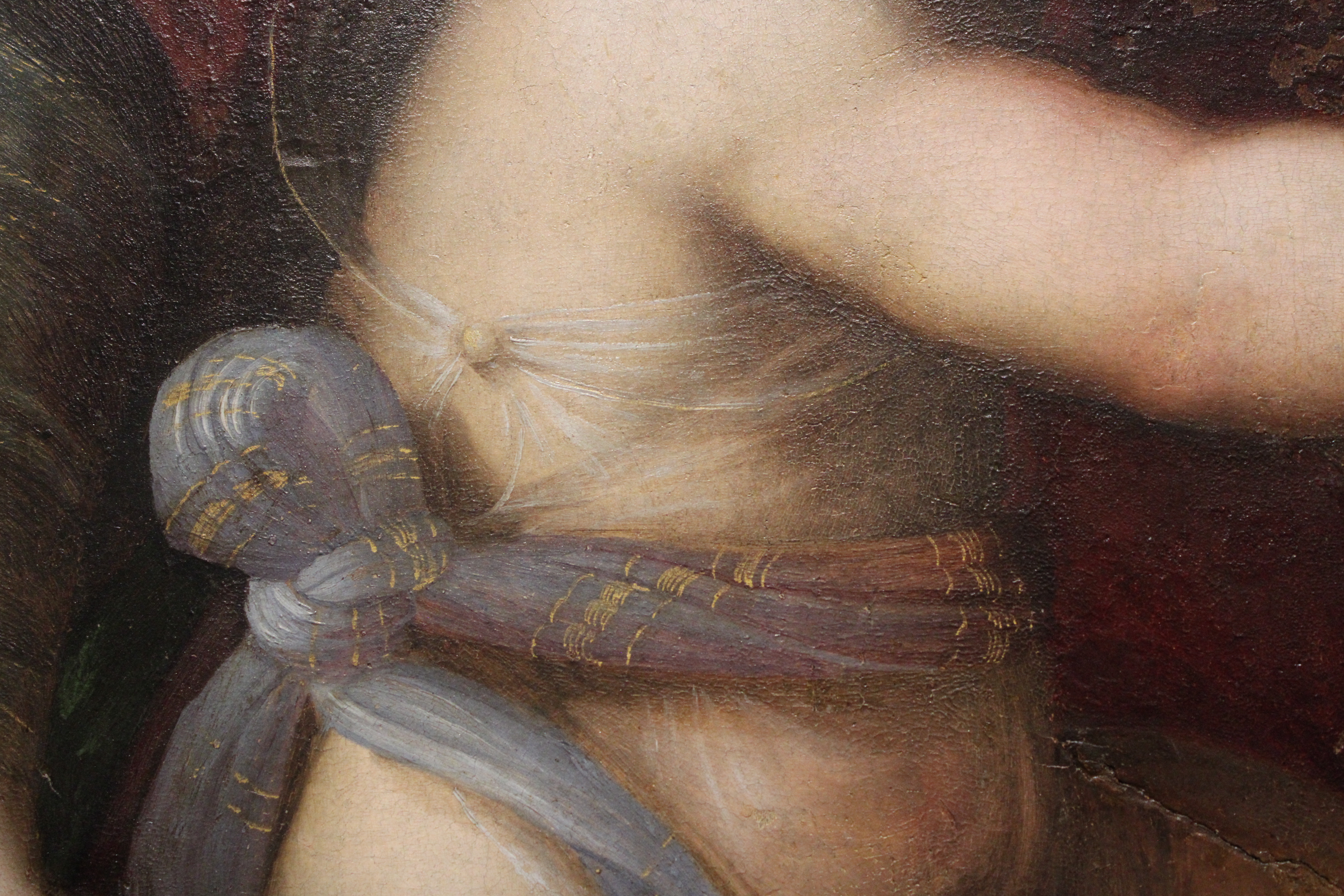
Basta avvicinarsi un po’ all’opera per notare con quanta maestria il Ghirlandaio dipinse il velo che avvolge il corpo del Bambino con quel gioco di trasparenze stupefacente così come la stola celeste ricamata d’oro che lo trattiene in vita. Un pezzo di bravura straordinario.
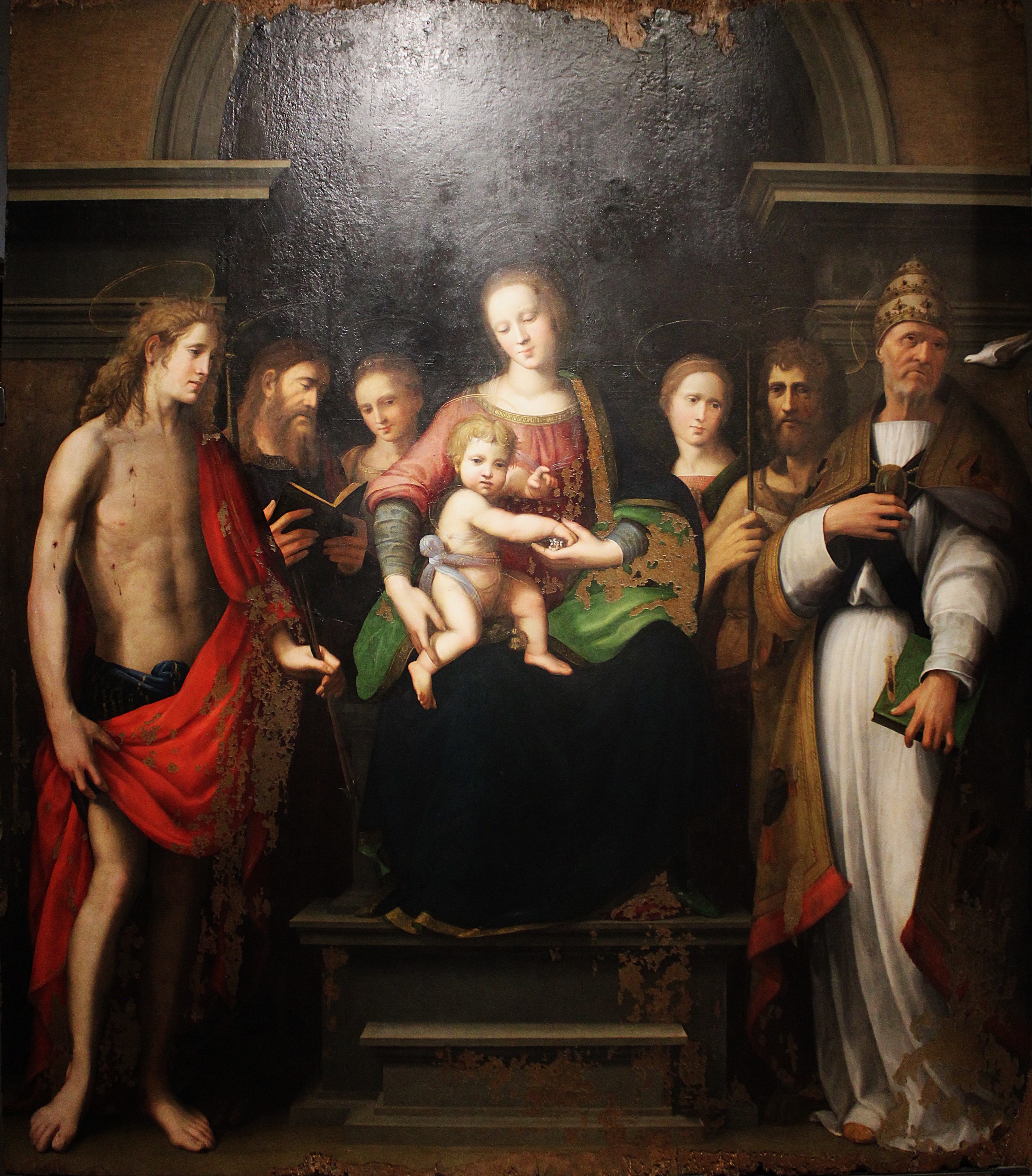
Già con un primo rapido sguardo è possibile indentificare tra i personaggi presenti attorno alla Madonna con il Figlio, San Jacopo, il patrono della città di Pistoia. Sta leggendo un libro, da lungi emblema che lo identifica alla stregua del lungo e alto bastone che si intravede.
In primo piano, al suo fianco, si nota San Sebastiano con le ferite delle frecce ancora sanguinanti.

Dalla parte opposta, vestito di bianco e con il mantello, Gregorio Magno sfoggia il triregno sul capo. Noto anche come Gregorio I, fu il 64° papa della storia a partire dal 3 settembre 590 fino alla sua morte.
Mentre guarda assorto verso l’alto, un colomba bianca fa irruzione sulla scena e di lì a poco passerà proprio davanti al suo volto.
L’opera è oggi custodita all’interno dei Musei Civici di Pistoia ma purtroppo lo scorrere del tempo ha lasciato segni evidenti. La la superficie pittorica presenta importanti discontinuità che ne alterano parzialmente la lettura.
Per il momento il sempre vostro Michelangelo Buonarroti vi saluta dandovi appuntamento ai prossimi post e sui social.
© Riproduzione riservata
The Sacred Conversation by Ridolfo del Ghirlandaio: a work to discover
The painting of the day that I propose to you today is the Sacred Conversation made in tempera and oil on wood by Ridolfo del Ghirlandaio for the church of the convent of San Piero Maggiore in Pistoia around 1508.
The work created by the young artist who was 25 years old at the time, has a perfect compositional balance and is characterized by an extraordinary attention to detail. You only need to get a little closer to the work to notice how masterfully Ghirlandaio painted the veil that wraps the body of the Child with that astonishing play of transparencies and the blue stole embroidered with gold that holds him at the waist. A piece of extraordinary skill.
Already with a first quick glance it is possible to identify among the characters present around the Madonna and Child San Jacopo, the patron saint of the city of Pistoia. He is reading a book, an emblem from afar that identifies him like the long, tall stick that can be glimpsed.
In the foreground, next to him, we see Saint Sebastian with the wounds of the arrows still bleeding.
On the opposite side, dressed in white and with a cloak, Gregory the Great shows off the tiara on his head. Also known as Gregory I, he was the 64th pope in history from 3 September 590 until his death.
While he gazes absorbedly upwards, a white dove bursts onto the scene and shortly thereafter will pass right in front of his face.
The work is now kept inside the Civic Museums of Pistoia but unfortunately the passage of time has left evident signs. The pictorial surface presents important discontinuities that partially alter its reading.
For the moment, the always your Michelangelo Buonarroti bids you farewell, making an appointment with you in the next posts and on social media.
© All rights reserved

Sostienici – Support Us
Se questo blog ti piace e ti appassiona, puoi aiutarci a farlo crescere sempre più sostenendoci in modo concreto condividendo i post, seguendo le pagine social e con un contributo che ci aiuta ad andare avanti con il nostro lavoro di divulgazione. . ENGLISH: If you like and are passionate about this blog, you can help us make it grow more and more by supporting us in a concrete way by sharing posts, following social pages and with a contribution that helps us to move forward with our dissemination work.
10,00 €
-
La Pietà di Tincolini: a Pontedera l’arte torna a fare domande scomode
🇮🇹“Pietà”, la scultura di Filippo Tincolini, insieme alle parole di Federico Quaranta e Andrea Pezzi, non è stato solo uno spettacolo. È stata una domanda lanciata in faccia al pubblico, impossibile da evitare: siamo ancora capaci di provare pietà? 🇬🇧 “Pietà,” Filippo Tincolini’s sculpture, along with the words of Federico Quaranta and Andrea Pezzi, wasn’t…
-
Ai Musei Vaticani i fasti barocchi di Urbano VIII: in mostra gli arazzi della manifattura Barberini
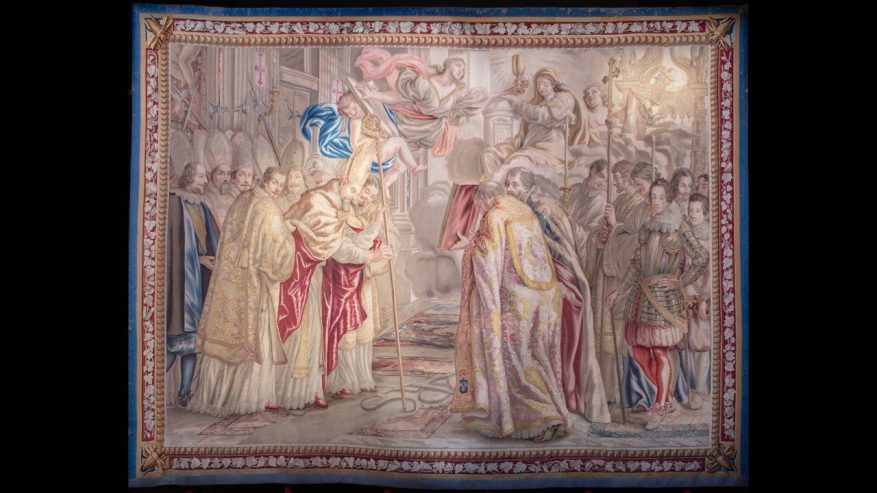
🇮🇹A quattro secoli dalla consacrazione della Basilica di San Pietro, i Musei Vaticani dedicano una mostra all’Arazzeria Barberini, simbolo di una cultura visiva capace di fondere magnificenza estetica e affermazione politica… 🇬🇧Four centuries after the consecration of St. Peter’s Basilica, the Vatican Museums are dedicating an exhibition to the Barberini Tapestry Factory, a symbol of…
-
Le Opere della Pasqua: come la Resurrezione ha ispirato Arte e Cultura
🇮🇹La Pasqua, oltre ad essere una ricorrenza religiosa è un momento in cui la storia, l’arte e la spiritualità si intrecciano per raccontare il fulcro della fede cristiana: la resurrezione di Cristo. .. 🇬🇧Easter, beyond being a religious holiday, is a moment when history, art, and spirituality intertwine to recount the core of the Christian…
Condividi:


Questo sono io





sostienici

Sostienici – Support Us
Se questo blog ti piace e ti appassiona, puoi aiutarci a farlo crescere sempre più sostenendoci in modo concreto condividendo i post, seguendo le pagine social e con un contributo che ci aiuta ad andare avanti con il nostro lavoro di divulgazione. . ENGLISH: If you like and are passionate about this blog, you can help us make it grow more and more by supporting us in a concrete way by sharing posts, following social pages and with a contribution that helps us to move forward with our dissemination work.
€10,00


