

Il Ritratto dell’Artista. Raffaello, Hayez, Courbet, Canova, Picasso, Frida Kahlo e tanti altri nella grande mostra in arrivo a Forlì
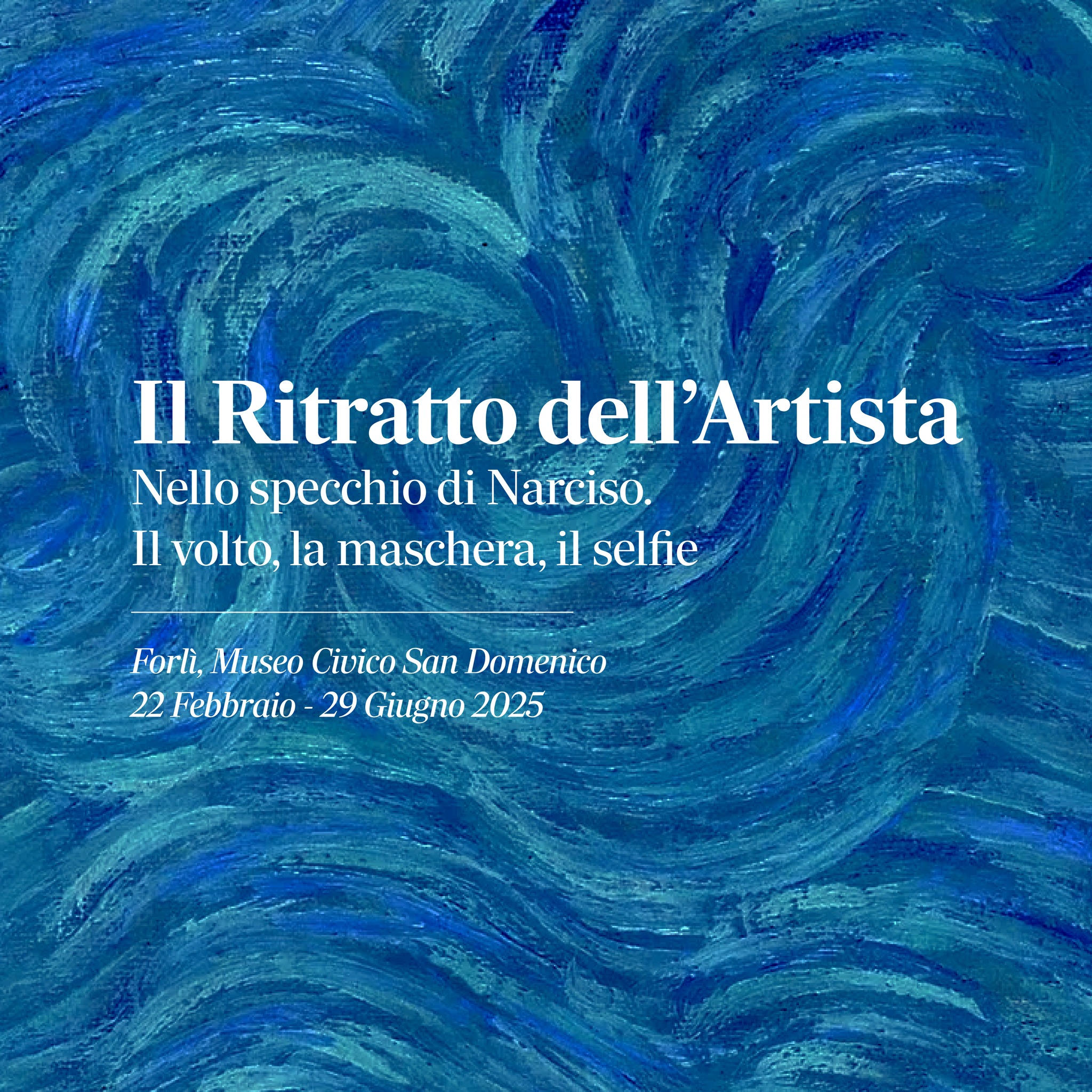
Dopo il grande successo della mostra dedicata ai Preraffaeliti, il Museo Civico di San Domenico di Forlì si prepara a ospitare un’altra grande esposizione che avrà come filo conduttore i ritratti degli artisti: “Il Ritratto dell’Artista. Nello specchio di Narciso. Il volto, la maschera, il selfie”.
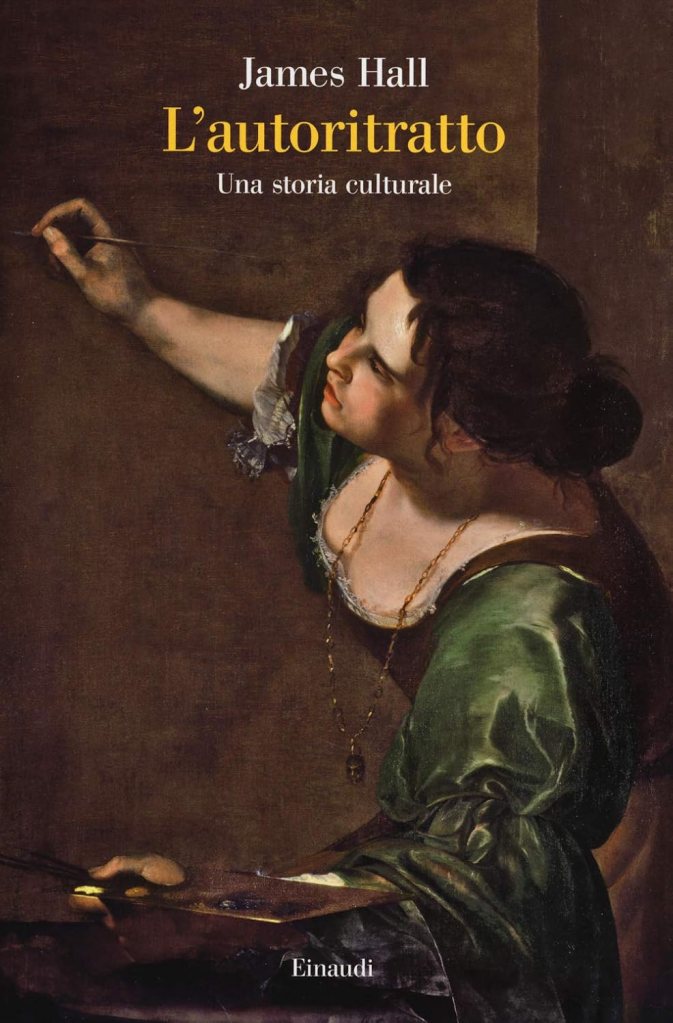
Il primo autoritratto è stato quello di Narciso, il giovane cacciatore della mitologia greca che, guardandosi in uno specchio d’acqua, vide il suo volto. In tempi più moderni il ritratto è divenuto un selfie.

Nel corso dei secoli, ritrarre l’immagine del proprio volto, è stata una sfida per gli artisti ma anche un esercizio di analisi profonda in grado di rendere figurate le aspirazioni o i moti emotivi. Farsi un autoritratto è anche un modo per mettersi in gioco, mostrando le proprie capacità di saper vedere e interpretare la realtà.
Non solo.
Per fare un autoritratto si ha la necessità di servirsi di uno specchio per poter vedere la propria immagine riflessa e, da sempre, lo specchio è sinonimo di vizi e virtù.
In un autoritratto il pittore diventa anche il protagonista dell’opera e talvolta invece di fare il ritratto di sé, realizza una maschera: questo è ciò che è accaduto dal Seicento al Novecento.
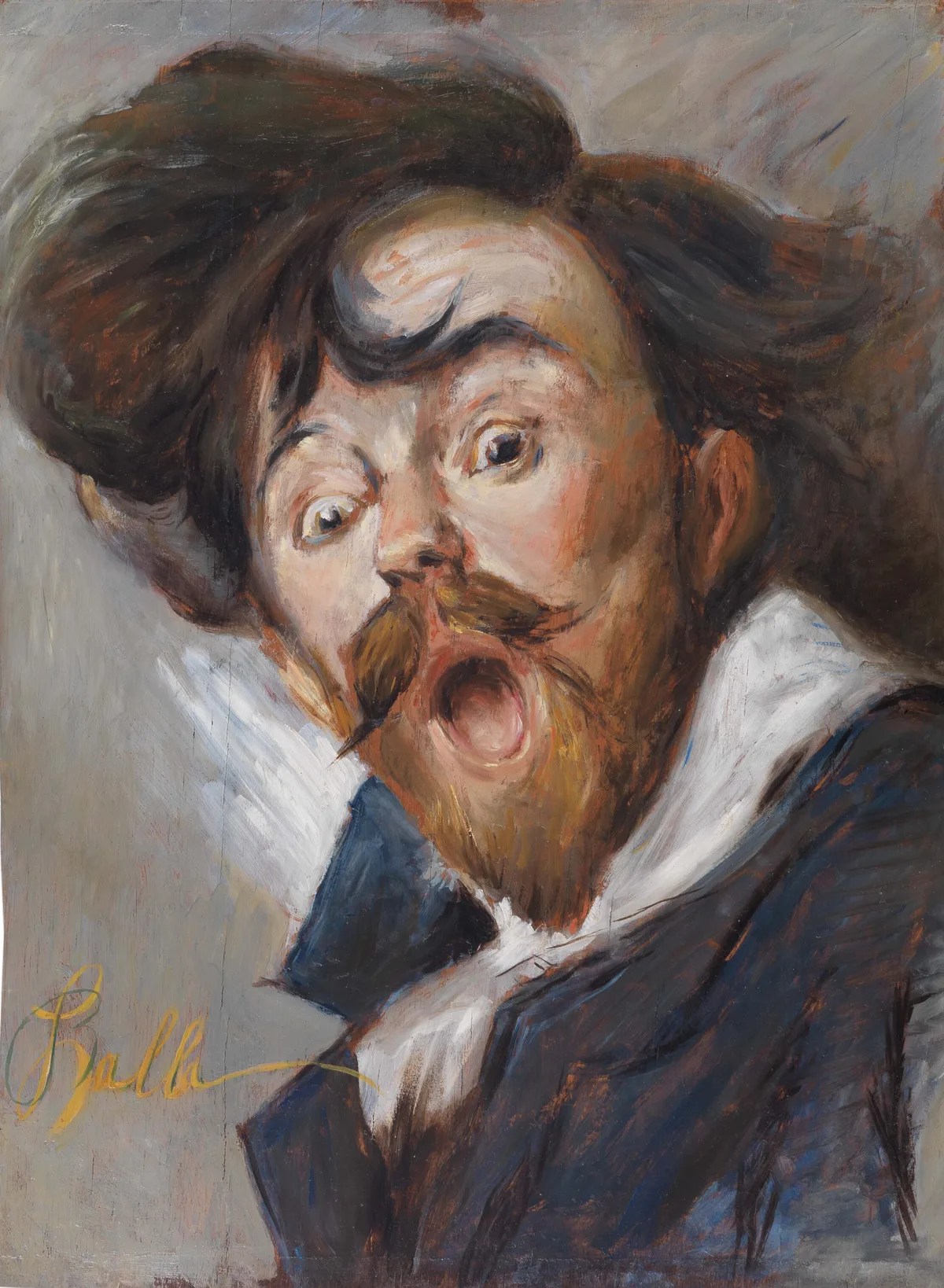
Gli autoritratti degli artisti si ritrovano nel mezzo a dipinti che raccontano episodi storici o fantastici, un po’ come fecero Botticelli, Perugino, Dürer, Hayez e tanti altri.
Il fascino dell’autoritratto sta nello sguardo che gli artisti dedicano a sé stessi, il loro modo di vedersi.
Da Tiziano a Rembrandt, a Van Gogh, da De Chirico a Warhol, il ritratto dell’artista è una sorta di autografo esistenziale inequivocabile.

Quali saranno le opere presenti in mostra? Ecco alcune anticipazioni.
L’esposizione inizierà con ‘Narciso alla fonte’, accresco staccato dalla Casa di Marco Lucrezio per poi procedere con l’autoritratto del Cellini e quello del Tintoretto.
Non mancheranno opere del Ghirlandaio, Giovanni Bellini e Lavinia Fontana e dipinti in cui sarà la vanità a essere protagonista con capolavori quali la ‘Venere di Capua’ e la ‘Venere allo specchio’ del Veronese e ‘Venere e Cupido’ di Peter Paul Rubens.

La mostra ospiterà anche il noto ‘Autoritratto entro uno specchio convesso’ del Parmigianino, il ‘Ritratto di uomo con turbante’ di Jan van Eyck, l’autoritratto di Raffaello Sanzio e il dipinto ‘Rubens e Isabella Brant sotto la pergola’ di Rubens.
Altra opera eccellente nel percorso espositivo sarà il ’Davide con la testa di Golia’ di Caravaggio che precederà ‘L’arte della pittura’ Jan Vermeer, l’autoritratto di Canova e Gustave Courbet ma anche l’opera ‘Autoritratto con l’amata’ sempre di Courbet.
In arrivo anche l’impressionista Edgar Degas con ‘Autoritratto che saluta’ ed Edouard Manet nel suo ‘Autoritratto con tavolozza’. Tre opere poi di Vincent Van Gogh: ‘Pietà’, ‘Autoritratto’ e ‘La sedia di Paul Gauguin’.
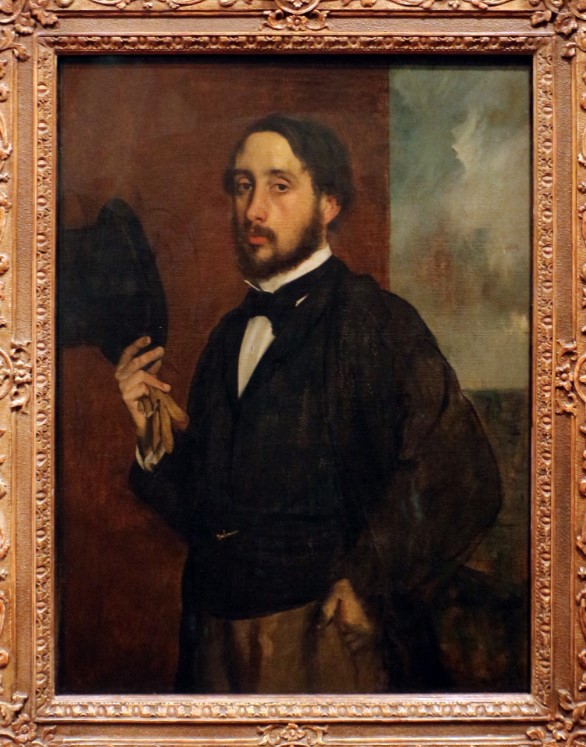
Una mostra impedibile dunque che proporrà un’interessante analisi sull’autoritratto nella storia dell’arte proponendo opere straordinarie come l‘‘Autoritratto con sigaretta’ di Edvard Munch, ‘la riproduzione vietata’ di René Magritte ma anche Egon Schiele con ’Veggente II, (Uomo e la morte)’.
Immancabile anche Giorgio de Chirico con ‘Autoritratto con busto di Euripide’ e la straordinaria Frida Kahlo con il dipinto ‘Le due Frida’.
Di Picasso sarà presente ‘Vecchio seduto’ mentre di Salvador Dalì verrà esposto ‘Dalí di spalle mentre ritrae Gala dalle spalle, eternalizzato da sei cornee virtuali provvidenzialmente reflesse in sei specchi reali’.
Poteva mancare Andy Warhol? Certo che no. In mostra infatti sarà presente con l’opera ‘Camouflage, Self portrait’.

La mostra “Il Ritratto dell’Artista. Nello specchio di Narciso. Il volto, la maschera, il selfie” aprirà i battenti al pubblico dal 22 Febbraio al 29 Giugno 2025.
Per il momento il sempre vostro Michelangelo Buonarroti vi saluta dandovi appuntamento ai prossimi post e sui social.
© Riproduzione riservata
The Portrait of the Artist. Raphael, Hayez, Courbet, Canova, Picasso, Frida Kahlo and many others in the great exhibition coming to Forlì
After the great success of the exhibition dedicated to the Pre-Raphaelites, the Civic Museum of San Domenico in Forlì is preparing to host another great exhibition that will have as its common thread the portraits of artists: “The Portrait of the Artist. In the mirror of Narcissus. The face, the mask, the selfie”.
The first self-portrait was that of Narcissus, the young hunter of Greek mythology who, looking at himself in a mirror of water, saw his face. In more modern times the portrait has become a selfie.
Over the centuries, portraying the image of one’s own face has been a challenge for artists but also an exercise in deep analysis capable of figuratively rendering aspirations or emotional impulses. Making a self-portrait is also a way to put yourself on the line, showing your ability to see and interpret reality.
Not only that.
To make a self-portrait you need to use a mirror to see your own image reflected and, since always, the mirror has been synonymous with vices and virtues.
In a self-portrait the painter also becomes the protagonist of the work and sometimes instead of making a portrait of himself, he creates a mask: this is what happened from the seventeenth to the twentieth century.
The self-portraits of artists are found in the middle of paintings that tell historical or fantastic episodes, a bit like Botticelli, Perugino, Dürer, Hayez and many others did.
The charm of the self-portrait lies in the gaze that artists dedicate to themselves, their way of seeing themselves.
From Titian to Rembrandt, to Van Gogh, from De Chirico to Warhol, the portrait of the artist is a sort of unmistakable existential autograph.
Which works will be present in the exhibition? Here are some previews.
The exhibition will begin with ‘Narcissus at the Fountain’, an accretion detached from the House of Marco Lucrezio and then proceed with the self-portrait of Cellini and that of Tintoretto.
There will also be works by Ghirlandaio, Giovanni Bellini and Lavinia Fontana and paintings in which vanity will be the protagonist with masterpieces such as the ‘Venus of Capua’ and the ‘Venus in the mirror’ by Veronese and ‘Venus and Cupid’ by Peter Paul Rubens.
The exhibition will also host the famous ‘Self-portrait within a convex mirror’ by Parmigianino, the ‘Portrait of a man with a turban’ by Jan van Eyck, the self-portrait of Raffaello Sanzio and the painting ‘Rubens and Isabella Brant under the pergola’ by Rubens.
Another excellent work in the exhibition will be Caravaggio’s ‘David with the Head of Goliath’, which will precede Jan Vermeer’s ‘The Art of Painting’, Canova’s self-portrait and Gustave Courbet’s but also Courbet’s ‘Self-portrait with his beloved’.
Also arriving are the impressionist Edgar Degas with ‘Self-portrait saluting’ and Edouard Manet in his ‘Self-portrait with palette’. Three works by Vincent Van Gogh: ‘Pietà’, ‘Self-portrait’ and ‘Paul Gauguin’s chair’.
An unmissable exhibition that will offer an interesting analysis of the self-portrait in the history of art, proposing extraordinary works such as Edvard Munch’s ‘Self-portrait with cigarette’, ‘the forbidden reproduction’ by René Magritte but also Egon Schiele with ‘Seer II, (Man and Death)’.
Also unmissable are Giorgio de Chirico with ‘Self-portrait with bust of Euripides’ and the extraordinary Frida Kahlo with the painting ‘The two Fridas’.
‘Seated Old Man’ by Picasso will be present while ‘Dalí from behind while portraying Gala from behind, eternalized by six virtual corneas providentially reflected in six real mirrors’ by Salvador Dalì will be exhibited.
Could Andy Warhol be missing? Of course not. In fact, he will be present at the exhibition with the work ‘Camouflage, Self portrait’.
The exhibition “The Portrait of the Artist. In the Mirror of Narcissus. The Face, the Mask, the Selfie” will open its doors to the public from February 22 to June 29, 2025.
For the moment, yours truly Michelangelo Buonarroti bids you farewell and gives you an appointment for the next posts and on social media.
© All rights reserved

Sostienici – Support Us
Se questo blog ti piace e ti appassiona, puoi aiutarci a farlo crescere sempre più sostenendoci in modo concreto condividendo i post, seguendo le pagine social e con un contributo che ci aiuta ad andare avanti con il nostro lavoro di divulgazione. . ENGLISH: If you like and are passionate about this blog, you can help us make it grow more and more by supporting us in a concrete way by sharing posts, following social pages and with a contribution that helps us to move forward with our dissemination work.
10,00 €
-
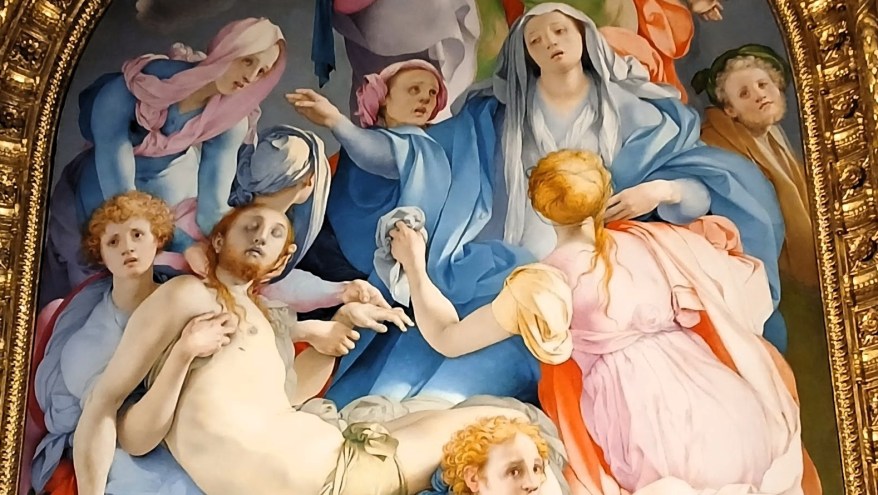
La Deposizione del Pontormo: il capolavoro dell’artista
🇮🇹Ti coinvolge. Ti mette a disagio. Ti costringe a sentire. E’ la Deposizione dalla Croce, dipinta da Jacopo Pontormo tra il 1525 e il 1528 per la Cappella Capponi… 🇬🇧It draws you in. It makes you uncomfortable. It forces you to feel. It’s the Deposition from the Cross, painted by Jacopo Pontormo between 1525 and…
-
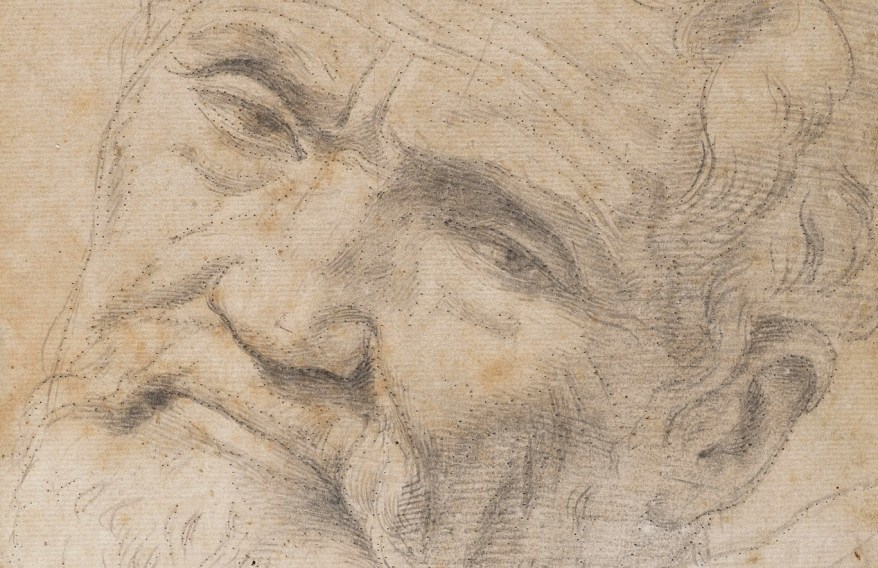
Non chiamatelo Braghettone: il 4 aprile del 1566 muore Daniele da Volterra, l’artista che salvò il Giudizio Universale
🇮🇹Braghettone? No, molto di più. Il 4 aprile 1566 moriva Daniele da Volterra, il mio allievo più fedele, l’uomo che mi rimase accanto fino all’ultimo respiro e che salvò il mio Giudizio Universale dalla distruzione… 🇬🇧Braghettone? No, much more. On April 4, 1566, Daniele da Volterra died, my most faithful student, the man who remained…
-
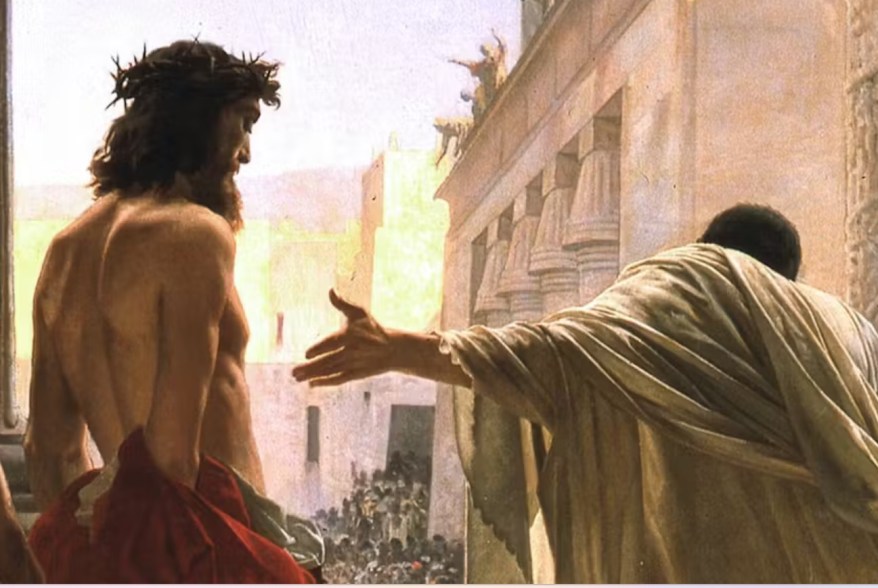
Venerdì Santo: gli “Ecce Homo” più intensi della storia dell’arte
🇮🇹Ecce Homo. Da Antonello da Messina a Tintoretto, fino al sorprendente capolavoro di Antonio Ciseri, questo soggetto ha attraversato i secoli raccontando dolore, umanità e coscienza… 🇬🇧Ecce Homo. From Antonello da Messina to Tintoretto, to Antonio Ciseri’s astonishing masterpiece, this subject has spanned the centuries, recounting pain, humanity, and conscience…
Condividi:


Questo sono io





sostienici

Sostienici – Support Us
Se questo blog ti piace e ti appassiona, puoi aiutarci a farlo crescere sempre più sostenendoci in modo concreto condividendo i post, seguendo le pagine social e con un contributo che ci aiuta ad andare avanti con il nostro lavoro di divulgazione. . ENGLISH: If you like and are passionate about this blog, you can help us make it grow more and more by supporting us in a concrete way by sharing posts, following social pages and with a contribution that helps us to move forward with our dissemination work.
€10,00


1 commento »