
Rembrandt: solfuro di arsenico per ottenere riflessi scintillanti nella Ronda di Notte
Rembrandt adoperò pigmenti di solfuro di arsenico nel suo celeberrimo dipinto “La ronda di notte”, capolavoro dipinto a olio su tela dipinto a olio su tela nel 1642 e custodito nelle sale del Rijksmuseum di Amsterdam.
Questo è quanto è emerso dalle indagini effettuate da un gruppo di ricerca che ha analizzato il dipinto. Dalle loro indagini è venuto alla luce che Rembrandt, per simulare i riflessi dorati sul farsetto indossato dal tenente Willem van Ruytenburch, una delle figure principali, adoperò proprio questo tipo di pigmenti non certo benefici per la salute.

L’indagine del Rijksmuseum condotta a partire dal 2019 in concomitanza con l’Università di Amsterdam, ha evidenziato il fatto che Rembrandt fosse riuscito a creare l’illusione della presenza di un filo d’oro nel ricamo del farsetto del tenente Willem van Ruytenburch. Il tenente è la figura abbigliata di giallo che si trova al entro dell’opera.
“Pensavamo che Rembrandt avesse utilizzato pigmenti naturali di solfuro di arsenico, come l’orpimento (giallo) e il realgar (rosso) per l’effetto dorato degli occhi del tenente van Ruytenburch – ha affermato Fréderique Broers – ma l’applicazione di tecniche di spettroscopia, microscopia e raggi X ad alta tecnologia a due campioni ottenuti nel 2019 ha rivelato la presenza di altri due componenti. Fu fatto durante la cosiddetta Operazione Ronda di Notte, e trovarono “pararrejalgar [formato come un’alterazione di realgar], per il giallo, e pararrejalgar semi-morfico, per l’arancione/rosso. Il secondo deve essere stato ottenuto riscaldando o arrostendo il primo, ottenendo quello che chiamiamo solfuro di arsenico artificiale”.
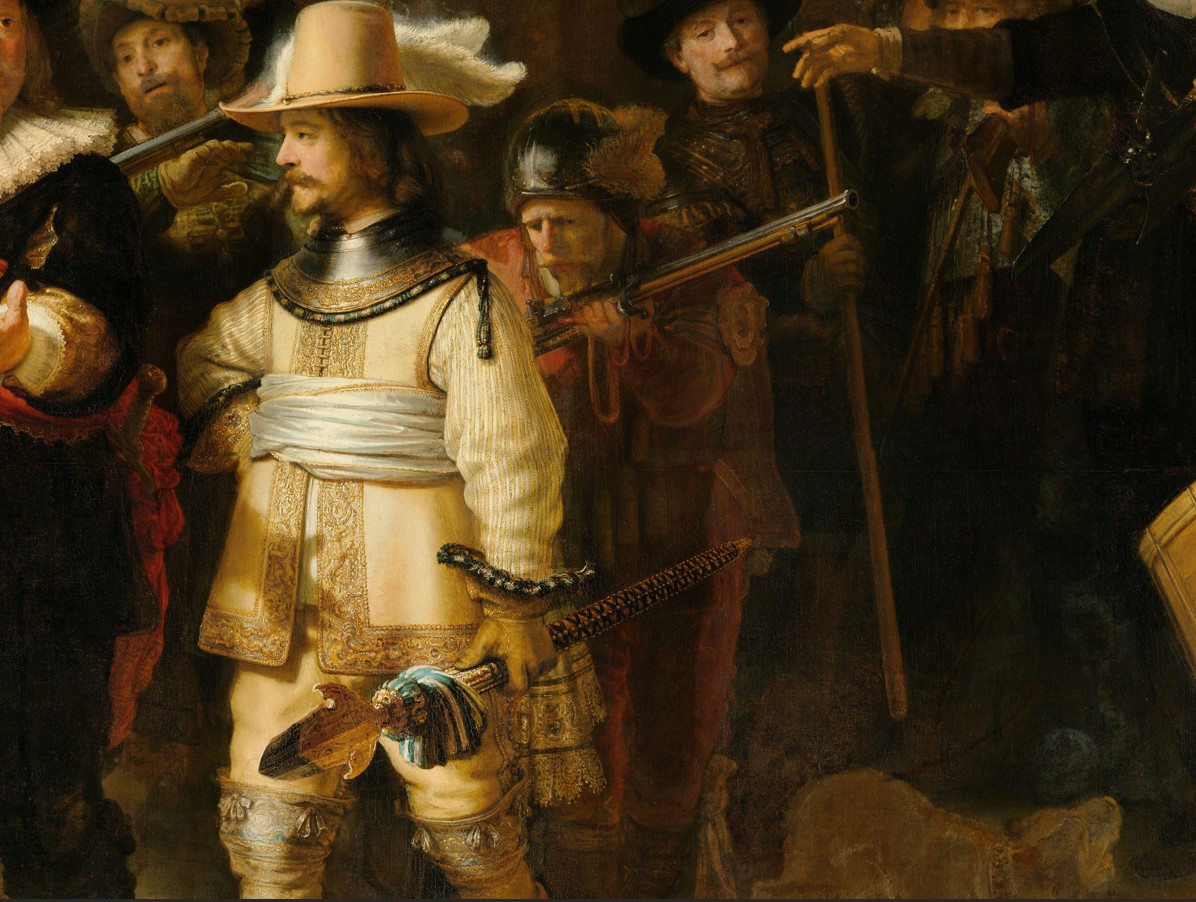
In quel periodo storico i pigmenti di arsenico venivano usati per frutti e fiori nelle nature morte. Questa scoperta indica che Rembrandt innovò utilizzando qualcos’altro per i ritratti, aggiungendo alla propria tavolozza materiali che fino al momento non si pensava potessero essere usati dagli artisti del Seicento ad Amsterdam.
Al momento non è chiaro se Rembrandt abbia acquistato la miscela di rosso e giallo ora scoperta già pronta, o se l’abbia realizzata nel suo laboratorio. I Paesi Bassi non dispongono di risorse minerarie significative e gli studiosi ritengono sia possibile fossero arrivate mediante rotte commerciali in territorio tedesco, a Vienna e Venezia, e che l’artista potesse acquistarli direttamente ad Amsterdam.

Per il momento il sempre vostro Michelangelo Buonarroti vi saluta dandovi appuntamento ai prossimi post e sui social.
Rembrandt: Arsenic Sulfide to Obtain Sparkling Reflections in The Night Watch
Rembrandt used arsenic sulfide pigments in his famous painting “The Night Watch”, a masterpiece painted in oil on canvas in 1642 and kept in the rooms of the Rijksmuseum in Amsterdam.
This is what emerged from the investigations carried out by a research group that analyzed the painting. From their investigations it came to light that Rembrandt, to simulate the golden reflections on the doublet worn by Lieutenant Willem van Ruytenburch, one of the main figures, used precisely this type of pigments that are certainly not beneficial to health.
The investigation by the Rijksmuseum conducted since 2019 in conjunction with the University of Amsterdam, highlighted the fact that Rembrandt had managed to create the illusion of the presence of a gold thread in the embroidery of Lieutenant Willem van Ruytenburch’s doublet. The lieutenant is the figure dressed in yellow in the middle of the work.
“We thought that Rembrandt had used natural arsenic sulfide pigments, such as orpiment (yellow) and realgar (red) for the golden effect of Lieutenant van Ruytenburch’s eyes,” said Fréderique Broers, “but the application of high-tech spectroscopy, microscopy and X-ray techniques to two samples obtained in 2019 revealed the presence of two other components. It was done during the so-called Operation Night Watch, and they found “pararrejalgar [formed as an alteration of realgar], for the yellow, and semi-morphic pararrejalgar, for the orange/red. The latter must have been obtained by heating or roasting the former, resulting in what we call artificial arsenic sulfide.”
At that time, arsenic pigments were used for fruits and flowers in still lifes. This discovery indicates that Rembrandt innovated by using something else for portraits, adding materials to his palette that until now were not thought to be used by 17th-century artists in Amsterdam.
It is currently unclear whether Rembrandt purchased the newly discovered mixture of red and yellow ready-made, or whether he made it in his laboratory. The Netherlands does not have significant mineral resources and scholars believe it is possible that they arrived via trade routes in Germany, Vienna and Venice, and that the artist could have purchased them directly in Amsterdam.
For the time being, your ever Michelangelo Buonarroti bids you farewell, inviting you to the next posts and on social media.

Sostienici – Support Us
Se questo blog ti piace e ti appassiona, puoi aiutarci a farlo crescere sempre più sostenendoci in modo concreto condividendo i post, seguendo le pagine social e con un contributo che ci aiuta ad andare avanti con il nostro lavoro di divulgazione. . ENGLISH: If you like and are passionate about this blog, you can help us make it grow more and more by supporting us in a concrete way by sharing posts, following social pages and with a contribution that helps us to move forward with our dissemination work.
10,00 €
-
Come se la giustizia negata in vita possa compiersi altrove
🇮🇹Se davvero l’anima, una volta sciolta dal corpo, ritorna sulla terra per vivere ancora, così mi domando, quale sorte attende chi oggi appare tanto bella ai miei occhi, ma così crudele nel cuore? 🇬🇧If the soul, once freed from the body, truly returns to earth to live again, I ask myself, what fate awaits the…
-
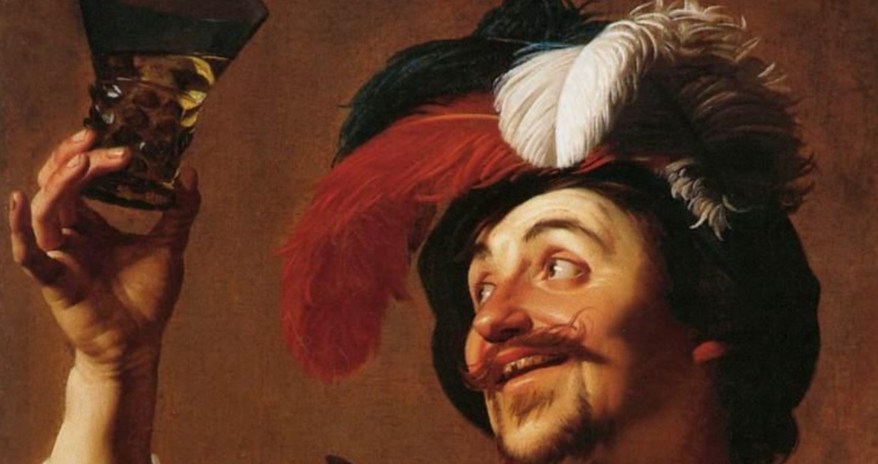
Quel sorriso del violinista felice di Gerrit van Honthorst
🇮🇹Un brindisi, un sorriso, una luce che taglia il buio. Conoscete il dipinto del violinista felice con un bicchiere di vino (1624) di Gerrit van Honthorst?… 🇬🇧A toast, a smile, a light that cuts through the darkness. Are you familiar with the painting of the Happy Violinist with a Glass of Wine (1624) by Gerrit…
-
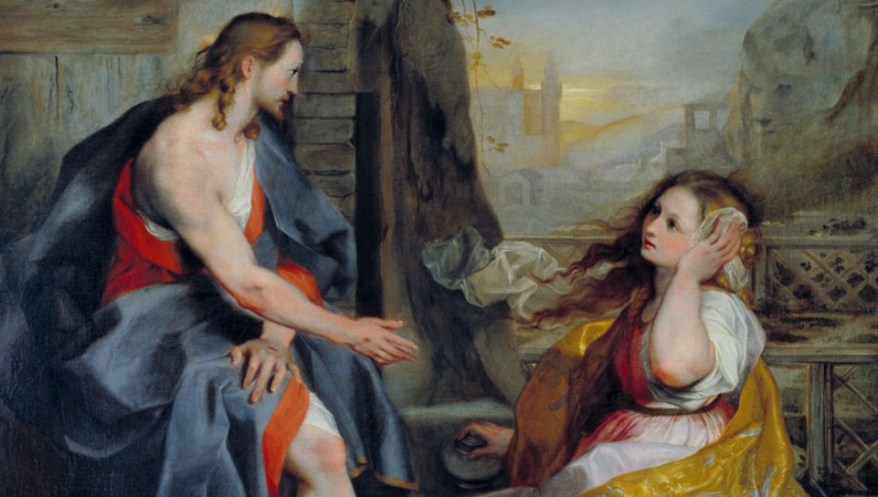
Noli me tangere di Federico Barocci: il capolavoro agli Uffizi che racconta l’incontro più emozionante dopo la Resurrezione
🇮🇹Nel Noli me tangere di Federico Barocci Maria Maddalena riconosce Cristo risorto e prova a toccarlo. Ma lui la ferma… 🇬🇧In Federico Barocci’s Noli Me Tangere, Mary Magdalene recognizes the risen Christ and tries to touch him. But he stops her…
Condividi:


Questo sono io





sostienici

Sostienici – Support Us
Se questo blog ti piace e ti appassiona, puoi aiutarci a farlo crescere sempre più sostenendoci in modo concreto condividendo i post, seguendo le pagine social e con un contributo che ci aiuta ad andare avanti con il nostro lavoro di divulgazione. . ENGLISH: If you like and are passionate about this blog, you can help us make it grow more and more by supporting us in a concrete way by sharing posts, following social pages and with a contribution that helps us to move forward with our dissemination work.
€10,00


