
Il mio ritratto quando avevo 47 anni
Questo che vi propongo è un dipinto che mi ritrae all’età di quarantasette anni, attribuito a Baccio Bandinelli.
L’opera fu menzionata per la prima volta nel 1727 ed era ubicata all’interno della pinacoteca del duca d’Orléans al Palais Royal. Fu poi esposto nella residenza di Saint-Cloud e, assieme ad altre opere, entrò a far parte della collezione reale in seguito all’acquisizione del castello per Maria Antonietta, nel 1785.
Quando poi la collezione reale fu nazionalizzata, passò alla collezione del Louvre che tutt’oggi ne è proprietaria. Entrò al Louvre con la nazionalizzazione della collezione reale.
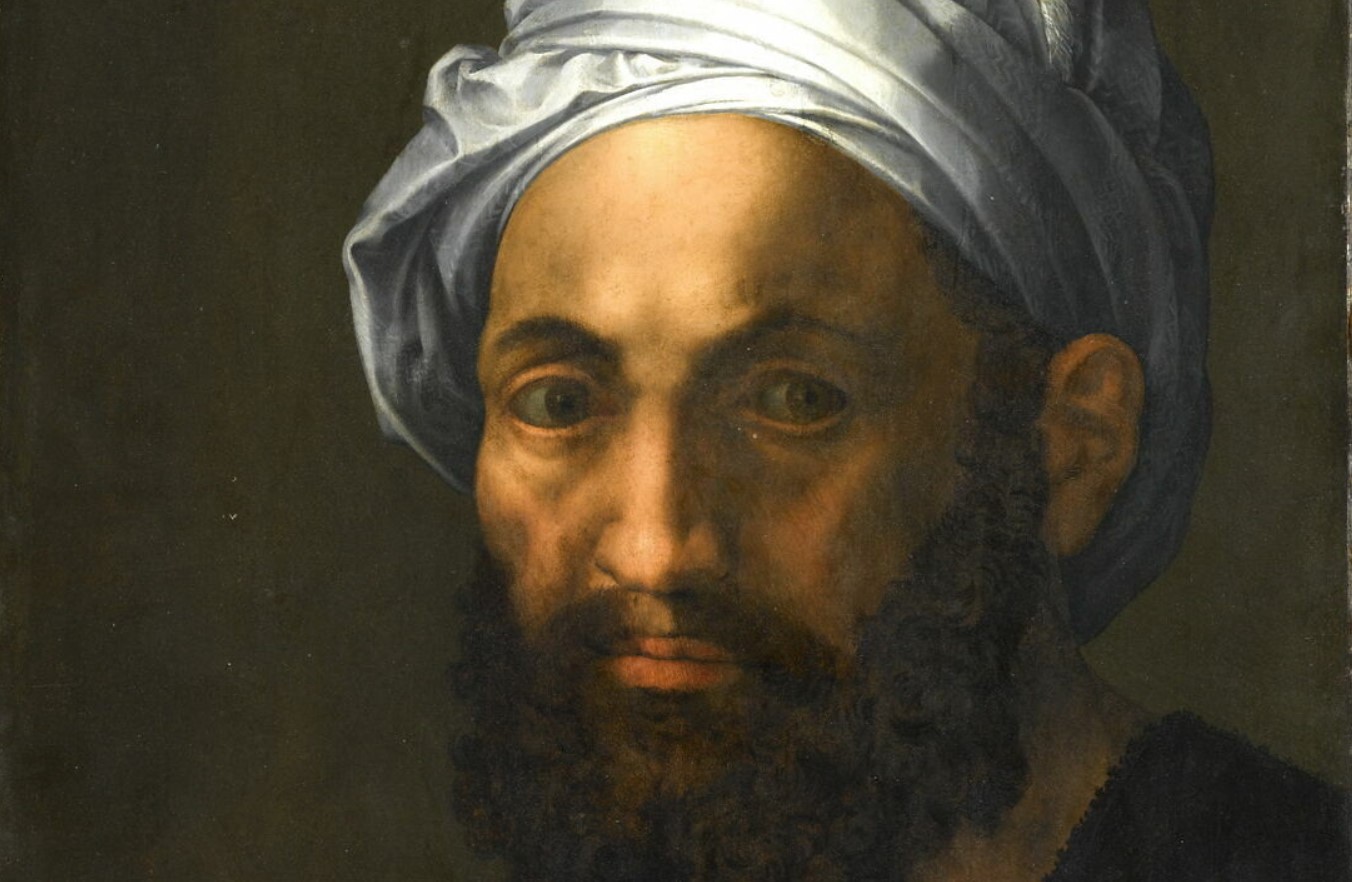
Quando fu citata la sua presenza nella collezione Orléans, venne attribuito a Sebastiano del Piombo. Negli anni a seguire fu attribuito a diversi artisti: da Raffaello a Giuliano Bugiardini e non fu escluso in un certo momento che potesse essere addirittura un autoritratto.
Il Museo del Louvre dispone anche di un disegno che sembra proprio quello preparatorio dell’opera, identico all’effigie poi dipinta.
L’esame scientifico del dipinto effettuato non ha rilevato alcuna traccia di trasferimento, impossibile da trovare anche su carta ma esiste uno stretto legame tra il disegno e il dipinto.
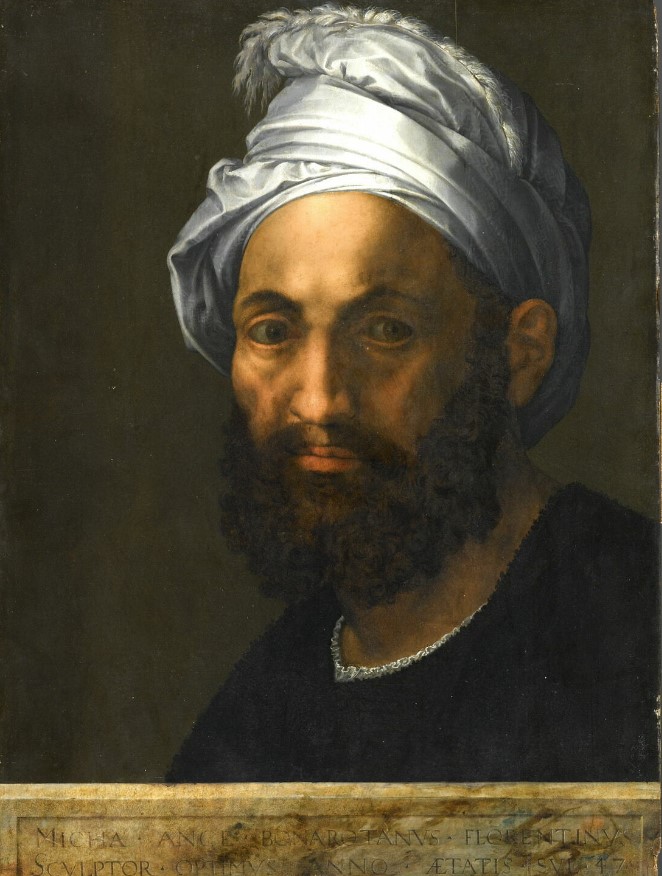
Nel dipinto si vede nella parte più alta del capo che il turbante conserva una piccola escrescenza identica a quella disegnata con il gesso nero sul foglio del Louvre.
Al momento questo dipinto è stato attribuito al Bandinelli e, visto il rancore reciproco che scorreva fra di noi, immagino fosse un’opera su commissione.
Figuriamoci se avrebbe mai pensato di sua spontanea volontà di ritrarmi.
Per il momento il sempre vostro Michelangelo Buonarroti vi saluta dandovi appuntamento ai prossimi post e sui social.
My portrait when I was 47 years old
What I propose to you is a painting that portrays me at the age of forty-seven, attributed to Baccio Bandinelli.
The work was first mentioned in 1727 and was located inside the art gallery of the Duke of Orléans at the Palais Royal. It was then exhibited in the residence of Saint-Cloud and, together with other works, became part of the royal collection following the acquisition of the castle for Marie Antoinette in 1785.
When the royal collection was nationalized, it passed to the Louvre collection which still owns it today. It entered the Louvre with the nationalization of the royal collection.
When its presence in the Orléans collection was mentioned, it was attributed to Sebastiano del Piombo. In the following years it was attributed to various artists: from Raphael to Giuliano Bugiardini and it was not ruled out at a certain point that it could even be a self-portrait.
The Louvre Museum also has a drawing that appears to be the preparatory one for the work, identical to the effigy later painted.
The scientific examination of the painting carried out did not reveal any trace of transfer, impossible to find even on paper but there is a close link between the drawing and the painting.
In the painting we can see in the highest part of the head that the turban retains a small growth identical to the one drawn with black chalk on the sheet in the Louvre.
At the time this painting was attributed to Bandinelli and given the mutual rancor that flowed between us. I imagine it was a commissioned work.
Imagine if he would ever have thought of his own free will to portray me.
For the moment, your always Michelangelo Buonarroti greets you and will meet you in the next posts and on social media.

Sostienici – Support Us
Se questo blog ti piace e ti appassiona, puoi aiutarci a farlo crescere sempre più sostenendoci in modo concreto condividendo i post, seguendo le pagine social e con un contributo che ci aiuta ad andare avanti con il nostro lavoro di divulgazione. . ENGLISH: If you like and are passionate about this blog, you can help us make it grow more and more by supporting us in a concrete way by sharing posts, following social pages and with a contribution that helps us to move forward with our dissemination work.
10,00 €
-
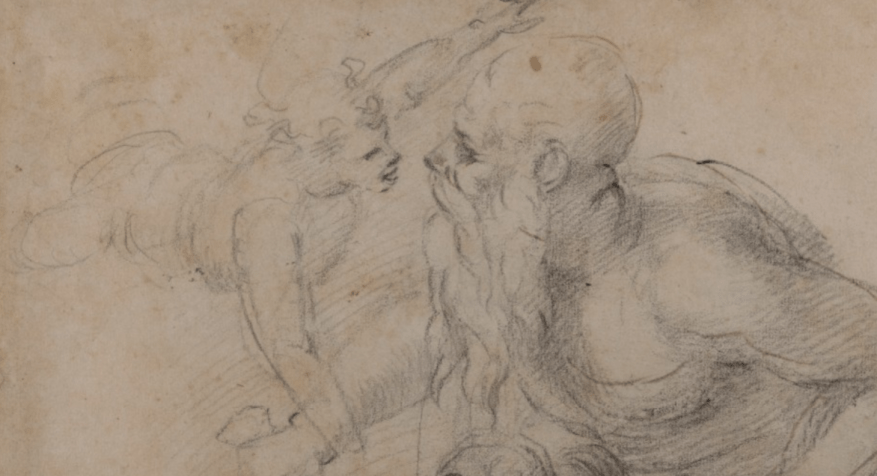
Il Sacrificio di Isacco e quel momento tra la vita e la morte
🇮🇹Oggi voglio raccontarvi alcuni dettagli sul mio disegno del Sacrificio di Isacco, conservato oggi a Casa Buonarroti. Su quel foglio volli tracciare il momento preciso in cui la paura fa spazio al miracolo… 🇬🇧Today I want to tell you some details about my drawing of the Sacrifice of Isaac, now preserved at Casa Buonarroti. On…
-
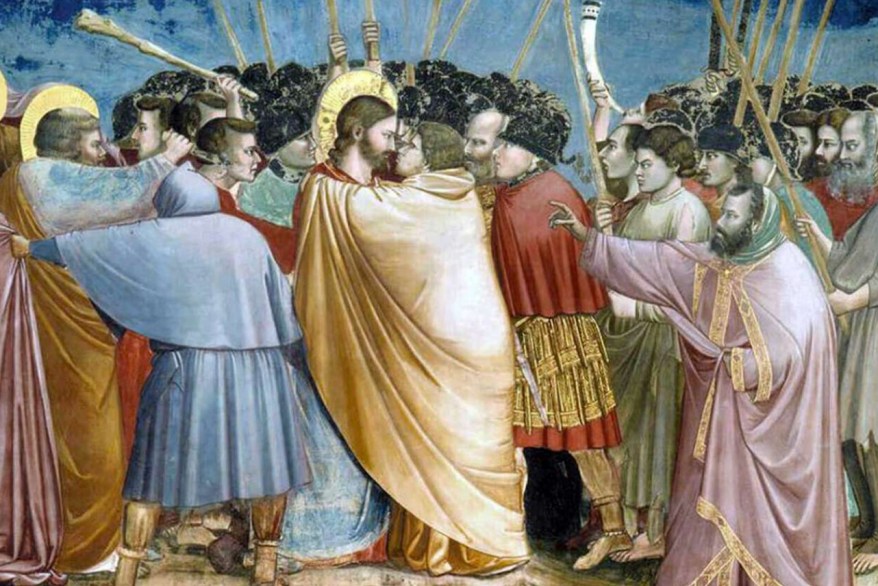
Mercoledì Santo: il giorno del tradimento di Giuda affrescato da Giotto
🇮🇹Il Mercoledì Santo è il giorno del silenzio, della riflessione e del tradimento. È il momento in cui Giuda sceglie di vendere Gesù per trenta denari, segnando uno dei passaggi più dolorosi della Settimana Santa…. 🇬🇧Holy Wednesday is a day of silence, reflection, and betrayal. ✝It is the moment when Judas chooses to sell Jesus…
-
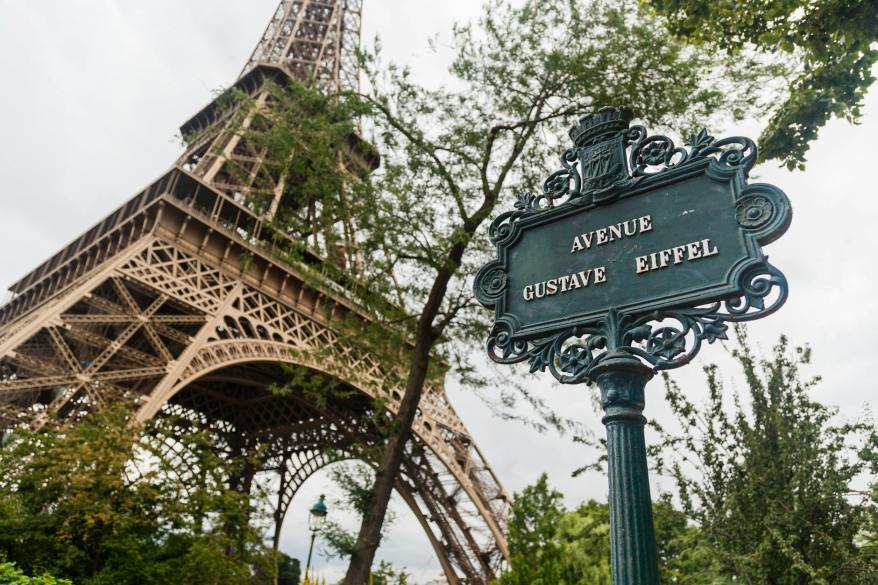
31 marzo 1889: inaugurata la Torre Eiffel tra critiche feroci e un destino inaspettato
🇮🇹Il 31 marzo 1889 segna una data destinata a cambiare per sempre il volto di Parigi e dell’immaginario collettivo globale: viene inaugurata la Torre Eiffel, l’opera più audace e discussa del suo tempo… 🇬🇧March 31, 1889 marks a date destined to change the face of Paris and the global collective imagination forever: the Eiffel Tower,…
Condividi:


Questo sono io





sostienici

Sostienici - Support Us
Se questo blog ti piace e ti appassiona, puoi aiutarci a farlo crescere sempre più sostenendoci in modo concreto condividendo i post, seguendo le pagine social e con un contributo che ci aiuta ad andare avanti con il nostro lavoro di divulgazione. . ENGLISH: If you like and are passionate about this blog, you can help us make it grow more and more by supporting us in a concrete way by sharing posts, following social pages and with a contribution that helps us to move forward with our dissemination work.
€10,00


