
Il Getty Museum dovrà restituire all’Italia l’Atleta di Lisippo e altre 15 opere
L’Atleta in bronzo di Lisippo custodito presso i Getty Museum dovrà tornare in Italia al più presto assieme ad altre 15 opere greche.
Questo è quanto è stato stabilito ieri dalla sentenza della Corte Europea dei Diritti Umani.

La controversia ha avuto inizio nel 2019 con il ministro dell cultura Bonisoli che chiese al Getty Museum di riavere indietro l’Atleta vittorioso attribuito a Lisippo perchè uscito dai confini nazionali in modo improprio. La richiesta fu inoltrata dopo una sentenza della Corte di Cassazione che aveva stabilito nel 2018 la proprietà italiana dell’opera. Il museo però si rifiutò di restituire il capolavoro bronzeo e il Ministero fece ricorso alla Corte di Strasburgo.
L’Atleta vittorioso, noto anche con il nome di Atleta di Fano che si incorona, è una scultura in bronzo a grandezza naturale la cui realizzazione è stata datata fra il IV e il II secolo avanti Cristo.
Su base stilistica è stata attribuita a Lisippo e fu rinvenuta per caso. Fu infatti pescata da un peschereccio nel Mare Adriatico, al largo di Fano il 14 agosto del 1964.

Nel 1977 fu acquisita dal Getty Museum in circostanze poco chiare per 4milioni di dollari e divenne fin da subito uno dei pezzi di punta del museo statunitense.
Dopo anni di diatribe, la Corte Europea dei Diritti Umani ha stabilito che il Getty Museum si sia comportanto “in maniera negligente o non in buona fede nel comprare la statua nonostante fosse a conoscenza delle richieste avanzate dallo Stato italiano e degli sforzi intrapresi per il suo recupero”.
La diatriba potrebbe non ancora essere giunta al termine. Le due parti hanno la possibilità di richiedere per i prossimi tre mesi il riesame alla Grande Camera della Corte Europea, ovvero alla corte d’appello europea.

La storia ancora non è finita: ora le parti hanno tre mesi per chiedere che il caso venga esaminato dalla Grande Camera della Corte europea (che funge da corte d’appello) per la decisione definitiva.
Per il momento il sempre vostro Michelangelo Buonarroti vi saluta dandovi appuntamento ai prossimi post e sui social.
The Getty Museum will have to return Lysippus’ Athlete and 15 other works to Italy
The bronze Athlete of Lysippos kept at the Getty Museum will have to return to Italy as soon as possible together with 15 other Greek works.
This is what was established yesterday by the ruling of the European Court of Human Rights.
The controversy began in 2019 with the Minister of Culture Bonisoli who asked the Getty Museum to get back the Victorious Athlete attributed to Lysippos because it left the national borders in an improper way. The request was forwarded after a ruling by the Court of Cassation which established the Italian ownership of the work in 2018. However, the museum refused to return the work and the Ministry appealed to the Court of Strasbourg.
The victorious Athlete, also known as the Crowning Athlete of Fano, is a life-size bronze sculpture whose creation has been dated between the 4th and 2nd centuries BC.
On a stylistic basis it has been attributed to Lysippos and was found by chance. It was in fact caught by a fishing boat in the Adriatic Sea, off the coast of Fano on 14 August 1964. In 1977 it was acquired by the Getty Museum in unclear circumstances for 4 million dollars and immediately became one of the flagship pieces of the American museum.
After years of controversy, the European Court of Human Rights ruled that the Getty Museum behaved “negligently or not in good faith in purchasing the statue despite being aware of the requests made by the Italian State and the efforts undertaken for its recovery”.
The ordeal may not yet be over. The two parties have the possibility to request a review from the Grand Chamber of the European Court, or the European Court of Appeal, for the next three months.
The story is not over yet: now the parties have three months to request that the case be examined by the Grand Chamber of the European Court (which acts as a court of appeal) for the final decision.
For the moment, your always Michelangelo Buonarroti greets you and will meet you in the next posts and on social media.

Sostienici – Support Us
Se questo blog ti piace e ti appassiona, puoi aiutarci a farlo crescere sempre più sostenendoci in modo concreto condividendo i post, seguendo le pagine social e con un contributo che ci aiuta ad andare avanti con il nostro lavoro di divulgazione. . ENGLISH: If you like and are passionate about this blog, you can help us make it grow more and more by supporting us in a concrete way by sharing posts, following social pages and with a contribution that helps us to move forward with our dissemination work.
8,00 €
-
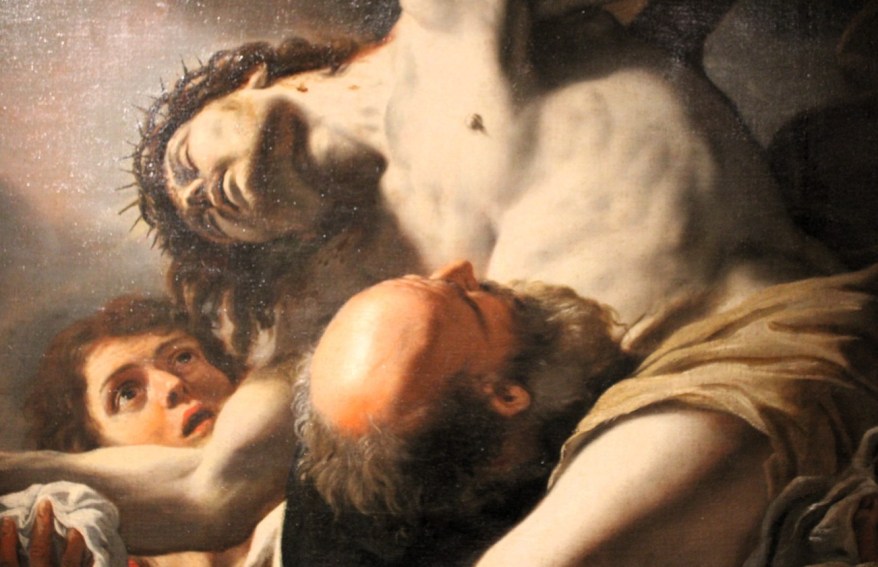
La Deposizione dalla Croce di Mattia Preti: il dramma diventa luce
🇮🇹Mattia Preti dipinse La Deposizione dalla Croce nel pieno della maturità riuscendo a trasformare il dramma sacro in qualcosa di profondamente umano… 🇬🇧Mattia Preti painted The Deposition from the Cross at the height of his maturity, managing to transform the sacred drama into something profoundly human…
-
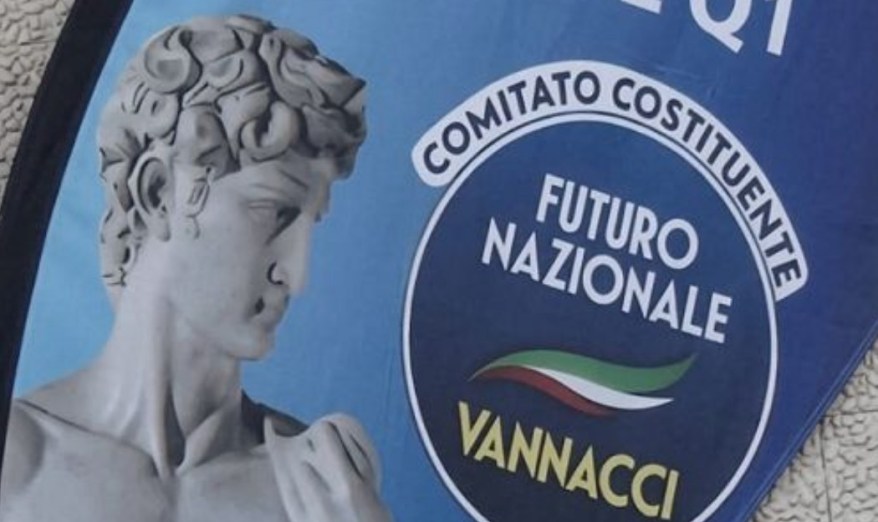
Il mio David utilizzato per propaganda politica
🇮🇹Il David finisce su manifesti politici senza autorizzazione. La Galleria dell’Accademia interviene sulla questione asserendo di non aver dato alcuna autorizzazione… 🇬🇧The David ends up on political posters without authorization. The Accademia Gallery intervenes on the issue, claiming it did not give any authorization..
-
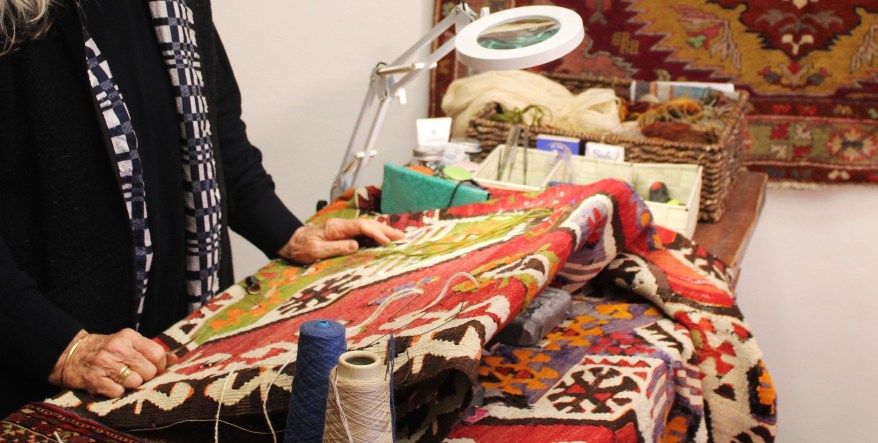
Restauro tappeti d’arte a Pietrasanta: tradizione e segreti di un laboratorio centenario
🇮🇹Il fascino dei tappeti d’arte prende vita a Pietrasanta. Venite con me nel laboratorio di “Restauro Tappeti d’Arte” di Orna Bachar e Benedetto Bumaguin, dove ogni tappeto antico è una vera opera d’arte… 🇬🇧The charm of artistic carpets comes to life in Pietrasanta. Come with me to Orna Bachar and Benedetto Bumaguin’s “Artistic Carpet Restoration”…
Condividi:


Questo sono io





sostienici

Sostienici - Support Us
Se questo blog ti piace e ti appassiona, puoi aiutarci a farlo crescere sempre più sostenendoci in modo concreto condividendo i post, seguendo le pagine social e con un contributo che ci aiuta ad andare avanti con il nostro lavoro di divulgazione. . ENGLISH: If you like and are passionate about this blog, you can help us make it grow more and more by supporting us in a concrete way by sharing posts, following social pages and with a contribution that helps us to move forward with our dissemination work.
€10,00


