

Il dipinto del giorno: Vanità di Cowper, l’ultimo dei Preraffaelliti
Il dipinto del giorno che voglio proporvi oggi è Vanità, un dipinto a olio su tavola realizzato nel 1907 da Frank Cadogan Cowper, l’ultimo dei Preraffaelliti e presto in mostra a Forlì.
L’artista tanto amò quest’opera che se ne separò con molta difficoltà, arrivando a cedere l’opera per poi riacquistarla pagandola profumatamente per poi cederla una seconda volta prima di morire.
Frank Cardogn Cowper, volle in questo suo raffinato lavoro mettere assieme allusioni alla pittura rinascimentale e preraffaellita per mettere in guardia gli spettatori dall’eccessiva cura di sè stessi in cui può sfociare una vanità senza limiti.
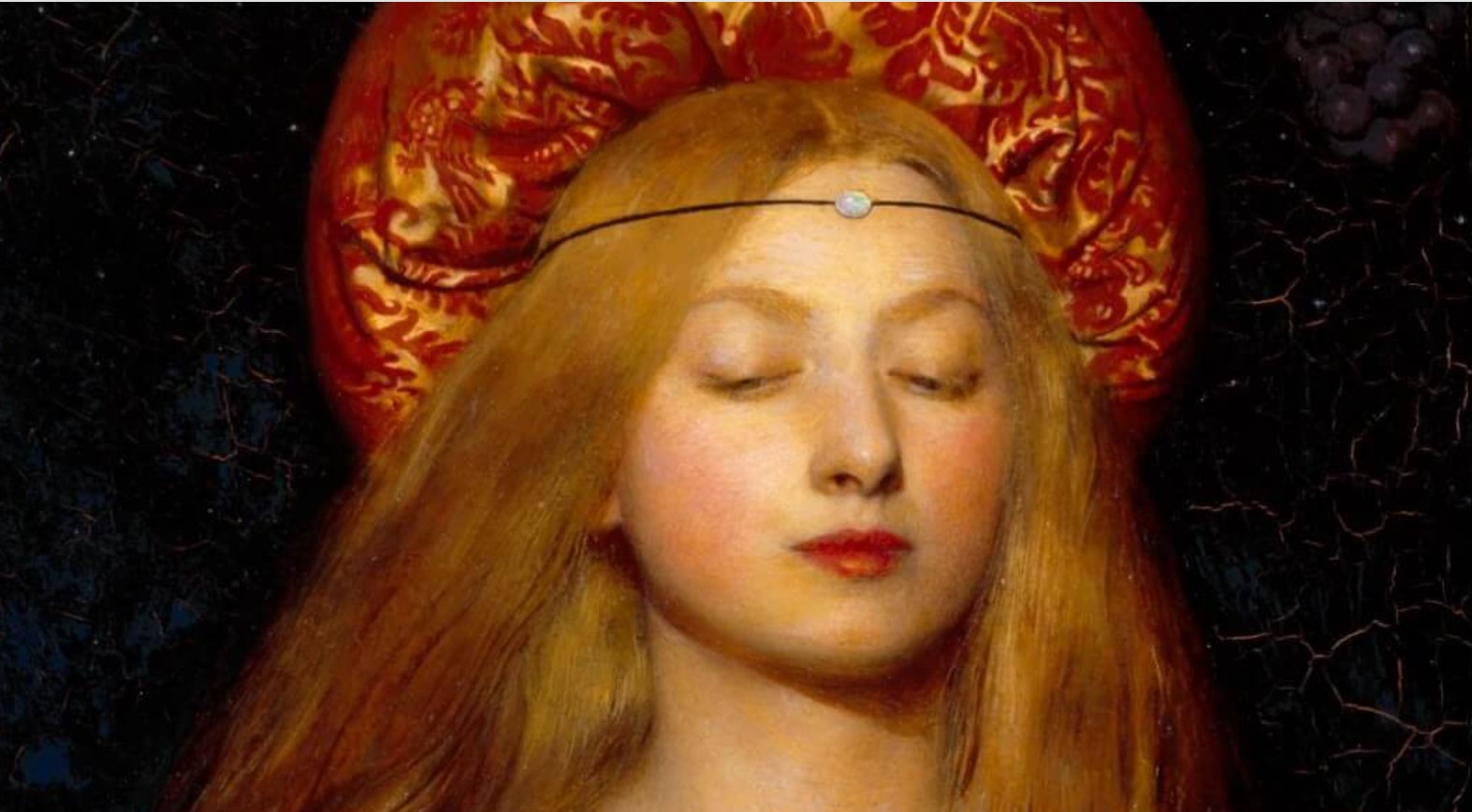
Il titolo del dipinto fa esplicito riferimento al genere pittorico noto come vanitas, molto in voga fra il Cinquecento e il Seicento. Riferibile in origine soprattutto alle nature morte, i dipinti di vanitas miravano a ricordare a chi li osservava la fugacità dei beni terreni e quanto fosse grande il loro senso di effimero. Il termine vanitas era ripreso dal leit motiv che si trova in diversi passi della Bibbia che ricorda che “tutto è vanità”.
In questo caso Cowper, dipingendo la giovane donna abbigliata con vesti lussuose, con i suoi gioielli, lo specchio in mano simbolo proprio della vanità e il grappolo di uva nera matura che si intravede sullo sfondo, a sinistra, che il tempo passerà e consumerà tutto.
Farà appassire la bellezza della giovane e l’uva marcirà.

Nel corso degli anni non è stato possibile identificare la giovane ritratta dal vero dal pittore inglese.
I suoi capelli rossi lunghi riportano con la mente le modelle tanto amate dalla Confraternita preraffaellita come quelle di Dante Gabriel Rosetti e John Everett Milliais, vissuti un secolo prima.
Negli anni novanta del Novecento la poetessa Frances Sackett volle scrivere una poesia mettendosi nei panni della modella che posò per Cowper. Volle immaginarsela stupita del fatto che l’artista volle sceglierla come simbolo della vanità: “E così lui mi chiama ‘Vanità’ / E mi fa sentire la colpa di tutti / La sua osservazione”.
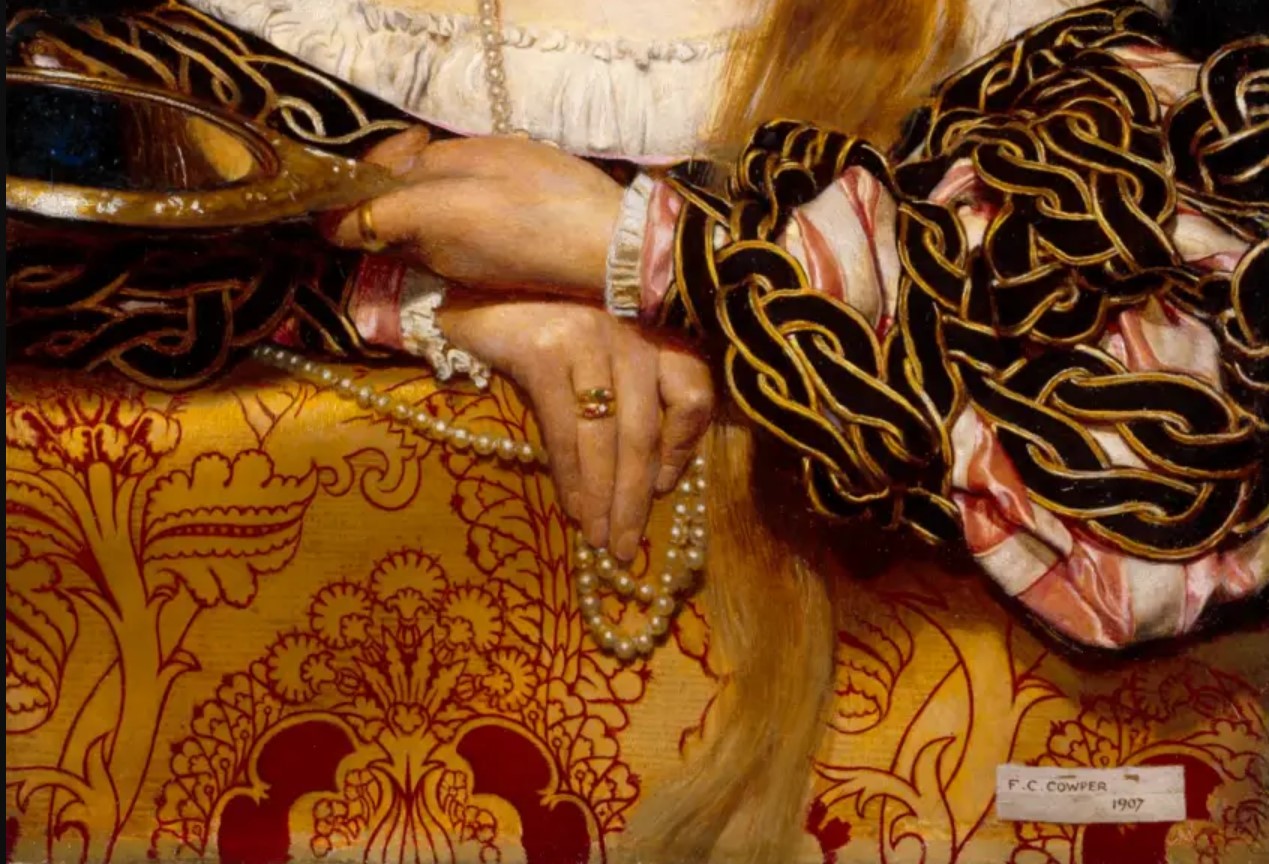
Gli abiti e i gioielli mostrati dalla giovane sono un insieme di influenze storiche e contemporanee. Per esempio sia la manifattura dello specchio in argento che il filo di perle portato in quel modo sono tipici della moda degli inizi del Novecento mentre porta sul capo quella che viene chiamata ferronière ovvero il nastro in cuoio con al centro una perla: un accessorio tipico delle dame del Quattrocento.
Il ricco vestito è ripreso dal dipinto in cui Giulio Romano volle ritrarre Margherita Paleologo, custodito nella Royal Collection.
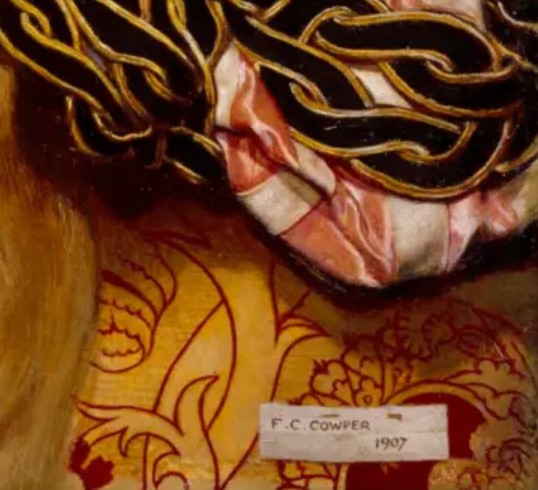
Frank Cadogan Cowper dipinse quest’opera all’inizio della sua carriera e ottenne subito un successo incredibile da parte dell critica quando la espose alla Royal Academy.
Il mercante d’arte Joseph Duveen volle acquistare l’opera ma l’artista tanto era legato al suo capolavoro che nel 1921 preferì ricomprarlo.
Anni dopo scelse a malincuore di donare l’opera alla Royal Academy sapendo bene che sarebbe stata una preziosa eredità per le generazioni future.
Se volete apprezzare quest’opera con i vostri occhi dovete andare a Londra e visitare la Royal Academy oppure attendere l’apertura della mostra dedicata ai preraffaelliti presso il Museo Civico San Domenico Forlì, dal 24 febbraio al 30 giugno 2024. Vanità di Cowper sarà proprio una delle opere protagonista dell’esposizione. Ve ne ho parlato QUA.
Per il momento il vostro Michelangelo Buonarroti vi saluta dandovi appuntamento ai prossimi post e sui social.


Sostienici – Support Us
Se questo blog ti piace e ti appassiona, puoi aiutarci a farlo crescere sempre più sostenendoci in modo concreto condividendo i post, seguendo le pagine social e con un contributo che ci aiuta ad andare avanti con il nostro lavoro di divulgazione. . ENGLISH: If you like and are passionate about this blog, you can help us make it grow more and more by supporting us in a concrete way by sharing posts, following social pages and with a contribution that helps us to move forward with our dissemination work.
8,00 €
Painting of the day: Vanity by Cowper, the last of the Pre-Raphaelites
The painting of the day that I want to propose to you today is Vanity, an oil on panel painting created in 1907 by Frank Cadogan Cowper, the last of the Pre-Raphaelites and soon on display in Forlì.
The artist loved this work so much that he parted with it with great difficulty, even selling the work and then buying it back, paying handsomely for it, and then selling it a second time before dying.
In this refined work, Franck Cardogn Cowper wanted to put together allusions to Renaissance and Pre-Raphaelite painting to warn viewers against excessive self-care which can lead to limitless vanity.
The title of the painting makes explicit reference to the pictorial genre known as vanitas, very popular between the sixteenth and seventeenth centuries. Originally referable above all to still lifes, vanitas paintings aimed to remind those who observed them of the fleeting nature of earthly goods and how great their sense of ephemerality was. The term vanitas was taken from the leitmotif found in various passages of the Bible which recalls that “all is vanity”.
In this case Cowper, painting the young woman dressed in luxurious clothes, with her jewels, the mirror in her hand symbolizing vanity and the bunch of ripe black grapes that can be glimpsed in the background, on the left, that time will pass and consume everything .
He will make the beauty of the young girl wither and the grapes will rot.
Over the years it has not been possible to identify the young woman portrayed from life by the English painter.
Her long red hair brings to mind the models so loved by the Pre-Raphaelite Brotherhood such as those of Dante Gabriel Rosetti and John Everett Milliais who lived a century before her.
In the 1990s, the poet Frances Sackett wanted to write a poem putting herself in the shoes of the model she posed for Cowper. She wanted to imagine her being amazed by the fact that the artist wanted to choose her as a symbol of vanity: “And so he calls me ‘Vanity’ / And it makes me feel everyone’s guilt / The observation of her”.
The clothes and jewels shown by the young woman are a mix of historical and contemporary influences. For example, both the manufacture of the silver mirror and the string of pearls worn in that way are typical of the fashion of the early twentieth century while wearing on the head what is called ferronière or the leather ribbon with a pearl in the center: a typical accessory of fifteenth-century ladies.
Her rich dress is taken from the painting in which Giulio Romano wanted to portray Margherita Paleologo, kept in the Royal Collection.
Frank Cadogan Cowper painted this work early in his career and it immediately achieved incredible critical success when he exhibited it at the Royal Academy.
The art dealer Joseph Duveen wanted to buy the work but the artist was so attached to his masterpiece that in 1921 he preferred to buy it back.
Years later he reluctantly chose to donate the work to the Royal Academy knowing full well that it would be a precious legacy for future generations.
If you want to appreciate this work with your own eyes you must go to London and visit the Royal Academy or wait for the opening of the exhibition dedicated to the Pre-Raphaelites at the San Domenico Forlì Civic Museum, from 24 February to 30 June 2024. Cowper’s Vanity will be one of the works featured in the exhibition. I told you about it HERE.
For the moment, your Michelangelo Buonarroti greets you and will meet you in future posts and on social media.
Sostienici – Support Us
Se questo blog ti piace e ti appassiona, puoi aiutarci a farlo crescere sempre più sostenendoci in modo concreto condividendo i post, seguendo le pagine social e con un contributo che ci aiuta ad andare avanti con il nostro lavoro di divulgazione. . ENGLISH: If you like and are passionate about this blog, you can help us make it grow more and more by supporting us in a concrete way by sharing posts, following social pages and with a contribution that helps us to move forward with our dissemination work.
8,00 €
-
Giovedì Santo: l’Ultima Cena di Allori che pochi conoscono a Firenze
🇮🇹Nel cuore di Museo di Santa Maria Novella, a Firenze, si conserva una delle interpretazioni più affascinanti e meno note dell’Ultima Cena: quella realizzata da Alessandro Allori nel 1584… 🇬🇧In the heart of the Santa Maria Novella Museum in Florence, one of the most fascinating and least-known interpretations of the Last Supper is preserved: the…
-
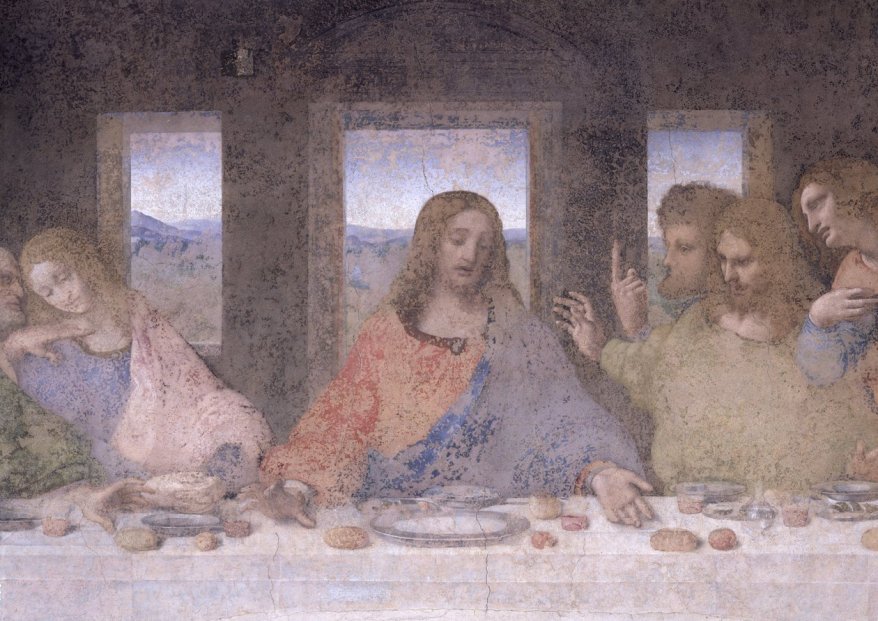
Cenacolo di Leonardo: i dettagli che raccontano il tradimento
🇮🇹Nel Cenacolo di Leonardo da Vinci, custodito a Santa Maria delle Grazie, Cristo annuncia il tradimento e il tempo si ferma… 🇬🇧In Leonardo da Vinci’s Last Supper, housed in Santa Maria delle Grazie, Christ announces the betrayal and time stands still…
-
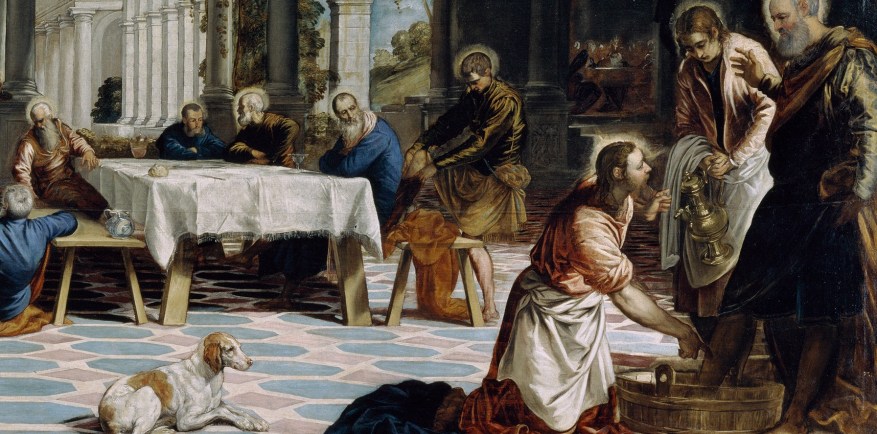
La Lavanda dei Piedi di Tintoretto: Il Capolavoro Veneziano al Prado
🇮🇹Tra i capolavori più affascinanti del Rinascimento veneziano, “La Lavanda dei Piedi” di Jacopo Tintoretto rappresenta un perfetto equilibrio tra spiritualità, innovazione compositiva e straordinaria forza narrativa… 🇬🇧Among the most fascinating masterpieces of the Venetian Renaissance, Jacopo Tintoretto’s “The Washing of the Feet” represents a perfect balance between spirituality, compositional innovation, and extraordinary narrative force…
Condividi:


Questo sono io





sostienici

Sostienici – Support Us
Se questo blog ti piace e ti appassiona, puoi aiutarci a farlo crescere sempre più sostenendoci in modo concreto condividendo i post, seguendo le pagine social e con un contributo che ci aiuta ad andare avanti con il nostro lavoro di divulgazione. . ENGLISH: If you like and are passionate about this blog, you can help us make it grow more and more by supporting us in a concrete way by sharing posts, following social pages and with a contribution that helps us to move forward with our dissemination work.
€10,00


eccezionale, in un certo senso precorre un certo lperrealismo
"Mi piace""Mi piace"