

Il Valentin de Boulogne sotto sequestro: l’esportazione illecita e il documento che ne prova l’attribuzione. Indagato il sottosegetario alla cultura Sgarbi
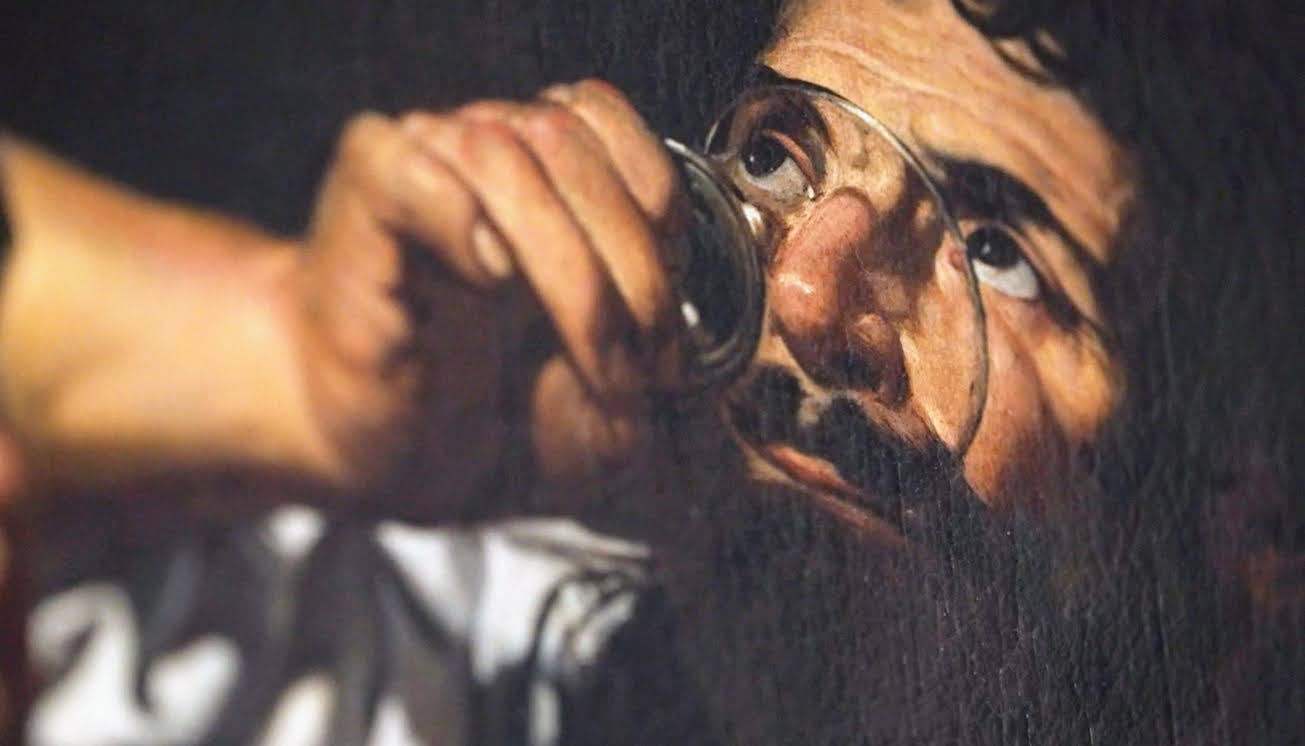
Il dipinto del Concerto con il bevitore realizzato nel Seicento da Valentin de Boulogne, stimato circa 5milioni di euro è al momento sotto sequestro per l’ipotesi di reato di esportazione illecita di opere d’arte.
Il dipinto era stato rintracciato nel 2021 a Montecarlo dai Carabinieri del Nucleo di Tutela dei Beni Culturali, dopo che aveva oltrepassato la frontiera italiana di Ventimiglia senza aver alcun permesso per poterlo fare.
Sulla vicenda sta indagando la procura di Imperia e al momento il principale indagato è Vittorio Sgarbi, sottosegretario alla cultura. Il sottosegretario difende la sua posizione sostenendo che l’opera in questione non sia l’originale ma una copia realizzata nel 1980.
Come è noto, per portare all’estero un’opera, è necessario ottenere il permesso rilasciato da un ufficio dei beni culturali senza il quale, chi esporta un bene simile all’estero, commette un reato penale condannato fino a 8 anni di reclusione e l’immediata confisca del bene esportato.
Il dipinto, sottoposto all’attenzione di Alessandro Bagnoli, funzionario storico dell’arte alla Soprintendenza di Siena e Grosseto dal 1980 al 2018, sembra essere invece proprio l’originale con tutte quelle accortezze stilistiche tipiche del Boulogne.

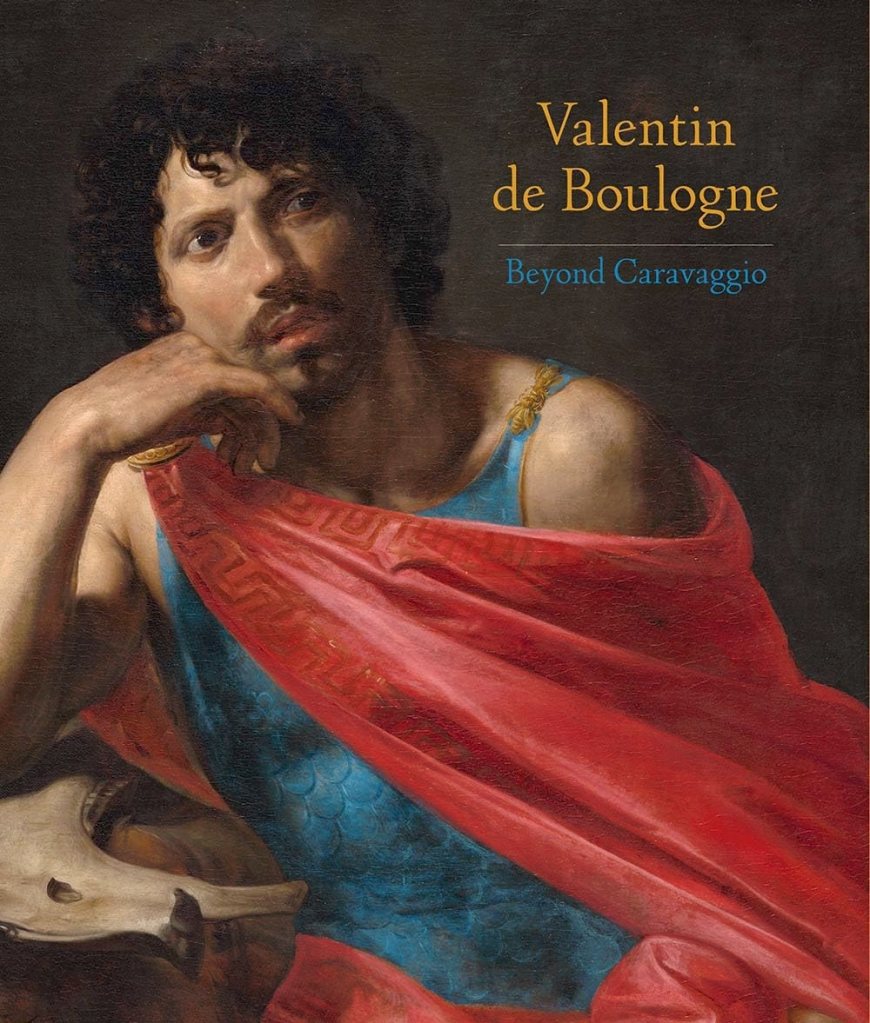
Valentin de Boulogne, pittore francese nato nel gennaio del 1591, è considerato a ragione uno dei più grandi caravaggeschi. Dopo aver ultimato l’apprendistato in terra francese, l’artista si trasferì a Roma nel 1612 e rimase affascinato dalla pittura caravaggesca che allora andva per la maggiore.
Giovanni Baglione, nel suo libro Le vite de’ pittori, scultori et architetti dal pontificato di Gregorio XIII del 1572 in fino a’ tempi di Papa Urbano Ottavo, scrisse di lui: “Non si deve passar con silenzio la memoria di Valentino Francese, il quale andaua imitando lo stile di Michelagnolo da Caravaggio, dal naturale ritrahendo. Faceua quest’huomo le sue pitture con buona maniera, e ben colorite a olio, e tocche con fierezza: e i colori a oglio ben’ impastava”.
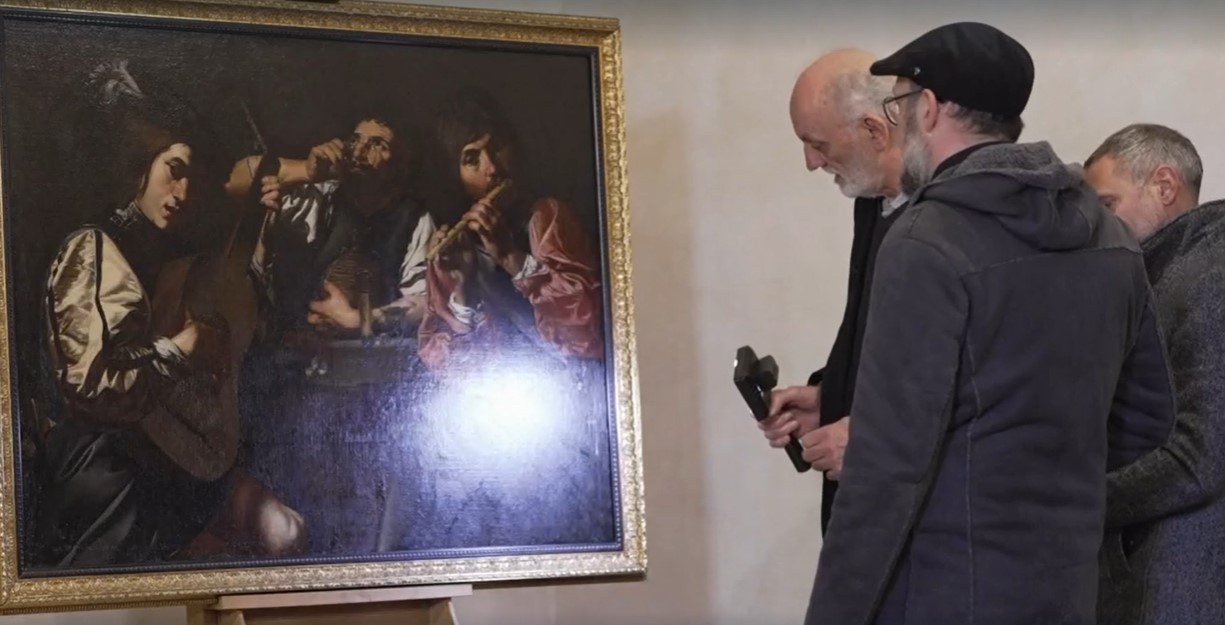
L’artista cercava i protagonisti dei suoi dipinti nelle taverne e i temi delle sue opere erano spesso scene di gioco, concerti e spaccati di ciò che accadeva nelle osterie dell’epoca.
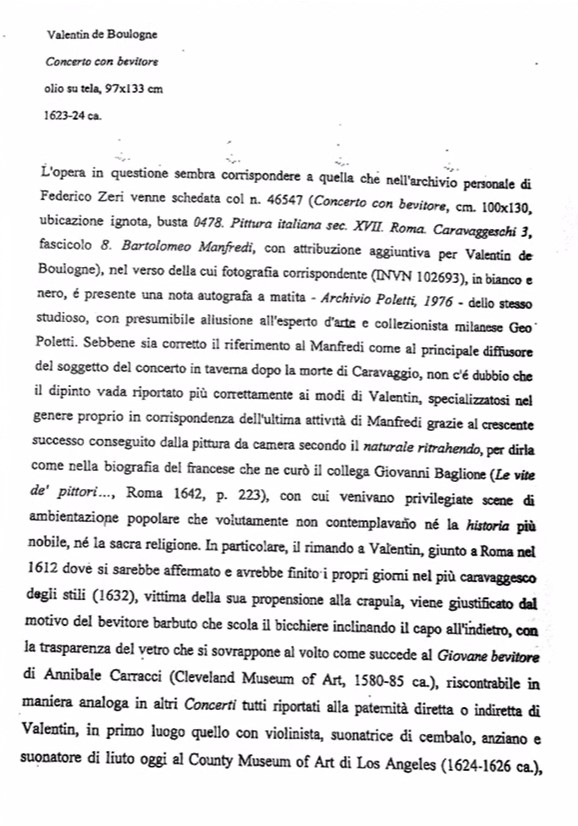
Nel gennaio di quest’anno, ai microfoni della trasmissione Report, il sottosegretario Sgarbi ha negato che l’opera in questione l’avesse lui stesso attribuita a Valentin de Boulogne tempo prima. Un documento mostrato dalla medesima trasmissione, inviato dalla segreteria di Sgarbi a Gianni Filippini, lo smentisce platealmente.
Il dipinto, secondo l’indagine realizzata dai giornalisti di Report e del Fatto Quotidiano Manuele Bonaccorsi e Thomas Mackinson, sarebbe stato acquistato da Sgarbi per soli 10mila euro in contanti da Mauro Brognoli che ne era il proprietario.
Vi consiglio di guardare l’inchiesta QUA.
In attesa di nuovi sviluppi, il sempre vostro Michelangelo Buonarroti vi saluta dandovi appuntamento ai prossimi post e sui social.
The Valentin de Boulogne under seizure: the illicit export and the document proving its attribution. Undersecretary of culture Sgarbi under investigation
The painting of the Concert with the Drinker created in the seventeenth century by Valentin de Boulogne, estimated at around 5 million euros, is currently under seizure on the hypothesis of the crime of illicit export of works of art.
The painting was tracked down in 2021 in Montecarlo by the Carabinieri of the Cultural Heritage Protection Unit, after it had crossed the Italian border of Ventimiglia without having any permission to do so.
The Imperia prosecutor’s office is investigating the matter and at the moment the main suspect is Vittorio Sgarbi, undersecretary of culture. The undersecretary defends his position by claiming that the work in question is not the original but a copy made in 1980.
As is known, to take a work abroad, it is necessary to obtain a permit issued by a cultural heritage office, without which anyone who exports a similar good abroad commits a criminal offense and is sentenced to up to 8 years in prison and the immediate confiscation of the exported goods.
The painting, submitted to the attention of Alessandro Bagnoli, art historian official at the Superintendency of Siena and Grosseto from 1980 to 2018, appears to be the original with all those stylistic precautions typical of Boulogne. Valentin de Boulogne, French-born painter in January 1591, is rightly considered one of the greatest of Caravaggio’s artists. After completing his apprenticeship on French soil, the artist moved to Rome in 1612 and was fascinated by Caravaggio’s painting which was all the rage at the time.
Giovanni Baglione, in his book The lives of painters, sculptors and architects from the pontificate of Gregory XIII in 1572 up to the time of Pope Urban VIII, wrote of him: “The memory of Valentino Francese, the which he imitated the style of Michelagnolo da Caravaggio, from the natural portrait. This man made his paintings with good manners, well colored in oil, and touched with pride: and he mixed the colors well in oil.”
The artist looked for the protagonists of his paintings in taverns and the themes of his works were often game scenes, concerts and glimpses of what was happening in the taverns of the time.
In January of this year, speaking on the program Report, Undersecretary Sgarbi denied that he had himself attributed the work in question to Valentin de Boulogne some time before. A document shown by the same broadcast, sent by Sgarbi’s secretariat to Gianni Filippini, blatantly denies it.
The painting, according to the investigation carried out by Report and Il Fatto Quotidiano journalists Manuele Bonaccorsi and Thomas Mackinson, was purchased by Sgarbi for just 10 thousand euros in cash from Mauro Brognoli who was its owner.
I recommend you watch the investigation HERE.
While waiting for new developments, your always Michelangelo Buonarroti greets you and will meet you in the next posts and on social media.

Sostienici – Support Us
Se questo blog ti piace e ti appassiona, puoi aiutarci a farlo crescere sempre più sostenendoci in modo concreto condividendo i post, seguendo le pagine social e con un contributo che ci aiuta ad andare avanti con il nostro lavoro di divulgazione. . ENGLISH: If you like and are passionate about this blog, you can help us make it grow more and more by supporting us in a concrete way by sharing posts, following social pages and with a contribution that helps us to move forward with our dissemination work.
8,00 €
-
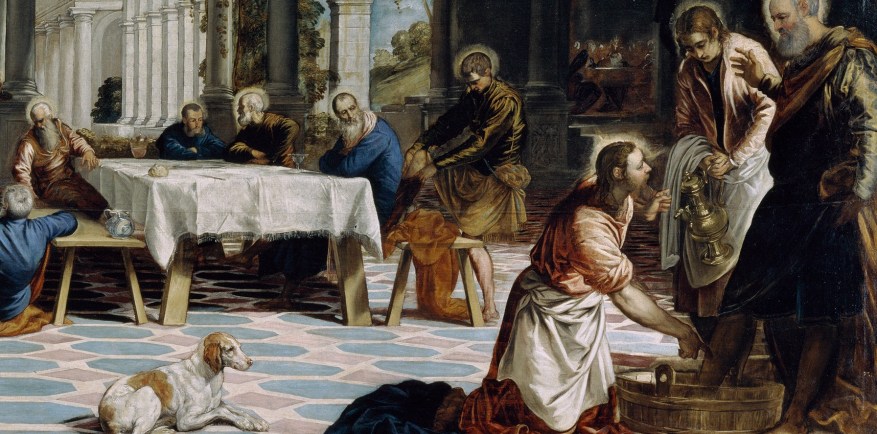
La Lavanda dei Piedi di Tintoretto: Il Capolavoro Veneziano al Prado
🇮🇹Tra i capolavori più affascinanti del Rinascimento veneziano, “La Lavanda dei Piedi” di Jacopo Tintoretto rappresenta un perfetto equilibrio tra spiritualità, innovazione compositiva e straordinaria forza narrativa… 🇬🇧Among the most fascinating masterpieces of the Venetian Renaissance, Jacopo Tintoretto’s “The Washing of the Feet” represents a perfect balance between spirituality, compositional innovation, and extraordinary narrative force…
-
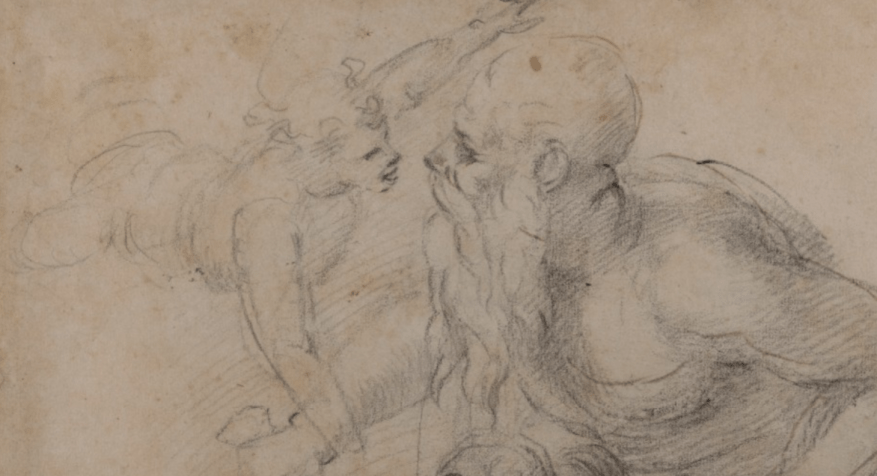
Il Sacrificio di Isacco e quel momento tra la vita e la morte
🇮🇹Oggi voglio raccontarvi alcuni dettagli sul mio disegno del Sacrificio di Isacco, conservato oggi a Casa Buonarroti. Su quel foglio volli tracciare il momento preciso in cui la paura fa spazio al miracolo… 🇬🇧Today I want to tell you some details about my drawing of the Sacrifice of Isaac, now preserved at Casa Buonarroti. On…
-
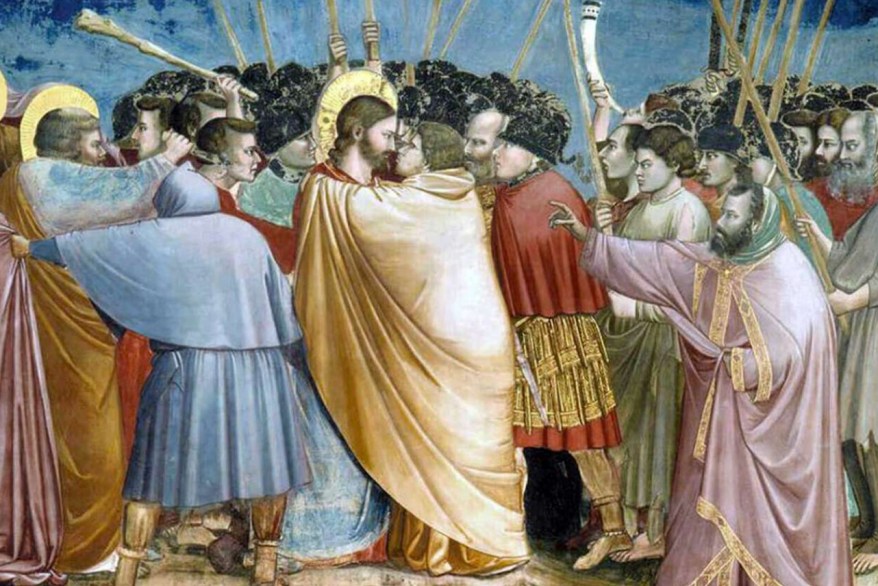
Mercoledì Santo: il giorno del tradimento di Giuda affrescato da Giotto
🇮🇹Il Mercoledì Santo è il giorno del silenzio, della riflessione e del tradimento. È il momento in cui Giuda sceglie di vendere Gesù per trenta denari, segnando uno dei passaggi più dolorosi della Settimana Santa…. 🇬🇧Holy Wednesday is a day of silence, reflection, and betrayal. ✝It is the moment when Judas chooses to sell Jesus…
Condividi:


Questo sono io





sostienici

Sostienici – Support Us
Se questo blog ti piace e ti appassiona, puoi aiutarci a farlo crescere sempre più sostenendoci in modo concreto condividendo i post, seguendo le pagine social e con un contributo che ci aiuta ad andare avanti con il nostro lavoro di divulgazione. . ENGLISH: If you like and are passionate about this blog, you can help us make it grow more and more by supporting us in a concrete way by sharing posts, following social pages and with a contribution that helps us to move forward with our dissemination work.
€10,00


1 commento »