

La Scultura del giorno: il Fauno Dormiente della scultrice Harriet Hosmer
La scultura del giorno che vi propongo oggi è il Fauno Dormiente scolpito nel marmo di Carrara dalla scultrice statunitense Harriet Goodhue Hosmer, oggi custodito nel Cleveland Museum, in Ohio.
L’artista Harriet Hosmer era nata a Watertown, una cittadina del Massachusetts, il 9 ottobre del 1830. E’ considerata a ragione la scultrice neoclassica più illustre degli Stati Uniti ed è passata alla storia come la prima scultrice professionista donna.

Fin da bambina mostrò una buona attitudine per la modellazione e fu suo padre a insegnarle i rudimenti di anatomia, prima ancora di studiare la disciplina in modo più approfondito con il dottor Joseph nasch Md Dowel presso il collegio Missouri Medical.
Non smise mai di modellare l’argilla per affinare la sua tecnica del tutto personale e, nel novembre del !852, partì assieme al padre e al fidanzato per Roma dove ebbe modo di studiare scultura presso l’artista Jon Gibson dal 1853 fino al 1860. Fu in quel periodo che finalmente le fu concesso di studiare i modelli dal vero: cosa che in precedenza le era stata proibita.

Hosmer iniziò a creare le sue prime opere scultore proprio a Roma come il Fauno Dormiente. In quest’opera l’artista volle raffigurare il fauno dei boschi con le iconiche orecchie a punta, mostrando la sua perfetta padronanza dello stile neoclassico, ispirato all’ate greca e romana.
Senza dubbio in questo capolavoro della Hosmer si percepisce il suo senso dell’umorismo giocoso.
Il satirino seduto sulle proprie zampe da capra incrociate, si trova dietro il cippo d’albero che sorregge il corpo del giovane. Mentre più che dormire il fauno sembra sia in preda ai postumi della sbornia, il satirino è intento a legare la pelle di fiera che copre il pube del giovane al tronco dell’albero.
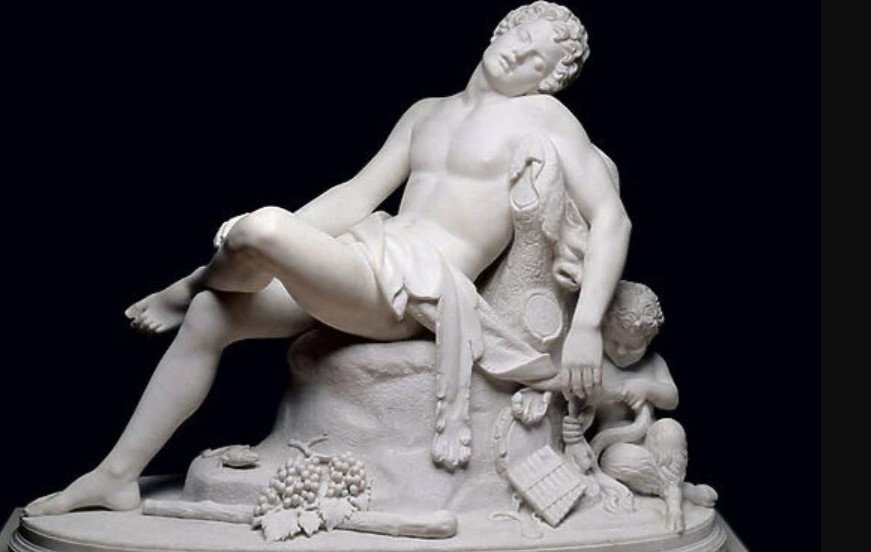
Quando il fauno si desterà e vorrà alzarsi dal giaciglio, rimarrà nudo con la pelle di animale fissata al tronco.
La scultura è firmata dall’artista con la dicitura “H HOSMER Fecit — Romae” e sulla base porta il titolo “IL FAUNO DORMIENTE”.
Per il momento il vostro Michelangelo Buonarroti vi saluta dandovi appuntamento ai prossimi post e sui social.

Sculpture of the Day: The Sleeping Faun by sculptor Harriet Hosmer
The sculpture of the day that I propose to you today is the Sleeping Faun sculpted in Carrara marble by the American sculptor Harriet Goodhue Hosmer, now kept in the Cleveland Museum, in Ohio.
The artist Harriet Hosmer was born in Watertown, a small town in Massachusetts, on October 9, 1830. She is rightly considered the most illustrious neoclassical sculptor in the United States and went down in history as the first professional female sculptor.
Since she was a child she showed a good aptitude for modeling and it was her father who taught her the rudiments of anatomy, even before studying the discipline in more depth with Dr. Joseph Nasch Md Dowel at the Missouri Medical college.
She never stopped modeling clay to refine her very personal technique and, in November 1852, she left with her father and her fiancé for Rome where she studied sculpture with the artist Jon Gibson from 1853 until 1860 It was in that period that she was finally allowed to study life models: something she had previously been forbidden to do.
Hosmer began creating her first works as a sculptor in Rome as the Sleeping Faun. In this work the artist wanted to depict the faun of the woods with her iconic pointed ears, showing his perfect mastery of the neoclassical style, inspired by Greek and Roman art.
Without a doubt, you can sense her sense of playful humor in this masterpiece by Hosmer. The satyr sitting on his crossed goat legs is behind the tree stone that supports the young man’s body. While he seems to be suffering from a hangover rather than sleeping, the satyr is intent on tying the wild animal skin that covers the young man’s pubis to the trunk of the tree.
When the faun wakes up and wants to get up from his bed, he will remain naked with the animal skin attached to the trunk.
The sculpture is signed by the artist with the words “H HOSMER Fecit — Romae” and on the base bears the title “IL FAUNO DORMIENTE”.
For the moment, your Michelangelo Buonarroti greets you and will meet you in future posts and on social media.

Sostienici – Support Us
Se questo blog ti piace e ti appassiona, puoi aiutarci a farlo crescere sempre più sostenendoci in modo concreto condividendo i post, seguendo le pagine social e con un contributo che ci aiuta ad andare avanti con il nostro lavoro di divulgazione. . ENGLISH: If you like and are passionate about this blog, you can help us make it grow more and more by supporting us in a concrete way by sharing posts, following social pages and with a contribution that helps us to move forward with our dissemination work.
8,00 €
-
Festival La Versiliana 2026: tra musica, teatro e grandi narrazioni
Dal 17 luglio al 23 agosto 2026, la pineta di Marina di Pietrasanta ospiterà la 47ª edizione del Festival La Versiliana. Una kermesse aperta a tutti nella quale linguaggi diversi dialogano tra loro in un equilibrio tra tradizione e contemporaneità.
-
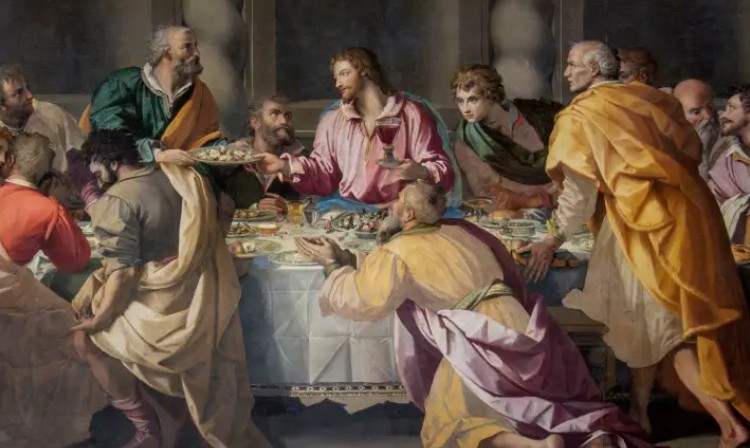
Giovedì Santo: l’Ultima Cena di Allori che pochi conoscono a Firenze
🇮🇹Nel cuore di Museo di Santa Maria Novella, a Firenze, si conserva una delle interpretazioni più affascinanti e meno note dell’Ultima Cena: quella realizzata da Alessandro Allori nel 1584… 🇬🇧In the heart of the Santa Maria Novella Museum in Florence, one of the most fascinating and least-known interpretations of the Last Supper is preserved: the…
-
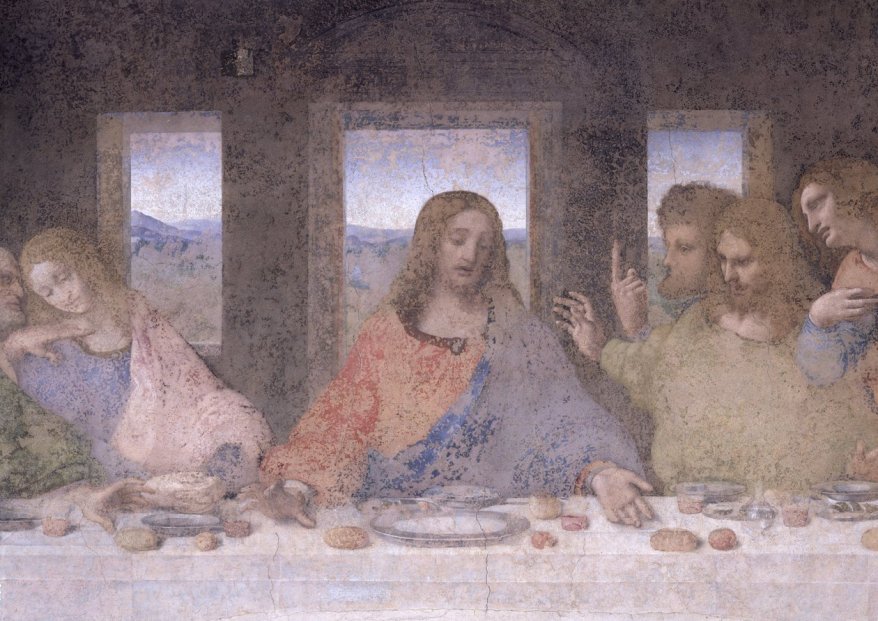
Cenacolo di Leonardo: i dettagli che raccontano il tradimento
🇮🇹Nel Cenacolo di Leonardo da Vinci, custodito a Santa Maria delle Grazie, Cristo annuncia il tradimento e il tempo si ferma… 🇬🇧In Leonardo da Vinci’s Last Supper, housed in Santa Maria delle Grazie, Christ announces the betrayal and time stands still…
Condividi:


Questo sono io





sostienici

Sostienici – Support Us
Se questo blog ti piace e ti appassiona, puoi aiutarci a farlo crescere sempre più sostenendoci in modo concreto condividendo i post, seguendo le pagine social e con un contributo che ci aiuta ad andare avanti con il nostro lavoro di divulgazione. . ENGLISH: If you like and are passionate about this blog, you can help us make it grow more and more by supporting us in a concrete way by sharing posts, following social pages and with a contribution that helps us to move forward with our dissemination work.
€10,00


per fortuna il padre ha sostenuto il suo talento, all’epoca non era poi così semplice per una donna poter seguire le proprie inclinazioni artistiche. L’opera è una spiritosa rappresentazione di quello che era il mondo mitologico un po’ burlone, si nota lo studio anatomico anche se non raggiunge livelli elevatissimi
"Mi piace"Piace a 1 persona