
Le Opere del Natale: l’Adorazione dei Magi di Maíno
L’Opera del Natale che vi propongo oggi è il grande dipinto a olio su tela con l’Adorazione dei Magi, realizzato dal pittore spagnolo Juan Bautista Maíno.
Era il 14 febbraio del 1612 quando l’artista appose la sua firma in calce al contratto che lo vincolava nell’eseguire dei dipinti per decorare la chiesa del monastero di San Pedro Mártir a Toledo. Avrebbe dovuto portare a termine la titanica impresa in solo otto mesi dipingendo scene evangeliche stabilite dal priore: : La venuta dello Spirito Santo, la Resurrezione di Cristo , la sua Nascita e l’ Adorazione dei Magi.
Nonostante quanto accordato nel contratto però, i dipinti furono ultimati solamente due anni dopo e l’artista, a metà dell’opera, nel luglio del 1613, entrò nel monastero divenendo membro dell’ordine domenicano.
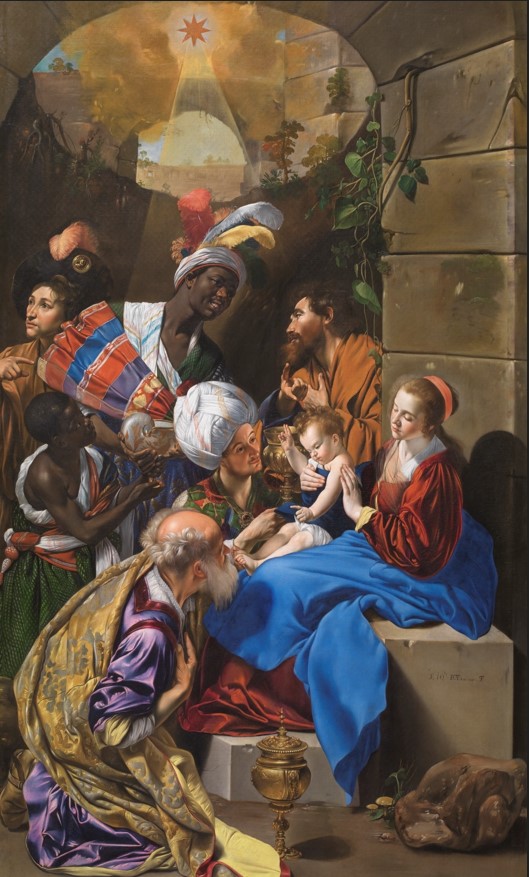
Il dipinto dell’Adorazione dei Magi fu posizionata sull’altare maggiore.
Antonio Palomino, che fu un po’ il Vasari spagnolo che si occupò di scrivere un volume con le biografie degli artisti della sua terra, descrisse Maíno come “uno dei pittori più eminenti del suo tempo, come si può vedere nelle sue opere per detta casa di San Pedro Mártir, in particolare l’altare maggiore di quella chiesa con le quattro tele delle Cuatro Pascuas, nelle quali sono ottimi nudi ed altre cose dipinte a grandezza maestosa del naturale“.
Senza ombra di dubbio, la grande tela alta più di tre metri dell’Adorazione dei magi è una delle opere più significative di Maíno. Per dipingerla adoperò una tavolozza molto variopinta, con tonalità brillanti che trasmettono subito a chi osserva la pala d’altare la ricchezza e l’esotismo dei tre Re magi.
I Re raffigurano le potenze di tre differenti continenti che si inginocchiano dinnanzi al Salvatore appena venuto alla luce e gli offrono i tre doni simbolici: oro per il re del mondo, incenso per la natura divina del Neonato e mirra, una resina da sciogliere per profumare il corpo del Dio fattosi uomo.
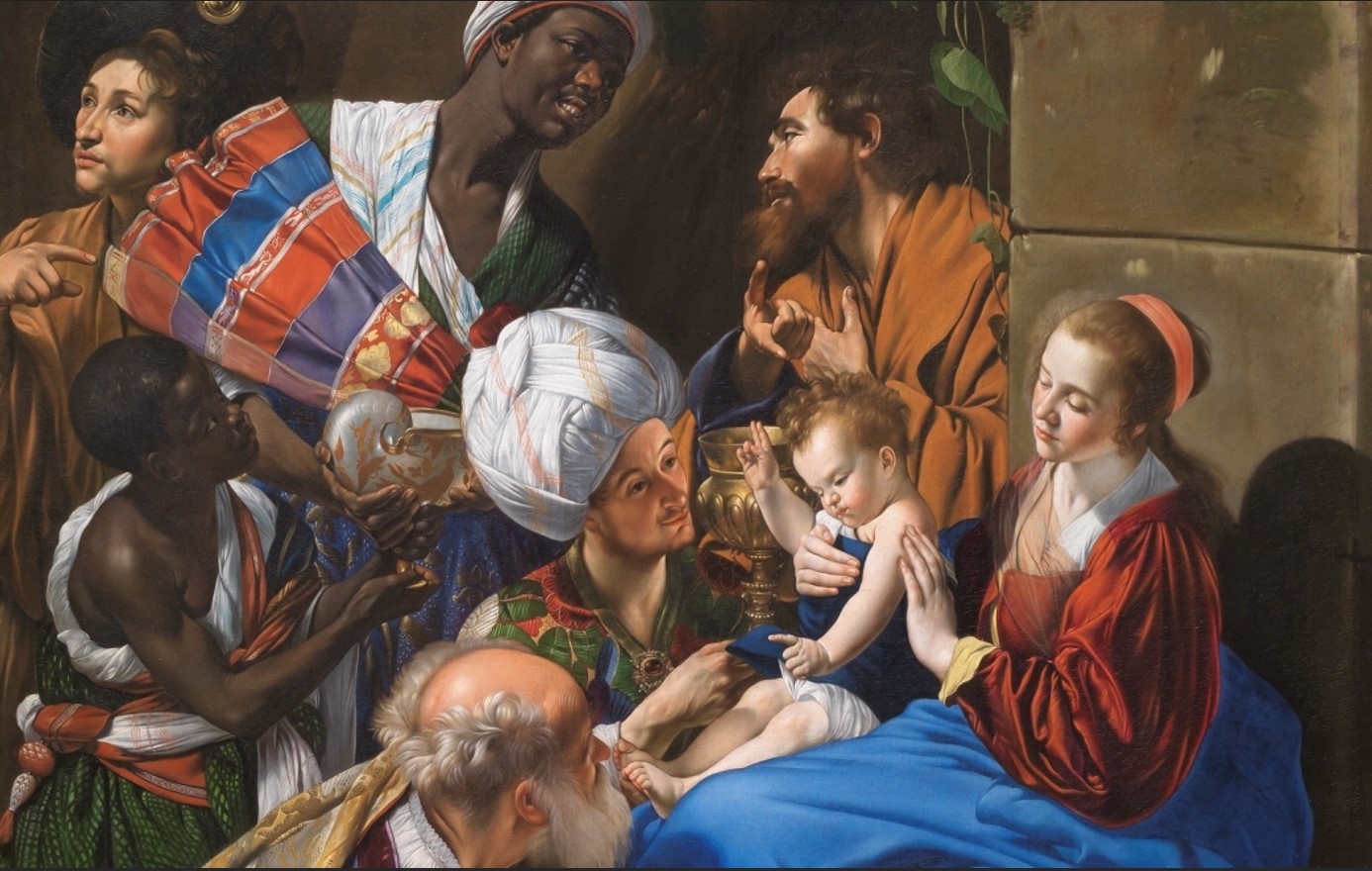
Sebbene la composizione delle figure sia abbastanza semplice, l’artista riesce a trasmettere emozione e calore umano attraverso le pose e le espressioni dei vari personaggi che si muovono sulla scena come se fossero sulle tavole di un palco.
La scena si svolge fra le rovine di uno degli edifici più celebri del mondo: il Colosseo. La Madre è seduta su un blocco di pietra e tiene in grembo il Figlio benedicente. San Giuseppe con i capelli arruffati, indica Gesù Bambino con la mano destra e portandosi l’altra al petto.
Vi ricorda qualcosa quella gestualità? E’ ripresa da Caravaggio e aiuta a indirizzare o sguardo dello spettatore sul punto focale del dipinto formato da Gesù Bambino sostenuto dalla Vergine.

Alle spalle del Re Magio stante, abbigliato con stoffe orientaleggianti, si nota la presenza di un pellegrino molto giovane che indica sempre Cristo appena venuto al mondo.
Il Magio inginocchiato in primo piano è Gaspare e fu dipinto da Maíno con uno straordinario realismo. Vestito con una tunica in seta viola e un mantello con motivi fogliati in oro e broccato di seta, mostra di avere un gusto italiano cinquecentesco nello scegliere i propri abiti. Porta le mani al petto con un gesto di venerazione dopo aver poggiato a terra l’oro della preziosa pisside.
La pisside qui no è solo dono ma è il preannuncio del sacrificio del Bambino il cui corpo sacrificato saranno le ostie contenute al suo interno.
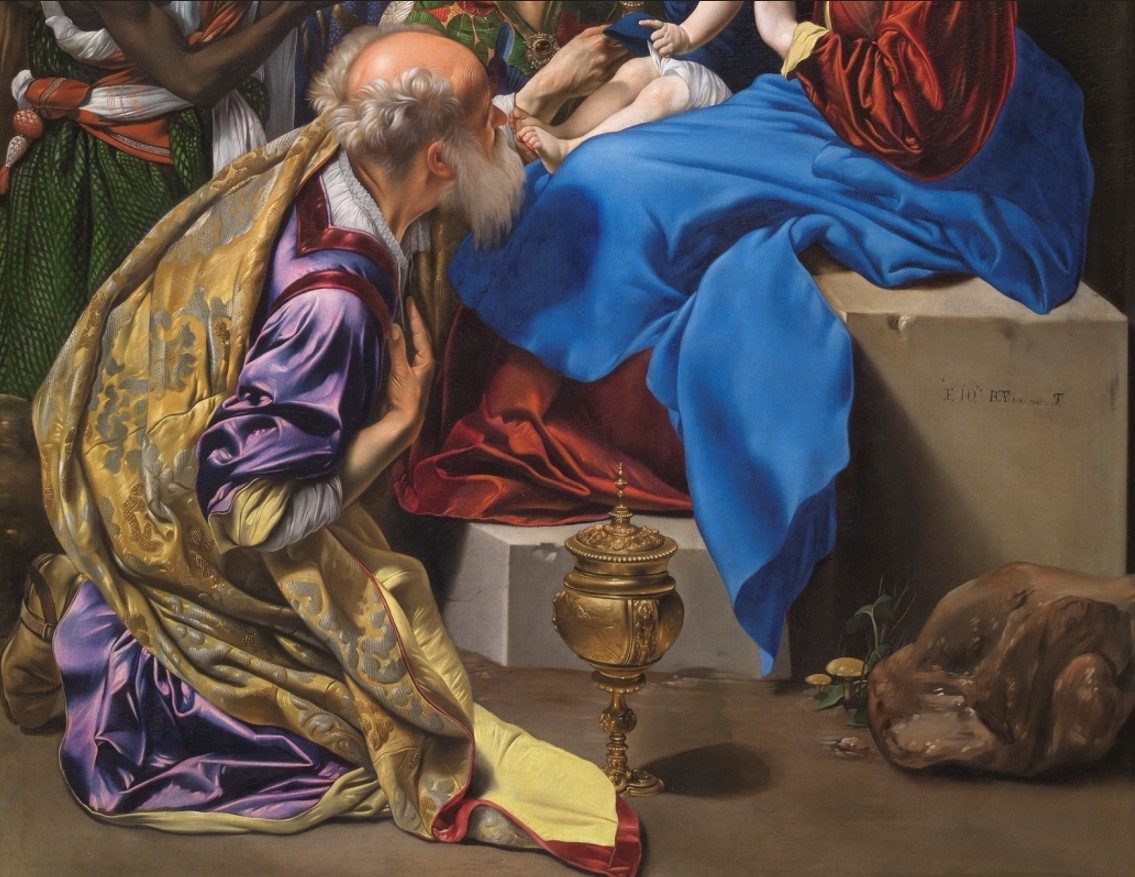
Melchiorre invece è in secondo piano e si trova immediatamente dietro Gaspare, sempre inginocchiato. Offre al bambino il calice con la mirra, alice che poi conterrà il Suo sangue.
Alle sue spalle, in piedi, c’è Baldassarre che sta prendendo dal suo servitore un nautilus in madreperla decorato in oro che custodisce la mirra, la resina che evoca la natura umana del Bambino e ne preannuncia il destino in quanto unguento adoperato per i corpi da seppellire.
Baldassarre indossa abiti sgargianti di lino e seta e ha il capo avvolto in un turbante decorato con piume.

Nella parte più alta della tela Maino dipinse la stella a otto dalla quale parte un fascio di luce che illumina la Sacra Famiglia e i Re Magi.
L’artista volle firmare il suo capolavoro, scrivendo il suo nome sopra il blocco di pietra su cui è seduta la Vergine.
Se volete vedere questo straordinario capolavoro con i vostri occhi, non vi rimane che andare al Museo del Prado a Madrid.
Per il momento il vostro Michelangelo Buonarroti vi saluta dandovi appuntamento ai prossimi post e sui social.
The Works of Christmas: the Adoration of the Maíno of Maíno
The Christmas Work that I propose to you today is the large oil painting on canvas with the Adoration of the Magi, created by the Spanish painter Juan Bautista Maíno.
It was February 14, 1612 when the artist placed his signature at the bottom of the contract that bound him to create paintings to decorate the church of the monastery of San Pedro Mártir in Toledo. He was supposed to complete the titanic undertaking in just eight months by painting evangelical scenes established by the prior: the coming of the Holy Spirit, the Resurrection of Christ, his Birth and the Adoration of the Magi.
Despite what was agreed in the contract, however, the paintings were completed only two years later and the artist, halfway through the work, in July 1613, entered the monastery and became a member of the Dominican order.
The painting of the Adoration of the Magi was placed on the main altar, like the altarpiece of the main altar. Antonio Palomino, who was a bit like the Spanish Vasari who wrote a volume with the biographies of the artists of his land, described Maíno as “one of the most eminent painters of his time, as can be seen in his works for the said house of San Pedro Mártir, in particular the main altar of that church with the four canvases of the Cuatro Pascuas, in which there are excellent nudes and other things painted in majestic life-size”.
Without a shadow of a doubt, the large canvas of more than three meters high of the Adoration of the Magi is one of Maíno’s most significant works. To paint it he used a very colorful palette, with brilliant shades that immediately convey to those who observe the altarpiece the richness and exoticism of the three wise men.
The Kings depict the powers of three different continents who kneel before the Savior as soon as he is born and offer him the three symbolic gifts: gold for the king of the world, incense for the divine nature of the Newborn and myrrh, a resin to be melted to perfume the body of God made man.
Although the composition of the figures is quite simple, the artist manages to convey emotion and human warmth through the poses and expressions of the various characters who move on the scene as if they were on the boards of a stage.
The scene takes place among the ruins of one of the most famous buildings in the world: the Colosseum. The Mother is sitting on a block of stone and holds the blessing Son on her lap. Saint Joseph with disheveled hair, points to Baby Jesus with his right hand and brings the other to his chest.
Does that gesture remind you of anything? It is taken from Caravaggio and helps to direct the viewer’s gaze to the focal point of the painting formed by Baby Jesus supported by the Virgin.
Behind the standing Wise King, dressed in oriental fabrics, we notice the presence of a very young pilgrim who always indicates Christ who has just come into the world.
The kneeling Magi in the foreground is Gaspar and was painted by Maíno with extraordinary realism. Dressed in a purple silk tunic and a cloak with gold leaf motifs and silk brocade, he shows that he has a sixteenth-century Italian taste in choosing his clothes. He brings his hands to his chest with a gesture of veneration after placing the gold of the precious pyx on the ground.
The pyx here is not just a gift but is the announcement of the sacrifice of the Child whose sacrificed body will be the hosts contained within it.
Melchiorre, on the other hand, is in the background and is immediately behind Gaspare, still kneeling. He offers the child the chalice with myrrh, which will then contain his blood.
Behind him, standing, is Baldassarre who is taking from his servant a mother-of-pearl nautilus decorated in gold which contains myrrh, the resin which evokes the human nature of the Child and predicts his destiny as an ointment used for the bodies to bury.
Belshazzar wears bright linen and silk clothes and has his head wrapped in a turban decorated with feathers.
In the highest part of the canvas Maino painted the figure-eight star from which a beam of light emerges that illuminates the Holy Family and the Three Wise Men.
The artist wanted to sign his masterpiece, writing his name above the block of stone on which the Virgin is sitting.
If you want to see this extraordinary masterpiece with your own eyes, all you have to do is go to the Prado Museum in Madrid.
For the moment, your Michelangelo Buonarroti greets you and will meet you in future posts and on social media.

Sostienici – Support Us
Se questo blog ti piace e ti appassiona, puoi aiutarci a farlo crescere sempre più sostenendoci in modo concreto condividendo i post, seguendo le pagine social e con un contributo che ci aiuta ad andare avanti con il nostro lavoro di divulgazione. . ENGLISH: If you like and are passionate about this blog, you can help us make it grow more and more by supporting us in a concrete way by sharing posts, following social pages and with a contribution that helps us to move forward with our dissemination work.
8,00 €
-
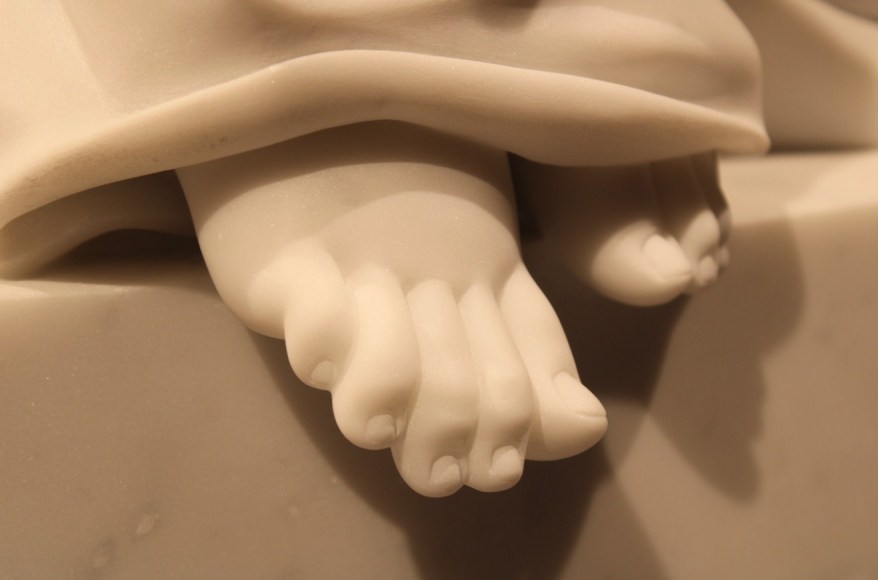
La Pietà di Tincolini: a Pontedera l’arte torna a fare domande scomode
🇮🇹“Pietà”, la scultura di Filippo Tincolini, insieme alle parole di Federico Quaranta e Andrea Pezzi, non è stato solo uno spettacolo. È stata una domanda lanciata in faccia al pubblico, impossibile da evitare: siamo ancora capaci di provare pietà? 🇬🇧 “Pietà,” Filippo Tincolini’s sculpture, along with the words of Federico Quaranta and Andrea Pezzi, wasn’t…
-
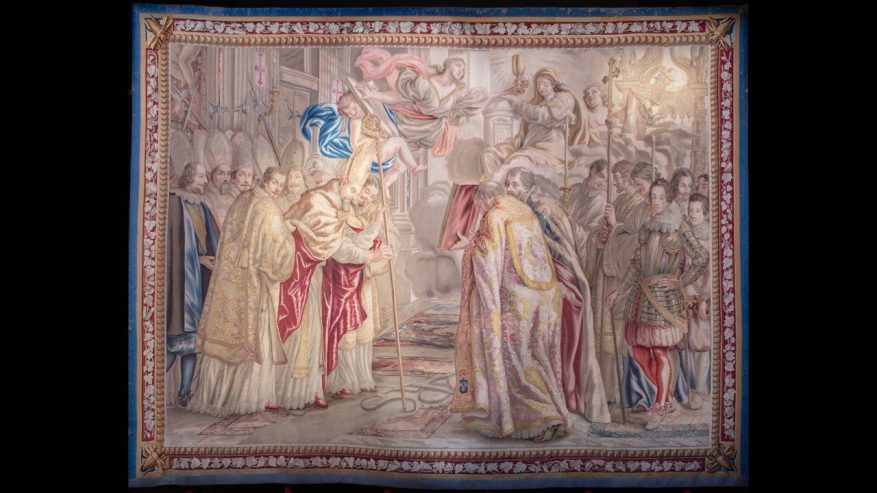
Ai Musei Vaticani i fasti barocchi di Urbano VIII: in mostra gli arazzi della manifattura Barberini
🇮🇹A quattro secoli dalla consacrazione della Basilica di San Pietro, i Musei Vaticani dedicano una mostra all’Arazzeria Barberini, simbolo di una cultura visiva capace di fondere magnificenza estetica e affermazione politica… 🇬🇧Four centuries after the consecration of St. Peter’s Basilica, the Vatican Museums are dedicating an exhibition to the Barberini Tapestry Factory, a symbol of…
-
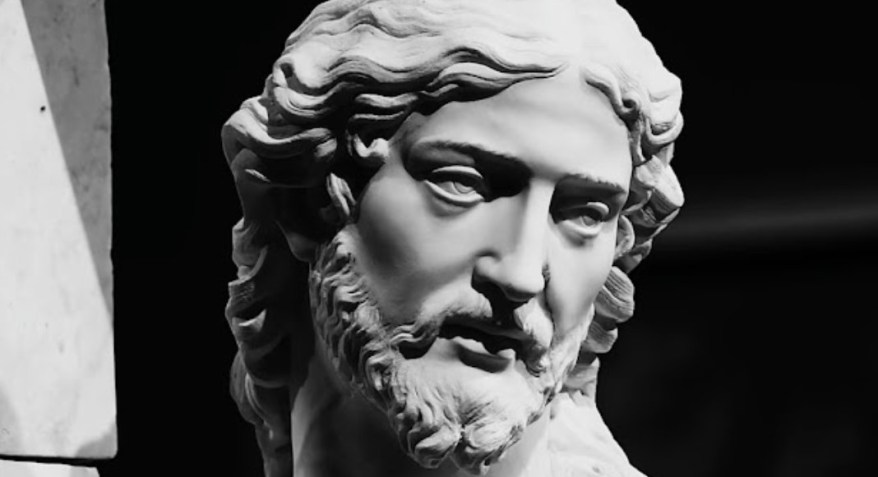
Le Opere della Pasqua: come la Resurrezione ha ispirato Arte e Cultura
🇮🇹La Pasqua, oltre ad essere una ricorrenza religiosa è un momento in cui la storia, l’arte e la spiritualità si intrecciano per raccontare il fulcro della fede cristiana: la resurrezione di Cristo. .. 🇬🇧Easter, beyond being a religious holiday, is a moment when history, art, and spirituality intertwine to recount the core of the Christian…
Condividi:


Questo sono io





sostienici

Sostienici – Support Us
Se questo blog ti piace e ti appassiona, puoi aiutarci a farlo crescere sempre più sostenendoci in modo concreto condividendo i post, seguendo le pagine social e con un contributo che ci aiuta ad andare avanti con il nostro lavoro di divulgazione. . ENGLISH: If you like and are passionate about this blog, you can help us make it grow more and more by supporting us in a concrete way by sharing posts, following social pages and with a contribution that helps us to move forward with our dissemination work.
€10,00


