
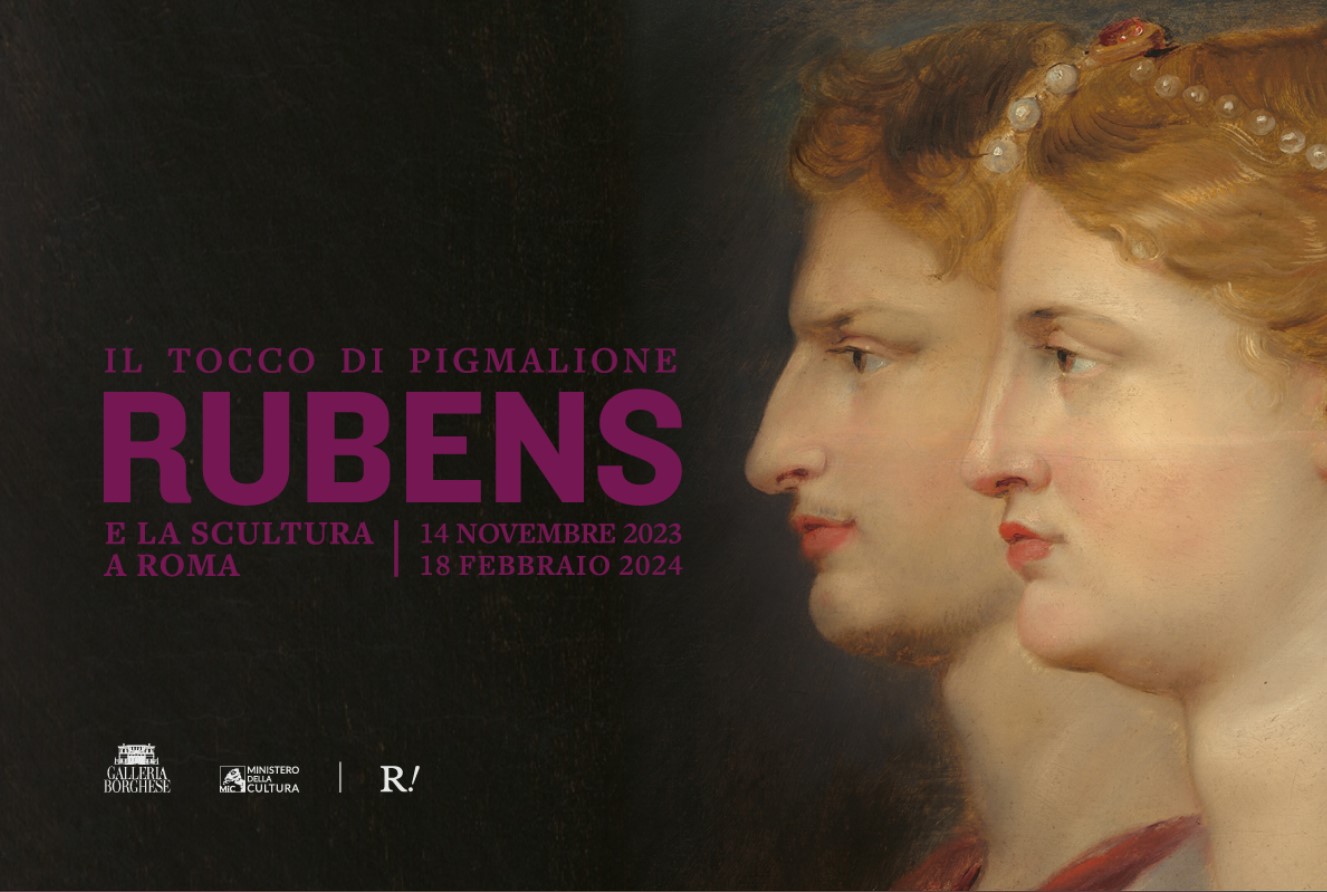
Rubens: il tocco di Pigmalione alla Galleria Borghese
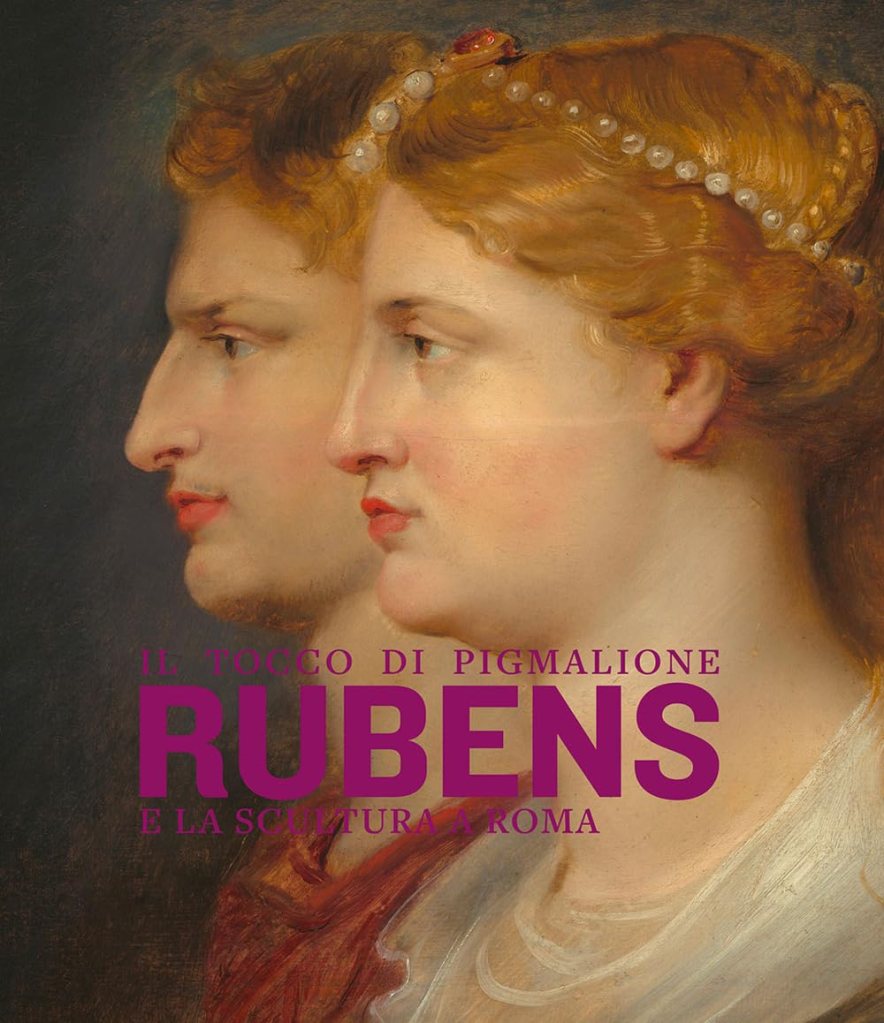
Galleria Borghese si sta preparando per accogliere la mostra dal titolo “Il tocco di Pigmalione. Rubens e la scultura a Roma” a cura di Francesca Cappelletti e Lucia Simonato.
A partire dal 14 novembre la galleria romana aprirà al pubblico la seconda tappa del grande progetto “inaugura la seconda tappa di “RUBENS! La nascita di una pittura europea” realizzato in collaborazione con Fondazione Palazzo Te e Palazzo Ducale di Mantova, mirato a mettere in luce i rapporti tra la cultura italiana e l’Europa attraverso gli occhi di Rubens, maestro della pittura barocca.
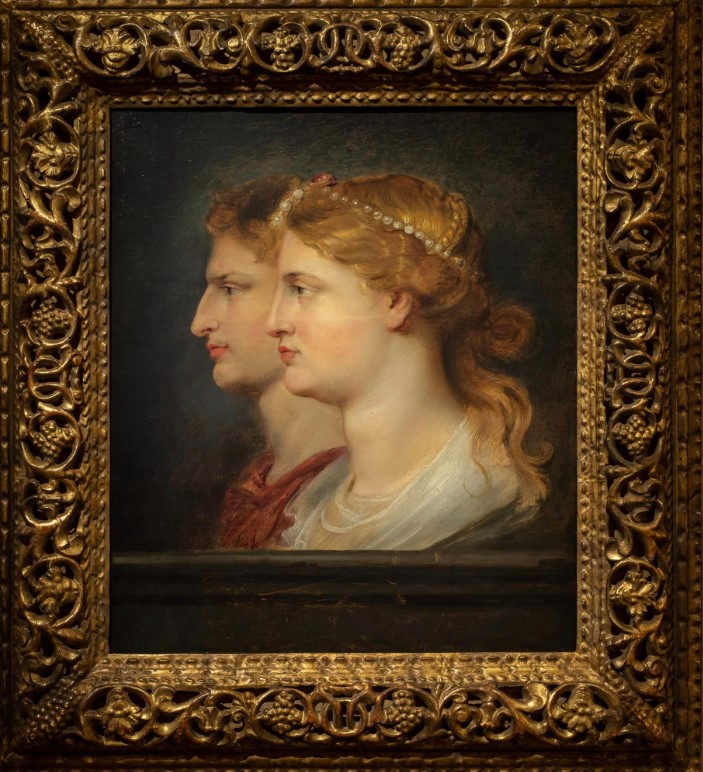
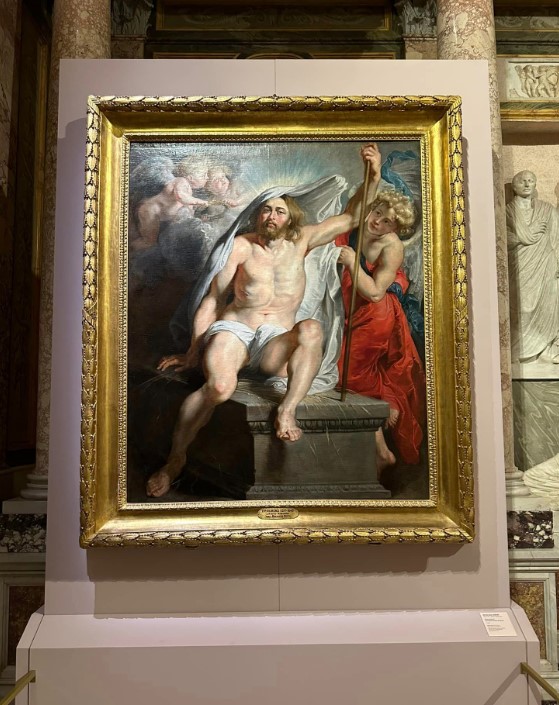
Saranno oltre 50 opere esposte, arrivate per l’occasione dalle più importanti collezioni museali esistenti fra le quali il British Museum, il Louvre, il Met, la Morgan Library, la National Gallery di Londra, la National Gallery di Washington, il Prado, il Rijksmusem di Amsterdam, giusto per citarne solo alcuni.
La mostra sarà suddivisa in 8 sezioni che sottolineeranno il contributo straordinario di Ruben, alle soglie del Barocco, a una nuova concezione dell’antico e dei concetti di naturale e di imitazione, mettendo a fuoco la novità dirompente del suo stile e come lo studio dei modelli costituisca un’ulteriore possibilità per un nuovo mondo di immagini.
“Calamita per gli artisti del Nord Europa fin dal Cinquecento, la Roma di Rubens, fra i pontificati Aldobrandini e Borghese, è il luogo dove studiare ancora l’antico, di cui si cominciano a conoscere i capolavori della pittura, con il ritrovamento nel 1601 delle Nozze Aldobrandini.
È il momento della Galleria Farnese di Annibale Carracci e della cappella Contarelli di Caravaggio, di cui si stordisce una generazione. Attraverso gli occhi di un giovane pittore straniero come Peter Paul Rubens guardiamo ancora una volta all’esperienza dell’altrove, cerchiamo di ricostruire il ruolo del collezionismo, e della collezione Borghese in particolare, come motore del nuovo linguaggio del naturalismo europeo, che unisce le ricerche di pittori e scultori nei primi decenni del secolo.”
Francesca Cappelletti, direttrice Galleria Borghese e curatrice della mostra

La mostra “Il tocco di Pigmalione” “cerca di far luce anche sul controverso rapporto fra i capolavori berniniani e il naturalismo rubensiano, così come lo furono altre sculture giovanili dell’artista.
La mostra “Il tocco di Pigmalione. Rubens e la scultura a Roma” rimarrà aperta fino al 18 febbraio 2024.
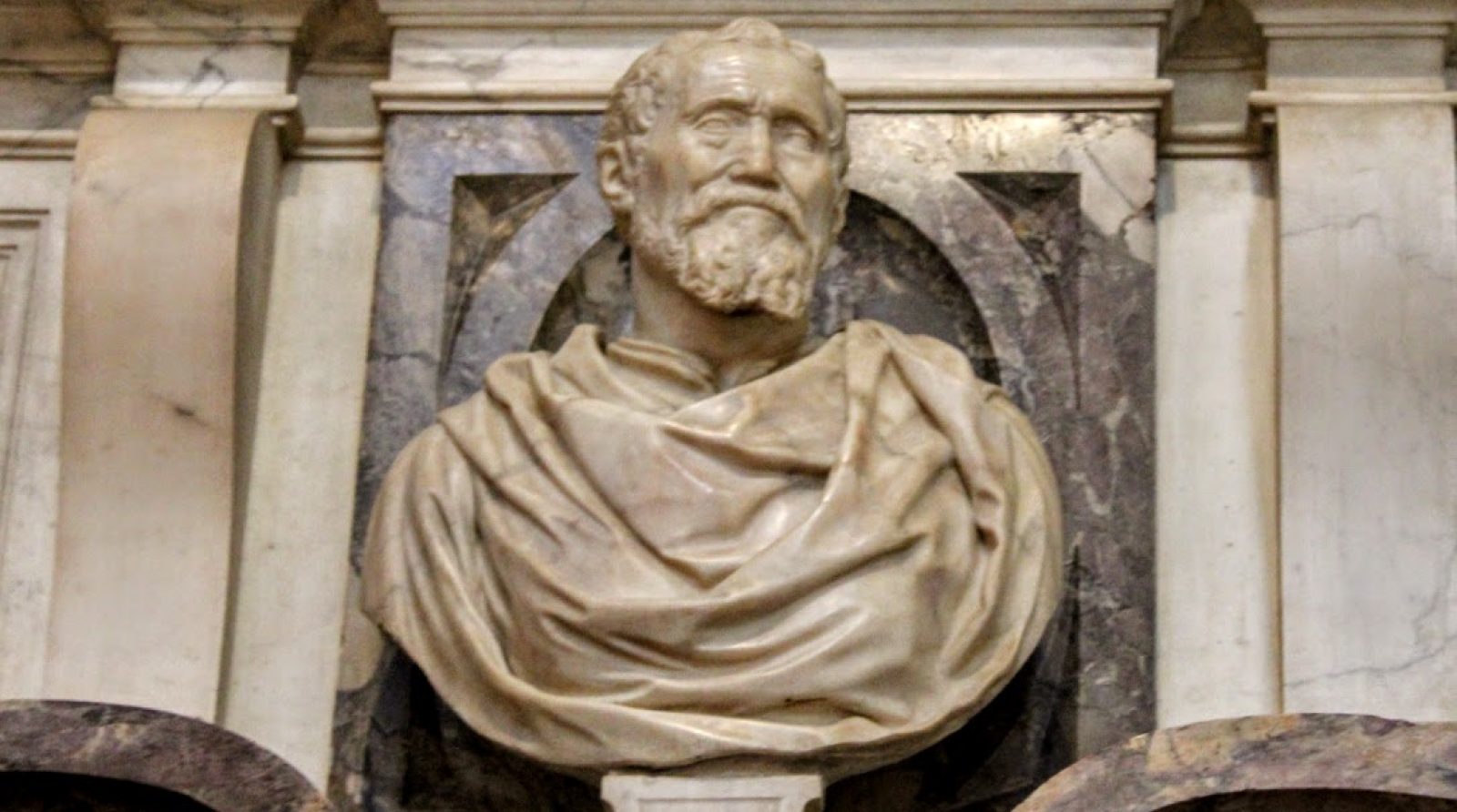
Per il momento il vostro Michelangelo Buonarroti vi saluta dandovi appuntamento ai prossimi post e sui social.
Rubens: Pygmalion’s touch at the Borghese Gallery
Galleria Borghese is preparing to welcome the exhibition entitled “The touch of Pygmalion. Rubens and sculpture in Rome” edited by Francesca Cappelletti and Lucia Simonato.
Starting from November 14th the Roman gallery will open to the public the second stage of the great project “inaugurates the second stage of “RUBENS! The birth of a European painting” created in collaboration with Fondazione Palazzo Te and Palazzo Ducale of Mantua, aimed at highlighting the relationships between Italian culture and Europe through the eyes of Rubens, master of Baroque painting.
There will be over 50 works on display, arriving for the occasion from the most important existing museum collections including the British Museum, the Louvre, the Met, the Morgan Library, the National Gallery in London, the National Gallery in Washington, the Prado, the Rijksmusem in Amsterdam, just to name a few.
The exhibition will be divided into 8 sections which will underline Ruben’s extraordinary contribution, on the threshold of the Baroque, to a new conception of the ancient and of the concepts of natural and imitation, focusing on the disruptive novelty of his style and how the study of models constitutes a further possibility for a new world of images.
“Magnet for Northern European artists since the sixteenth century, Rubens’ Rome, between the Aldobrandini and Borghese pontificates, is the place to still study the ancient, whose masterpieces of painting are beginning to be known, with the discovery in 1601 of the Aldobrandini Wedding.
It’s time for Annibale Carracci’s Farnese Gallery and Caravaggio’s Contarelli Chapel, which stunned a generation. Through the eyes of a young foreign painter like Peter Paul Rubens we look once again at the experience of elsewhere, we try to reconstruct the role of collecting, and of the Borghese collection in particular, as the engine of the new language of European naturalism, which unites the research by painters and sculptors in the first decades of the century.”.
Francesca Cappelletti, director of the Borghese Gallery and curator of the exhibition
The exhibition “The Touch of Pygmalion” also seeks to shed light on the controversial relationship between Bernini’s masterpieces and Rubens’ naturalism, as were other early sculptures by the artist.
The exhibition “The touch of Pygmalion. Rubens and sculpture in Rome” will remain open until 18 February 2024.
For the moment, your Michelangelo Buonarroti greets you and will meet you in future posts and on social media.

Sostienici – Support Us
Se questo blog ti piace e ti appassiona, puoi aiutarci a farlo crescere sempre più sostenendoci in modo concreto condividendo i post, seguendo le pagine social e con un contributo che ci aiuta ad andare avanti con il nostro lavoro di divulgazione. . ENGLISH: If you like and are passionate about this blog, you can help us make it grow more and more by supporting us in a concrete way by sharing posts, following social pages and with a contribution that helps us to move forward with our dissemination work.
8,00 €
-
La Deposizione del Pontormo: il capolavoro dell’artista
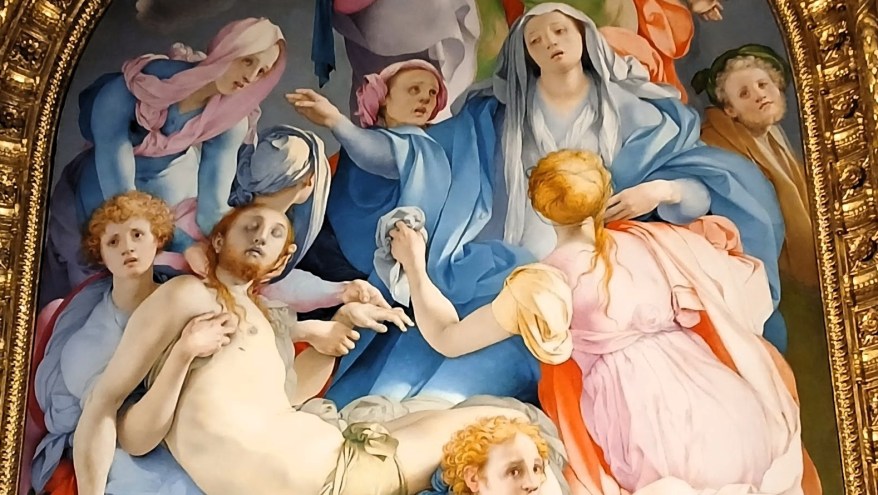
🇮🇹Ti coinvolge. Ti mette a disagio. Ti costringe a sentire. E’ la Deposizione dalla Croce, dipinta da Jacopo Pontormo tra il 1525 e il 1528 per la Cappella Capponi… 🇬🇧It draws you in. It makes you uncomfortable. It forces you to feel. It’s the Deposition from the Cross, painted by Jacopo Pontormo between 1525 and…
-
Non chiamatelo Braghettone: il 4 aprile del 1566 muore Daniele da Volterra, l’artista che salvò il Giudizio Universale
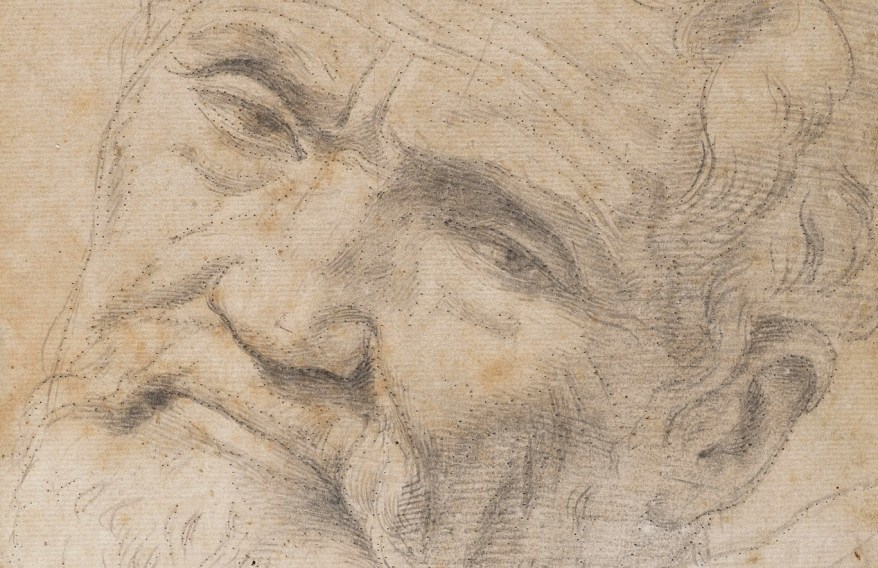
🇮🇹Braghettone? No, molto di più. Il 4 aprile 1566 moriva Daniele da Volterra, il mio allievo più fedele, l’uomo che mi rimase accanto fino all’ultimo respiro e che salvò il mio Giudizio Universale dalla distruzione… 🇬🇧Braghettone? No, much more. On April 4, 1566, Daniele da Volterra died, my most faithful student, the man who remained…
-
Venerdì Santo: gli “Ecce Homo” più intensi della storia dell’arte
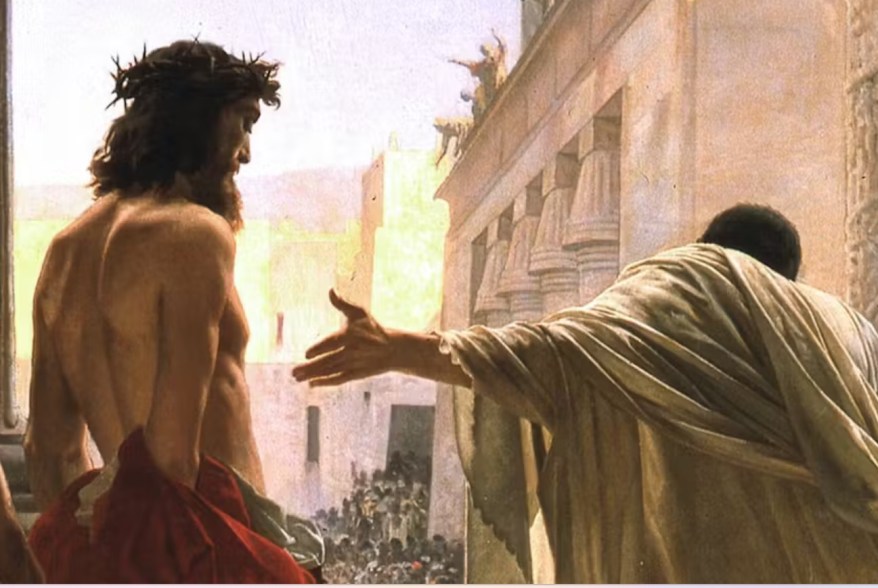
🇮🇹Ecce Homo. Da Antonello da Messina a Tintoretto, fino al sorprendente capolavoro di Antonio Ciseri, questo soggetto ha attraversato i secoli raccontando dolore, umanità e coscienza… 🇬🇧Ecce Homo. From Antonello da Messina to Tintoretto, to Antonio Ciseri’s astonishing masterpiece, this subject has spanned the centuries, recounting pain, humanity, and conscience…
Condividi:


Questo sono io





sostienici

Sostienici – Support Us
Se questo blog ti piace e ti appassiona, puoi aiutarci a farlo crescere sempre più sostenendoci in modo concreto condividendo i post, seguendo le pagine social e con un contributo che ci aiuta ad andare avanti con il nostro lavoro di divulgazione. . ENGLISH: If you like and are passionate about this blog, you can help us make it grow more and more by supporting us in a concrete way by sharing posts, following social pages and with a contribution that helps us to move forward with our dissemination work.
€10,00


