
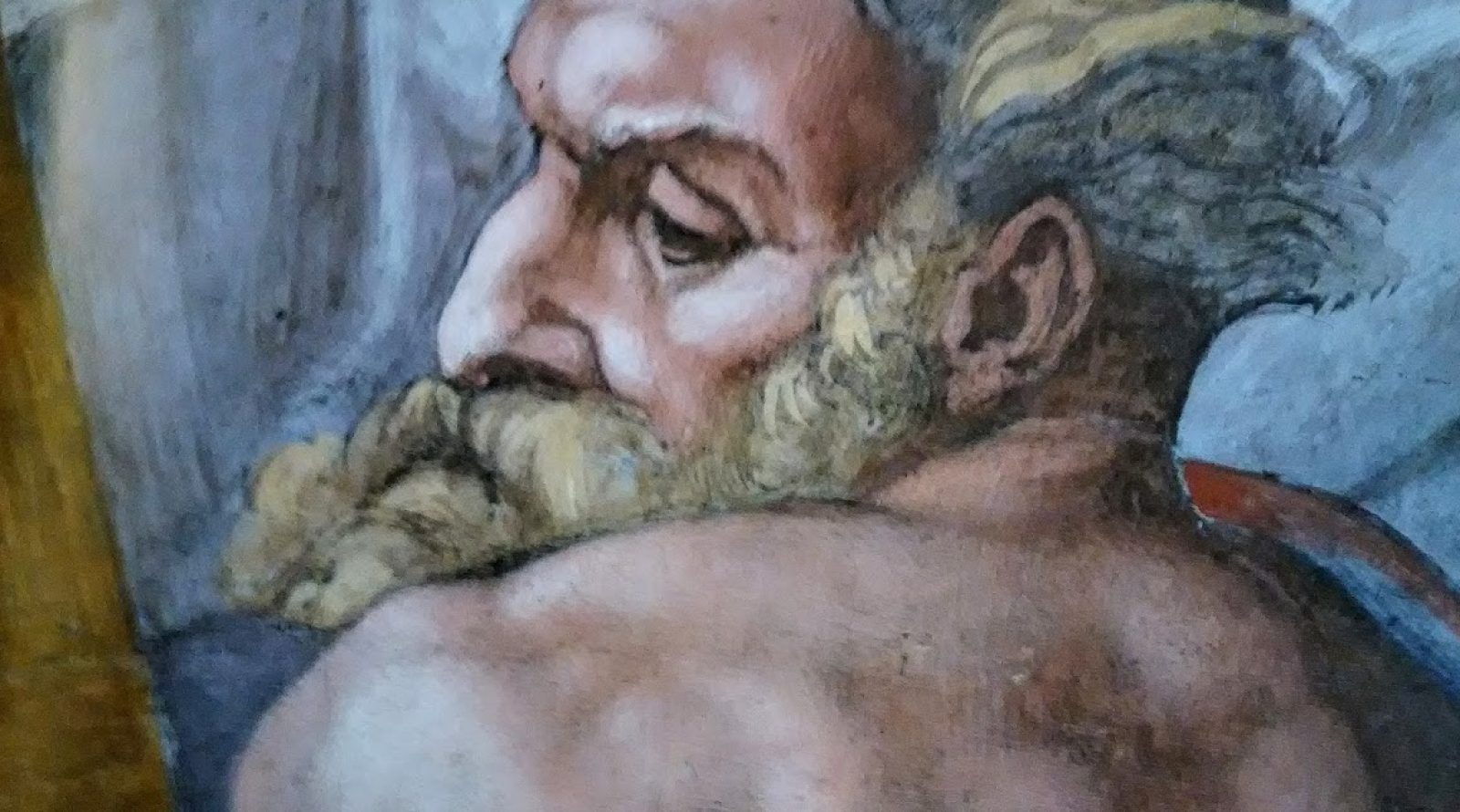
La Scultura del giorno: la Danzatrice col dito al mento di Canova
La scultura del giorno che vi propongo oggi è la Danzatrice col dito al mento di Antonio Canova, realizzata dall’artista per Domenico Manzoni, un facoltoso banchiere di Forlì.
Manzoni avrebbe voluto una preziosa scultura da posizionare in un tempietto della sua dimora e, nel 1814, Canova riuscì a consegnargli la raffinata Danzatrice.
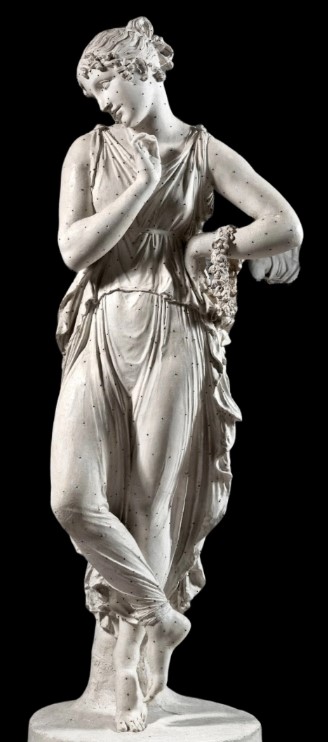
La danza è già di per sé ricerca di bellezza e movimento e Canova adorava raffigurare le ballerine con la loro raffinata gestualità. Lo studio del movimento per l’artista era imprescindibile e un tema ricorrente nelle sue figure eteree che sembrano quasi prive di peso.
La Danzatrice con il dito al mento ha una linea ondeggiante che culmina nel capo leggermente piegato della ragazza. Il movimento delle braccia appena accennato e le vesti che sembrano sottili e mosse dai passi di danza, suggeriscono un senso di leggerezza sublime.
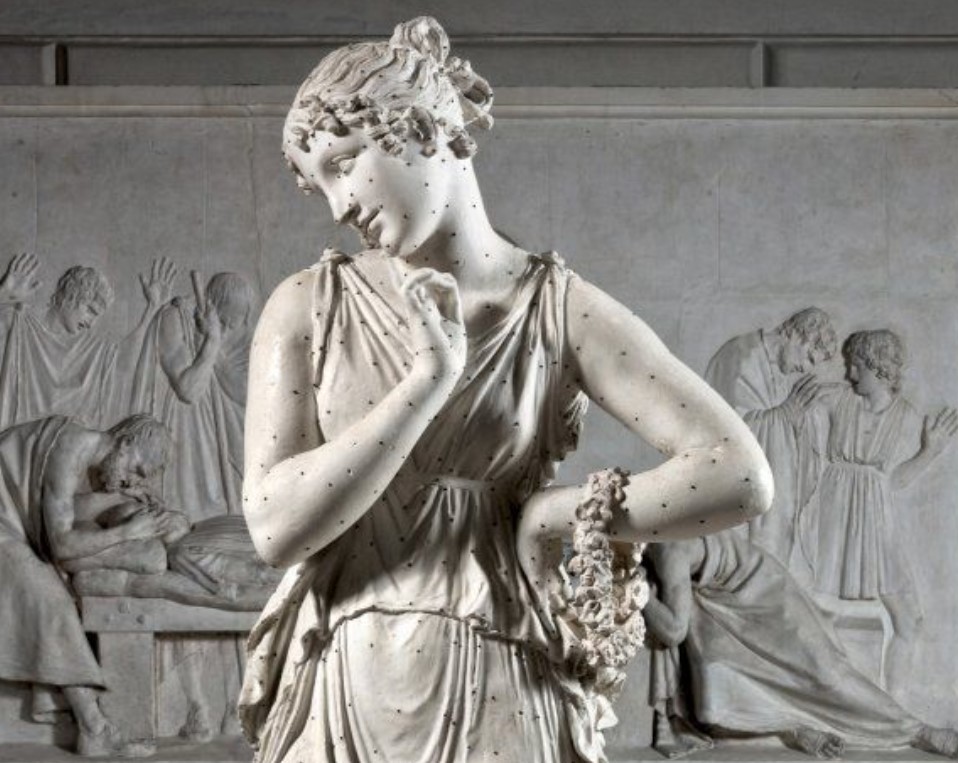
L’originale scultoreo canoviano è dato per disperso ma il Museo Gypsoteca Canova di Possagno custodisce il gesso originale dell’opera.

Non esistono repliche di quest’opera realizzate da Canova ma nel corso degli anni sono state fatte numerosissime copie di altra mano, fra le quali la più nota è quella appartenente alla Galleria di Arte Antica di Palazzo Corsini, a Roma scolpita da Luigi Benaimé.
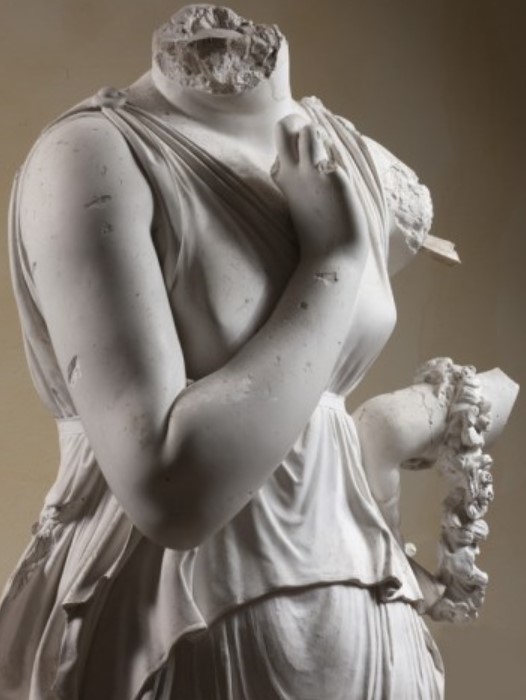
Il gesso originale fu gravemente danneggiato nel 1917 durante il cannoneggiamento che interessò la Gypsoteca.
Per il momento il vostro Michelangelo Buonarroti vi saluta dandovi appuntamento ai prossimi post e sui social.
Sculpture of the day: the Dancer with her finger on her chin by Canova
The sculpture of the day that I propose to you today is the Dancer with her finger on her chin by Antonio Canova, created by the artist for Domenico Manzoni, a wealthy banker from Forlì.
Manzoni would have wanted a precious sculpture to be placed in a small temple in his home and in 1814 Canova managed to deliver the refined Dancer to him.
Dance in itself is already a search for beauty and movement and Canova loved depicting dancers with their refined gestures. The study of movement was essential for the artist and a recurring theme in his ethereal figures that seem almost weightless.
The Dancer with her finger on her chin has a waving line that culminates in the girl’s slightly bent head. the barely visible movement of her arms and the clothes that seem thin and moved by the dance steps suggest a sense of sublime lightness.
The original Canova sculpture is thought to be lost but the Canova Gypsoteca Museum in Possagno preserves the original plaster of the work.
There are no replicas of this work created by Canova but over the years numerous copies have been made by other hands, among which the best known is the one belonging to the Gallery of Ancient Art of Palazzo Corsini, in Rome sculpted by Luigi Benaimé.
The original plaster was seriously damaged in 1917 during the shelling that affected the Gypsoteca.
For the moment, your Michelangelo Buonarroti greets you and will meet you in future posts and on social media.

Sostienici – Support Us
Se questo blog ti piace e ti appassiona, puoi aiutarci a farlo crescere sempre più sostenendoci in modo concreto condividendo i post, seguendo le pagine social e con un contributo che ci aiuta ad andare avanti con il nostro lavoro di divulgazione. . ENGLISH: If you like and are passionate about this blog, you can help us make it grow more and more by supporting us in a concrete way by sharing posts, following social pages and with a contribution that helps us to move forward with our dissemination work.
8,00 €
-
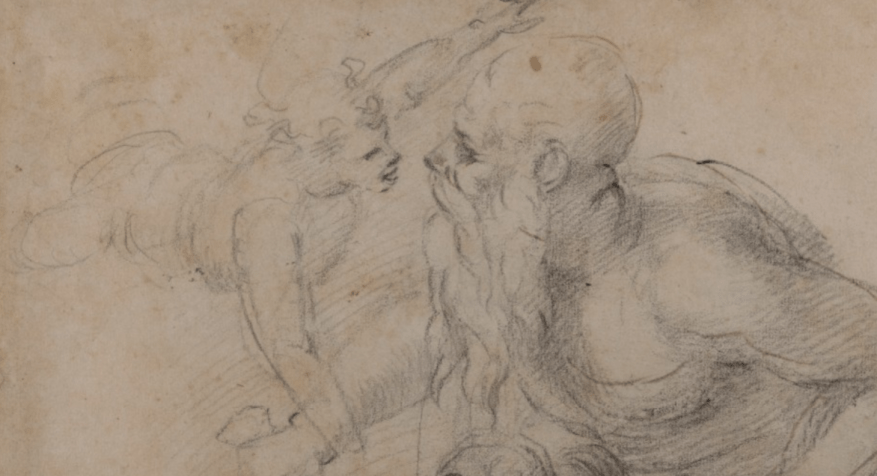
Il Sacrificio di Isacco e quel momento tra la vita e la morte
🇮🇹Oggi voglio raccontarvi alcuni dettagli sul mio disegno del Sacrificio di Isacco, conservato oggi a Casa Buonarroti. Su quel foglio volli tracciare il momento preciso in cui la paura fa spazio al miracolo… 🇬🇧Today I want to tell you some details about my drawing of the Sacrifice of Isaac, now preserved at Casa Buonarroti. On…
-
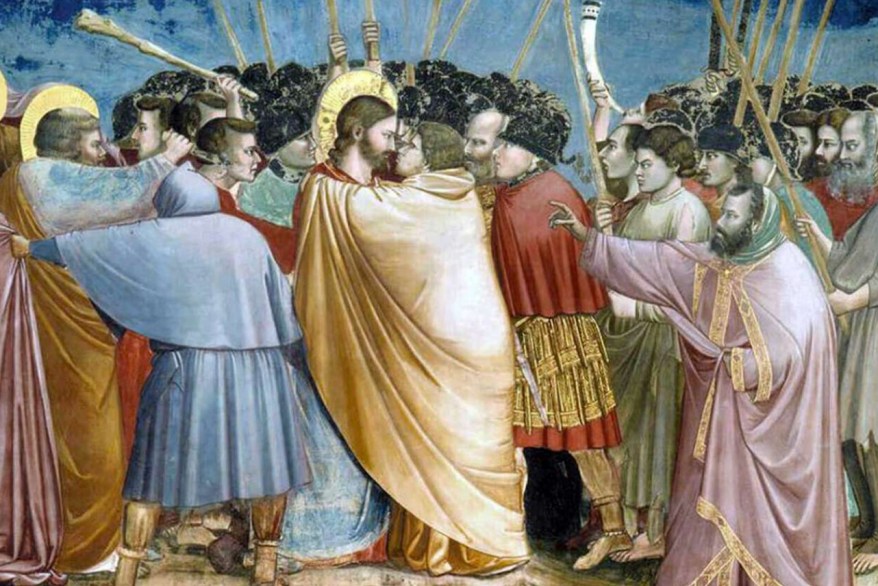
Mercoledì Santo: il giorno del tradimento di Giuda affrescato da Giotto
🇮🇹Il Mercoledì Santo è il giorno del silenzio, della riflessione e del tradimento. È il momento in cui Giuda sceglie di vendere Gesù per trenta denari, segnando uno dei passaggi più dolorosi della Settimana Santa…. 🇬🇧Holy Wednesday is a day of silence, reflection, and betrayal. ✝It is the moment when Judas chooses to sell Jesus…
-
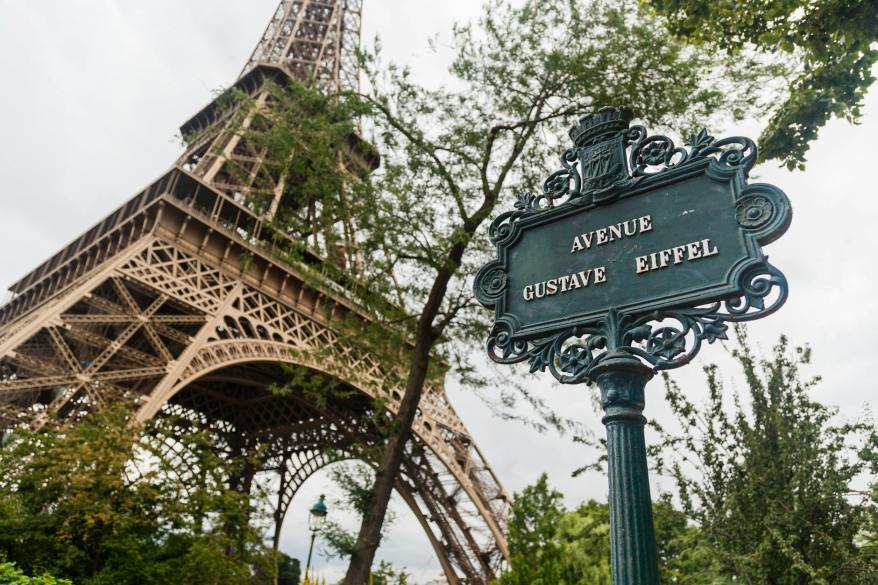
31 marzo 1889: inaugurata la Torre Eiffel tra critiche feroci e un destino inaspettato
🇮🇹Il 31 marzo 1889 segna una data destinata a cambiare per sempre il volto di Parigi e dell’immaginario collettivo globale: viene inaugurata la Torre Eiffel, l’opera più audace e discussa del suo tempo… 🇬🇧March 31, 1889 marks a date destined to change the face of Paris and the global collective imagination forever: the Eiffel Tower,…
Condividi:


Questo sono io





sostienici

Sostienici – Support Us
Se questo blog ti piace e ti appassiona, puoi aiutarci a farlo crescere sempre più sostenendoci in modo concreto condividendo i post, seguendo le pagine social e con un contributo che ci aiuta ad andare avanti con il nostro lavoro di divulgazione. . ENGLISH: If you like and are passionate about this blog, you can help us make it grow more and more by supporting us in a concrete way by sharing posts, following social pages and with a contribution that helps us to move forward with our dissemination work.
€10,00


