
La Scultura del giorno: Ebe di Victor Huguenin
La scultura del giorno che vi propongo oggi è la raffinata Ebe dello scultore francese Victor Huguenin, presentata al Salone di Parigi nel 1847.
Huguenin volle raffigurare la figura della dea associata alla primavera e alla giovinezza dando prova della sua abilità tecnica e artistica. Si mise al lavoro con gli attrezzi del mestiere per rappresentre l’eterna giovinezza e l’energia vitale che Ebe simboleggia.

Ebe appare giovane e radiosa, con una veste panneggiata che le lascia scoperto il busto e con i capelli trattenuti da un nastro sul capo.
Ogni dettaglio dell’Ebe, dai riccioli che le ricadono sulle spalle alle delicate pieghe della veste, rivelano l’abilità tecnica dello scultore francese Huguenin.
Girando attorno all’opera per apprezzarne le fattezze a tutto tondo, i giochi di ombre e luce che la caratterizzano la animano.

Chi è Ebe?
Ebe è una figura appartenente alla mitologia greca. Era la figlia di Zeus, il re degli dei, e della consorte Era. Nota per essere la dea che serviva l’ambrosia, cibo degli dei e nettare divino durante i banchetti dell’Olimpo. Aveva il compito di mantenere la giovinezza e l’immortalità degli dei attraverso l’offerta di questa divina bevanda.
La sua bellezza era considerate l’impersonificazione della gioventù. Spesso veniva rappresentata come una giovane donna radiosa, vestita di bianco e con una corona di fiori, simbolo della primavera e del risveglio della natura. In questo caso lo sculture Huguenin non le mise fiori sul capo ma un più semplice nastro che le trattiene i capelli.
La scultura di Ebe oggi appartiene alle collezioni del Palais des Beaux-Arts de Lille, in Francia
Per il momento il vostro Michelangelo Buonarroti vi saluta dandovi appuntamento ai prossimi post e sui social.

Sculpture of the day: Hebe by Victor Huguenin
The sculpture of the day that I propose to you today is the refined Hebe by the French sculptor Victor Huguenin, presented at the Paris Salon in 1847.
Huguenin wanted to depict the figure of the goddess associated with spring and youth, demonstrating his technical and artistic ability. He set to work with the tools of the trade to represent the eternal youth and vital energy that Hebe symbolizes.
Hebe appears young and radiant, with a draped dress that leaves her bust exposed and with her hair held back by a ribbon on her head.
Every detail of the Hebe, from the curls that fall over her shoulders to the delicate folds of her dress, reveal the technical skill of the French sculptor Huguenin.
Going around her work to appreciate its all-round features, the play of shadows and light that characterize it enliven it.
Who is Hebe?
Hebe is a figure belonging to Greek mythology. She was the daughter of Zeus, the king of the gods, and his consort Hera. She is known for being the goddess who served ambrosia, food of the gods and divine nectar during Olympian banquets. She had the task of maintaining the youth and immortality of the gods through the offering of this divine drink.
Her beauty was considered the embodiment of youth. She was often represented as a radiant young woman, dressed in white and with a crown of flowers, a symbol of spring and the awakening of nature. In this case the sculptor Huguenin did not place flowers on her head but a simpler ribbon that holds her hair back.
The Hebe sculpture today belongs to the collections of the Palais des Beaux-Arts de Lille, France
For the moment, your Michelangelo Buonarroti greets you and will meet you in future posts and on social media.

Sostienici – Support Us
Se questo blog ti piace e ti appassiona, puoi aiutarci a farlo crescere sempre più sostenendoci in modo concreto condividendo i post, seguendo le pagine social e con un contributo che ci aiuta ad andare avanti con il nostro lavoro di divulgazione. . ENGLISH: If you like and are passionate about this blog, you can help us make it grow more and more by supporting us in a concrete way by sharing posts, following social pages and with a contribution that helps us to move forward with our dissemination work.
8,00 €
-
Festival La Versiliana 2026: tra musica, teatro e grandi narrazioni
Dal 17 luglio al 23 agosto 2026, la pineta di Marina di Pietrasanta ospiterà la 47ª edizione del Festival La Versiliana. Una kermesse aperta a tutti nella quale linguaggi diversi dialogano tra loro in un equilibrio tra tradizione e contemporaneità.
-
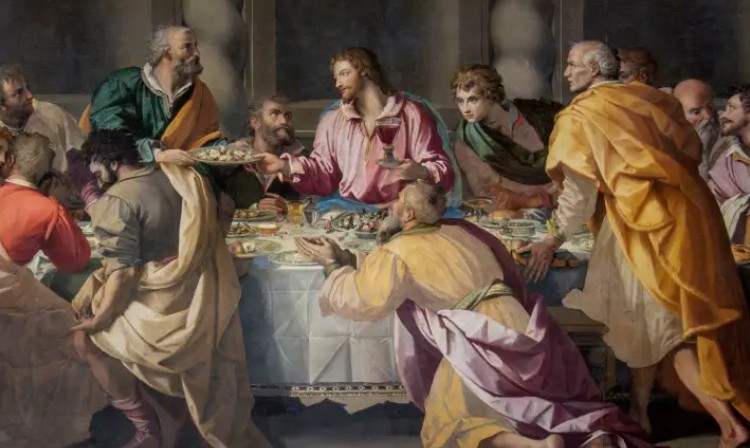
Giovedì Santo: l’Ultima Cena di Allori che pochi conoscono a Firenze
🇮🇹Nel cuore di Museo di Santa Maria Novella, a Firenze, si conserva una delle interpretazioni più affascinanti e meno note dell’Ultima Cena: quella realizzata da Alessandro Allori nel 1584… 🇬🇧In the heart of the Santa Maria Novella Museum in Florence, one of the most fascinating and least-known interpretations of the Last Supper is preserved: the…
-
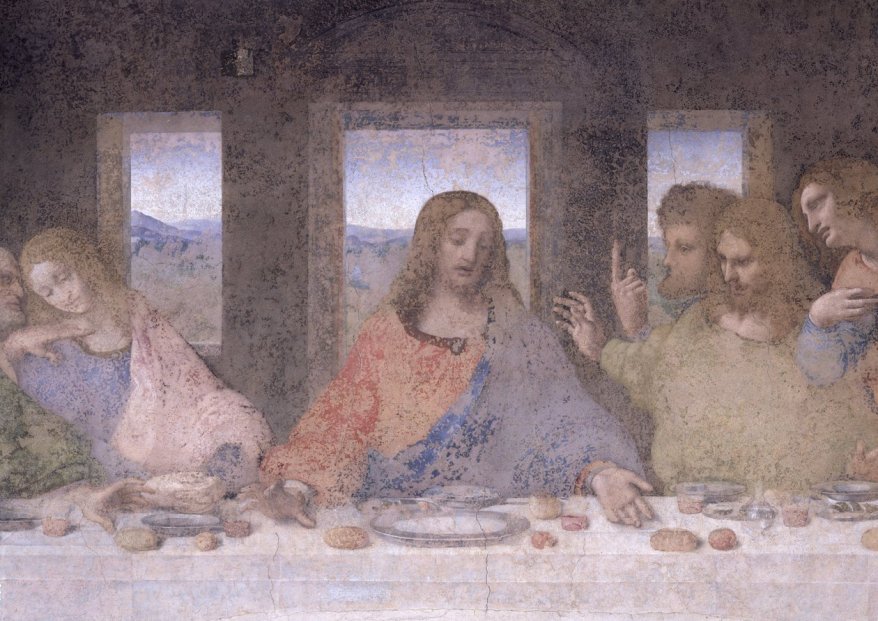
Cenacolo di Leonardo: i dettagli che raccontano il tradimento
🇮🇹Nel Cenacolo di Leonardo da Vinci, custodito a Santa Maria delle Grazie, Cristo annuncia il tradimento e il tempo si ferma… 🇬🇧In Leonardo da Vinci’s Last Supper, housed in Santa Maria delle Grazie, Christ announces the betrayal and time stands still…
Condividi:


Questo sono io





sostienici

Sostienici – Support Us
Se questo blog ti piace e ti appassiona, puoi aiutarci a farlo crescere sempre più sostenendoci in modo concreto condividendo i post, seguendo le pagine social e con un contributo che ci aiuta ad andare avanti con il nostro lavoro di divulgazione. . ENGLISH: If you like and are passionate about this blog, you can help us make it grow more and more by supporting us in a concrete way by sharing posts, following social pages and with a contribution that helps us to move forward with our dissemination work.
€10,00


