
Lo Schiavo Ribelle
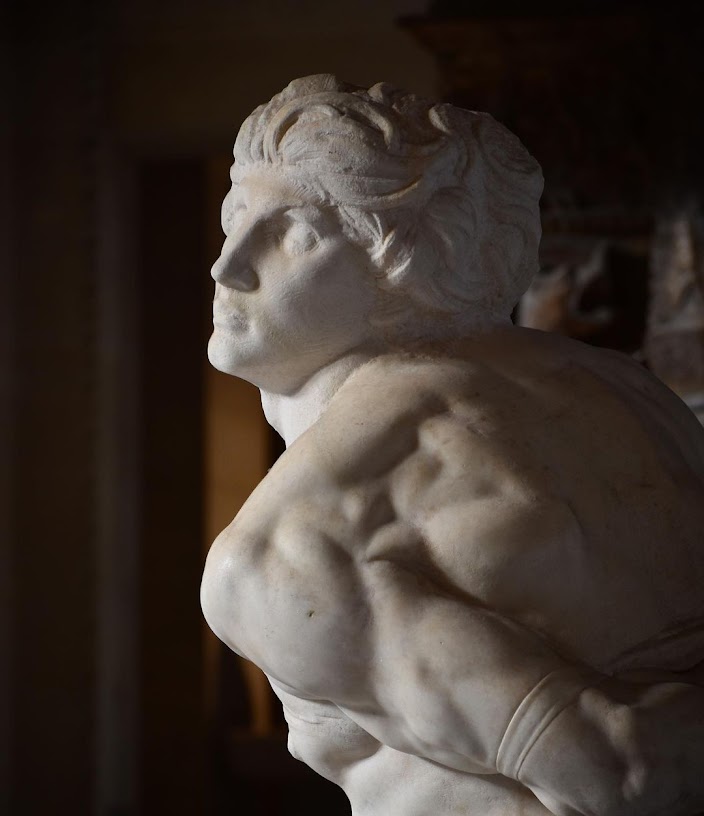
Lo Schiavo Ribelle è un dei due prigioni appartenente al Museo del Louvre ma se pensate che sia un’opera rubata da Napoleone siete in errore.
Fui io a regalarlo assieme allo Schiavo Morente a Roberto Strozzi per ringraziarlo di quando mi accolse a casa sua durante i miei lunghi e dolorosi periodi di malattia.
Lo Strozzi poi fu esiliato a Lione e volle portare con sé a proprie spese le due sculture.
Dopo diverse vicissitudini e un lungo periodo in cui furono esposti alle intemperie, furono trasferiti in via definitiva al Louvre.
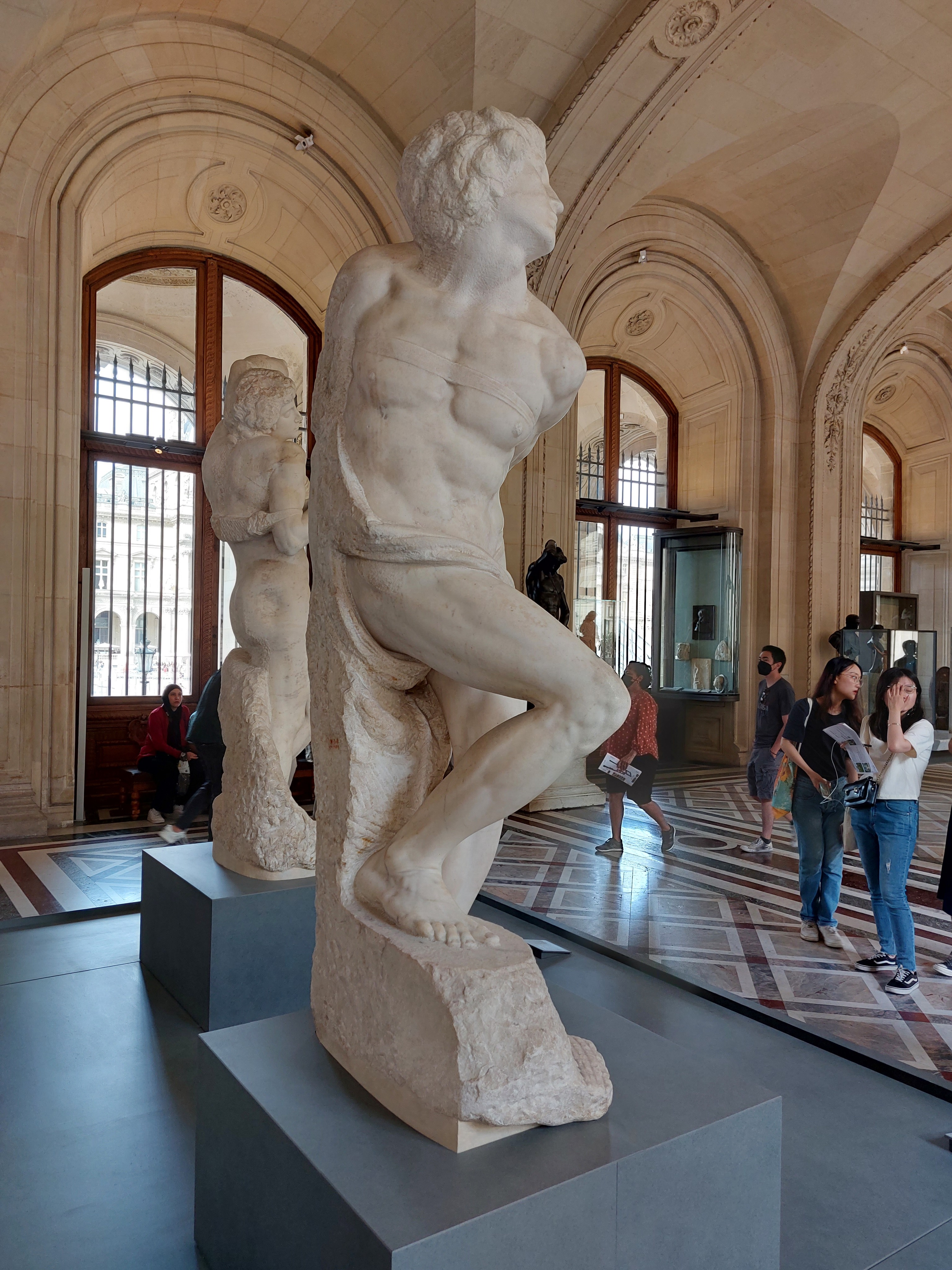
Lo Schiavo Ribelle deve il suo nome alla posa che gli volli far assumere. Quell’atteggiamento con le membra contratte e le braccia legate dietro la schiena che pare tentino di divincolarsi, fanno pensare a un prigioniero del marmo nonchè della propria condizione umana.
Osservate con attenzione il moto a spirale del corpo.
Anche in questo caso volli dare all’opera ha una posa serpentinata per aumentarne il dinamismo. E’ un po’ una caratteristica che hanno la maggior parte di figure che realizzai nel corso della mia vita, sia scolpite che dipinte oppure disegnate.

La scultura in questione avrebbe dovuto essere una delle quaranta del progetto iniziale della tomba di Giulio II. Alla fine però, dopo i diversi contratti di ridimensionamento dell’opera e la morte del committente Giulio II, non avrebbe più potuto essere inserita nel complesso scultoreo.
Lo Schiavo Ribelle avrebbe dovuto essere inserito in uno degli angoli del monumento funebre. Guardate infatti la spalla destra che praticamente non esiste e il rispettivo lato dell’opera che di fatto è piatto.
La posa del torace ha molte affinità con quella del celeberrimo Torso del Belvedere dei Musei Vaticani che ben conoscevo.
Una curiosità. Questo è l’unico Prigione di cui faccio menzione direttamente in una lettera mentre degli altri non esistono documenti tangibili e soprattutto scritti di pugno mio.
Misi nero su bianco di aver ricevuto il Signorelli in visita a casa mia a Macel de’ Corvi a Roma mentre stavo lavorando “In sur una figura di marmo, ritta, alta quattro braccia, che à le mani dietro”.
Per il momento il vostro Michelangelo Buonarroti vi saluta dandovi appuntamento ai prossimi post e sui social.
The Rebel Slave
The Rebel Slave is one of the two prisons belonging to the Louvre Museum but if you think it is a work stolen by Napoleon you are wrong.
It was I who gave it together with the Dying Slave to Roberto Strozzi to thank him when he welcomed me into his home during my long and painful periods of illness. Strozzi was then exiled to Lyon and wanted to take the two sculptures with him at his own expense.
After several vicissitudes and a long period in which they were exposed to the elements, they were definitively transferred to the Louvre
The Rebel Slave owes its name to the pose I struck in it. That attitude of the contracted limbs and the arms tied behind the back that seem to be trying to free themselves suggests a prisoner of marble and of his human condition.
Observe carefully the spiral motion of the body. Also in this I wanted to give the work a serpentine pose that allows to increase its dynamism. It is somewhat of a characteristic that most of the figures I made in the course of my life have, both sculpted and painted or drawn.
The sculpture in question should have been one of forty in the initial project for the tomb of Julius II. In the end however, after the various contracts for the downsizing of the work and the death of the client Julius II, it could no longer be included in the sculptural complex.
The Rebel Slave should in fact have been inserted in a corner of the funeral monument. In fact, look at the right shoulder which practically does not exist and the respective side of the work which is in fact flat.
The pose of the chest has many affinities with that of the famous Belvedere Torso of the Vatican Museums that I knew well.
a curiosity. this is the only prison that I mention directly in a letter while of the others there are no tangible documents and above all written in my own hand.
I put pen to paper that I had received Signorelli visiting my home in Macel de’ Corvi in Rome while I was working “on a marble figure, standing, four arms high, with its hands behind it”.
For the moment, your Michelangelo Buonarroti greets you by making an appointment for the next posts and on social media.

Sostienici – Support Us
Se questo blog ti piace e ti appassiona, puoi aiutarci a farlo crescere sempre più sostenendoci in modo concreto condividendo i post, seguendo le pagine social e con un contributo che ci aiuta ad andare avanti con il nostro lavoro di divulgazione. . ENGLISH: If you like and are passionate about this blog, you can help us make it grow more and more by supporting us in a concrete way by sharing posts, following social pages and with a contribution that helps us to move forward with our dissemination work.
8,00 €
-
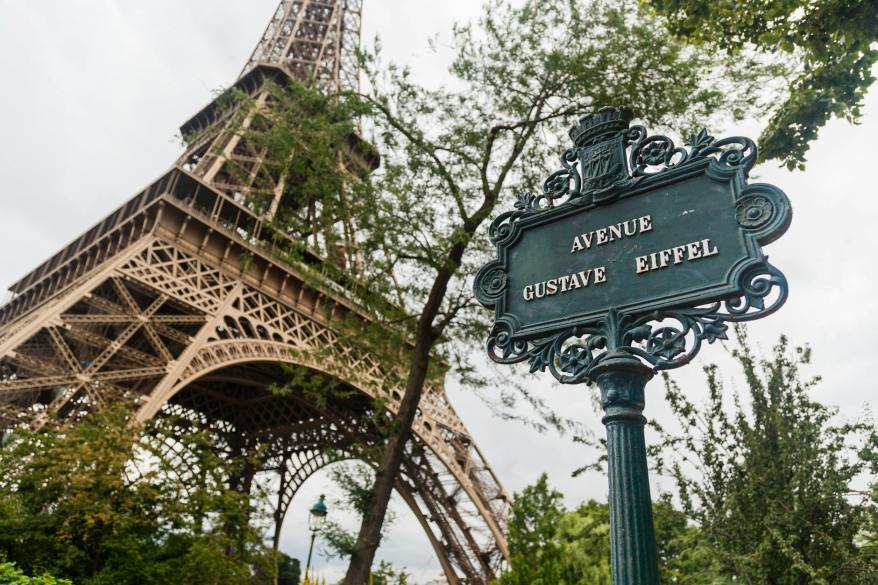
31 marzo 1889: inaugurata la Torre Eiffel tra critiche feroci e un destino inaspettato
🇮🇹Il 31 marzo 1889 segna una data destinata a cambiare per sempre il volto di Parigi e dell’immaginario collettivo globale: viene inaugurata la Torre Eiffel, l’opera più audace e discussa del suo tempo… 🇬🇧March 31, 1889 marks a date destined to change the face of Paris and the global collective imagination forever: the Eiffel Tower,…
-
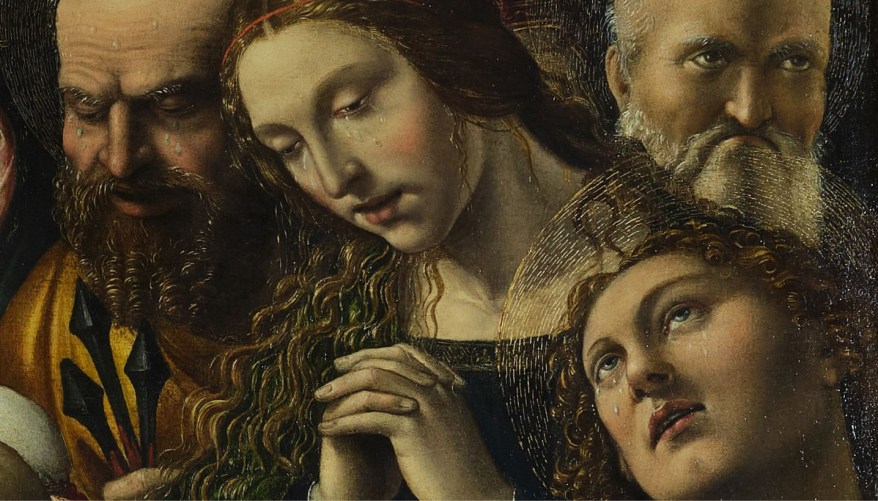
Sodoma in mostra a Torino: il Rinascimento al Museo Accorsi-Ometto
🇮🇹Al Museo di Arti Decorative Accorsi-Ometto arriva una mostra dedicata al Sodoma: oltre 50 opere, alcune mai viste prima, raccontano la formazione dell’artista e il suo dialogo con maestri come Pinturicchio… 🇬🇧An exhibition dedicated to Sodoma arrives at the Accorsi-Ometto Museum of Decorative Arts: over 50 works, some never before seen, recount the artist’s development…
-
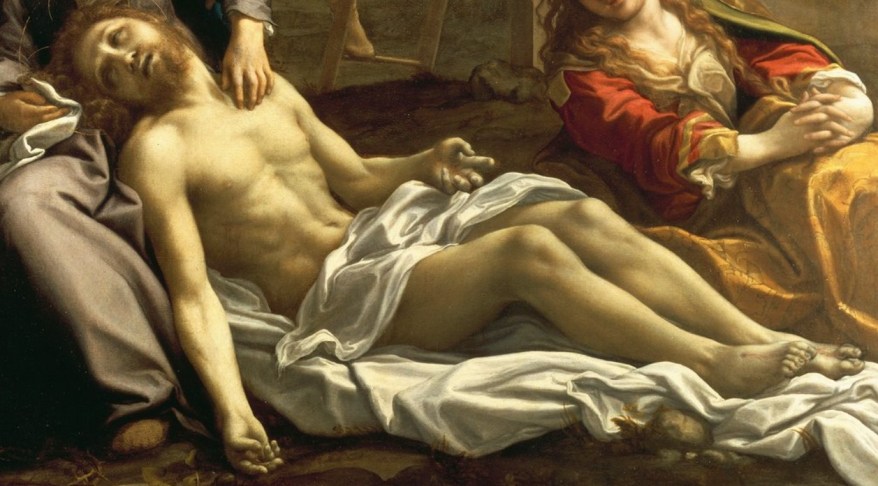
Il Compianto sul Cristo morto di Correggio: pathos e devozione
🇮🇹Con l’inizio della Settimana Santa, vi propongo il Compianto sul Cristo morto di Antonio Allegri, più noto come il Correggio: uno dei vertici assoluti della pittura emiliana del Cinquecento… 🇬🇧With the beginning of Holy Week, I propose the Lamentation over the Dead Christ by Antonio Allegri, better known as Correggio: one of the absolute peaks…
Condividi:


Questo sono io





sostienici

Sostienici – Support Us
Se questo blog ti piace e ti appassiona, puoi aiutarci a farlo crescere sempre più sostenendoci in modo concreto condividendo i post, seguendo le pagine social e con un contributo che ci aiuta ad andare avanti con il nostro lavoro di divulgazione. . ENGLISH: If you like and are passionate about this blog, you can help us make it grow more and more by supporting us in a concrete way by sharing posts, following social pages and with a contribution that helps us to move forward with our dissemination work.
€10,00


incredibile la bellezza di quella muscolatura trattenuta
"Mi piace""Mi piace"
eh si
"Mi piace""Mi piace"