

La Scultura del giorno: Ganimede stante con l’aquila di Giove di Pacetti
La Scultura del giorno che vi propongo oggi è il Ganimede stante con l’aquila di Giove, opera scolpita da Camillo Pacetti, oggi appartenente al Seminario Vescovile di Cremona.
Osservando il lavoro del Pacetti è difficile non andare subito a ripescare nella mente il Gamimede ideato qualche anno prima da Berthel Thorvaldsen sebbene la posa sia diversa.
Il giovane scolpito da Pacetti però appare più statico: tiene la tazza di ambrosia, simbolo dell’ascesa del genere umano all’immortalità attraverso l’amore e la bellezza, con la mano sinistra mentre con il braccio cinge Giove con le sembianze di aquila.

A catturare l’attenzione in questa opera è lo sguardo che si scambiano i due protagonisti. Uno sguardo intenso e profondo che rende palpabile il loro legame.
La scultura in marmo fu ultimata dal Pacetti nel 1819 e presentata lo stesso anno a Brera. Quando Gaetano Bolzesi la vide se ne innamorò e volle acquistarla per arricchire il suo palazzo di Cremona, finemente decorato da artisti di tutto rispetto quali Luigi Sabatelli e Gaetano Matteo Monti di Ravenna.

Bolzesi, dopo quel prezioso acquisto, volle commissionare proprio a Matteo Monti una scultura che potesse fare da pendant al Ganimede, scegliendo come soggetto Tersicore.
Camillo Pacetti era nato a Roma nel 1758 ed ebbe modo di formarsi presso l’Accademia di San Luca. Lavorò come scultore in varie chiese della città fino a quando, su indicazione di Canova, ricevette la proposta di prendere la cattedra di scultura all’Accademia di Belle Arti di Brera per sostituire Giuseppe Franchi.

Fu così che arrivò a Milano e, oltre a insegnare scultura, si dedicò a numerose commissioni pubbliche.
Poco dopo ver terminato di scolpire il Ganimede, nel 1822, Pacetti fu colpito da una paresi parziale che più avanti gli avrebbe impedito di fare quello che più gli piaceva: dar forma con mazzuolo e scalpello alle sue divine opere.
L’artista morì a Milano nel luglio del 1826 e le sue spoglie riposano nel cimitero di porta Comasina.
Per il momento il vostro Michelangelo Buonarroti vi saluta dandovi appuntamento ai prossimi post e sui social.

Sculpture of the day: Ganymede standing with the eagle of Jupiter by Pacetti
The Sculpture of the day that I propose to you today is Ganymede standing with the eagle of Jupiter, a work sculpted by Camillo Pacetti, now belonging to the Episcopal Seminary of Cremona.
Observing Pacetti’s work it is difficult not to immediately recall the Gamimede conceived a few years earlier by Berthel Thorvaldsen although the pose is different.
However, the young man sculpted by Pacetti appears more static: he holds the cup of ambrosia, symbol of the rise of mankind to immortality through love and beauty, with his left hand while his arm encircles Jupiter with the appearance of an eagle.
What captures the attention in this work is the look that the two protagonists exchange. An intense and deep gaze that makes their bond palpable.
The marble sculpture was completed by Pacetti in 1819 and presented the same year at Brera. When Gaetano Bolzesi saw it, he fell in love with it and wanted to buy it to enrich his palace in Cremona, finely decorated by highly respected artists such as Luigi Sabatelli and Gaetano Matteo Monti from Ravenna.
Bolzesi, after that precious purchase, wanted to commission Matteo Monti a sculpture that he could make as a pendant to the Ganymede, choosing Terpsichore as the subject.
Camillo Pacetti was born in Rome in 1758 and was able to train at the Accademia di San Luca. He worked as a sculptor in various churches in the city until, on the advice of Canova, he received the proposal to take up the chair of sculpture at the Brera Academy of Fine Arts to replace Giuseppe Franchi.
Thus it was that he arrived in Milan and, in addition to teaching sculpture, he dedicated himself to numerous public commissions.
Shortly after having finished sculpting the Ganymede, in 1822, Pacetti was struck by a partial paralysis which would later prevent him from doing what he liked most: giving shape to his divine works with a mallet and chisel.
The artist died in Milan in July 1826 and his remains rest in the cemetery of Porta Comasina.
For the moment, your Michelangelo Buonarroti greets you by making an appointment for the next posts and on social media.

Sostienici – Support Us
Se questo blog ti piace e ti appassiona, puoi aiutarci a farlo crescere sempre più sostenendoci in modo concreto condividendo i post, seguendo le pagine social e con un contributo che ci aiuta ad andare avanti con il nostro lavoro di divulgazione. . ENGLISH: If you like and are passionate about this blog, you can help us make it grow more and more by supporting us in a concrete way by sharing posts, following social pages and with a contribution that helps us to move forward with our dissemination work.
8,00 €
-
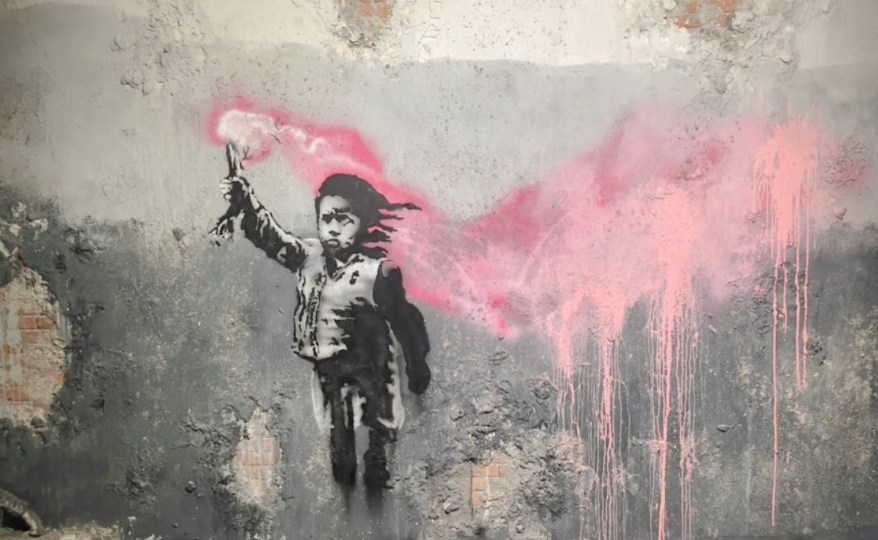
Chi è davvero Banksy? Reuters svela l’identità segreta del re della street art
🇮🇹Reuters svela l’identità di Banksy: secondo l’inchiesta, il celebre artista di graffiti sarebbe Robin Gunningham, il volto nascosto dietro il mito della street art.. 🇬🇧Reuters reveals Banksy’s identity: according to the investigation, the famous graffiti artist is Robin Gunningham, the hidden face behind the myth of street art..
-
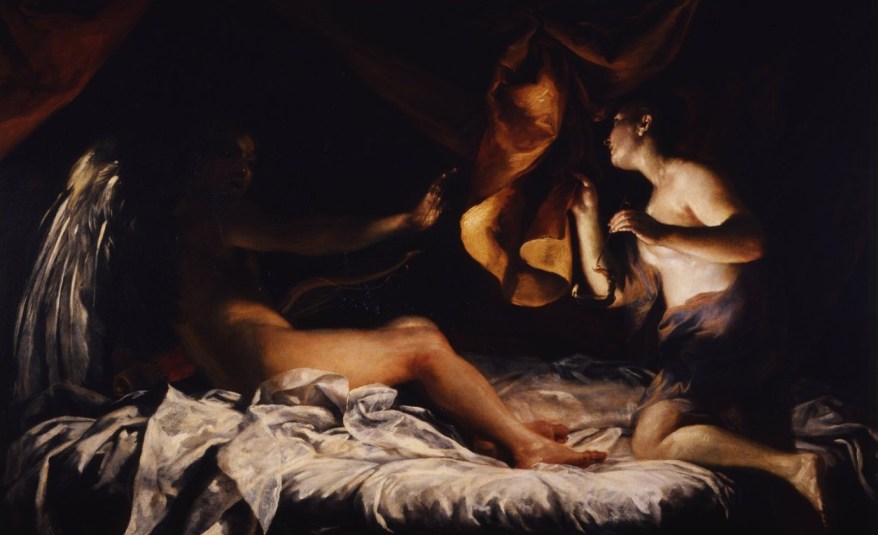
14 marzo 1665: nasce Giuseppe Maria Crespi, lo Spagnoletto che rese moderna la pittura del quotidiano
🇮🇹Il 14 marzo 1665 nasce a Bologna Giuseppe Maria Crespi, detto lo Spagnoletto: il pittore che portò nella pittura barocca scene di vita quotidiana e una sorprendente modernità… 🇬🇧Giuseppe Maria Crespi, known as lo Spagnoletto, was born in Bologna on March 14, 1665: the painter who brought scenes of everyday life and a surprising modernity…
-
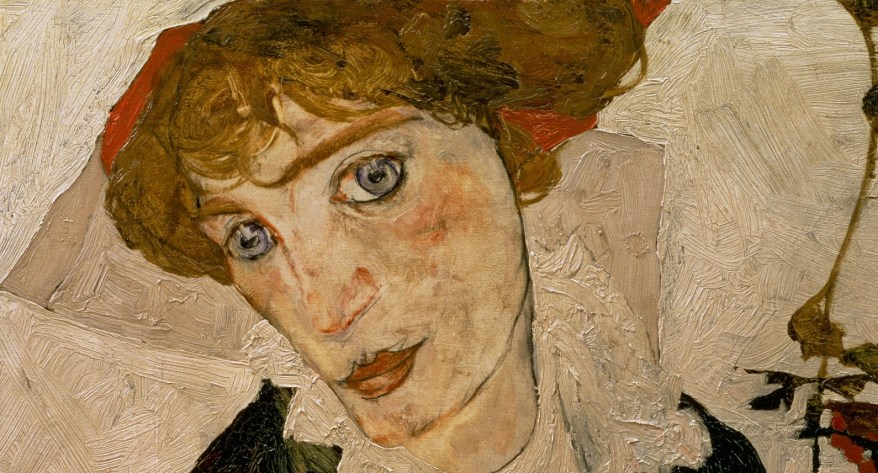
Egon Schiele, genio e scandalo: al cinema il docufilm evento sulla Vienna ribelle del Novecento
TABÙ. Egon Schiele arriva al cinema il 20, 21 e 22 aprile con La Grande Arte al Cinema: un docufilm evento sulla vita e l’arte del genio ribelle della Vienna del Novecento…
Condividi:


Questo sono io





sostienici

Sostienici – Support Us
Se questo blog ti piace e ti appassiona, puoi aiutarci a farlo crescere sempre più sostenendoci in modo concreto condividendo i post, seguendo le pagine social e con un contributo che ci aiuta ad andare avanti con il nostro lavoro di divulgazione. . ENGLISH: If you like and are passionate about this blog, you can help us make it grow more and more by supporting us in a concrete way by sharing posts, following social pages and with a contribution that helps us to move forward with our dissemination work.
€10,00


