
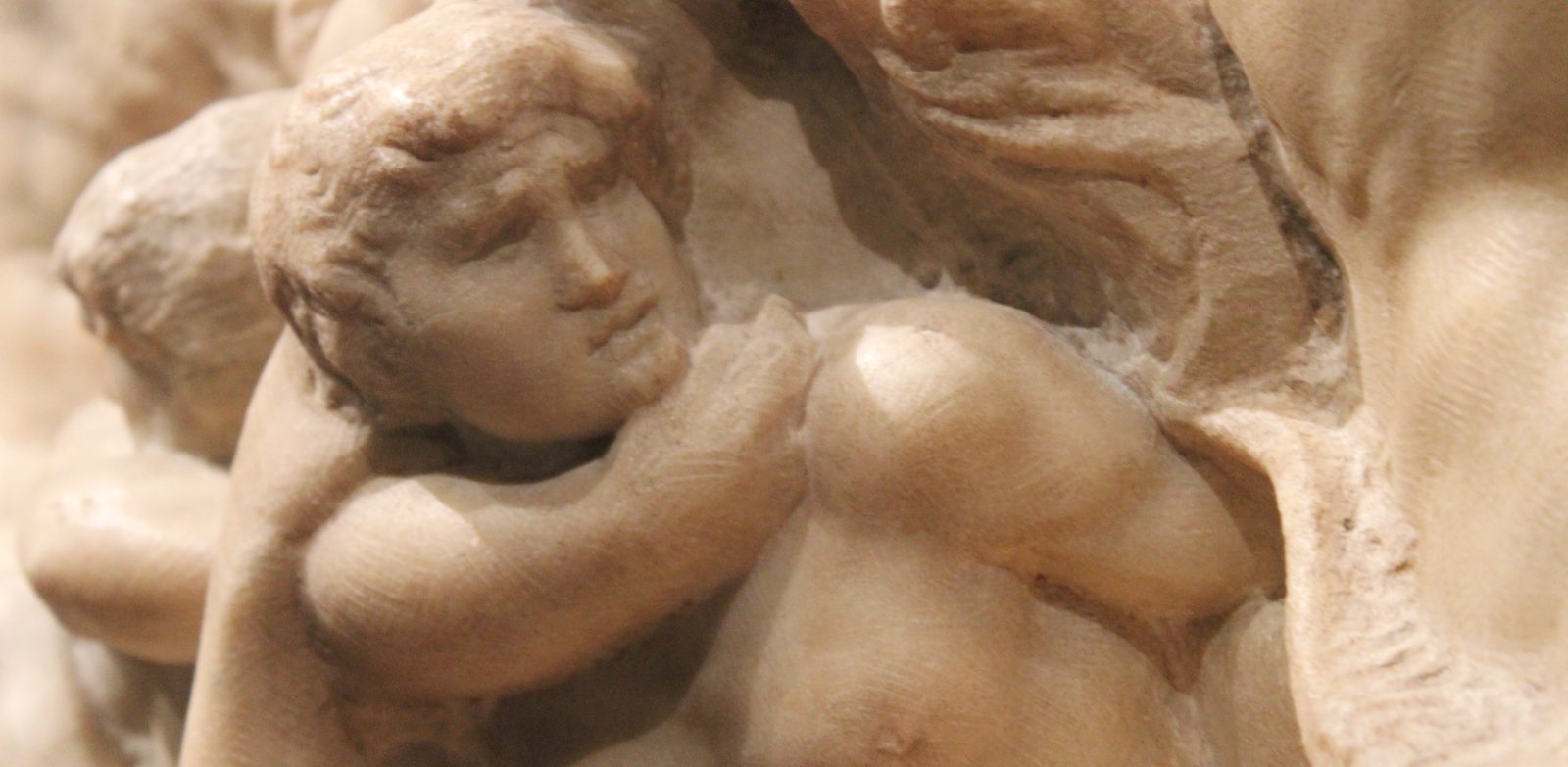
Come realizzai le figure senza cartone nella volta della Sistina
Per trasferire l’immagine dal cartone preparatorio degli affreschi della volta della Sistina, usai sia la tecnica dello spolvero che quella dell’incisione ma non solo.
La tecnica dello spolvero è molto laboriosa ma consente di passare con più precisione il disegno del cartone sull’intonaco ancora fresco. Vengono praticati dei fori su tutte le linee presenti nel disegno e poi, una volta appoggiato il cartone sulla superficie preparata per accogliere l’affresco, si tampona il foglio con un sacchetto di tela contenente della polvere di carbone.

La tecnica dell’incisione invece non richiede alcuna foratura. Il foglio con la scena da riprodurre in questo caso viene appoggiato sull’intonaco e si ripassano le linee con una punta metallica in modo da lasciare un solco sulla superficie ancora fresca.
Non tutte le figure presenti nella volta della Sistina però le riportai in uno di questi modi sulla superficie da dipingere: alcune le dipinsi senza ricorrere all’ausilio di un cartone.
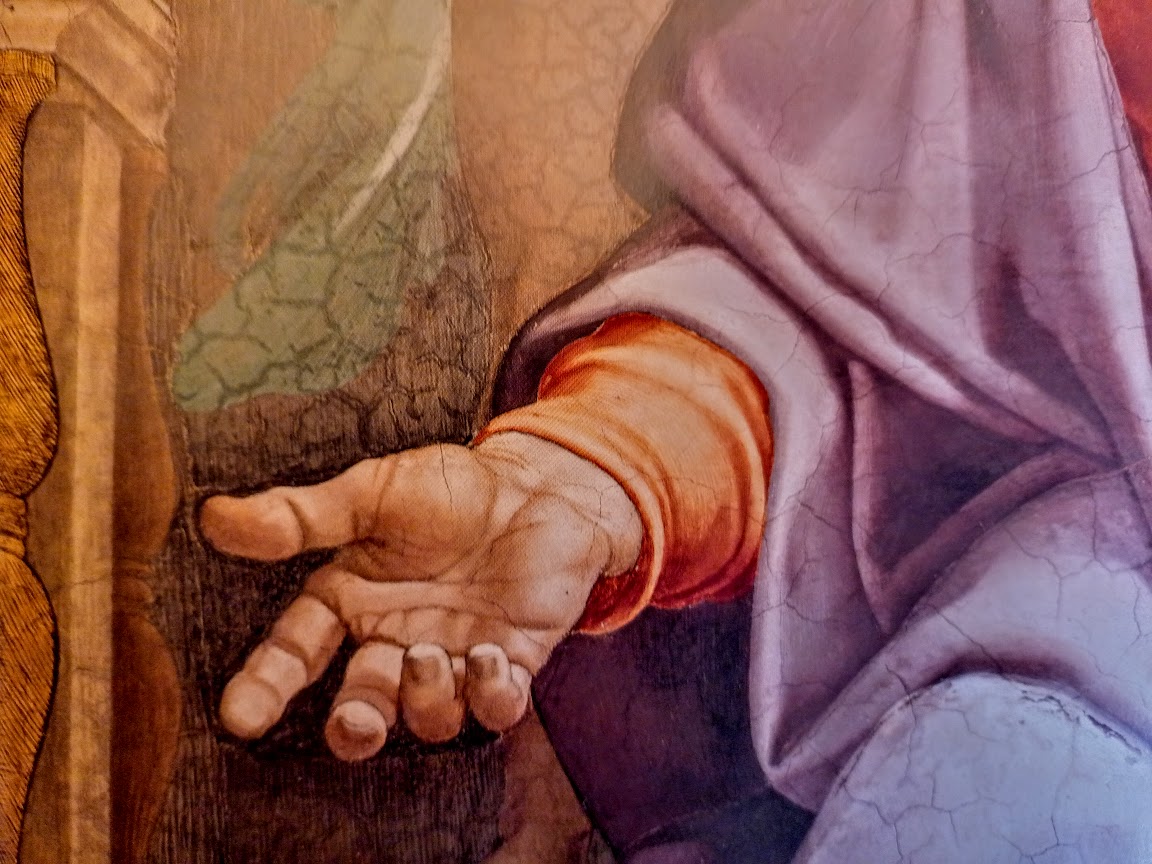
Le tracciai direttamente sull’intonaco fresco, eseguendo un disegno sommario preliminare con il colore nero per delinearne i contorni in modo sommario.
I medaglioni bronzei invece sono un caso a parte. Prima stesi in affresco il fondo color bruno e poi ci disegnai sopra a secco un disegno a pennello usando sempre in nero e procedetti con la pittura a secco per poter poi eseguire le dorature.

Per il momento il vostro Michelangelo Buonarroti vi saluta dandovi appuntamento ai prossimi post e sui social.
How I made the figures without cardboard in the vault of the Sistine Chapel
To transfer the image from the preparatory cartoon of the frescoes in the vault of the Sistine Chapel, I used both the dusting and the engraving techniques, but not only that.
The dusting technique is very laborious but allows you to pass the drawing of the cardboard on the still fresh plaster with more precision. Holes are made on all the lines present in the drawing and then, once the cardboard has been placed on the surface prepared to receive the fresco, the sheet is dabbed with a canvas bag containing charcoal powder.
The engraving technique, on the other hand, does not require any drilling. The sheet with the scene to be reproduced in this case is placed on the plaster and the lines are passed over with a metal point in order to leave a groove on the still fresh surface.
Not all the figures present in the vault of the Sistine Chapel, however, I brought them back to the surface to be painted in one of these ways: I painted some of them without resorting to the aid of a cardboard.
I traced them directly on the fresh plaster, making a preliminary summary drawing with black color to outline the outlines in a summary way.
The bronze medallions, on the other hand, are a special case. First I spread the brown background in the fresco and then I drew a dry brush drawing over it, always using black and proceeded with the dry painting in order to then be able to do the gilding.
For the moment, your Michelangelo Buonarroti greets you by making an appointment for the next posts and on social media.

Sostienici – Support Us
Se questo blog ti piace e ti appassiona, puoi aiutarci a farlo crescere sempre più sostenendoci in modo concreto condividendo i post, seguendo le pagine social e con un contributo che ci aiuta ad andare avanti con il nostro lavoro di divulgazione. . ENGLISH: If you like and are passionate about this blog, you can help us make it grow more and more by supporting us in a concrete way by sharing posts, following social pages and with a contribution that helps us to move forward with our dissemination work.
6,00 €
-
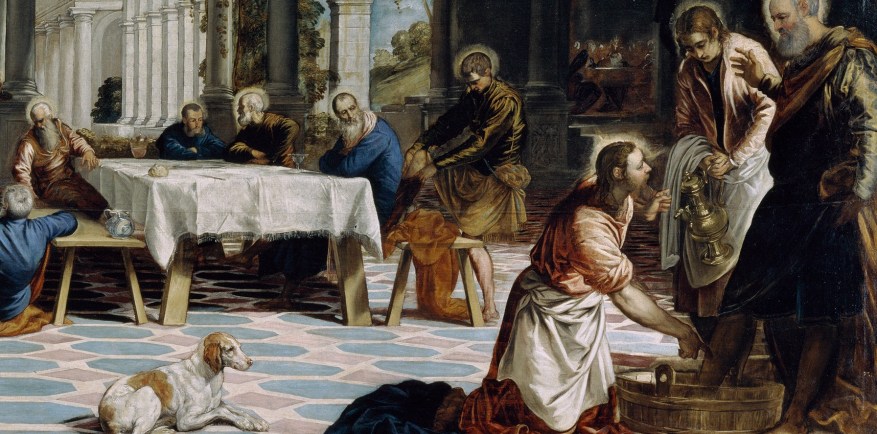
La Lavanda dei Piedi di Tintoretto: Il Capolavoro Veneziano al Prado
🇮🇹Tra i capolavori più affascinanti del Rinascimento veneziano, “La Lavanda dei Piedi” di Jacopo Tintoretto rappresenta un perfetto equilibrio tra spiritualità, innovazione compositiva e straordinaria forza narrativa… 🇬🇧Among the most fascinating masterpieces of the Venetian Renaissance, Jacopo Tintoretto’s “The Washing of the Feet” represents a perfect balance between spirituality, compositional innovation, and extraordinary narrative force…
-
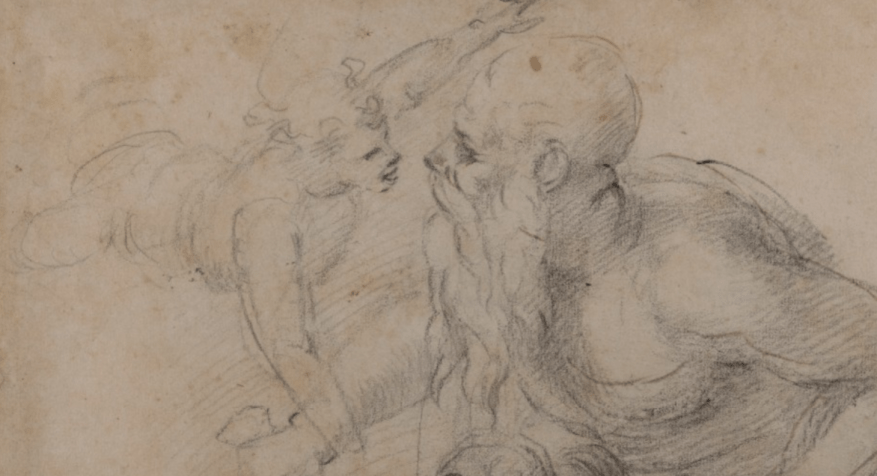
Il Sacrificio di Isacco e quel momento tra la vita e la morte
🇮🇹Oggi voglio raccontarvi alcuni dettagli sul mio disegno del Sacrificio di Isacco, conservato oggi a Casa Buonarroti. Su quel foglio volli tracciare il momento preciso in cui la paura fa spazio al miracolo… 🇬🇧Today I want to tell you some details about my drawing of the Sacrifice of Isaac, now preserved at Casa Buonarroti. On…
-
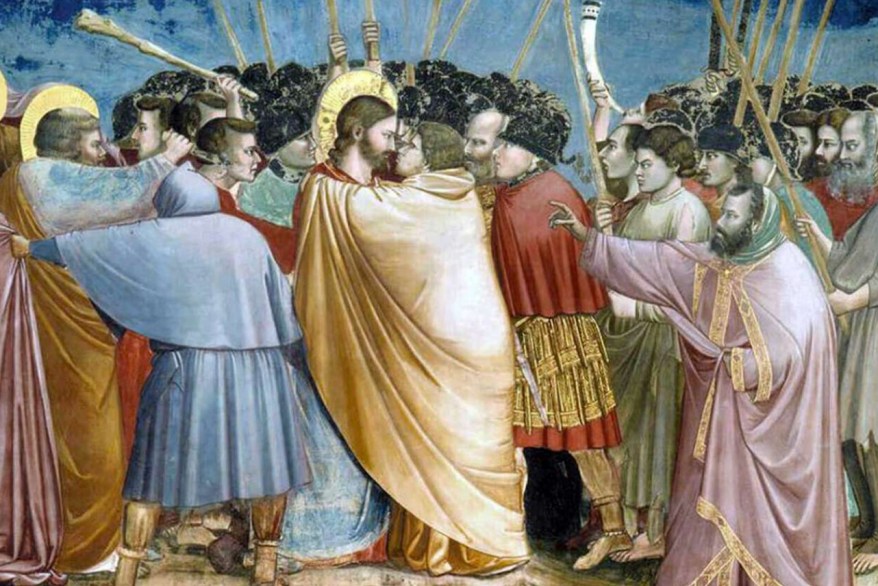
Mercoledì Santo: il giorno del tradimento di Giuda affrescato da Giotto
🇮🇹Il Mercoledì Santo è il giorno del silenzio, della riflessione e del tradimento. È il momento in cui Giuda sceglie di vendere Gesù per trenta denari, segnando uno dei passaggi più dolorosi della Settimana Santa…. 🇬🇧Holy Wednesday is a day of silence, reflection, and betrayal. ✝It is the moment when Judas chooses to sell Jesus…
Condividi:


Questo sono io





sostienici

Sostienici – Support Us
Se questo blog ti piace e ti appassiona, puoi aiutarci a farlo crescere sempre più sostenendoci in modo concreto condividendo i post, seguendo le pagine social e con un contributo che ci aiuta ad andare avanti con il nostro lavoro di divulgazione. . ENGLISH: If you like and are passionate about this blog, you can help us make it grow more and more by supporting us in a concrete way by sharing posts, following social pages and with a contribution that helps us to move forward with our dissemination work.
€10,00


